 Haaland Has Seven Goals and Norway Runs Entirely Through Him
⚽️2026 FIFA WORLD CUP
Wynwood Printshop Where the World Cup Schedule Hangs Like Gallery Art
A risograph studio transforms fixture calendars into hand-pulled posters that double as match-day devotionals for the neighborhood.
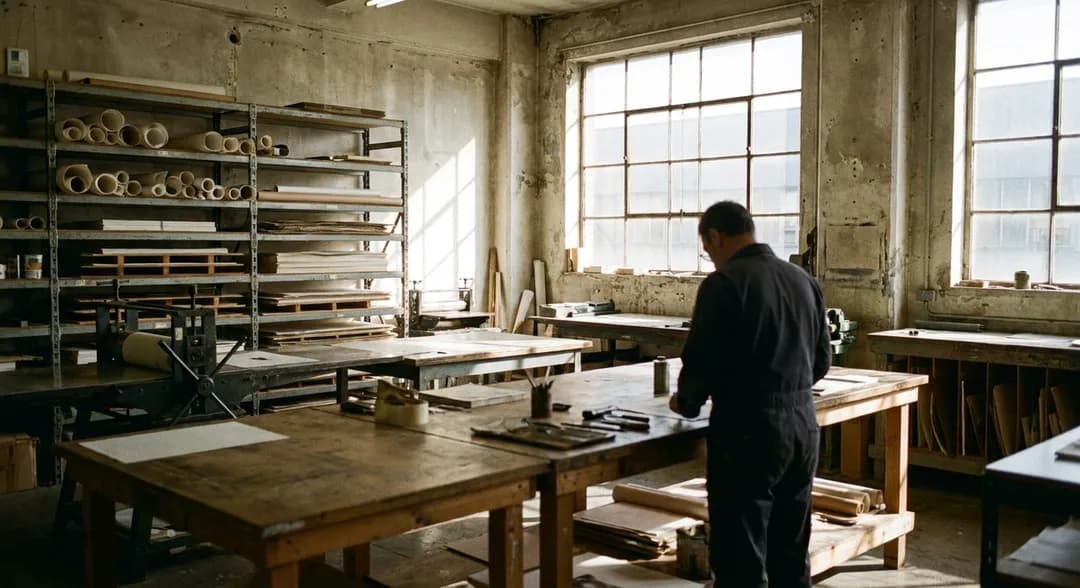
You walk into a studio that smells like soy ink and machine oil, and the first thing you notice is the hum. Not music, not conversation—the rhythmic churn of a risograph printer pulling color through a drum, one layer at a time. This Wynwood printshop doesn't do wedding invites or band posters. Right now, it's turning the 2026 World Cup fixture list into something you'd frame next to a Basquiat print. The walls are papered with test pulls: neon greens bleeding into electric blues, match times stacked like concrete poetry, country codes rendered in Futura Bold. You're not looking at a calendar. You're looking at devotional objects for a city that treats football like a second religion.
The Drum Keeps Time Like a Metronome for Match Days
The risograph sits in the center of the room, a boxy Japanese machine that looks like a photocopier had a baby with a screen-printing press. It works in single colors, one pass per hue, which means every poster goes through the drum three, four, sometimes five times. The printer operator—a guy in paint-spattered Dickies who used to do zine runs for punk bands—feeds each sheet by hand. You watch him align the paper against metal guides, listen to the machine gulp it through, spit it out with a fresh layer of cyan or magenta slightly off-register from the last. That imperfection is the point. No two prints are identical. The ink sits thick on the surface, almost tacky to the touch, with a texture you can feel if you run your thumb across the date of a semifinal. When the shop gets an order for a full set—group stage through the final—they'll run fifty sheets in an afternoon, and the whole room smells like a Sharpie factory.
Fixture Lists as Typographic Minimalism
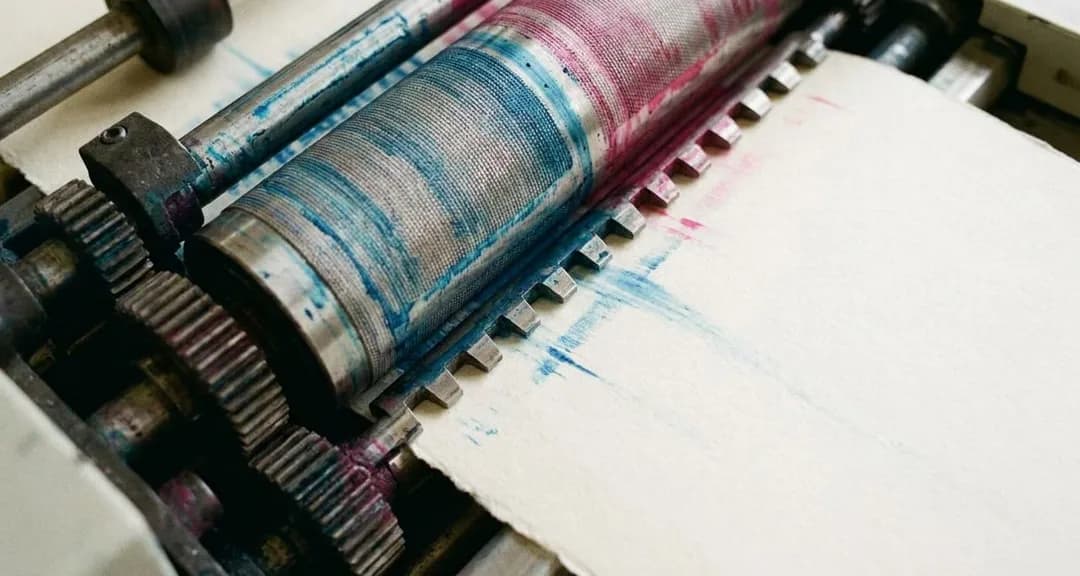
The design itself is stripped down to information and color. No logos, no sponsor marks, no stadium renderings. Just the matchups, the cities, the kickoff times in 24-hour format. The layout borrows from Swiss modernism—grids so tight you could measure them with calipers—but the color choices are pure Miami. Flamingo pink for knockout rounds. That specific shade of teal you see on Art Deco friezes. A yellow so saturated it vibrates under the gallery track lights that run the length of the studio. The type is set in a geometric sans-serif, all caps, with enough letter-spacing that each line breathes. You can read the whole tournament at a glance, or you can stare at it like a Rothko and let the color fields do the talking. People buy them as functional objects, then never mark them up. They just want to know the schedule is there, hanging on the wall, a talisman for the summer the world comes to your city.
The Regulars Who Treat This Like a Pre-Match Ritual
You start seeing the same faces a few weeks out from the tournament. A Colombian guy who works in HVAC and stops by every Saturday to check if they've printed the group stage matches yet. A Haitian woman who commissions a custom run in the national team colors—blue and red, no green—and picks them up in bundles to distribute at her church in Little Haiti. A bartender from a spot on Northwest Second Avenue who wants one for every country in his cocktail menu, which he's theming around the thirty-two nations. They don't just buy and leave. They stay. They talk about where they'll watch the matches, which bars have the projectors, who's organizing the watch parties in Bayfront Park. The printshop becomes a kind of unofficial campaign headquarters for people who need the World Cup to feel like a tangible thing, not just a news item. You overhear someone say they're framing theirs in a shadow box with a ticket stub from a qualifier in Barranquilla, and you think: yeah, that tracks.
Ink That Bleeds Like Watercolor When the Humidity Hits
Risograph ink is soy-based, which means it never fully dries the way offset lithography does. In Wynwood, where the humidity hovers near saturation most of the year, that becomes a feature. The posters have a slight give when you handle them, a softness that makes them feel alive. If you leave one in direct sun, the colors shift—cyan fades to sky blue, magenta deepens to plum. Some people treat them like wine, aging them on purpose. Others laminate them immediately, sealing in the vibrancy before the tropics get to work. The printer operator says he's had customers come back months later asking if the ink is supposed to smudge when you touch it. He tells them it's not a bug, it's the medium. You either make peace with the impermanence or you don't. Most people do. There's something fitting about a World Cup poster that changes over time, that records the weather and the light and the months you spent waiting for kickoff.
The Wall Where Test Prints Become Accidental Collaborations
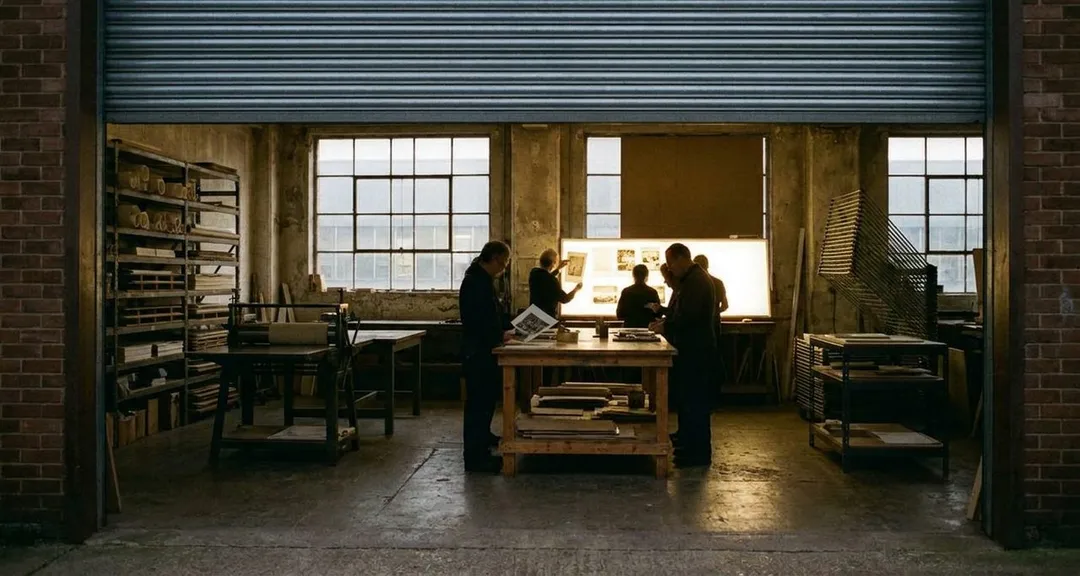
One section of the studio is floor-to-ceiling rejects and test runs. Misprints where the registration went haywire and the text looks like it's vibrating. Color studies where they tried six different greens before landing on the one that felt right. A sheet where someone spilled coffee and the stain bloomed into the fixture list like a Rorschach blot. The printer operator pins them all up, no curation, no hierarchy. Over time, other artists in the building—Wynwood is lousy with painters and muralists—start adding to it. A tag here, a sticker there, a scrawled prediction for the final. By the time the tournament starts, the wall is a palimpsest of hype and anxiety and trash talk in four languages. It's not for sale. It's not even intentional. But if you spend any time in the studio, you end up staring at it longer than the actual posters. It's the only piece of World Cup art that feels like it was made by a crowd, not a designer.
Where the Posters End Up After You Take Them Home
You see them everywhere once you start looking. Taped to the window of a cafecito stand on Northwest Twenty-Ninth Street. Framed behind the bar at a spot that only serves beer from countries in the tournament. Pinned to a corkboard in a barbershop where the wait is always forty-five minutes and the TV is always on Telemundo. Someone screenshots one and it becomes a meme template—people Photoshop their own matchups over the fixture list, ridiculous stuff like "Your Tía vs. The Thermostat" with kickoff times and everything. The printshop's Instagram gets tagged in hundreds of posts, most of them just photos of the poster in situ: above a couch, next to a Heat jersey, on the wall of a garage gym. The printer operator says he didn't expect them to travel like this, but he's not surprised. Wynwood has always been a neighborhood that takes art out of the gallery and puts it in the world. A World Cup poster that looks like a Bauhaus exercise and smells like a print shop and costs less than a decent lunch? That's not a souvenir. That's a document.
Practical Notes
The printshop operates out of a shared studio space in the blocks between Northwest Twenty-Fifth and Twenty-Ninth, west of North Miami Avenue. They don't keep strict hours—best to check their social media before you make the trip. Posters run in limited batches, and popular designs sell out fast, especially once the tournament gets closer. They take custom orders if you want specific colorways or formats, but expect a lead time of a couple weeks. No online shop, no shipping—you have to pick them up in person, which is part of the point. Parking is a nightmare, so bike or rideshare. The studio is tucked behind a gallery and a coffee roaster, so follow the smell of ink and espresso. Cash or Venmo. They'll roll your poster in craft paper and send you out into the heat with something that feels a little like carrying a relic.
Tags: #WynwoodArt #MiamiPrintCulture #2026WorldCup #FIFAMiami #RisographPrinting #FootballDevotion #WorldCupPosters #MiamiCreatives #WynwoodStudios #FixtureArt #HandPulledPrints #SoccerCulture #MiamiNeighborhoods #PrintshopVibes #WorldCupReady
Sources consulted: fifa.com · miamiherald.com · timeout.com
All trademarks are the property of their respective owners.
Ask Karpo for more information.
Keep reading
- Haaland Has Seven Goals and Norway Runs Entirely Through Him
 World Cup Trophy Ceremony Timing Medals and Postmatch Celebrations
 Olise and France's Attack: The Semifinal Tactical Question