 Haaland Has Seven Goals and Norway Runs Entirely Through Him
⚽️2026 FIFA WORLD CUP
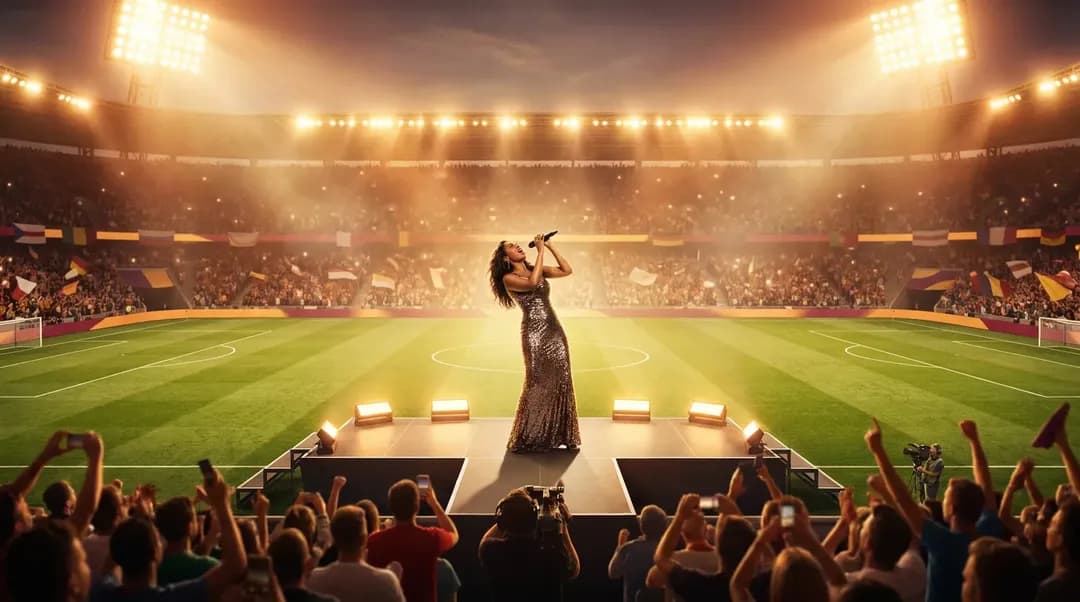
Jennifer Hudson’s Anthem Set a Ceremonial Opening Tone
Jennifer Hudson delivered the United States national anthem before the final at New York New Jersey Stadium. Her performance established the ceremonial opening distinct from the separate halftime entertainment.
Jennifer Hudson sang the United States national anthem before the final at New York New Jersey Stadium in East Rutherford, establishing the ceremonial opening for the match. The Oscar and Grammy-winning artist's performance served a specific traditional function separate from the halftime show, anchoring the pre-match festivities with one of sport's most recognized rituals.
Text Karpo to explore how national anthem performances shape the atmosphere at major sporting events and discover the history of ceremonial openings at championship finals.
The Ceremonial Role of the National Anthem
National anthem performances occupy a unique space in the architecture of major sporting events, serving as the bridge between pregame excitement and competitive action. Unlike halftime entertainment, which provides a break in competition and often features extended musical productions, the anthem represents a moment of collective focus before the first whistle. This distinction matters because the anthem carries cultural and civic significance beyond entertainment value, creating a shared experience that unites diverse audiences under national symbols.
Hudson's performance at New York New Jersey Stadium fulfilled this traditional opening function, positioning the anthem as the ceremonial gateway to the match rather than mid-event spectacle. The placement reinforces the anthem's role as preparation rather than interruption, allowing players, officials, and spectators to transition from anticipation to competition through a familiar ritual. This sequencing has become standard at American sporting events, where the anthem consistently precedes rather than interrupts play.
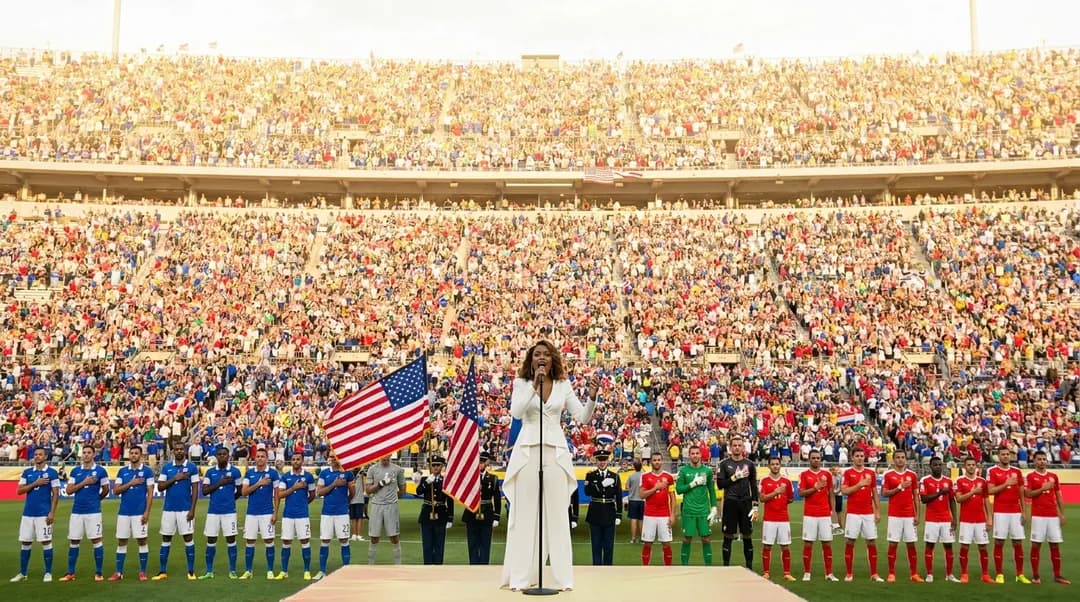
Distinguishing Pre-Match from Halftime Entertainment
The separation between anthem performance and halftime show reflects fundamentally different event design philosophies. Pre-match ceremonies, including the national anthem, aim to elevate the occasion and prepare participants for competition through tradition and ritual. These moments typically feature shorter, more focused presentations that honor the event's significance without overshadowing the athletic contest itself. The anthem performance serves civic and ceremonial purposes, acknowledging national identity while respecting the imminent sporting competition.
Halftime shows, by contrast, function as standalone entertainment spectacles designed to maintain audience engagement during the natural break in play. These productions often feature extended performances, elaborate staging, and multiple artists, operating more as concerts than ceremonies. By keeping Hudson's anthem performance separate from whatever halftime entertainment occurred, organizers maintained the traditional structure that preserves the anthem's distinct ceremonial character while allowing for different entertainment experiences at different moments in the event timeline.
Jennifer Hudson's Artistic Profile
Hudson brings considerable artistic credentials to ceremonial performances, having established herself across multiple entertainment mediums. Her vocal ability, recognized with both Grammy Awards for musical achievement and an Oscar for acting, positions her among artists capable of delivering performances that meet the technical and emotional demands of high-profile events. Anthem performances at major sporting finals require vocalists who can command large stadiums while maintaining the respectful tone the ceremony demands, making artist selection a meaningful decision for event organizers.
The choice of Hudson reflects a broader pattern of selecting established artists with proven live performance capabilities for these ceremonial moments. Unlike halftime shows that might prioritize current chart performance or trending popularity, anthem selections often favor artists whose vocal control and stage presence can handle the pressure of unaccompanied or minimally accompanied singing in massive venues. Hudson's experience performing in various high-stakes environments likely informed the decision to entrust her with this opening ceremonial role at New York New Jersey Stadium.
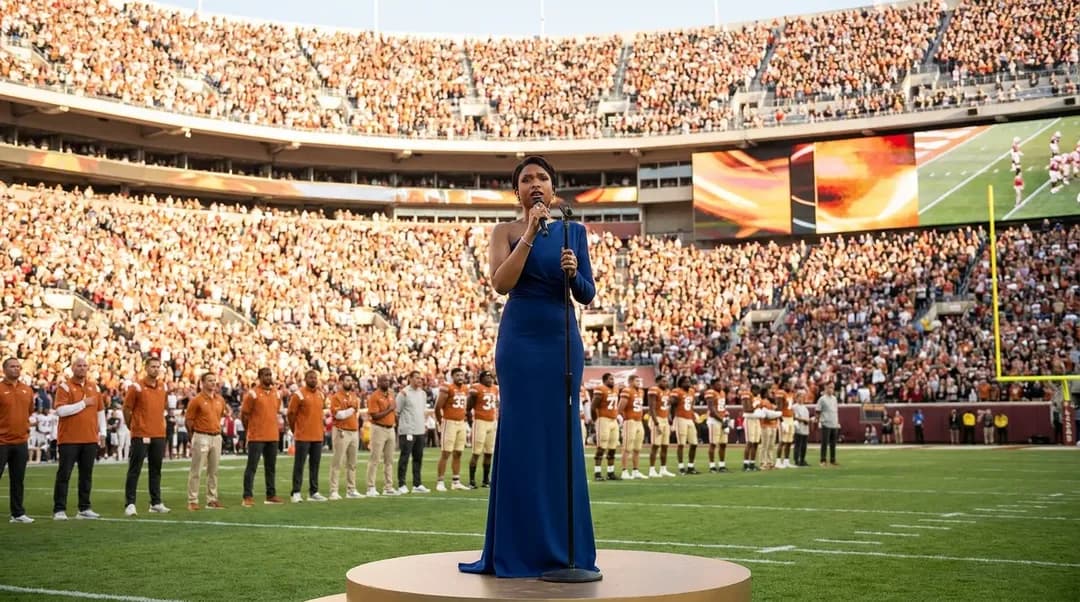
The Venue Context in East Rutherford
New York New Jersey Stadium in East Rutherford provides a significant backdrop for ceremonial performances, representing one of the premier sporting venues in the New York metropolitan area. The stadium's location in East Rutherford, New Jersey, positions it within the broader New York City cultural and media ecosystem while maintaining the infrastructure and capacity necessary for hosting major championship events. This geographic positioning makes the venue a natural choice for finals that draw national and international attention, combining accessibility with symbolic importance.
Performing the national anthem in such a venue presents specific acoustic and logistical considerations that differ from smaller stadiums or indoor arenas. The open-air environment, stadium size, and crowd capacity all influence how the anthem reaches the audience, requiring both technical preparation and artistic adjustment. Hudson's performance occurred within this specific architectural and geographic context, contributing to the pre-match atmosphere in a venue designed to accommodate large-scale sporting spectacles and the ceremonies that accompany them.
Traditional Structure of Final Match Ceremonies
Major sporting finals typically follow established ceremonial patterns that have evolved over decades of event production. These structures generally include pre-match ceremonies featuring national anthems, flag presentations, and formal introductions before play begins. The predictable sequencing serves multiple functions: it builds anticipation, honors participants and nations, provides broadcast programming opportunities, and creates memorable moments beyond the competition itself. The anthem sits within this larger ceremonial framework, occupying a specific temporal and symbolic position.
This traditional structure helps distinguish the various performance elements throughout the event. Pre-match ceremonies cluster around themes of honor, preparation, and anticipation, while halftime entertainment shifts toward pure spectacle and audience engagement during the competitive break. Post-match ceremonies focus on celebration and recognition of results. By maintaining these distinct phases, event organizers create varied experiences that serve different purposes across the event timeline, with Hudson's anthem performance functioning specifically within the preparatory ceremonial phase rather than the entertainment-focused halftime period.
Cultural Significance of Anthem Performances
National anthem performances at sporting events carry cultural weight that extends beyond musical entertainment, representing moments where civic identity intersects with athletic competition. The ritual of collective listening or singing creates a shared experience among otherwise diverse spectators, temporarily uniting them under national symbols before teams compete. This ceremonial function explains why anthem performances maintain their position at major events despite evolving entertainment preferences, as they serve purposes beyond audience enjoyment or commercial appeal.
The selection of an artist like Hudson to perform this ceremony reflects awareness of the anthem's dual nature as both musical performance and civic ritual. The performance must satisfy technical musical standards while maintaining the appropriate tone for a moment of national recognition. This balance distinguishes anthem performances from purely entertainment-driven selections, where artistic interpretation and showmanship might take precedence over ceremonial appropriateness. Hudson's pre-match performance at New York New Jersey Stadium thus fulfilled both musical and ceremonial expectations, setting the tone for the final while honoring the anthem's traditional role in American sporting culture.
Tags: #JenniferHudson #NationalAnthem #NewYorkNewJerseyStadium #EastRutherford #SportingCeremonies #PreMatchRitual #FinalMatch #CeremonialPerformance #AnthemPerformance
All trademarks are the property of their respective owners.
Ask Karpo First
Whether you're curious about how ceremonial performances are selected for major sporting events, interested in the technical challenges of singing in large stadiums, or wondering about the historical evolution of national anthem traditions in American sports, Karpo provides reliable information about the intersection of music and athletic competition. Get accurate answers about event structure, artist selection, and the cultural significance of sporting ceremonies without speculation or invented details.
Ask Karpo for more information.
Keep reading
- Haaland Has Seven Goals and Norway Runs Entirely Through Him
 World Cup Trophy Ceremony Timing Medals and Postmatch Celebrations
 Olise and France's Attack: The Semifinal Tactical Question