 Haaland Has Seven Goals and Norway Runs Entirely Through Him
⚽️2026 FIFA WORLD CUP
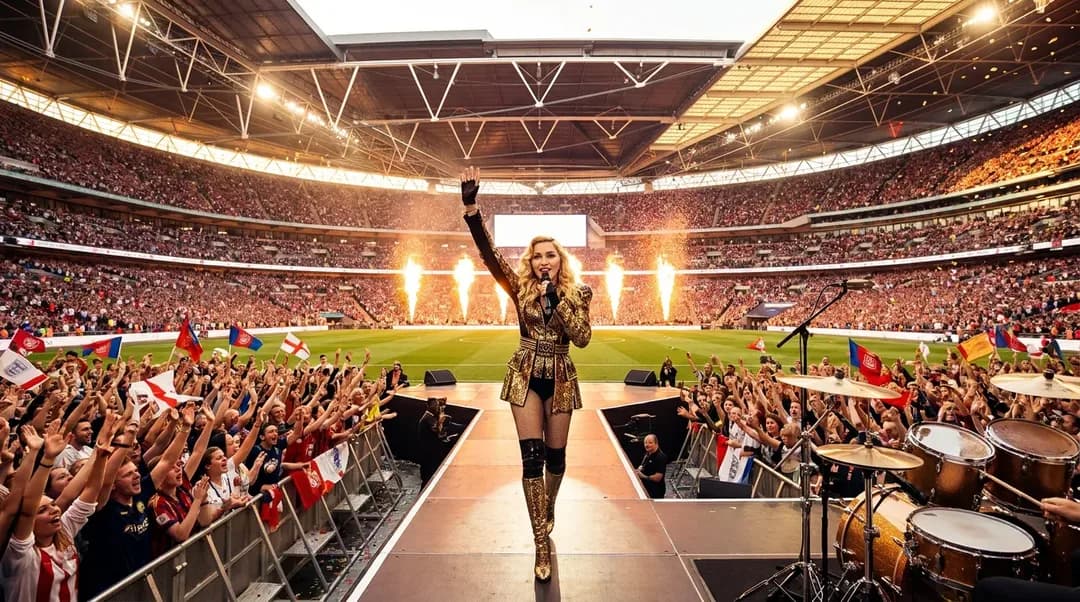
Madonna Opened Football’s First Mid-Match Stadium Spectacle
East Rutherford witnessed football history as the 2026 World Cup final introduced the tournament's first-ever halftime entertainment spectacle. The pop icon shared the staging alongside Brazilian legends in a cultural milestone for the sport.
The 2026 World Cup final at MetLife Stadium in East Rutherford marked an unprecedented moment in tournament history, introducing the first halftime show ever staged during a final match. Madonna opened the multi-artist spectacle alongside former Brazil stars Ronaldo and Ronaldinho, according to AP coverage of the event. The decision to incorporate a halftime entertainment element represented a significant departure from the traditional format that had defined every World Cup final since the tournament's inception in 1930.
Text Karpo to explore how major tournaments are evolving their presentation formats and what this shift might mean for future World Cup finals. Our platform connects you with detailed context about entertainment integration in global sporting events and the commercial dynamics reshaping football's biggest stages.
Breaking Nearly a Century of Final Match Tradition
World Cup finals had maintained a remarkably consistent structure across 23 previous editions, with halftime periods reserved exclusively for team tactical adjustments and brief stadium maintenance. The fifteen-minute interval had always functioned as a purely functional break, allowing players to regroup in dressing rooms while spectators remained in their seats or visited concessions. This operational rhythm had become so entrenched that the concept of staging entertainment during the final's halftime had never been seriously pursued by FIFA in any previous host nation.
The introduction of a halftime show at the 2026 final represented a calculated risk by tournament organizers, who faced the challenge of preserving football tradition while adapting to North American sports entertainment expectations. The decision likely reflected input from all three host nations—the United States, Canada, and Mexico—though the ultimate staging in East Rutherford placed the historic first squarely within the American market context. This geographic reality meant that comparisons to the Super Bowl halftime tradition were inevitable, even as organizers worked to create a distinct identity for the World Cup version.
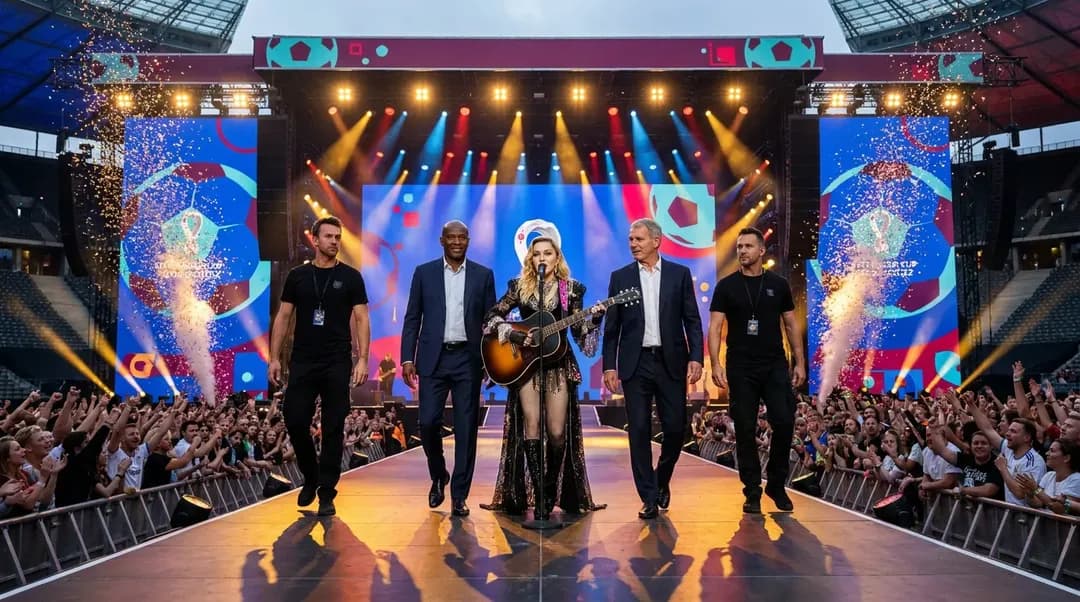
Madonna's Role as Opening Performer
Madonna's selection as the opening act for this inaugural halftime show carried symbolic weight beyond her global celebrity status. With a career spanning more than four decades and a proven track record of large-scale performance production, she brought both credibility and experience to an event with no World Cup precedent. Her participation signaled that FIFA intended the halftime show to function as a major production rather than a brief ceremonial interlude, setting expectations for scope and ambition that would influence how audiences and media evaluated the experiment.
The decision to have Madonna open the show, rather than close it, suggests deliberate sequencing by production planners who needed to establish energy and audience engagement immediately. Opening performances carry the burden of capturing attention and setting tone without the benefit of momentum from previous acts. By placing Madonna in this position, organizers demonstrated confidence in her ability to command the stadium environment and international broadcast audience from the first moment, establishing a foundation upon which the remainder of the show would build.
The Brazilian Football Legend Component
The inclusion of Ronaldo and Ronaldinho alongside Madonna created a hybrid approach that blended pop culture celebrity with football heritage. Both Brazilian stars carried immense recognition within the global football community, with Ronaldo's two World Cup victories and Ronaldinho's technical brilliance having defined memorable tournament moments in previous decades. Their presence on stage during the opening segment served to anchor the entertainment spectacle within football tradition, potentially easing concerns among purists who might view a halftime show as an unwelcome intrusion into the sport's most important match.
The specific roles these former players fulfilled during Madonna's opening segment remain a matter of production detail, but their co-headliner designation indicates they functioned as more than ceremonial figures. Whether their participation involved speaking roles, symbolic gestures, or integration into the musical performance itself, the decision to feature them prominently suggests organizers recognized the need to maintain football authenticity even while embracing entertainment spectacle. This balancing act between sport and show would likely influence how future halftime presentations are structured and which personalities are recruited to participate.
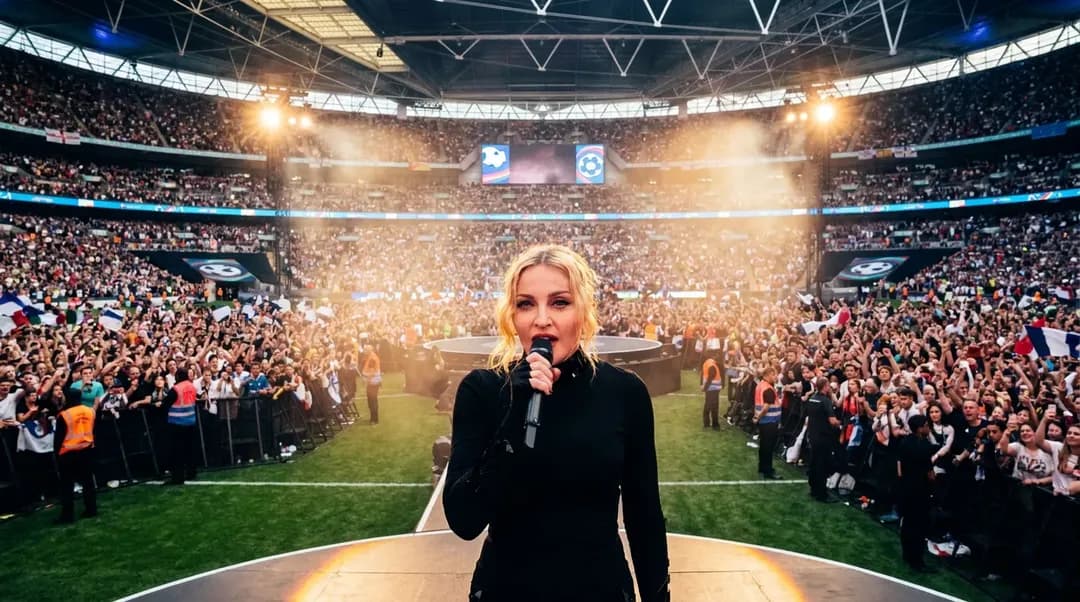
MetLife Stadium as Host Venue
MetLife Stadium in East Rutherford provided the physical infrastructure necessary for this ambitious production experiment. The venue's design, built with NFL spectacle in mind, included staging capabilities, power distribution systems, and backstage facilities that could accommodate complex entertainment productions within tight time constraints. Unlike many purpose-built football stadiums that prioritize match visibility over entertainment flexibility, MetLife offered the technical architecture required to execute a halftime show of significant scale without compromising the pitch condition or extending the standard fifteen-minute interval beyond acceptable limits.
The New York metropolitan area location also provided access to entertainment industry resources, technical crews, and production expertise concentrated in the region. This geographic advantage likely influenced FIFA's calculus when evaluating which 2026 final venue could most reliably execute an unprecedented halftime show without risking operational failures that would dominate post-match coverage. The stadium's proximity to production hubs meant that rehearsal schedules, equipment staging, and contingency planning could draw on established infrastructure rather than requiring everything to be constructed specifically for the event.
The Co-Headliner Structure Implications
Describing Madonna as a co-headliner rather than the sole headliner indicates the halftime show featured a multi-act structure with distributed prominence. This approach differs from single-artist dominance typical of Super Bowl halftime shows, where one performer generally commands the majority of stage time even when guest artists appear. The co-headliner designation suggests organizers attempted to create a more collaborative presentation model, possibly reflecting the global nature of the World Cup audience and the need to appeal across diverse musical and cultural preferences simultaneously.
This structural choice also created built-in variety within the limited timeframe available during a match halftime. By featuring Madonna in the opening segment and presumably other co-headliners in subsequent segments, production planners could shift energy and appeal to different audience segments without requiring any single performer to sustain engagement across the entire interval. The trade-off involved sacrificing the narrative cohesion possible with a single-artist presentation in exchange for broader demographic reach and reduced performance pressure on any individual participant.
Historical Context and Future Implications
The introduction of halftime entertainment to the World Cup final represents a significant evolution in how FIFA conceives the tournament's presentation to global audiences. Previous World Cups had featured elaborate opening and closing ceremonies separate from matches, but the final itself had remained insulated from entertainment elements that might be perceived as distracting from the sport. The 2026 decision to breach this boundary suggests shifting priorities around spectacle, commercial opportunity, and audience engagement that extend beyond traditional football administration concerns.
Whether this inaugural halftime show establishes a permanent precedent for future finals will depend on multiple factors including audience reception, player and coach feedback, and FIFA's own evaluation of whether the innovation enhanced or detracted from the final match experience. The 2026 edition's success or failure in balancing entertainment ambition with football tradition will likely influence tournament presentation decisions for decades to come, potentially affecting not just World Cup finals but also continental championships and other major football events seeking to expand their cultural footprint beyond the sport itself.
Tags: #WorldCup2026 #Madonna #MetLifeStadium #HalftimeShow #EastRutherford #Ronaldo #Ronaldinho #FIFAFinal #FootballHistory
All trademarks are the property of their respective owners.
Ask Karpo First
Need deeper context about how major sporting events are incorporating entertainment elements, or want to understand the commercial and cultural forces reshaping football presentation? Karpo delivers verified information about tournament innovations, venue capabilities, and the evolving relationship between sport and spectacle without speculation or invented details.
Ask Karpo for more information.
Keep reading
- Haaland Has Seven Goals and Norway Runs Entirely Through Him
 World Cup Trophy Ceremony Timing Medals and Postmatch Celebrations
 Olise and France's Attack: The Semifinal Tactical Question