 Haaland Has Seven Goals and Norway Runs Entirely Through Him
⚽️2026 FIFA WORLD CUP
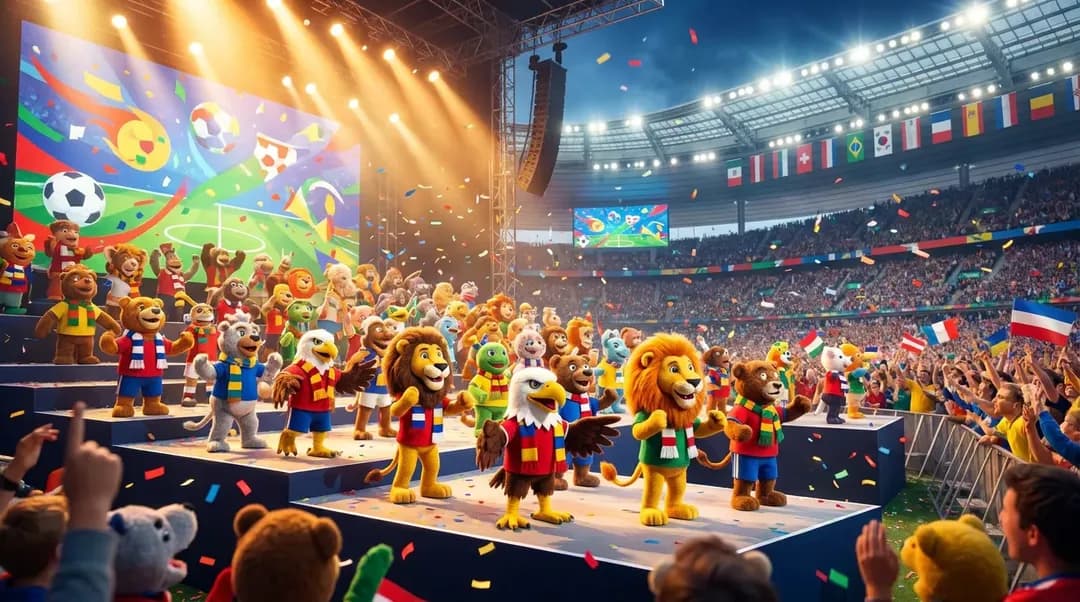
Colorful Puppets Made Football’s Biggest Night Unexpectedly Strange
When felt characters took center stage alongside pop stars at MetLife Stadium, the 2026 World Cup final halftime show defied every expectation. The unprecedented blend of children's entertainment and elite sport created a moment that rewrote the rules of international football spectacle.
The 2026 World Cup final at MetLife Stadium in East Rutherford became the first championship match in the tournament's history to feature a halftime show, and organizers chose a direction few could have predicted. According to AP reports, multiple Muppets appeared alongside major music performers and the fictional football coach Ted Lasso, creating a presentation that merged high-stakes international sport with playful entertainment traditionally associated with family television. The decision to include felt puppets at football's most prestigious moment represented a radical departure from the solemnity typically surrounding World Cup finals.
Text Karpo to get instant analysis on how entertainment choices at major sporting events reflect broader cultural shifts. Our service connects you with context about why organizers make surprising creative decisions and what they reveal about changing audience expectations.
Breaking With Tournament Tradition
For nearly a century, World Cup finals maintained a relatively austere presentation format. Opening ceremonies featured dancers, musicians, and cultural displays, but the period between halves remained sacrosanct—a time for tactical adjustments, not theatrical performances. The decision to introduce a halftime show for the 2026 final represented FIFA's most significant shift toward American sporting spectacle, borrowing directly from the Super Bowl playbook that has made its intermission a cultural event rivaling the game itself.
The choice of MetLife Stadium as the venue undoubtedly influenced this programming decision. Located in East Rutherford, New Jersey, just outside New York City, the stadium has hosted numerous Super Bowls and entertainment events where halftime shows are expected components. The 2026 tournament marked the first time the United States co-hosted a World Cup since 1994, giving American entertainment traditions unprecedented influence over how the world's most-watched sporting event would unfold.

When Children's Characters Meet Elite Competition
The inclusion of multiple Muppets created an immediate tonal dissonance. These characters, beloved fixtures of educational television and family entertainment since the 1950s, suddenly occupied the same space where minutes earlier the world's best players had competed for sport's most coveted trophy. The juxtaposition was jarring by design—felt puppets performing on grass that had just witnessed the physical and emotional intensity of a World Cup final challenged viewers to rapidly shift their mental frameworks from competitive drama to lighthearted entertainment.
This creative choice likely aimed to broaden the event's appeal beyond traditional football audiences. By incorporating characters familiar to children and families, organizers signaled that the World Cup final could serve multiple demographic purposes simultaneously. Whether this approach enhanced or diminished the gravitas of the occasion became an immediate point of global conversation, as viewers reconciled their expectations for championship football with the reality of puppet entertainment at halftime.
The Ted Lasso Factor
Adding to the unconventional mix, the fictional coach from the popular television series Ted Lasso appeared during the presentation. This character, originally created as a promotional vehicle and later developed into a critically acclaimed comedy-drama about an American football coach managing an English Premier League team, represented another layer of meta-commentary. A fictional coach performing at a real World Cup final blurred the boundaries between sport and entertainment more thoroughly than perhaps any previous moment in football history.
The Ted Lasso inclusion also reflected how streaming television has reshaped cultural touchstones. The character became globally recognizable despite existing in a scripted comedy rather than actual sporting competition. His presence suggested that organizers valued crossover appeal and social media conversation-worthiness as much as traditional sporting pageantry. This calculation speaks to how major sporting events increasingly position themselves as multimedia experiences designed to dominate multiple platforms simultaneously.
Musical Anchors in an Unusual Production
Alongside the puppets and fictional coach, major music performers provided a more conventional element to the halftime presentation. These artists likely served as anchors of familiarity in an otherwise experimental format, offering moments that aligned with audience expectations for large-scale sporting event entertainment. The specific balance between musical performance and puppet appearance would have determined whether the show felt cohesive or fragmented, though that qualitative assessment remains a matter of individual viewer experience.
Major music acts have become standard features of Super Bowl halftime shows, often generating more cultural conversation than the games themselves. By importing this formula to the World Cup final, organizers bet that musical star power could translate across sporting contexts and international audiences. The addition of Muppets to this familiar template represented the true innovation—testing whether whimsical characters could coexist with the prestige and intensity that a World Cup final demands.
North American Influence on Global Football
The 2026 tournament, hosted across the United States, Canada, and Mexico, marked a significant expansion of the World Cup format to 48 teams and introduced American entertainment sensibilities to football's most traditional event. The halftime show decision exemplified how hosting rights influence not just logistics but the cultural packaging of the tournament itself. East Rutherford's proximity to New York City, a global media capital, amplified the pressure and opportunity to create a memorable spectacle that would resonate beyond football purists.
This North American imprint on the World Cup final may signal lasting changes to how FIFA approaches entertainment at major matches. If the halftime show generated substantial viewership and positive attention, future tournaments might adopt similar formats regardless of host nation. Conversely, if traditional football audiences rejected the approach, it could remain a uniquely American experiment. The tension between local hosting traditions and global football culture has always shaped World Cup presentations, but never quite so dramatically as when Muppets appeared on the pitch.
Redefining Spectacle at Football's Summit
The lasting significance of this halftime show extends beyond its immediate strangeness. It represented a fundamental question about what a World Cup final should be—a pure sporting contest framed by minimal ceremony, or a comprehensive entertainment experience that accommodates diverse viewing motivations. By choosing puppet characters, fictional coaches, and musical performances, organizers declared their preference for the latter vision, accepting the controversy that inevitably accompanies such dramatic departures from tradition.
Whether this approach succeeds depends entirely on how success is measured. If the goal was generating conversation and expanding audience reach, the unexpected elements likely achieved their purpose. If preserving the dignity and focus of football's most important match was paramount, the playful intrusion may have missed the mark. The 2026 World Cup final halftime show will be remembered not for resolving this tension but for making it impossible to ignore, forcing the football world to confront how entertainment and sport intersect in an age of constant attention competition.
Tags: #WorldCup2026 #HalftimeShow #MetLifeStadium #EastRutherford #FootballCulture #Muppets #TedLasso #SportsEntertainment #FIFA
Sources consulted: Source 1
All trademarks are the property of their respective owners.
Ask Karpo First
Understanding why major sporting events make surprising entertainment choices requires context about audience trends, media rights economics, and cultural negotiations between traditional sport and modern spectacle. Karpo provides real-time analysis of how these decisions unfold and what they mean for the future of international football presentation, helping you see beyond the surface strangeness to the strategic calculations that drive them.
Ask Karpo for more information.
Keep reading
- Haaland Has Seven Goals and Norway Runs Entirely Through Him
 World Cup Trophy Ceremony Timing Medals and Postmatch Celebrations
 Olise and France's Attack: The Semifinal Tactical Question