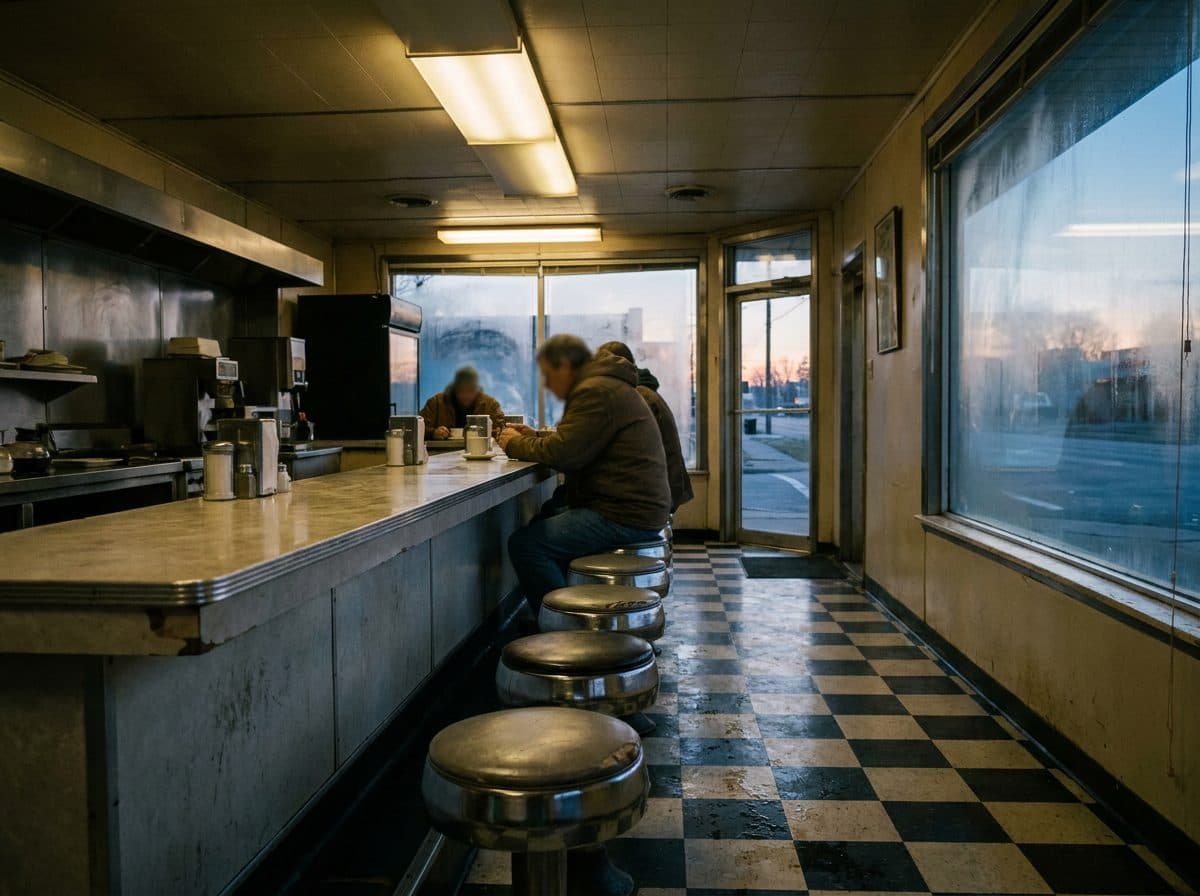
You walk into the kind of diner where the coffee mugs are heavy ceramic and the Formica counter has worn smooth under decades of elbows. It's barely past dawn in the Crossroads Arts District, and the place smells like hash browns meeting hot griddle oil. The TV mounted near the register is tuned to a World Cup group stage match, and the tables are filling with people who understand that the best mornings involve breakfast food, strong coffee, and watching the world play football before most of your city has opened its eyes.
The Counter Geography of Early Kickoffs
You slide onto a stool at the counter because that's where you want to be when the whistle blows. The bartop runs the length of the open kitchen, and you can watch eggs crack onto the flattop while tracking player movement on the screen overhead. The regulars know this setup—they've claimed their spots by the time the anthems play, positioned so they can see both the game and the cook's hands working. The counter creates a natural conversation flow. Strangers become provisional friends when someone's national team scores, and the guy two seats down who's been reading the Kansas City Star suddenly wants to debate offside calls. The waitress refills your mug without asking, moving through the room with the kind of efficiency that comes from years of muscle memory, never blocking anyone's sightline for more than a heartbeat.
What the Kitchen Sends Out Before Nine
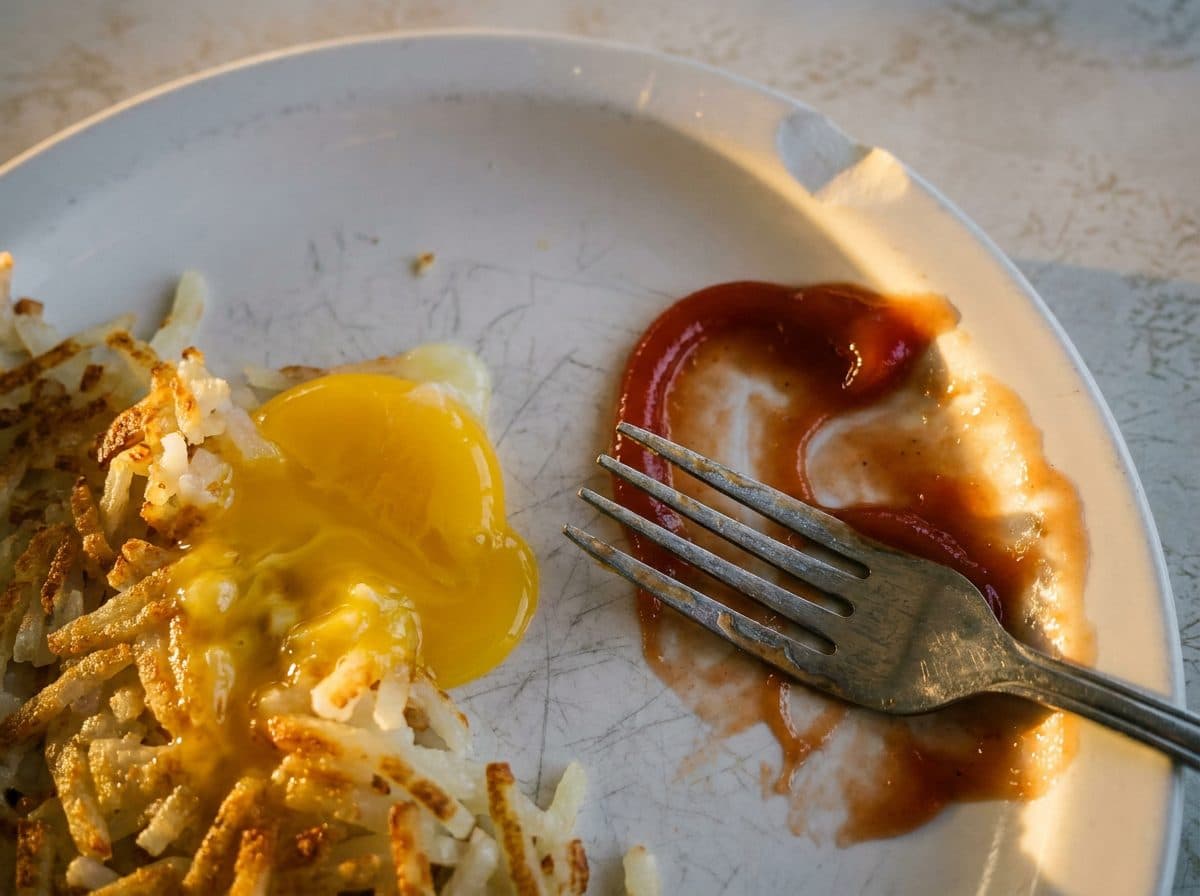
The menu hasn't changed much in years, which is exactly the point. You order eggs over medium with crispy hash browns and white toast, the kind of plate that arrives hot and unpretentious. The bacon comes thick-cut and properly rendered, not limp, not cremated. Around you, people are working through biscuits and gravy, corned beef hash with runny yolks, pancakes the size of dinner plates. The kitchen operates at a steady hum—metal spatulas scraping griddle, the rhythmic tick of the order wheel spinning. Someone's got chorizo and eggs, and the smell cuts through the coffee steam. This isn't brunch food trying to impress food photographers. It's the breakfast that fed meatpackers and warehouse workers and artists between shifts, now feeding a different kind of crowd united by a different kind of clock.
The Diaspora Shows Up in Waves
You start noticing jerseys around the second match of the morning. A Mexico kit from the Nineties, a Ghana scarf draped over a booth, someone's grandmother wearing a Croatia polo like it's Sunday church clothes. The Crossroads has always drawn people from everywhere, and World Cup mornings make that visible in a way regular Tuesdays don't. Tables fill with extended families, friends who met up in parking lots to carpool over together, solo fans who knew they couldn't watch this alone in their apartments. When a goal goes in, the reaction splits the room—half the diner erupts, half groans, and for a moment you can map the world's fault lines across these booths and counters. Then someone orders another round of coffee and the waitress makes a joke and the room resets, everyone back to watching, forks working through eggs gone slightly cold because nobody wants to look down when the ball's in the attacking third.
The Light Through Plate Glass at Seven-Thirty
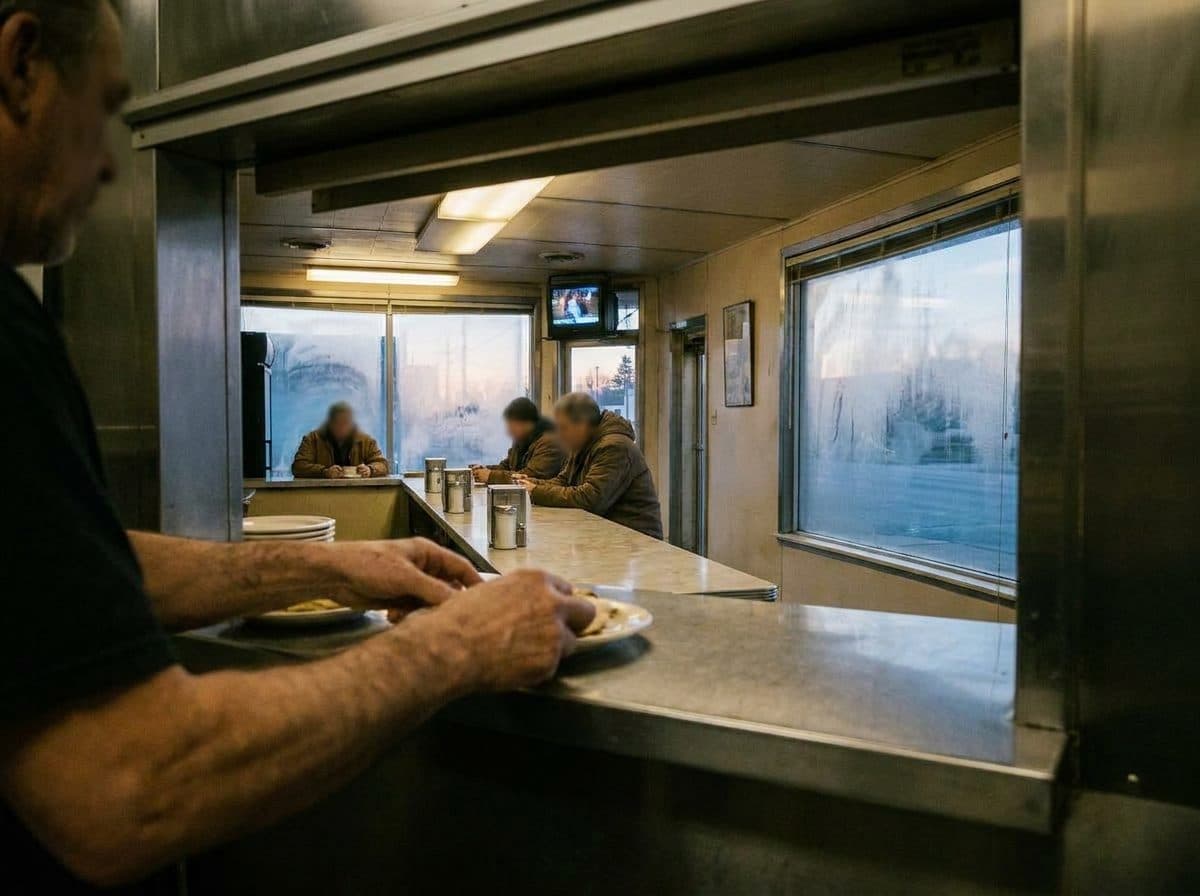
The front windows face east, and early in the tournament when matches kick off at dawn, the light comes in low and gold. It hits the chrome napkin dispensers and the sugar pourers and turns the whole counter into a stage lit for a play about ordinary mornings. You watch dust motes drift through the beams while someone on television is sprinting down a touchline in a stadium eight time zones away. The diner exists in this strange double exposure—deeply rooted in this specific Kansas City block, but temporarily connected to São Paulo or Casablanca or Seoul through the physics of satellite transmission and shared attention. By the time the sun's fully up and the light goes flat and normal, the early match is done and people are settling tabs, heading out to jobs or back to weekend errands, leaving behind a room that smells like bacon grease and spilled coffee and the particular electricity of watching something that matters to strangers who just became temporary neighbors.
The Regulars Who Were Here First
The World Cup crowd layers over the people who come here every morning regardless. The retired bus driver who sits in the corner booth with the crossword. The construction crew that stops in before heading to a site in the West Bottoms. The artist who lives above one of the galleries and treats this place like her kitchen because her actual kitchen is a hot plate and a mini-fridge. They tolerate the temporary invasion with varying degrees of patience. Some get into it, asking questions about formations and players. Others just want their usual eggs and the sports section and the comforting anonymity of a weekday morning routine. The waitress navigates both crowds without breaking stride, remembering that the bus driver takes his eggs scrambled dry and the guy in the Argentina jersey needs his hash browns extra crispy, treating both requests with equal seriousness.
What Bourdain Would Have Recognized Here
There's no craft cocktail program, no farm-to-table signage, no Edison bulbs trying to manufacture authenticity. The booths are patched with duct tape in spots. The bathroom door sticks. The register is older than most of the staff. What you get instead is a place that does a few things well and has done them the same way long enough that it's woven into the neighborhood's daily fabric. The cooks work without theater, flipping eggs and building plates with the kind of competence that doesn't need to announce itself. The prices stay low-key cheap because the business model isn't built on Instagram traffic. And on these World Cup mornings, the place becomes exactly what it's always been—a room where strangers share space and food and the understanding that some experiences are better when they're not polished, not elevated, not explained. Just hot coffee, good eggs, and the whole world playing football while Kansas City wakes up around you.
Practical Notes
These diners open early—some as early as six for the earliest kickoffs—and you don't need reservations. Just show up, find a seat, and order at the counter or from your booth. Most places are cash-friendly but take cards. Expect a few bucks for coffee, under ten for a full breakfast plate. Street parking in the Crossroads fills fast on match mornings, so arrive early or use the public lots near Baltimore Avenue. The streetcar runs through the district if you're coming from downtown or Union Station. Group stage matches mean morning crowds, but the room turns over between kickoffs. If you're planning to camp for multiple matches, order more coffee, tip well, and don't be the person who hogs a four-top alone during the rush.
Tags: #WorldCup2026 #KansasCity #CrossroadsArtsDistrict #DinerCulture #BreakfastAndFootball #WorkingClassFood #AuthenticKC #ForCounterCulture #MorningRituals #DiasporaDining #UnpretentiousEats #WorldCupWatch #LocalInstitutions #NeighborhoodSpots #KCFood
Sources consulted: fifa.com · espn.com · timeout.com
All trademarks are the property of their respective owners.