 Haaland Has Seven Goals and Norway Runs Entirely Through Him
⚽️2026 FIFA WORLD CUP
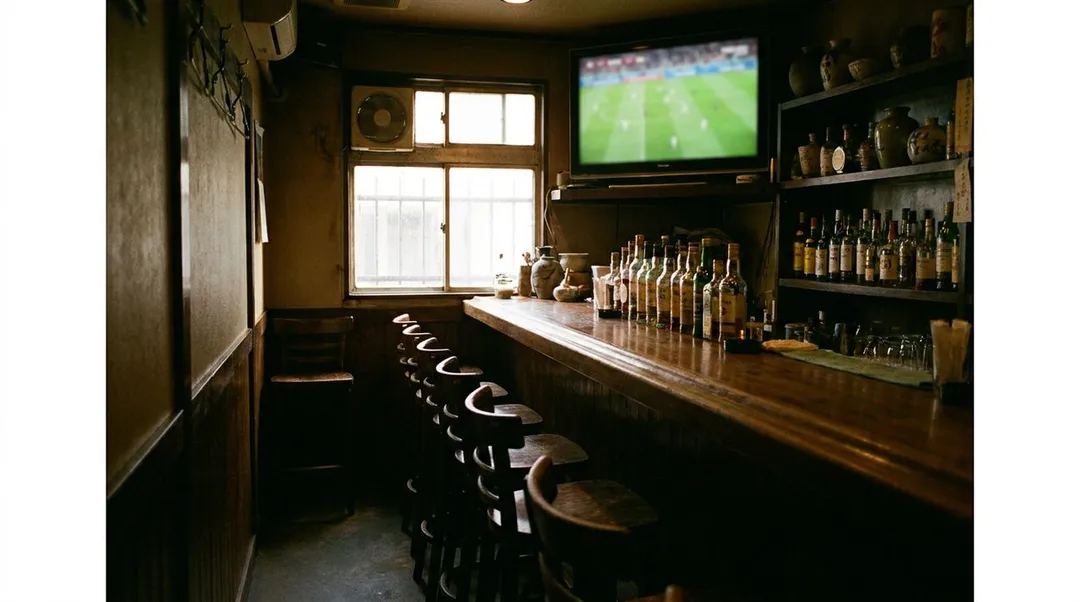
World Cup Afternoons Before the Cardi B Night Shifts
Bartenders and arena crew stream group stage matches on back-bar TVs, resting legs before the evening's sold-out hip-hop double-header down the street.
The Breakfast Shift Ends When the Whistle Blows
You walk into Old Fourth Ward right as the lunch rush fades and find bartenders perched on stools they've been circling for hours. They're watching group stage matches on screens angled just right—visible from behind the bar but not blocking the register. The sound's low enough that you catch snippets of commentary between the hiss of the soda gun and someone asking for the check. This is the pocket between services, when people who work nights finally sit down, and the World Cup becomes the thing that holds the room together before everyone scatters to punch in somewhere else.
The neighborhood's dense with venues prepping for evening shows, and you can feel the two-shift rhythm everywhere. Morning people are wrapping up. Night people are waking up. The matches land right in that overlap, and suddenly every back room with a TV becomes a gathering spot for the in-between hours.
Cold Tile and Warm Bodies at the Counter
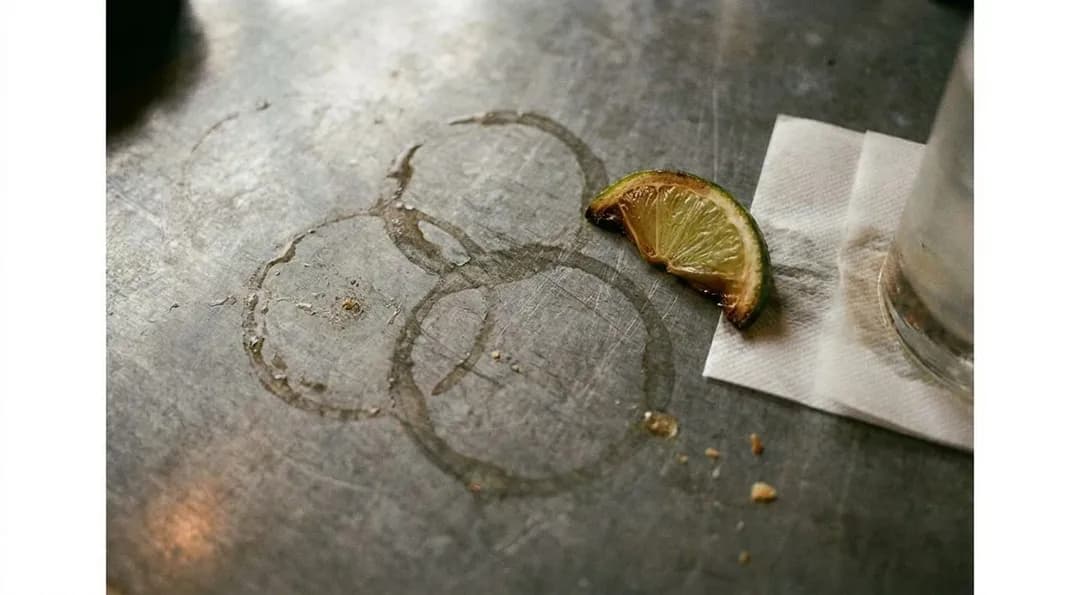
The floors in these spots are always a little sticky from the night before, and the AC hasn't quite caught up with the midday heat pressing through the windows. You slide onto a stool and your forearms stick slightly to the bar top. Someone's mopping in the corner, working around a cluster of three line cooks still in checkered pants, eyes locked on the screen. One of them has his work clogs off, socked feet propped on the rung of a chair.
The light's different in here during the day—harder, more honest. You see the scuffs on the bar rail, the way the mirror behind the bottles needs a wipe. But that unpolished feeling is exactly why it works. No one's performing hospitality right now. The bartender's eating fries from a basket, pausing mid-chew when a shot goes wide. You order something simple and cold, and it arrives without flourish. This is the shift where everyone's a regular, even if it's your first time walking in.
Accents Layered Over Play-by-Play
The crowd shifts depending on who's playing. Some afternoons it's a tight crew speaking rapid Portuguese, others it's a table of West African guys in high-vis vests who clocked out early. The audio feed's in English but nobody's really listening to the announcers. People are calling out in three languages at once, groaning in unison when a defender mistimes a slide tackle, then breaking into separate conversations during a water break.
You notice who knows each other and who's just here for the game. There's a guy in a jersey so faded you can barely read the name, and he's explaining a tactical substitution to the bartender, who's nodding but clearly thinking about the prep list. Someone's phone buzzes and they step outside, returning two minutes later smelling like cigarette smoke and mint gum. The rhythm's loose but intentional. Everyone knows they've got somewhere to be in a few hours, so nobody lingers too hard, but nobody rushes the screen time either.
The Menu That Holds You Until Doors Open
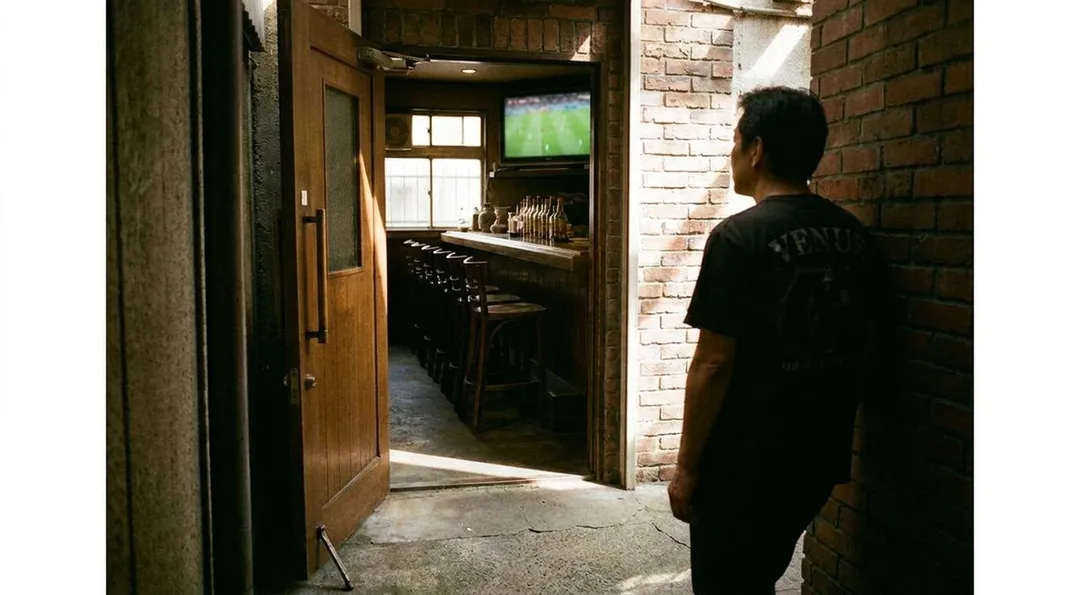
You're not getting a full dinner service here, but the kitchen's awake enough to handle the essentials. Wings come out in a plastic basket, still crackling hot, with sauce on the side in little paper cups. Fries are double-fried and arrive in a pile you didn't expect to finish but somehow do. Someone orders a sandwich and it's the kind that comes wrapped in foil, structural and no-nonsense, built to soak up whatever you've been drinking since the match started.
The prices feel like they're from five years ago, which makes sense because half these spots haven't updated their menus since before the construction boom. You pay in cash and the bartender doesn't bother with the register, just makes change from a pile of bills tucked under the bar mat. It's that kind of place. The food's not the point, but it's good enough that you remember it when you're hungry at the same time next week.
The Venue Crew Trickles In
Around the second half, you start seeing people in all-black everything, boots still clean, lanyards tucked into back pockets. They're stagehands, security, runners—anyone who's got a call time later for the double-header. They order quickly, check their phones, watch ten minutes of the match, then disappear. Some of them know the bartender by name. Others are just killing time in the closest spot with a screen and a seat.
One guy's got a radio clipped to his belt and it crackles occasionally with static and half-sentences. He ignores it until someone says his name twice, then steps outside for a minute. When he comes back, he's scrolling through a group chat and shaking his head. You get the sense that the evening's already starting for him, even though the sun's still high and the scoreboard's only showing first-half numbers. The overlap's real here—the World Cup's the exhale before the inhale.
When the Final Whistle Becomes a Shift Change
The match ends and the room doesn't empty so much as rotate. A few people settle their tabs and head out, replaced by a new wave who've just finished their own opening shifts somewhere else. The bartender switches the channel to something low-stakes, wipes down the bar, starts restocking. The guy in the faded jersey's still here, now talking to someone who just walked in. They're debating a penalty call from two matches ago, voices animated but not loud.
You check the time and realize you've been here longer than you meant to. The sun's angled lower now, slicing through the window in a way that makes the whole room feel amber and tired. Outside, you can see people starting to line up down the street, checking tickets on their phones, adjusting outfits. The night's ramping up, but in here it still feels like the afternoon's holding on for one more round.
Practical Notes
Most of these spots open late morning and stay loose with their schedules, especially on match days. You'll find them clustered near the main drags in Old Fourth Ward, within a short walk of the larger venues. Transit's easy—streetcar and bus lines run frequently, and rideshares know the area well. No reservations, no cover, just walk in and find a seat if there's space. Cash helps, though cards work too. If you're planning to stay through multiple matches, pace yourself—these afternoons turn into evenings faster than you expect, and the neighborhood's energy shifts hard once the doors open down the street.
Tags: #WorldCup2026 #AtlantaNightlife #OldFourthWard #BarCulture #ServiceIndustry #MatchDayAtlanta #BehindTheBar #NeighborhoodSpots #PreShiftRituals #AtlantaHipHop #DiveBarChronicles #ShiftWork #SoccerCulture #ATLEats #LocalWatering
Sources consulted: fifa.com · espn.com · timeout.com
Please drink responsibly. Must be of legal drinking age.
All trademarks are the property of their respective owners.
Ask Karpo for more information.
Keep reading
- Haaland Has Seven Goals and Norway Runs Entirely Through Him
 World Cup Trophy Ceremony Timing Medals and Postmatch Celebrations
 Olise and France's Attack: The Semifinal Tactical Question