 Haaland Has Seven Goals and Norway Runs Entirely Through Him
⚽️2026 FIFA WORLD CUP
World Cup 2026 Games Today and Tomorrow: Your Complete Daily Match Schedule
Never miss a World Cup 2026 match with this daily schedule guide — kickoff times, TV channels, and where to watch every game across all time zones.
The stadium lights pierce through the humid Dallas evening as 80,000 fans create a wall of sound that reverberates across the AT&T Stadium. It's Day 18 of the FIFA World Cup 2026, and the tournament has already delivered moments that will be etched in football history forever. From Kylian Mbappe's stunning hat-trick against Nigeria in Toronto to Brazil's shocking penalty shootout loss to Morocco in Philadelphia, this expanded 48-team format has transformed the World Cup into a month-long festival of football unlike anything we've witnessed before. Today's matches promise to continue that tradition, with quarter-final spots on the line and nations' dreams hanging in the balance across three host countries.
Tournament Momentum Builds Toward Decisive Moments
The World Cup 2026 has reached its crescendo phase, where tactical preparation meets raw emotion and where legends are born in 90-minute intervals. Today's slate features four Round of 16 matches spread across iconic North American venues, each carrying the weight of national expectations and the promise of advancing to the tournament's final week. The unique tri-nation hosting format has created an unprecedented atmosphere, with fans traveling across borders to follow their teams through a journey that spans from Vancouver's BC Place to Mexico City's Estadio Azteca.
England's clash with Colombia at Miami's Hard Rock Stadium headlines today's action, bringing together two teams whose paths to this point couldn't be more different. England dominated Group C with clinical efficiency, while Colombia emerged from a Group F that many considered the tournament's group of death. The tactical chess match between Gareth Southgate and Colombia's Nestor Lorenzo promises to showcase contrasting philosophies, with England's possession-based approach facing Colombia's high-intensity pressing game that has disrupted every opponent they've encountered.
The evening's second marquee matchup sees defending champions France take on a resurgent Japan squad that has captured hearts across North America. Japan's 2-1 victory over Spain in their final group match, sealed by Takumi Minamino's 89th-minute winner at Seattle's Lumen Field, announced their arrival as genuine contenders. Their organized defensive structure and lightning-quick counter-attacks have proven problematic for European sides throughout this tournament.
Mbappe's Quest for Individual Glory Meets Collective Dreams

Kylian Mbappe enters today's France-Japan encounter with six goals in four matches, positioning himself as the tournament's leading scorer and the early favorite for the Golden Boot. His performance against Nigeria showcased not just his lethal finishing ability, but his evolution as a complete player who can create chances for teammates while maintaining his devastating pace on the counter-attack. At 27, this represents Mbappe's prime years, and his determination to lead France to consecutive World Cup titles has been evident in every touch.
Japan's defensive strategy will likely center around containing Mbappe's runs behind the defense, a task that has proven nearly impossible for previous opponents. Hiroki Sakai and Yuto Nagatomo have formed an unlikely but effective partnership at fullback, combining veteran experience with tactical intelligence that has neutralized some of Europe's most dangerous attacking threats. Their ability to track Mbappe's movement while maintaining Japan's compact defensive shape could determine the match's outcome.
The psychological aspect of this encounter cannot be understated. Japan carries the confidence of a team that has exceeded all expectations, while France bears the pressure of a nation expecting nothing less than another World Cup triumph. Mbappe's ability to perform under this pressure, particularly in crucial moments, has defined his career and will be tested against a Japanese team that thrives on disrupting favored opponents' rhythm and confidence.
Stadium Atmospheres Reach Fever Pitch Across Three Nations
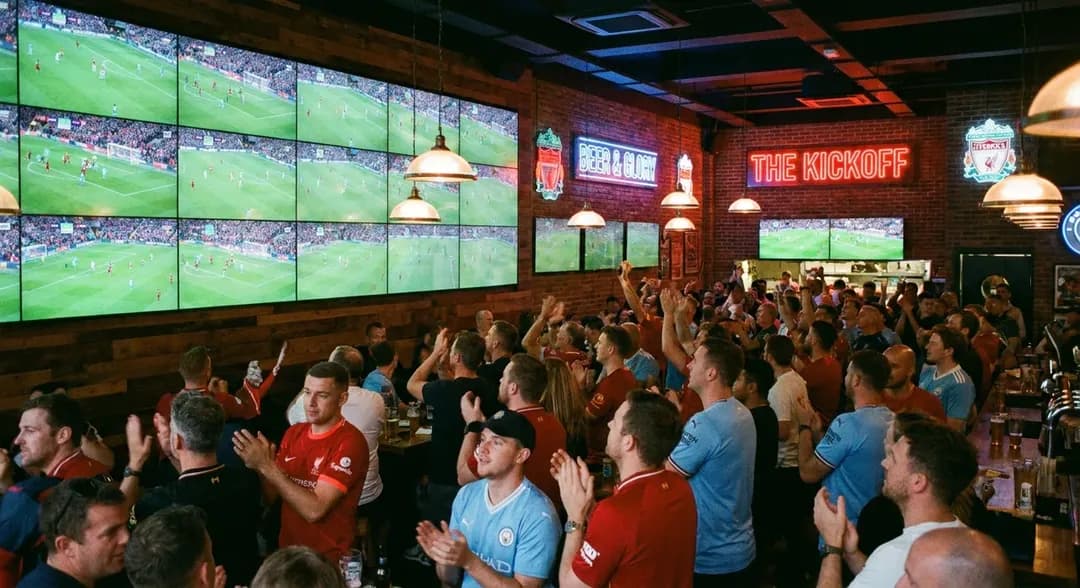
The sensory experience of World Cup 2026 has transcended traditional football fandom, creating cultural celebrations that reflect the diverse tapestry of North American society. Hard Rock Stadium in Miami transforms into a cauldron of South American passion when Colombia takes the field, with an estimated 60,000 Colombian expatriates expected to make the journey to South Florida. Their yellow jerseys create a visual spectacle that rivals any World Cup atmosphere in memory, while their constant singing and drumming provide a soundtrack that energizes players and intimidates opponents equally.
Mexico's continued presence in the tournament has generated euphoric scenes across all three host nations, but nowhere more than in their adopted home venues throughout the American Southwest. Their Round of 16 match against Netherlands at Los Angeles' SoFi Stadium promises to showcase Mexican football culture at its most vibrant, with fan festivals beginning days before kickoff and creating an economic impact that extends far beyond the stadium walls.
The Canadian contingent, though smaller in numbers, has proven equally passionate in their support of the tournament's success. Their organizational efforts in cities like Toronto and Vancouver have set new standards for World Cup hospitality, creating viewing experiences that blend traditional football fandom with uniquely Canadian touches that have impressed visiting supporters from around the globe.
Historical Parallels Shape Modern Expectations

Today's matches evoke memories of World Cup classics that have defined the tournament's legacy over nearly a century of competition. England's encounter with Colombia carries echoes of their 2018 penalty shootout victory, but this Colombian side possesses greater tactical sophistication and individual quality than their predecessors. James Rodriguez's renaissance at 34 has provided creative leadership that transforms Colombia from dangerous underdogs into legitimate contenders capable of matching England's technical quality.
France's dominance since 2018 invites comparisons to Brazil's legendary teams of the 1950s and 1960s, squads that combined individual brilliance with collective understanding in ways that redefined football's possibilities. Their 4-2-3-1 formation provides the tactical flexibility that has become essential in modern international football, while their depth across all positions allows for in-game adjustments that have repeatedly frustrated opponents' strategic preparations.
Japan's journey mirrors the great underdog stories that have punctuated World Cup history, from North Korea's 1966 quarter-final run to Croatia's 2018 final appearance. Their commitment to technical excellence and tactical discipline reflects a football philosophy that has gradually evolved to compete with the world's traditional powers, representing the globalization of football talent and tactical knowledge that defines the modern game.
Key Tactical Battles and Player Matchups to Monitor
The central midfield battle in England versus Colombia will likely determine the match's rhythm and ultimate outcome. England's Declan Rice and Jude Bellingham form a partnership that combines defensive solidity with progressive passing ability, but they face a Colombian midfield led by Wilmar Barrios whose physicality and work rate have disrupted superior opponents throughout this tournament. The ability of either pair to control possession and dictate tempo could prove decisive in a match where both teams prefer to build attacks patiently.
France's defensive transition will be tested by Japan's quick passing combinations in the final third, an area where Les Bleus have occasionally shown vulnerability during this tournament. Raphael Varane's leadership and positioning sense provide stability, but Japan's movement patterns and precise timing on attacking runs have created scoring opportunities against every defense they've faced. The speed of France's defensive recovery when possession is lost will determine whether Japan can convert their chances into goals.
Set piece situations promise to play a crucial role in both matches, with England's height advantage potentially decisive against Colombia's compact defensive structure. Harry Kane's movement in the penalty area during corner kicks has created multiple scoring opportunities throughout the tournament, while Colombia's ability to defend these situations without fousting has been impressive but remains untested against England's aerial prowess and tactical sophistication in dead ball situations.
Practical Notes
All matches today kick off with staggered start times to maximize global television audiences, beginning at 2:00 PM EST with England-Colombia, followed by France-Japan at 6:00 PM EST. Fox Sports maintains exclusive English-language broadcasting rights in the United States, with Telemundo providing Spanish-language coverage. Canadian viewers can access matches through TSN and RDS, while Mexican audiences follow action on Televisa and TV Azteca. Streaming options include Fox Sports App, Peacock Premium, and FIFA's official digital platform for international viewers.
Stadium attendance remains at full capacity across all venues, with secondary ticket markets showing premium pricing that reflects the tournament's popularity. Fan zones in major cities across all three host nations provide free viewing experiences with giant screens, local food vendors, and cultural programming that begins four hours before each match kickoff.
Tags
#WorldCup2026 #FIFA2026 #EnglandvsColombia #FrancevsJapan #Mbappe #WorldCupSchedule #RoundOf16 #FootballToday #SoccerSchedule #WorldCupMatches #FIFA #InternationalFootball
All trademarks, logos, and brand names mentioned are the property of their respective owners.
Want a personalized match schedule based on your time zone, the closest screening venues, and real-time score alerts? Ask Karpo for today's full World Cup lineup, broadcast channel details, and a live route to the best watch spot near you.
Ask Karpo for more information.
Keep reading
- Haaland Has Seven Goals and Norway Runs Entirely Through Him
 World Cup Trophy Ceremony Timing Medals and Postmatch Celebrations
 Olise and France's Attack: The Semifinal Tactical Question