 Haaland Has Seven Goals and Norway Runs Entirely Through Him
⚽️2026 FIFA WORLD CUP
Why Does Little Havana Fill Early When Senegal vs Saudi Arabia Could Be a Farewell?
Little Havana's outdoor cafés hum with anticipation when rumors swirl that a beloved veteran might be playing their last World Cup match on the big screen.
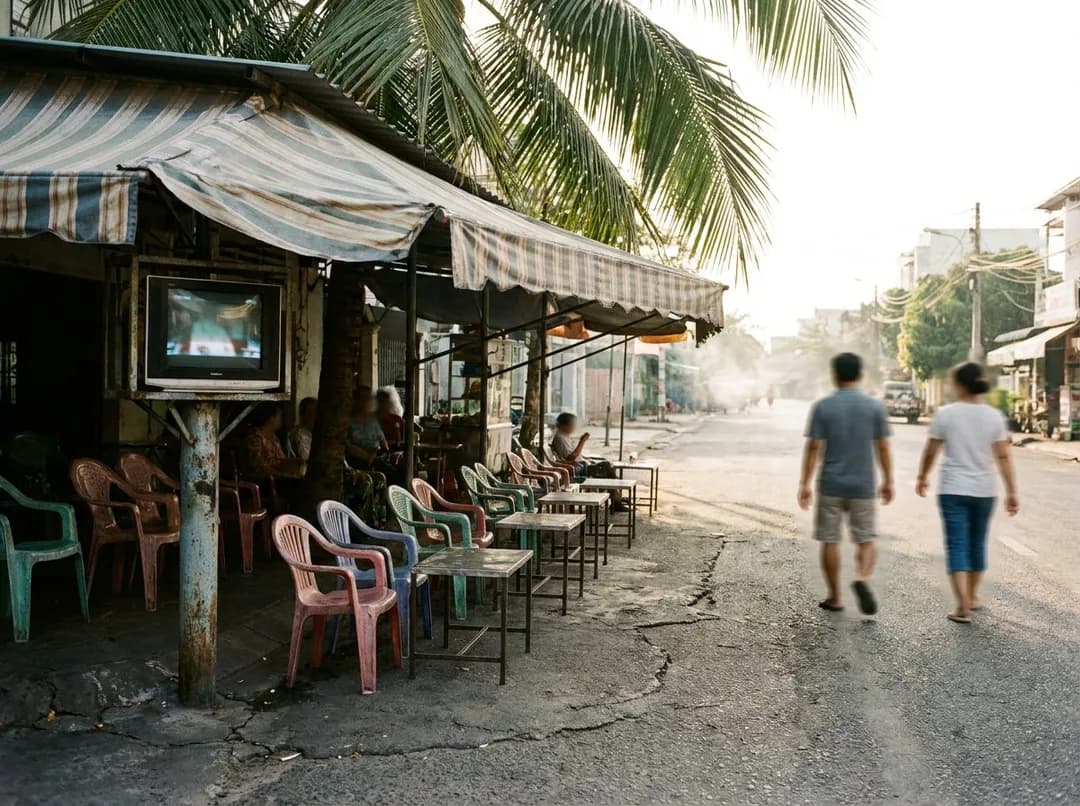
You hear the clatter of dominoes on aluminum tables before you see the crowd. Little Havana doesn't wait for kickoff to fill up—by the time Senegal and Saudi Arabia flicker onto the outdoor screens, every plastic chair along Calle Ocho is already claimed, and the air smells like burnt sugar from the ventanitas pumping out cafecito faster than anyone can count change. The rumor that this might be a veteran's final World Cup appearance does something to the neighborhood, turns casual viewers into devoted witnesses, and suddenly a group-stage match between two teams most Miami fans don't follow becomes the only place to be.
The Cafecito Window That Becomes a Command Center
The ventanita economy shifts into overdrive hours before the match. You watch the same woman order three cortaditos in rapid succession, not because she needs the caffeine but because standing at the window with a tiny cup gives her a reason to stay in the conversation. The guys manning the espresso machines work with assembly-line precision, foam and sugar and dark roast flowing in a rhythm that never breaks even when someone yells a question about the starting lineup. By late morning, the sidewalk outside these walk-up windows is three people deep, everyone tilted toward the nearest screen, and the ventanita becomes less about coffee and more about claiming your spot in the pre-game ecosystem. You notice the regulars don't even order anymore—the cup just appears, the exact sugar ratio memorized, and they're back in the debate about whether this really is the last dance or just manufactured drama.
Where the Jerseys Tell Diaspora Stories

The jerseys scattered through the crowd aren't what you expect. Sure, there's Argentina and Brazil, but you spot Senegal's green and gold on a guy who's been living in Miami since the nineties, and Saudi Arabia's white kit on a family that set up camp under the mango tree two hours early. The World Cup does this thing in Little Havana where national lines blur into something more fluid—you're here for the spectacle, for the possibility of witnessing history, and your actual rooting interest becomes secondary to the collective energy. A woman in a faded Colombia jersey explains to her daughter why this match matters, something about legacy and knowing when to step away, and you realize half the neighborhood is projecting their own immigrant narratives onto a player they've maybe watched twice. The fabric of these jerseys is sun-faded and sweat-stained, the kind of wear that says they've been through multiple tournaments, and that continuity feels important somehow.
The Courtyard That Holds Its Breath
There's a courtyard off the main drag where the sound changes. The street noise—honking, music, vendors—fades just enough that you can hear the commentator's voice clearly, and when something happens on screen, the reaction ripples outward in a wave you can almost see. You're standing near the back, and you watch how the crowd leans forward in unison when the veteran touches the ball, a collective inhale that doesn't release until the play resolves. The tables here are mismatched, some metal, some plastic, one that looks like it was stolen from someone's grandmother's patio, and they're packed so tightly you have to turn sideways to move between them. The light filters through a corrugated plastic roof that's seen better decades, casting everything in a greenish tint that makes the screen colors pop harder. Between plays, someone's grandmother circulates with a tray of pastelitos, not selling them, just distributing them to people she deems worthy, and you don't question the system—you just hope she makes eye contact.
When Fried Food Becomes a Viewing Strategy
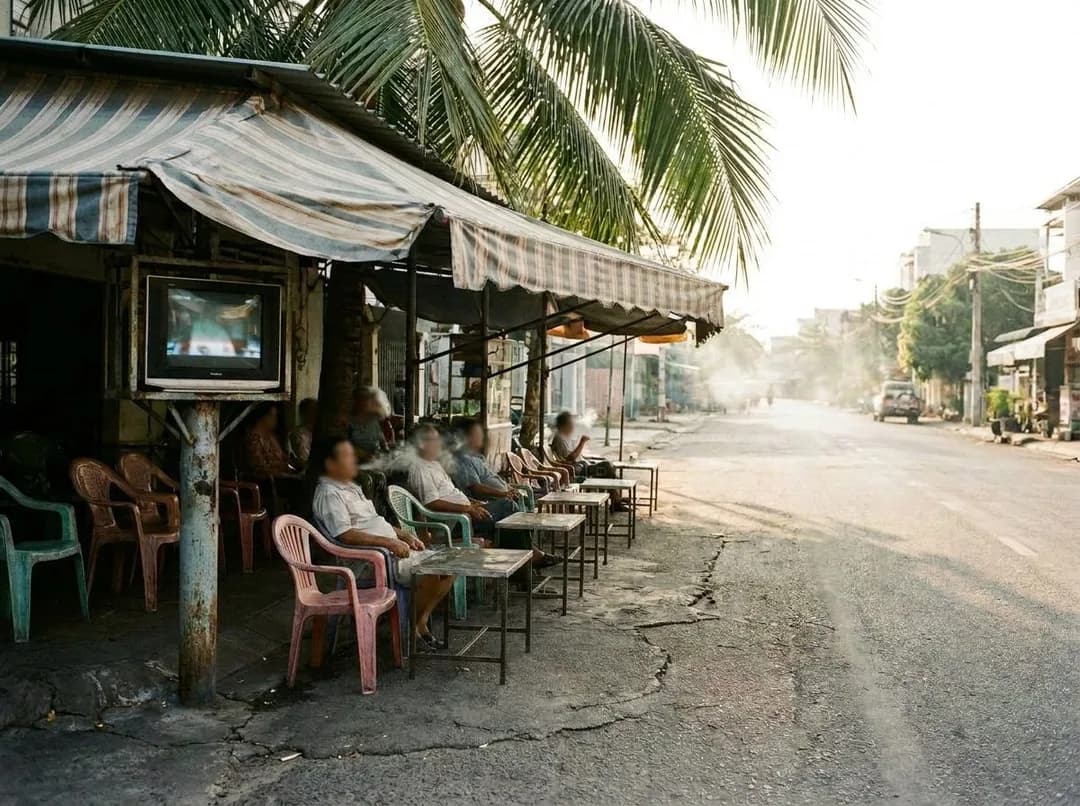
The fry stations are working overtime, and the smell of pork and plantains competes with the coffee for atmospheric dominance. You learn quickly that eating during a World Cup match in Little Havana is a tactical decision—you order during a lull, collect your food in the crinkly paper that immediately starts leaking grease, and you're back in your spot before the next corner kick. The croquetas are small enough to eat in one bite, which matters when you don't want to miss a moment, and the tostones come with a garlic sauce that's aggressive enough to taste through the tension. You watch a guy balance a plate of lechón on his lap while simultaneously filming the screen with his phone and arguing with his cousin about defensive formations, and somehow nothing spills. The vendors know the rhythm of the match without watching it—they can hear the crowd's energy shift and they time their rounds accordingly, appearing with trays of chicharrones right when people remember they're hungry.
The Domino Game That Never Stops
In the corner, a domino game continues regardless of what's happening on screen. These guys have been playing through every World Cup since the tournament existed, and they're not about to let Senegal versus Saudi Arabia interrupt their routine. But you notice they pause, just for a second, when the crowd roars, and one player glances at the screen before slapping his tile down with extra force, as if the game and the match are somehow connected. The sound of dominoes on metal is Little Havana's percussion section, and during tense moments in the match, it's the only sound that persists, a reminder that life here doesn't stop for sports—it just absorbs sports into its existing rhythm. The table is in full sun, no umbrella, and you wonder how they stand the heat, but then you see the rotating system of cafecito cups and realize they're running on pure Cuban espresso and stubbornness.
Why Farewells Feel Different Here
The veteran's rumored last match hits differently in a neighborhood built on people who left things behind. You overhear conversations that start about soccer and end up somewhere else entirely—someone's father who never went back, a cousin who retired from a completely different profession, the weight of knowing when something's finished. Little Havana understands finality in a way that makes even a group-stage match feel significant, and by the time the final whistle blows, regardless of the result, there's a moment of collective silence that has nothing to do with the score. Then someone cranks the music back up, the domino games get louder, and the neighborhood returns to its baseline hum, but you saw it—that brief acknowledgment that endings matter, even for athletes you don't know playing for teams you don't follow.
Practical Notes
The outdoor viewing spots along Calle Ocho don't require reservations, but arriving a few hours early for major matches is standard practice. The ventanitas open early and stay open late, running on a cash-preferred system. Street parking is a negotiation with the universe—side streets a few blocks off the main strip are your better option, or you take the bus and skip the stress entirely. The crowds are family-friendly during day matches, though the energy intensifies as the sun drops. Most places showing the match will have Spanish commentary as default, and the food vendors operate on a roaming basis, so keep small bills handy. The neighborhood's viewing culture is participatory—you're expected to react, to care, to be part of the collective experience, even if you just wandered in curious.
Tags: #2026FIFAWorldCup #LittleHavana #Miami #WorldCupViewing #SoccerCulture #CalleOcho #CubanCoffee #DiasporaStories #StreetFood #OutdoorViewing #NeighborhoodCulture #SportsRituals #MiamiLocal #WorldCupFarewell #VentanitaLife
Sources consulted: fifa.com · miamiherald.com · timeout.com
All trademarks are the property of their respective owners.
Ask Karpo for more information.
Keep reading
- Haaland Has Seven Goals and Norway Runs Entirely Through Him
 World Cup Trophy Ceremony Timing Medals and Postmatch Celebrations
 Olise and France's Attack: The Semifinal Tactical Question