 Haaland Has Seven Goals and Norway Runs Entirely Through Him
⚽️2026 FIFA WORLD CUP
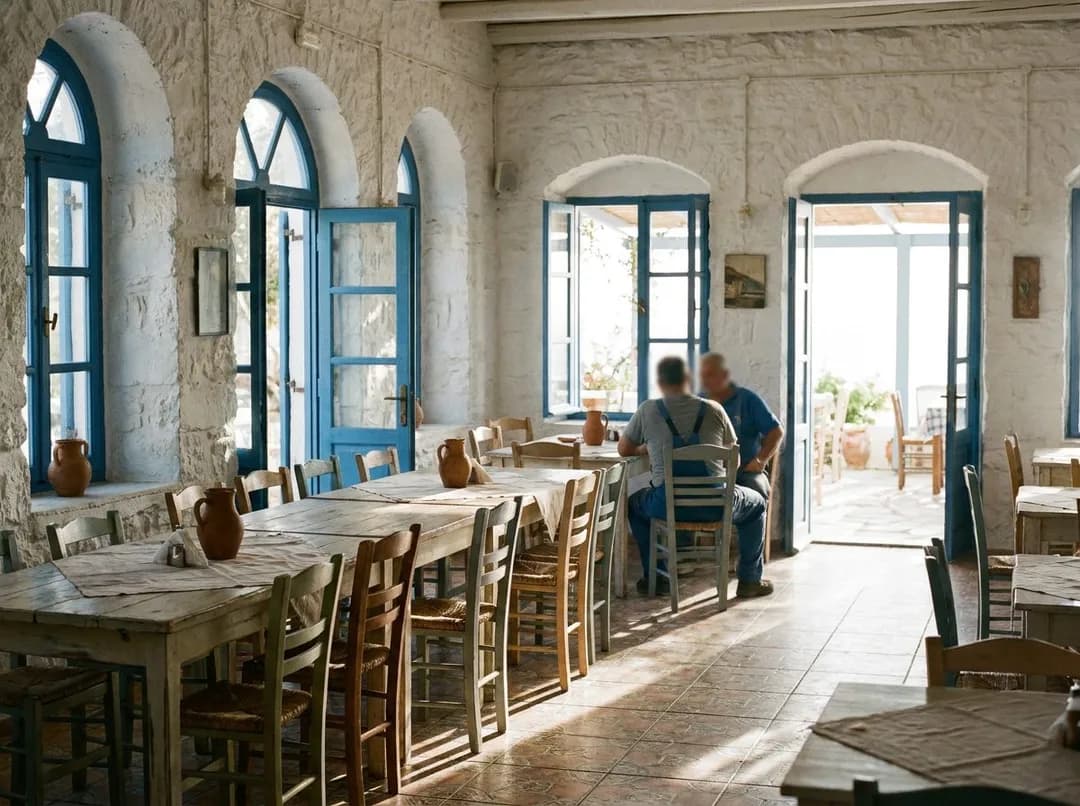
Why Does Astoria's Greek Taverna Fill Before Dawn for World Cup 2026 Group Stages?
European kick-off times mean breakfast souvlaki and coffee spiked with Metaxa for fans who treat early rounds like a month-long festival.
You walk into a Greek taverna in Astoria at five-thirty in the morning and the place is already half full, windows fogged from body heat and espresso steam, someone's uncle yelling at a screen mounted above the pastry case. This is June 2026, and the World Cup group stages kick off at hours that turn breakfast into a contact sport. The Hellenic social clubs along 30th Avenue have been preparing for this since the brackets dropped—not with reservations or ticket lotteries, but with extra cases of Mythos and a handshake agreement that nobody leaves until the final whistle, no matter whose shift starts at nine.
The Geometry of a Room Built for Shouting
The taverna you want sits mid-block where the residential stretch gives way to storefronts with hand-painted signs. Inside, the ceiling tiles are nicotine-yellow even though nobody's smoked indoors in decades, and the tables are so close together you're basically sitting in someone else's conversation. By five-fifteen, the regulars have claimed the corner near the kitchen pass—close enough to smell the lamb fat rendering, far enough from the screen that they can argue without the commentators drowning them out. The owner's nephew props the door open with a milk crate even when it's forty degrees outside, because once thirty people start jumping during a penalty kick, you need somewhere for the heat to go. You learn quickly that the best sight lines are from the counter stools along the window, where you can watch both the match and the street filling up with people in scarves that have nothing to do with the weather.
What Arrives on Your Table Before Kickoff
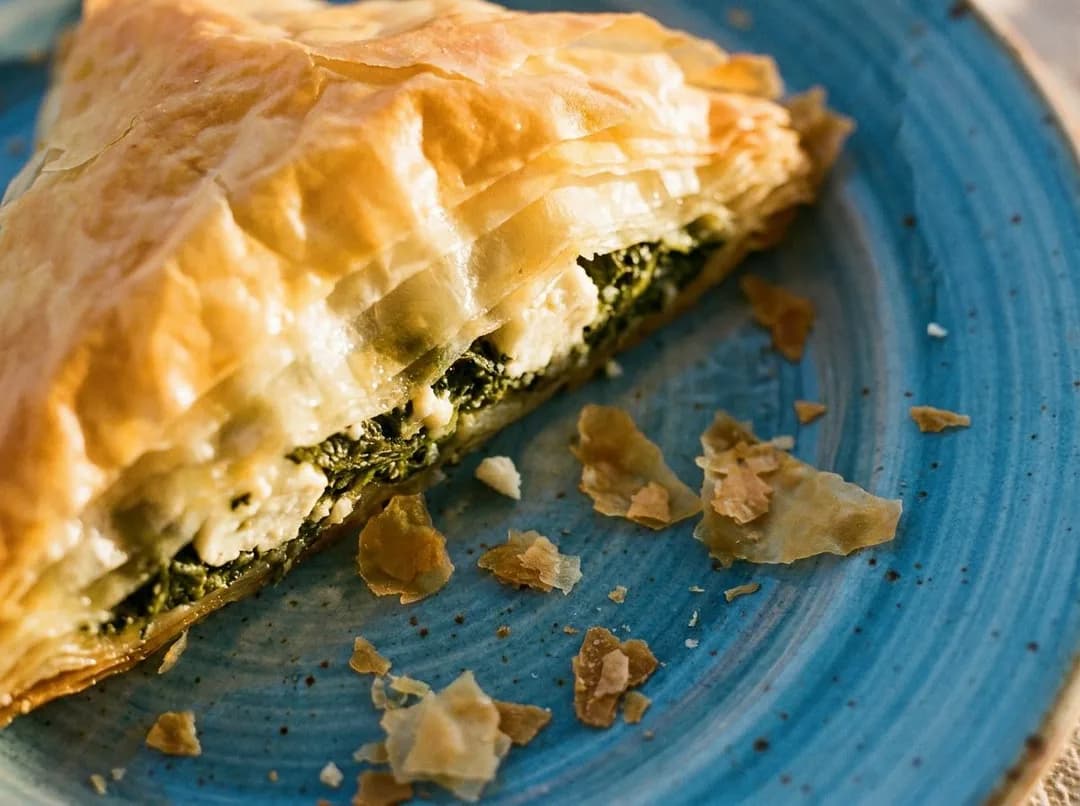
The menu doesn't flip to lunch until eleven, but the kitchen's already working through a second hotel pan of pork shoulder by the time the anthems play. You order tyropita and it comes out so hot the cheese is still bubbling through the phyllo, grease pooling in the wax paper like it's supposed to. The souvlaki isn't the dinner version—it's breakfast-sized, two skewers with pita that's been on the flattop just long enough to get those dark spots, plus a fistful of tomatoes and onions that haven't been anywhere near a refrigerator. The Greek coffee is sludgy and comes in cups the size of shot glasses, which is deliberate, because the guy two seats over is going to offer you Metaxa to pour into your second cup whether you asked or not. It's not about getting drunk—it's about the ritual of it, the same way people spike their coffee at tailgates. The pastry case stays full until halftime, then empties in eight minutes flat.
How the Crowd Sorts Itself by Kick-Off Time
The first match of the day pulls the Greek-Americans who still have family in Thessaloniki and check the Athens scores before the Yankees. They arrive in twos and threes, claim tables like they're assigned seats, and they don't need to say much because they've been doing this since the Euros. By the second match, you get the younger crowd—people who moved to Astoria for the rent and stayed for the bougatsa, who wear jerseys from countries they've never visited but whose players they follow on social media. They're louder, more willing to cheer for chaos, and they're the ones who start the betting pools on napkins. The third match, if there is one, belongs to whoever's still standing and whoever just got off a night shift in Manhattan. The energy doesn't drop—it pivots. Someone puts on a playlist between games and suddenly you're in a room where half the people are dancing and the other half are eating kolokythokeftedes like it's a normal Thursday.
The Unspoken Economy of Holding Your Seat
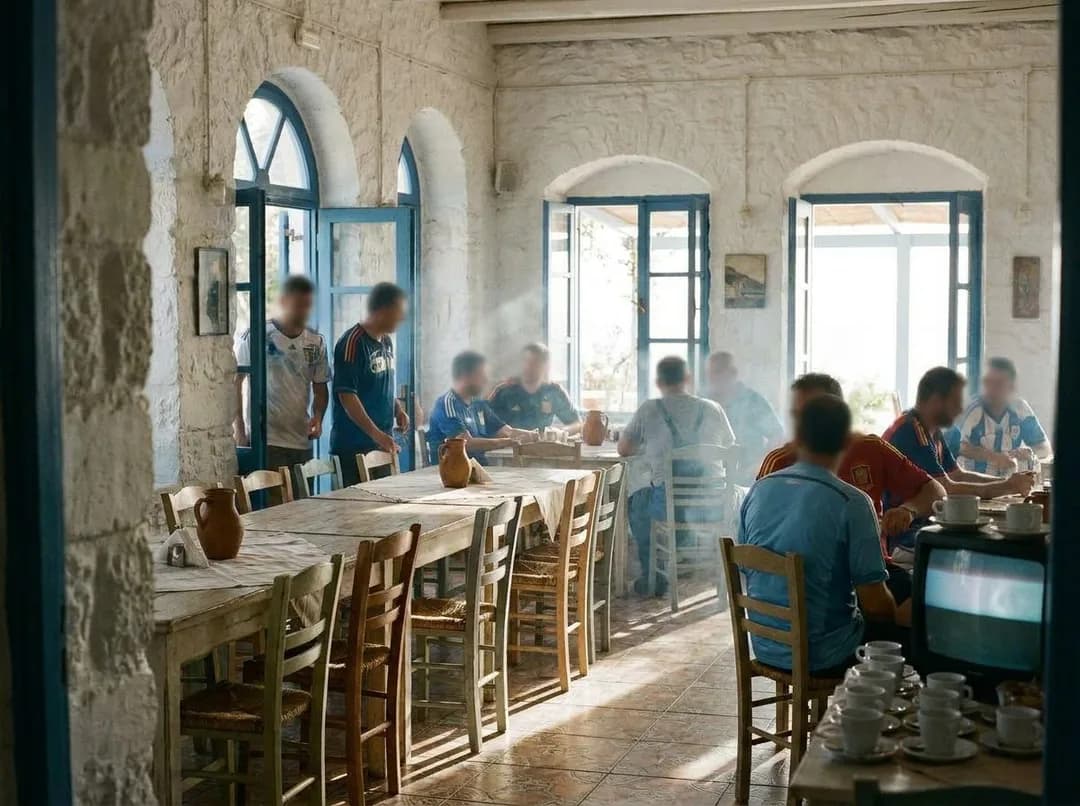
You don't leave your table during a match unless you're coming back in under two minutes, and even then you drape your jacket over the chair like a flag. The bathrooms are single-occupancy and there's always a line, which means you time your trips for goal kicks or when the ball's in the defensive third and nothing's happening. If you disappear for a full half, your seat gets absorbed by the group next to you—it's not personal, it's just physics. The people who stay from the first whistle to the last have worked out a barter system: you buy a round of freddo espressos, someone else orders another round of loukaniko, and by the time the check comes it's been split so many ways nobody's exactly sure who owes what. The staff doesn't rush you, but they'll stop refilling your water after a certain point, which is the taverna equivalent of last call.
Why the Kitchen Smells Different at This Hour
Most mornings the kitchen is running on autopilot—spanakopita in the oven, rice pudding in the steam well, maybe some grilled octopus if they're feeling ambitious. World Cup mornings, the line cooks are working through proteins like they're catering a wedding. You smell the charcoal from the souvlaki station mixing with the yeasty funk of proofing dough, and underneath it all there's the burnt-sugar smell of honey getting drizzled over loukoumades faster than the fryer can keep up. The hood vents are working overtime and there's a haze in the air that makes the overhead lights look softer than they are. Someone's always frying potatoes—not the frozen kind, actual potatoes that were whole an hour ago—and the sound of them hitting the oil is a backbeat to whatever's happening on screen. By nine a.m., the kitchen's put out more food than they'd normally serve by lunch, and the dish pit is a Jenga tower of plates that nobody has time to deal with until halftime.
The Aftermath Geography of a Month-Long Event
This isn't a one-morning thing. The group stage runs for two weeks, and the knockout rounds stretch the whole affair into late June. By the second week, the taverna starts to feel like a clubhouse—same faces, same tables, inside jokes that only make sense if you were there when someone's cousin spilled an entire Greek salad during a VAR review. The staff stops asking what you want and just brings it. The guy who does HVAC in Sunnyside shows up in a different jersey every match, and people start rating them. Someone tapes up a bracket on the wall near the bathroom and it's covered in annotations and arrows by the time the quarterfinals hit. You see people making plans around match times, swapping shifts, calling in sick in a way that's not exactly sick. The neighborhood starts to feel like it's operating on a separate timezone, where the day begins whenever the first whistle blows and everything else is just filler.
Practical Notes: Timing, Transit, and the Reality of Getting In
The taverna doesn't take reservations for World Cup mornings, and the door opens about forty minutes before the earliest kickoff. If you're coming from Manhattan, the N or W train will get you there, but you want to be walking up 30th Avenue by five at the latest if you're hoping for a table. Expect to pay what you'd pay for a diner breakfast, maybe a little more if you're drinking. The kitchen runs continuously from early morning through mid-afternoon on match days, and they don't stop serving between games. If the place is full, there are two other spots within a three-block radius that pull the same crowd—you'll know them by the noise. Bring cash. The ATM inside works about sixty percent of the time.
Tags: #WorldCup2026 #AstoriaQueens #GreekTaverna #BreakfastSouvlaki #EarlyKickoff #NYCFootball #QueensEats #DiasporaCulture #WorldCupWatch #SoccerMornings #AstoriaLife #GreekCoffee #FIFACulture #GroupStageVibes #30thAvenue
Sources consulted: fifa.com · espn.com · timeout.com
Please drink responsibly. Must be of legal drinking age.
All trademarks are the property of their respective owners.
Ask Karpo for more information.
Keep reading
- Haaland Has Seven Goals and Norway Runs Entirely Through Him
 World Cup Trophy Ceremony Timing Medals and Postmatch Celebrations
 Olise and France's Attack: The Semifinal Tactical Question