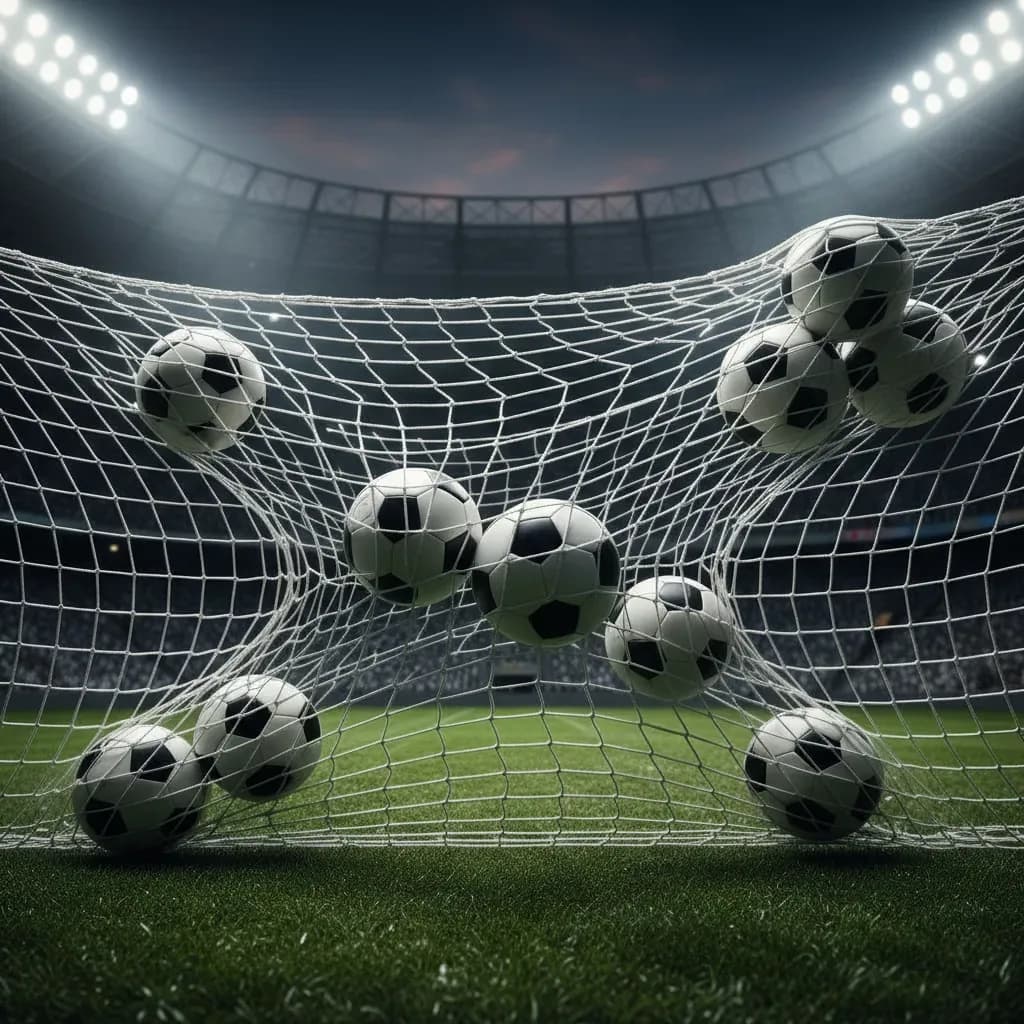
 Haaland Has Seven Goals and Norway Runs Entirely Through Him
⚽️2026 FIFA WORLD CUP
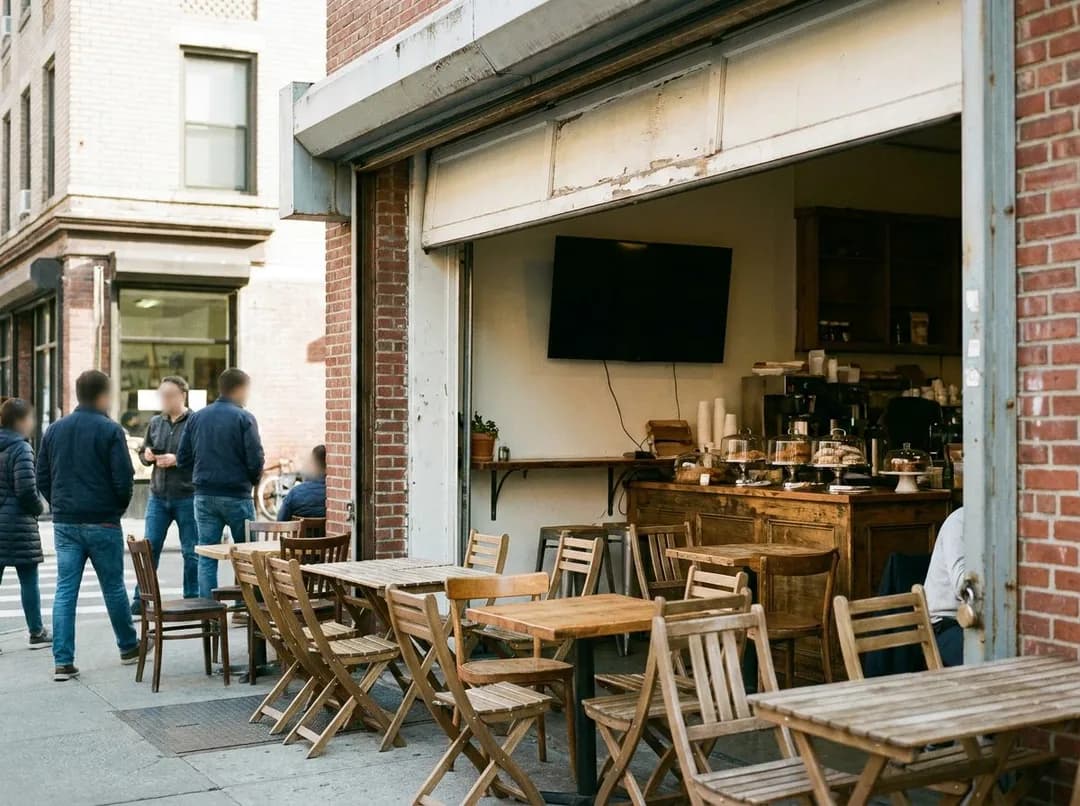
Which Mission Spots Honor a Legend's Last Run During Senegal vs Saudi Arabia in Mission District?
A muraled cafe where West African and Arab communities share screens and strong coffee, watching a beloved veteran's final World Cup with bittersweet pride.
The Corner Where Two Continents Meet Over a Final Match
You find the place by following the scent of cardamom and burnt sugar down a Mission side street where murals shift from Aztec warriors to West African adinkra symbols within three storefronts. The cafe sits wedged between a panadería and a phone repair shop, its windows fogged from the espresso machine that's been running since dawn. Inside, green and white jerseys mix with green and gold, and the air tastes like anticipation cut with cinnamon. This is where Senegalese taxi drivers and Saudi students gather to watch a veteran forward take his last bow on the world stage, and nobody pretends the ending will be anything but bittersweet.
When the Projector Goes Up Before Lunch Service

The owner starts transforming the space around late morning, pushing tables toward the walls to angle sightlines toward the projection screen that drops from the ceiling like a theater curtain. You'll notice how the regulars arrive in waves—first the early shift workers still in their uniforms, then the students with laptops they won't open, finally the families who stake out the corner booths. The projector hums at a frequency you feel in your chest before kickoff. Someone always brings a backup HDMI cable, coiled in their jacket pocket like rosary beads, because the streaming setup has failed before and nobody's willing to risk missing a minute. The wooden chairs scrape against worn tile in a rhythm that sounds like shuffling feet in a stadium you'll never visit.
The Menu That Speaks Two Dialects of Home
Order the café touba if you want to understand why half the room showed up an hour early—Senegalese coffee spiked with Guinea pepper and cloves that makes your standard espresso taste like dishwater. The Saudi contingent gravitates toward cardamom-heavy Turkish coffee served in cups small enough to cradle in your palm, the grounds settling thick at the bottom like sediment in a river. Pastries arrive on mismatched plates: chewy tamiya next to crispy pastels stuffed with fish, baklava sharing space with thiakry pudding. You pay what feels low-key cheap for the quantity, and the kitchen works through match time without pause, the cook's knife hitting the cutting board in percussion with the commentator's rising voice. Steam from the couscous pot clouds the pass-through window between kitchen and dining room, and you catch glimpses of hands moving fast, feeding a crowd that eats like they're at someone's house.
The Mural That Watches the Watchers
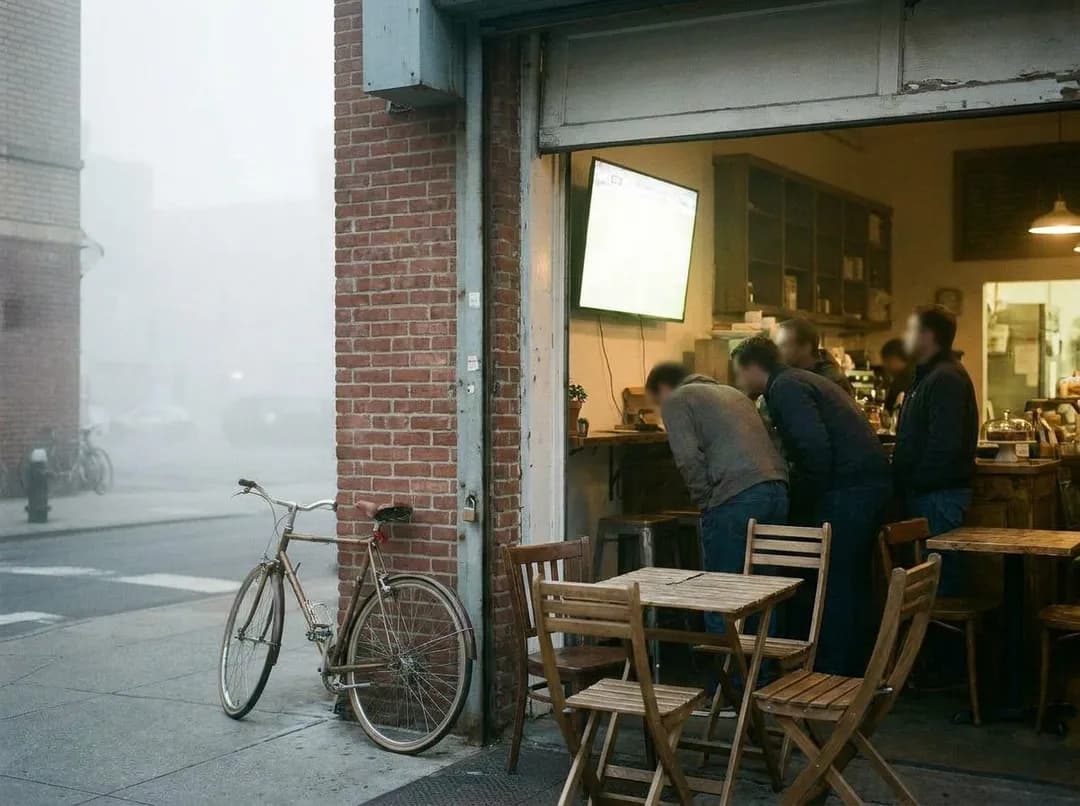
The back wall carries a piece that went up a few years ago—a player mid-stride, jersey number blurred into abstraction, ball at his feet rendered in gold leaf that catches light from the street. Local artist, commissioned during a flush season when the cafe could afford to think about permanence. You'll see people touch it for luck before big matches, fingertips grazing the painted grass. During this particular game, when the veteran in question appears on screen, someone always glances back at the mural as if checking whether art predicted this moment. The painting doesn't depict anyone specific, but that's the point—it holds space for every player who ever carried a nation's hopes on their shoulders and knew the weight would eventually break them. The wall absorbs decades of cigarette smoke and coffee steam, the mural's colors deepening like a photograph left in sun.
How the Room Breathes as One Organism
You feel the collective inhale when the veteran touches the ball in the opening minutes, his first touch heavy with the knowledge that this tournament marks his exit. The Senegalese supporters lean forward in their chairs, and the Saudi fans mirror the movement, because everyone in this room understands what it means to watch greatness wind down. Someone's grandmother clicks her tongue in approval at a particularly elegant pass. A teenager translates commentary from Arabic to Wolof for his uncle who nods without taking his eyes off the screen. The energy shifts with every possession—groans that sound like prayer, cheers that rattle the light fixtures, silence so complete you hear traffic on the street outside. When the veteran nearly scores, the room erupts in a noise that's half celebration, half mourning, because a goal would have been perfect and everyone knows perfect doesn't happen in final chapters.
The Halftime Ritual Nobody Explains to Newcomers
When the whistle blows for the break, people don't scatter to their phones like in sports bars across the city. Instead, someone turns down the volume and the room fills with conversation that flows between languages without pause. You'll see men standing in tight circles, hands gesturing through tactical analysis that requires no shared tongue. Women gather near the counter, passing around plates of food that weren't ordered but appear anyway, communal by instinct. The bathroom line moves slowly because people stop to talk in the narrow hallway, blocking traffic without apology. If you're new, someone will offer you tea and ask where your people are from, and the question isn't intrusive—it's an invitation to explain which heartbreak brought you here. The second half whistle feels like an interruption to something more important than the match itself.
Where the Myth Lives After the Final Whistle
The game ends the way these stories always end—the veteran walks off to applause that sounds tinny through television speakers, his face a mask of professional composure cracking at the edges. In the cafe, people don't leave immediately. They sit with their empty cups, replaying moments in conversation, arguing about what the legacy means and whether one more tournament would have changed anything. Someone starts a chant that peters out after a few bars, too sad to sustain. The owner doesn't rush anyone out, even as the lunch rush that never materialized would have filled these seats with different customers. You'll find people still there an hour later, two hours later, watching highlights on their phones and showing each other clips like evidence in a case they're trying to solve. The mural on the back wall looks different now, or maybe you're just seeing it through the residue of communal grief. Outside, the Mission continues its regular programming—buses running their routes, murals holding their ground against time, communities finding corners where their particular flavor of nostalgia can breathe.
Practical Notes
The cafe operates throughout the day, opening early enough to catch European kickoff times and staying open well into evening. You'll find it on the eastern edge of the Mission, close enough to BART that you can walk from the station without much trouble. No reservations for match days—it's first-come seating, and people arrive early for important games. Expect a crowd that spills onto the sidewalk during major tournaments. The space holds maybe forty people comfortably, sixty when nobody cares about comfort. Cash is easiest, though they take cards when the system cooperates. The coffee costs less than your usual spot, and the food comes in portions sized for sharing. Street parking is a fantasy, but the bus lines run frequently. If you're coming for a specific match, show up at least an hour before kickoff to claim a seat with a sightline. The neighborhood's safe during daylight, and the cafe's presence means there's always foot traffic, always eyes on the street.
Tags: #2026FIFAWorldCup #MissionDistrict #SanFrancisco #SenegaleseCommunity #SaudiCommunity #WorldCupCulture #DiasporaSports #WestAfricanFood #ArabicCoffee #SportsBar #CulturalFusion #MissionMurals #SoccerCulture #LegacyMatches #CommunitySpaces
Sources consulted: fifa.com · espn.com · timeout.com
All trademarks are the property of their respective owners.
Ask Karpo for more information.
Keep reading
- Haaland Has Seven Goals and Norway Runs Entirely Through Him
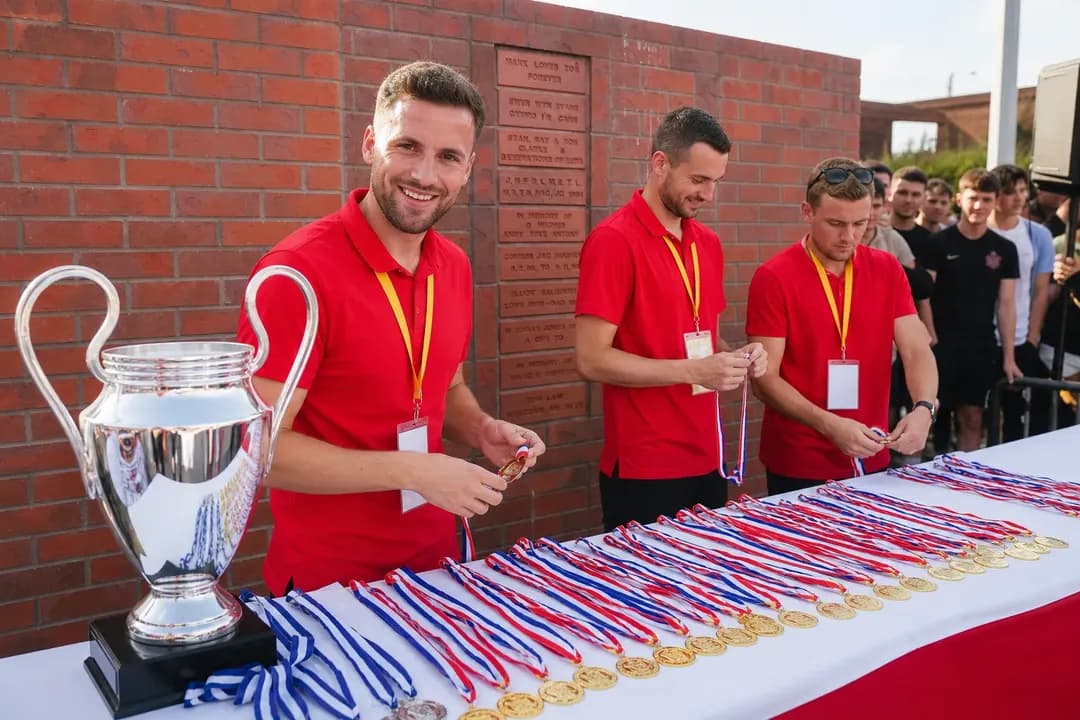 World Cup Trophy Ceremony Timing Medals and Postmatch Celebrations
 Olise and France's Attack: The Semifinal Tactical Question