 Haaland Has Seven Goals and Norway Runs Entirely Through Him
⚽️2026 FIFA WORLD CUP
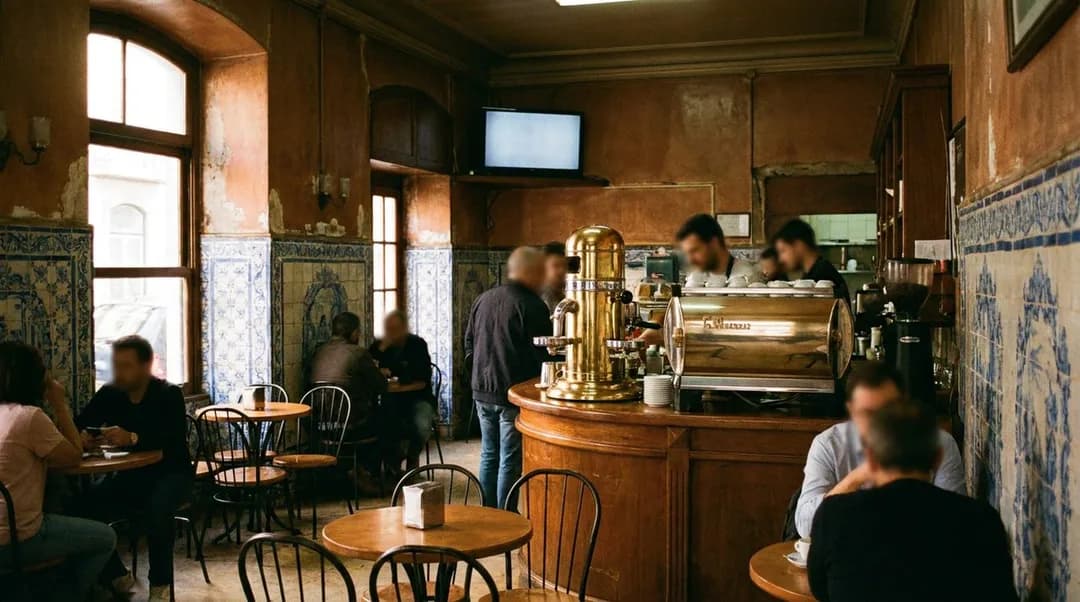
Which Little Portugal Spot Is Broadcasting the USWNT Match Tonight?
Cafes used to European football adjust their evening programming as American expats and curious locals claim tables for the national team's kickoff.
The Shift Happens Around Four in the Afternoon
You walk past the same Portuguese bakeries and espresso counters that have anchored Dundas West for decades, but something's different tonight. The chalkboard signs that usually advertise custard tarts and bica now mention kickoff times. Inside cafes where elderly men normally debate Benfica's midfield over afternoon coffee, American accents are claiming window tables two hours early. The 2026 World Cup has turned Little Portugal into a negotiation between old rhythms and new crowds, and tonight's USWNT match is the test case for which spots are leaning in.
Where the Espresso Machine Competes With the Commentary
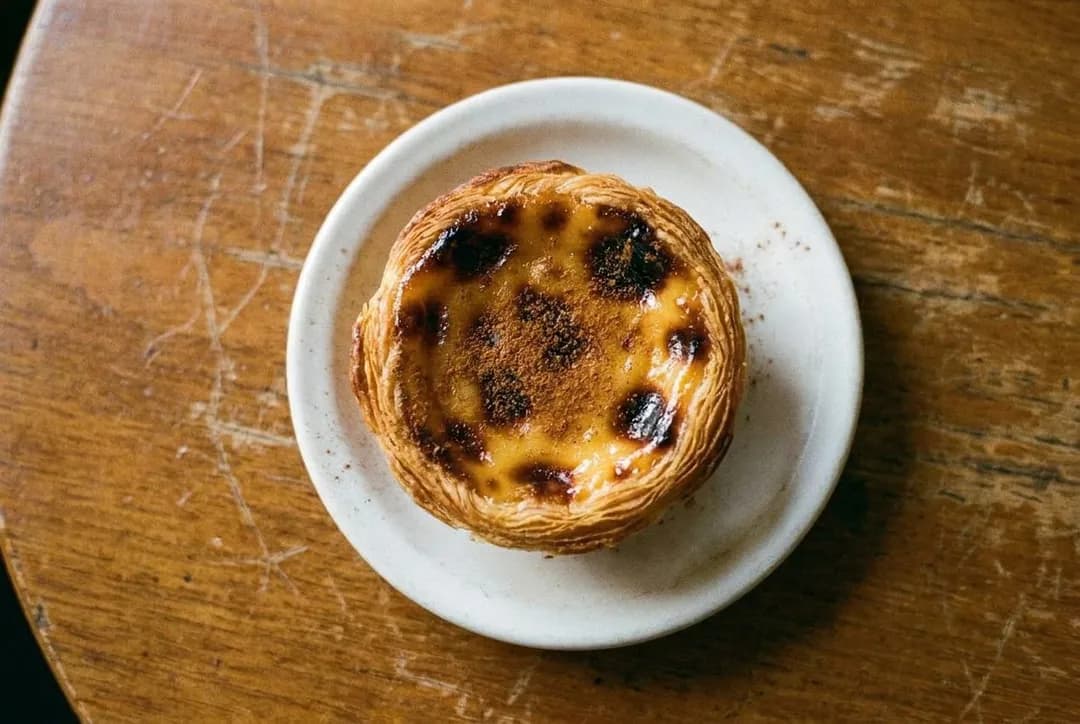
The smaller Portuguese cafes along Dundas have mounted flatscreens that look almost apologetic next to their vintage tile work and religious iconography. One spot near Ossington keeps the volume low enough that you can still hear the hiss of the espresso machine, which means the American supporters clustering near the bar have to lean close and read lips during buildup play. The owner hasn't changed the pasteis de nata schedule—they come out of the oven at the same mid-afternoon hour they always have, which means the room smells like caramelized custard and burnt sugar right as people start filing in with their team scarves. You can order a galão and a tart for pocket change and stay through both halves if you're not taking up a four-top alone. The regulars haven't fled entirely—they've just moved to the back tables where they can ignore the screen and continue their own conversations in Portuguese, occasionally glancing up when the room erupts.
The Bar That Already Knew How to Do This
There's a Portuguese-Canadian bar closer to Dovercourt that's been broadcasting European matches since long before anyone cared about World Cup hosting duties. The difference tonight is the demographic tilt. Instead of the usual Sporting CP faithful, you're seeing Michigan and California transplants who've lived in Toronto just long enough to know this neighborhood exists. The bar hasn't adjusted its food menu—it's still grilled sardines and piri-piri chicken, still served on the same heavy ceramic plates—but they've added a few American lagers to the beer list without making a fuss about it. You sit at the long communal tables and end up shoulder-to-shoulder with someone's cousin visiting from Ohio and a regular who remembers when this stretch was all factory workers. The lighting is dim enough that the screen becomes the room's main source of illumination once the sun drops, faces flickering blue-white with every camera cut.
The Cafe That's Hedging Its Bets
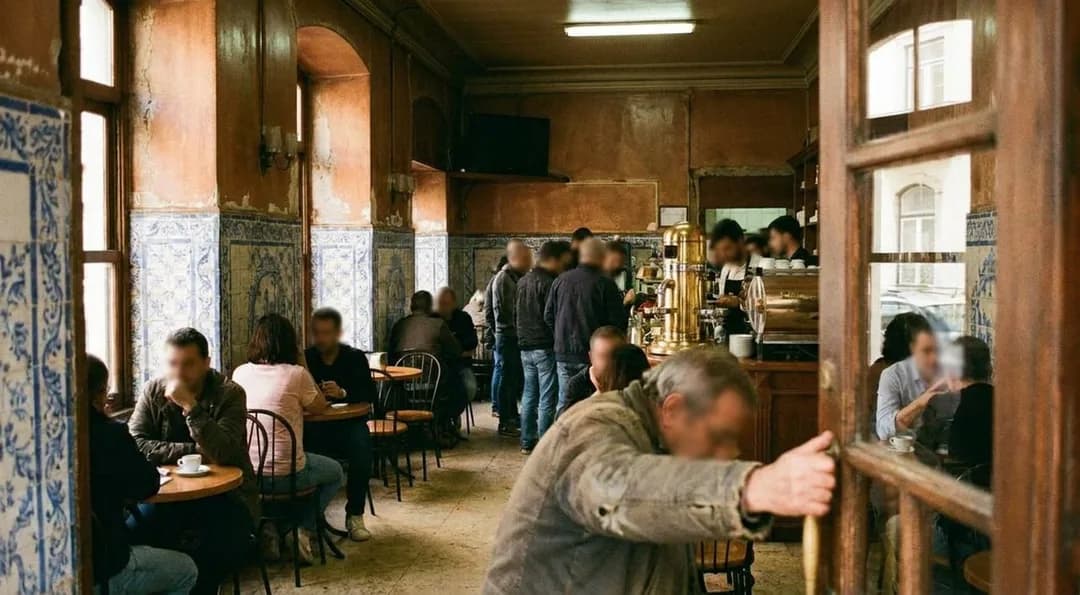
One spot has split its screen real estate. The main television shows the USWNT match with English commentary, while a smaller monitor in the corner runs a Portuguese league replay from earlier in the week. It's a diplomatic solution that satisfies no one completely but keeps both crowds in the room. You notice the staff toggling the audio back and forth depending on which game hits a critical moment—a corner kick here, a penalty appeal there. The menu is handwritten on butcher paper and changes based on what's available, which tonight means a lot of salt cod preparations and a soup that tastes like it's been simmering since morning. The tables are close enough that conversations bleed together, and you catch fragments about defensive formations and someone's upcoming wedding and whether the streetcar is faster than walking at this hour. The bathroom line gets long right before halftime, and everyone's doing the awkward dance of trying not to miss anything while also needing to move.
Where the Projection Screen Appeared Last Week
A newer cafe-bar hybrid closer to the Lansdowne intersection installed a pull-down projection screen specifically for tournament season. The space used to be a textile shop, and you can still see the industrial bones—exposed brick, high ceilings, that particular echo that comes from rooms not originally designed for crowds. They're serving Portuguese-inspired small plates with a contemporary tilt, things that involve smoked paprika and pickled vegetables and bread you're meant to share. The crowd here skews younger and louder, people who moved to Little Portugal in the last five years and treat the neighborhood like a discovery rather than an inheritance. Someone's brought a small American flag that's draped over a chair back. The projection makes the game feel larger and slightly unreal, the players enormous against the brick, their shadows stretching across tables when they move across the screen. You can hear the game from the sidewalk when someone props the door open to manage the heat from too many bodies in a room without sufficient ventilation.
The Takeout Window Strategy
Not everyone wants to commit to a full evening inside. A Portuguese chicken spot that's mostly known for takeout has set up a small standing area near their front window where you can watch through the glass while eating from a container balanced on the narrow ledge they've cleared. It's not comfortable, but it's free and you can leave whenever the match turns boring or lopsided. The chicken comes with fries and a vinegar-forward slaw, and the piri-piri sauce has enough heat that you're reaching for napkins every few minutes. You're standing next to delivery drivers waiting for orders and people who just got off work and haven't made it home yet. When something significant happens on screen, the reaction ripples out to the sidewalk—you know the game's momentum has shifted before you even see the replay. The light from inside spills onto Dundas in a warm rectangle, and the smell of charcoal and garlic follows people half a block in either direction.
What Happens After the Final Whistle
The crowds don't vanish immediately when the match ends. People linger over empty glasses and picked-over plates, the conversation shifting from tactical analysis to weekend plans and transit routes home. The Portuguese cafes will return to their regular programming tomorrow—morning pastries and afternoon espresso and evening news in a language most of the USWNT crowd can't follow. But the infrastructure is in place now, the screens mounted and the evening hours extended and the staff trained in managing rooms that suddenly double in capacity. You walk back out onto Dundas and the neighborhood looks the same as it did before kickoff, but the chalkboards are already being updated for the next match, and the tables near the windows are the first to fill.
Practical Notes
Most spots in Little Portugal don't take reservations for match screenings—you arrive early or you stand. The cafes closer to Ossington tend to fill first, while the bars near Dovercourt have slightly more space. Transit is straightforward with the streetcar running along Dundas, though expect delays right after final whistle when everyone leaves simultaneously. Some of the smaller Portuguese cafes are cash-preferred, so plan accordingly. Kickoff times vary throughout the tournament depending on match scheduling, but the neighborhood has adjusted to evening broadcasts even though that's not traditional hours for the older establishments. If you're planning to stay for a full match, ordering food is expected—nursing a single coffee for two hours won't endear you to staff managing waitlists.
Tags: #LittlePortugal #TorontoEats #FIFAWorldCup2026 #USWNT #DundasWest #PortugueseCafe #SoccerCulture #TorontoNeighborhoods #WorldCupTO #MatchDay #LocalGems #TorontoFood #ExpatsAbroad #NeighborhoodGuide #TorontoLife
Sources consulted: fifa.com · espn.com · timeout.com
Please drink responsibly. Must be of legal drinking age.
All trademarks are the property of their respective owners.
Ask Karpo for more information.
Keep reading
- Haaland Has Seven Goals and Norway Runs Entirely Through Him
 World Cup Trophy Ceremony Timing Medals and Postmatch Celebrations
 Olise and France's Attack: The Semifinal Tactical Question