 Haaland Has Seven Goals and Norway Runs Entirely Through Him
⚽️2026 FIFA WORLD CUP
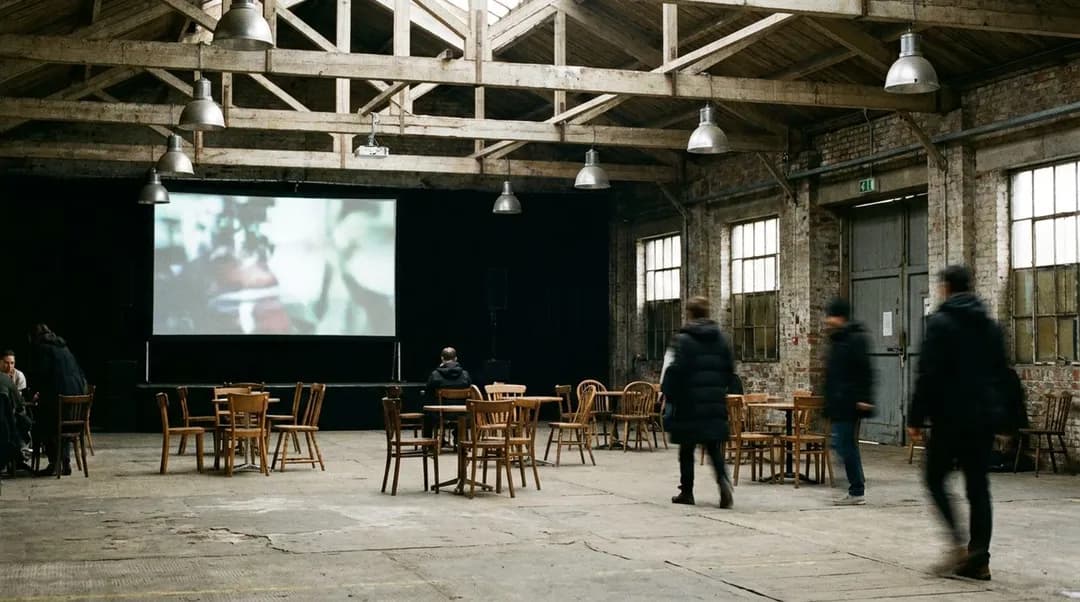
Which Deep Ellum Venue Is Showing Argentina vs Iceland Tonight?
Music venues pivot to sports-bar mode for the evening, their sound systems and projectors repurposed for a match that fills the usual concert crowd.
You can watch tonight's Argentina versus Iceland match in a room that usually smells like amplifier dust and spilled IPA, where the stage lights now illuminate a projection screen instead of a drum kit. Deep Ellum's music venues have quietly become some of the neighborhood's best places to watch World Cup matches, not because they're trying to be sports bars, but because their sound systems were built to rattle your sternum and their crowds already know how to lose themselves in collective momentum. The bartenders who normally pour drinks between sets are doing the same thing tonight, just with different rhythms dictating the rush.
The Projector Hangs Where the Cymbals Usually Crash
Walk into most Deep Ellum venues on a typical night and you're navigating around monitor wedges and guitar cases. Tonight those same stages hold projection equipment pointed at screens that unroll like theater curtains. The sound engineers who normally mix live bands have recalibrated for broadcast audio, which means every whistle cut and commentator's breath comes through with unsettling clarity. You hear the thud of boot against ball the way you'd hear a kick drum—felt as much as heard. The venues that invested in quality PA systems for touring acts now have an accidental advantage: the crowd's roar from the stadium feeds back into the room's own noise, creating a strange doubling effect where you can't quite tell if the cheering is happening in Dallas or on the screen. Arrive early enough and you'll see staff doing sight-line tests, crouching in back corners to make sure the screen's visible from the bar stools.
Argentina's Diaspora Finds Its Temporary Embassy
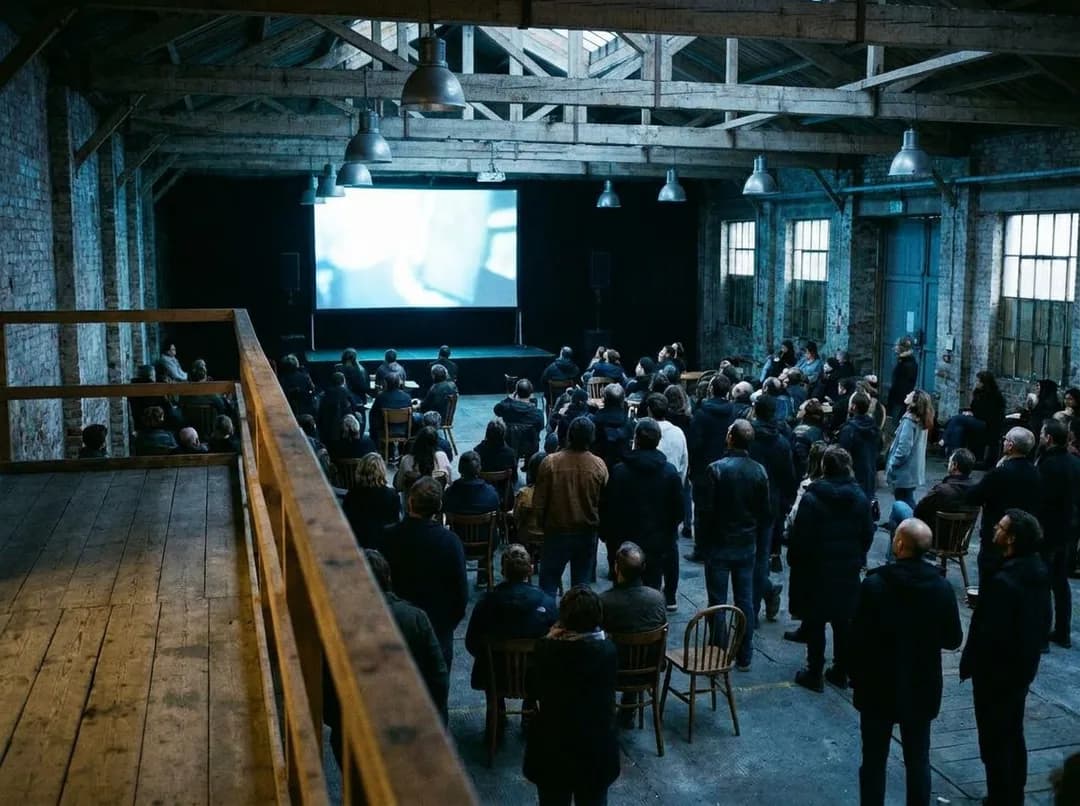
The crowd that files in before kickoff doesn't look like the usual indie-rock demographic. You'll spot light blue and white striped jerseys mixed with band tees, families with kids who'd normally be home by now, and clusters of friends speaking rapid Rioplatense Spanish over Lone Star tallboys. Deep Ellum has always drawn people who want to be around other people, and tonight that impulse has a specific focal point. The Argentine supporters claim their territory early—usually stage-right, where they can see both the screen and each other's faces when something happens. They bring scarves that get tied to railings and held overhead during the anthem. The venues don't discourage this; the staff seems to understand they're hosting something closer to a secular mass than a viewing party. You'll overhear conversations about players' club form and tactical setups, delivered with the same intensity you'd normally hear about setlists and opening bands.
Iceland's Contingent Travels Lighter But Louder
The Icelandic supporters are harder to spot at first—fewer jerseys, less visual coordination—but they announce themselves once the match starts. They've adopted the thunderclap chant that became their signature, and in a room with Deep Ellum's acoustics it sounds like a building trying to lift off its foundation. Some venues have staff who've clearly done their homework, keeping a Brennivín bottle visible behind the bar even if nobody's ordering it. The Nordic contingent tends to cluster near the exits and high-tops, maintaining sight lines but also quick access to fresh air when the room gets dense with body heat and tension. They're gracious about being outnumbered, and there's a strange camaraderie between the two supporter groups—a shared understanding that they're both far from home, both invested in ninety minutes that matter more than they should.
The Kitchen Pivots to Match-Time Hunger
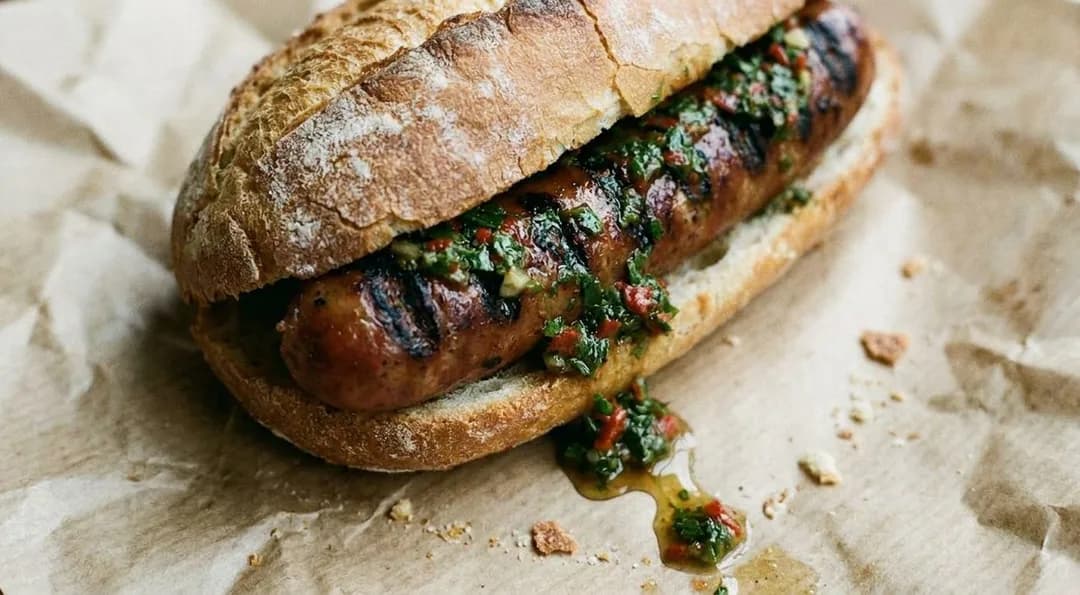
The venues that have food service are running modified menus tonight. You're not getting the full kitchen experience, but you're also not stuck with only pretzels and nuts. Expect empanadas if the kitchen staff is paying attention to the room's demographic, or at least decent tacos and loaded nachos that can be assembled fast and eaten while standing. The fryers stay busy, and there's a particular smell that develops mid-match—a mix of hot oil, jalapeños, and the specific humidity that comes from a hundred people breathing hard in an enclosed space. Orders spike during halftime, creating a brief frenzy at the bar where you're three-deep trying to get the bartender's attention. The smart move is ordering your second-half food right after kickoff, giving the kitchen time to work through the initial rush. Prices stay reasonable because these places aren't trying to become something they're not; they're just adapting their existing infrastructure to a different kind of crowd energy.
The Sound System Carries Every Groan and Gasp
What separates these venues from actual sports bars is the audio quality. When a shot hits the post, you don't just see it—you feel the metallic clang in your chest cavity. The commentary comes through without the tinny compression you get from TV speakers, which means you catch every tactical observation and half-muttered criticism. During tense moments the crowd goes quiet enough that you can hear the squeak of cleats on turf, the thud of a slide tackle, the referee's whistle cutting through before the image catches up. Some venues keep the house music low between halves, maintaining energy without drowning out conversation. Others go silent, letting the crowd generate its own ambient noise. The bartenders develop a rhythm, learning when to make noise with ice and shakers and when to freeze mid-pour because something's happening on screen. You can track the match's emotional arc just by watching their faces.
After the Final Whistle the Room Doesn't Empty Immediately
The match ends and people stay planted, processing what they just watched while the venue's regular identity slowly reasserts itself. Someone eventually switches the music back on—usually something that doesn't compete too hard with the lingering adrenaline. The Argentine or Icelandic supporters, depending on the result, either celebrate with the kind of euphoria that looks like relief or file out quietly, already analyzing what went wrong. The bartenders start their closing routines but without the urgency you'd see on a normal night; they understand people need a minute to transition back. You'll see strangers exchanging observations about specific plays, the kind of instant analysis that feels important in the moment even if it evaporates by morning. The venues benefit from this extended presence—people order one more round, settle their tabs slowly, check their phones for other scores. By the time the room actually empties, the staff is already thinking about tomorrow's match and whether they need to order more of whatever ran out tonight.
Practical Notes
Most Deep Ellum venues showing matches open their doors a couple hours before kickoff, giving you time to claim your spot and settle in. Arrive thirty to forty minutes early if you want a decent sight line; closer to game time and you're watching from the back or sides. The neighborhood has plenty of street parking after business hours, though it fills fast on match nights. DART's Green and Orange lines drop you close enough that you're walking less than ten minutes. No reservations, no cover charges—these venues are operating on their standard walk-in model. Drink prices stay consistent with regular nights, and most places are cash-friendly though cards work fine. Check the venue's social media day-of to confirm they're screening the match; schedules can shift based on booking conflicts or equipment issues.
Tags: #DeepEllum #DallasNightlife #WorldCup2026 #FIFAWorldCup #ArgentinaVsIceland #SoccerInDallas #MusicVenuesCulture #DeepEllumDallas #DallasSoccer #WorldCupViewing #TexasSoccer #DallasEats #LiveMusicSpaces #NeighborhoodGuide #DallasCityGuide
Sources consulted: fifa.com · espn.com · timeout.com
Please drink responsibly. Must be of legal drinking age.
All trademarks are the property of their respective owners.
Ask Karpo for more information.
Keep reading
- Haaland Has Seven Goals and Norway Runs Entirely Through Him
 World Cup Trophy Ceremony Timing Medals and Postmatch Celebrations
 Olise and France's Attack: The Semifinal Tactical Question