 Haaland Has Seven Goals and Norway Runs Entirely Through Him
⚽️2026 FIFA WORLD CUP
Which Calle Ocho Cafe Tracks the World Cup Bracket on Its Window Every Morning?
A hand-drawn tournament tree grows across the glass in marker, updated at dawn by the owner who arrives before the bread truck.
You walk past the same café every morning and one day the window's different—not a menu board or a flyer, but a sprawling bracket drawn in blue and red marker, match results filled in as they happen, the whole tournament tree spreading across the glass like a vine that grows while you sleep. The owner arrives before the bread truck, before the first cafecito gets pulled, and updates it by hand with scores from overnight matches half a world away.
The Window That Wakes Up Before the Neighborhood
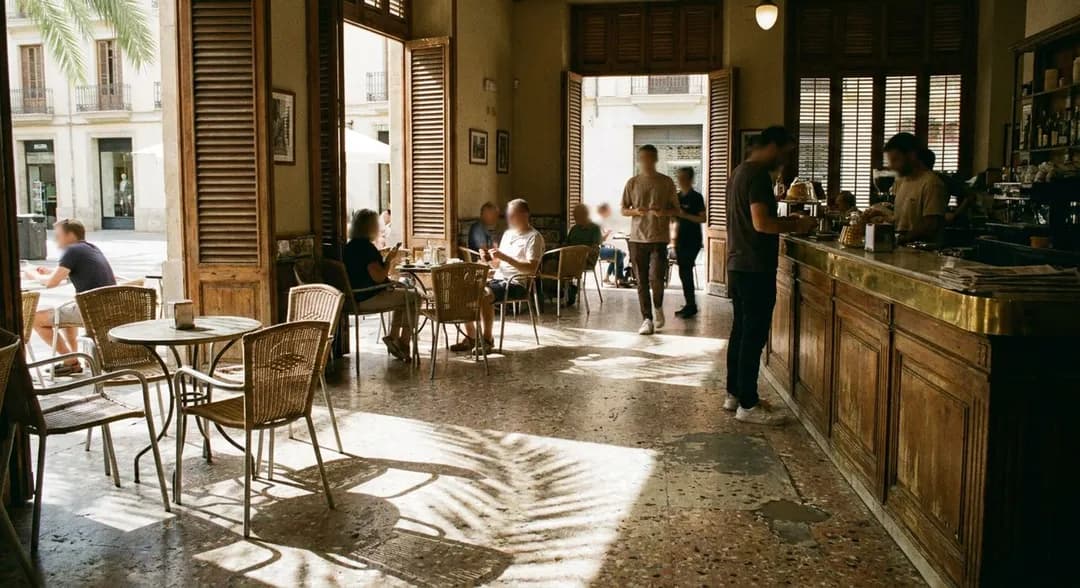
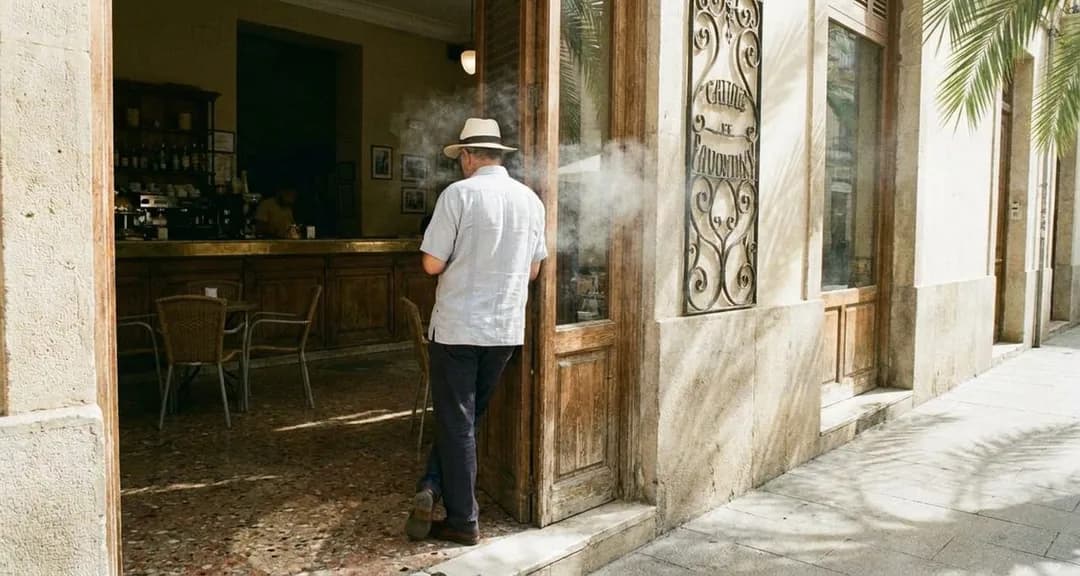
The bracket appears in late spring, right when the tournament kicks off. You'll find it on a corner café in the heart of Little Havana, the kind of place where the chairs scrape tile and the espresso machine hisses like it's arguing with someone. The glass faces the street, catches the early light, and by the time you're walking to work the scores are already there—fresh marker still slightly wet if you touch it, which you shouldn't but someone always does. The owner keeps a rag tucked in his apron for smudges. He's been doing this since the last World Cup, maybe longer. The neighborhood knows to look for it. Tourists walk past without noticing, but locals cross the street just to check the latest results, to see which team got knocked out while they were sleeping, to argue about what comes next.
Inside Smells Like Sugar and Argument
The café itself runs narrow and deep, with a counter along one side and a handful of tables that fill up fast once matches start broadcasting. Ceiling fans push around air that smells like burnt sugar from the cortaditos and something yeasty from the tostadas browning in the press. The TV mounted in the corner stays on Telemundo or Univision depending on who's working, and the volume rises and falls with the action on screen—someone's always adjusting it, reaching up with the remote, turning it louder when a team pushes forward. You hear the commentary in Spanish even if the match is being played in a different hemisphere, the announcer's voice climbing into that sustained note of anticipation before a shot. The regulars don't really watch the screen. They watch each other watching the screen, waiting to see who reacts first.
The Morning Ritual Happens in Marker and Silence
He arrives around five-thirty, sometimes earlier if there's been a late match in an Asian time zone. You can see him through the window if you're up that early—unlocking the door, flipping on just enough lights to see, pulling the markers from behind the counter. Blue for one side of the bracket, red for the other, black for the scores. He doesn't sketch it out first or use a ruler. The lines go up freehand, connecting winners to the next round, eliminating losers with a single horizontal slash. Some mornings he pauses, checks his phone for a score he's not sure about, then fills it in carefully, the numbers neat and small in the boxes. The whole update takes maybe fifteen minutes. By the time the bread truck pulls up and the driver starts unloading, the window's current. The neighborhood wakes up to accurate information, delivered in permanent marker that'll wash off with Windex once the tournament ends.
Where the Diaspora Sorts Itself by Match
You learn which teams people care about by when they show up. The café fills differently depending on who's playing. A Colombia match brings one crowd, Mexico another, Argentina a third that arrives early and stays late regardless of the result. Brazil draws everyone. The energy shifts with the jerseys—some mornings it's friendly chaos, people from different tables shouting across the room, and other times it's tense, quiet, everyone locked onto the screen with their cafecito going cold. The owner doesn't take sides publicly, but the regulars say he's got a preference, that you can tell by which scores he fills in first, which teams get the neater handwriting. After a major upset the café feels like a wake or a wedding depending on where you're from. Someone always buys a round of cortaditos for their table. Someone else always leaves early.
The Bracket Becomes the Neighborhood's Scoreboard
Kids stop on their way to school and point at the teams still alive, arguing about who's going to win it all. Older men stand on the sidewalk with their coffee, debating the bracket like they're the ones who drew it, like they could've predicted everything if someone had asked. The window gets photographed constantly—people taking pictures of the bracket to send to family in other countries, proof that their team's still in it, evidence of an upset. You see people touching the glass where their country's name is written, leaving fingerprints the owner wipes away each afternoon. As the tournament progresses and the bracket narrows, the energy concentrates. Fewer teams, higher stakes, louder mornings. The final stages feel like the whole neighborhood's holding its breath between updates.
What You Actually Order While You're There
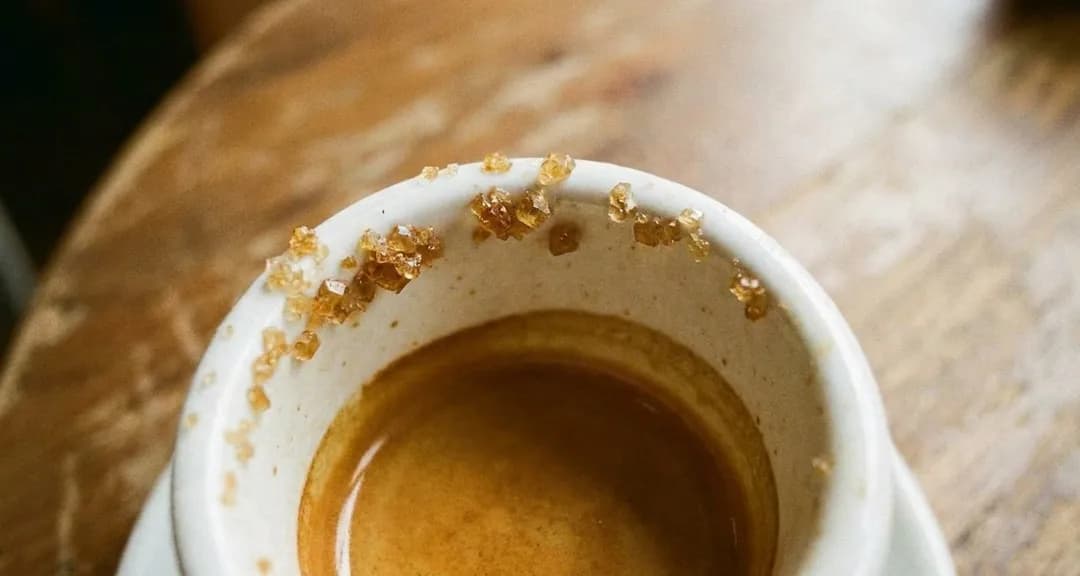
The menu's small, the kind of place where you don't need to look at anything written down. Cortadito if you want the classic—espresso cut with steamed milk, sweet enough to taste the sugar but not so sweet it hides the coffee. Café con leche if you're staying a while, the kind that comes in a large cup with a smaller cup of coffee on the side so you can mix it yourself, get the ratio right. The tostada's pressed Cuban bread, butter soaking into the surface while it's still hot, crispy enough that crumbs fall on your shirt. Pastelitos if they're fresh—guava or cream cheese, sometimes both, the pastry shell flaking apart when you bite it. Nothing costs much. You can sit for an hour on a single coffee and nobody bothers you about it. The owner's too busy updating the bracket or watching the match or arguing with someone about a call the ref made three days ago.
Practical Notes
The café opens early, well before most of the neighborhood's awake, and stays open through the afternoon. You'll find it on Calle Ocho, the main artery through Little Havana, close enough to the central stretch that you can walk to it from other landmarks but far enough that it still feels like a local spot. No reservations, no table service really—you order at the counter, pay cash or card, then grab a seat if one's open. During big matches arrive at least twenty minutes before kickoff or you'll be standing. The bracket stays up for the entire tournament, updated every morning, washed off a few days after the final. Street parking's easier early, harder once things get busy. The bus runs along Calle Ocho if you're coming from downtown or the beach. Bring small bills. The owner appreciates it.
Tags: #WorldCup2026 #LittleHavana #CalleOcho #MiamiCoffee #CubanCafe #Cortadito #FIFAWorldCup #MiamiNeighborhoods #LocalMiami #CoffeeCulture #WorldCupBracket #MiamiFood #HiddenMiami #SoccerCulture #MiamiLocal
Sources consulted: fifa.com · miamiherald.com · timeout.com
All trademarks are the property of their respective owners.
Ask Karpo for more information.
Keep reading
- Haaland Has Seven Goals and Norway Runs Entirely Through Him
 World Cup Trophy Ceremony Timing Medals and Postmatch Celebrations
 Olise and France's Attack: The Semifinal Tactical Question