 Haaland Has Seven Goals and Norway Runs Entirely Through Him
⚽️2026 FIFA WORLD CUP
Which Buford Highway Spot Has Room for Mexico vs Sudafrica Fans Tonight?
Mexican taquerias and South African braai joints dot the strip mall corridor, each broadcasting to packed parking lots where tailgates double as viewing parties.
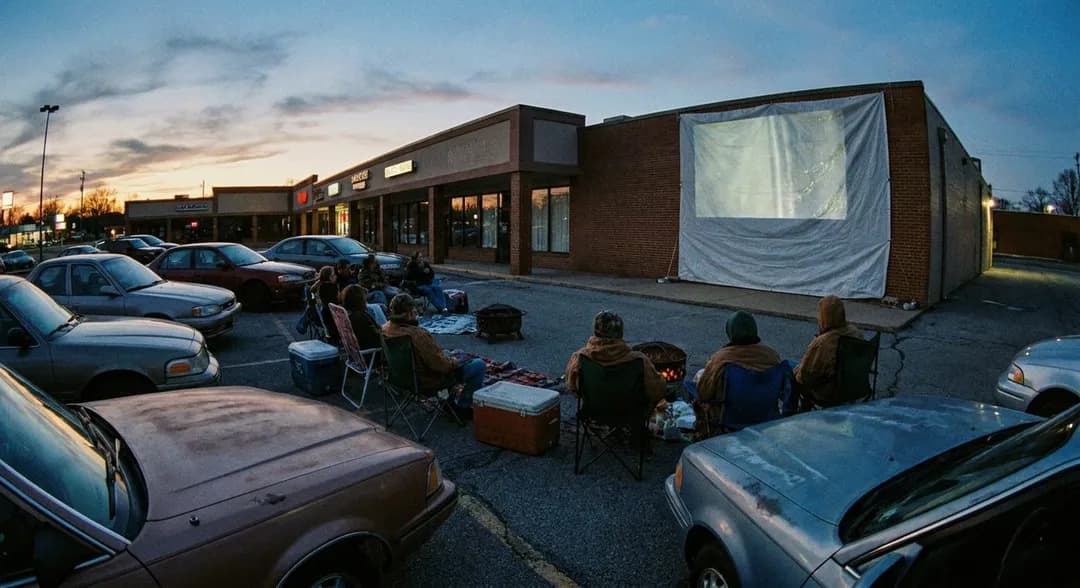
You won't find the match on a single screen tonight. Along Buford Highway, the viewing party fractures across a dozen strip mall parking lots where Mexico's green-white-red faces off against South Africa's gold and green in a diaspora standoff that turns asphalt into festival ground. The real game happens in the spaces between official watch parties—where someone's uncle drags a flatscreen onto a pickup tailgate and the smell of carne asada competes with boerewors smoke drifting from three storefronts down.
The Taqueria Where Regulars Claim Tables at Noon
Walk into the larger Mexican spots mid-afternoon and you'll notice the same families occupying the same corner booths, plates of chilaquiles long finished but nobody moving. They're holding territory. By the time kickoff approaches, these tables become command centers—someone's cousin arrives with a Mexico scarf, an aunt produces a Tupperware of homemade salsa that never made it onto any menu, and the waiter stops pretending this is normal dinner service. The kitchen's already slammed, churning out al pastor by the kilo for orders that won't stop until the final whistle. You can feel the building's air conditioning lose its battle against body heat and griddle smoke around the time the national anthems play. The bathroom line stretches past the register, and nobody's apologizing for blocking the aisle anymore.
Where the South African Contingent Actually Gathers
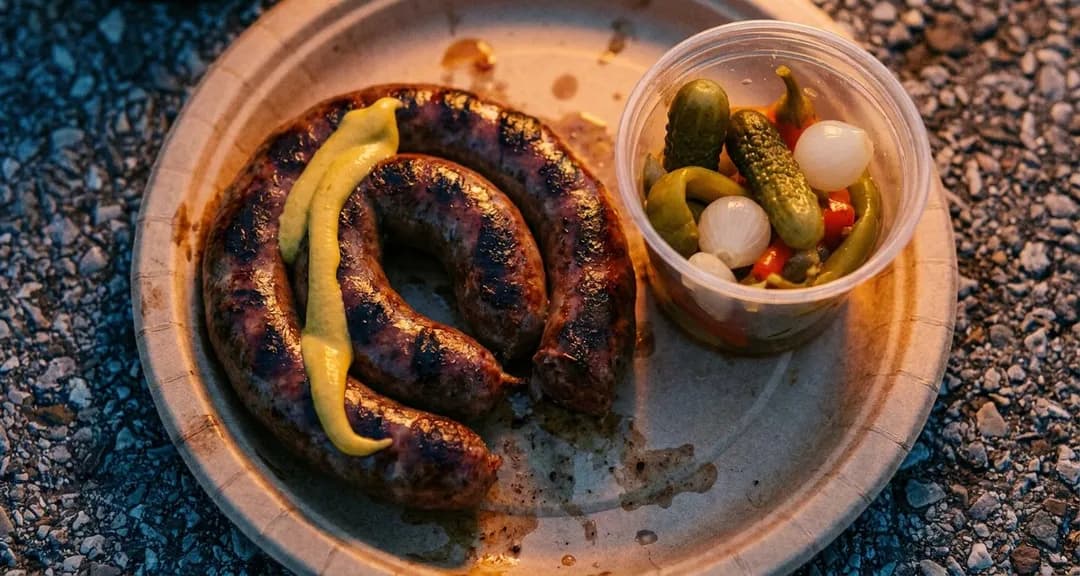
The braai joint sits in a less-traveled section of the corridor, the kind of plaza where the signage hasn't been updated since the previous tenant. Inside, the space runs narrow and deep, with a counter separating the dining area from a kitchen where boerewors casings glisten under heat lamps. The crowd here knows each other—not everyone, but enough that conversations happen in Afrikaans and Zulu across tables, and when someone walks in wearing Bafana Bafana colors, three people call out greetings before the door closes. The owner keeps the volume reasonable until about twenty minutes before kickoff, then cranks it as the room fills with people who've been texting each other since morning to confirm the location. You'll see jerseys from the 2010 tournament, faded but worn with the reverence of religious garments. The chakalaka comes out in industrial quantities, and someone always brings koeksisters that disappear before halftime.
The Parking Lot Diplomacy Zone
Between the two camps, a cluster of Central American restaurants becomes neutral ground where Guatemalan and Honduran regulars watch with bemused detachment. The Colombian bakery at the plaza's edge does brisk business in empanadas and coffee sold through a walk-up window, feeding both sides without allegiance. This is where you'll find the most interesting conversations—someone explaining CONCACAF politics to a Zimbabwean nurse on her break, a Mexican teenager asking a South African grad student about Soweto, all of it happening in the narrow shade between parked cars. The lot fills with a potluck nobody officially organized: someone's grilling elote, someone else has a cooler of Fanta and Malta Goya, and a group of Ethiopian regulars from the coffee shop next door contributes injera and doro wat because the game's just an excuse at this point. The asphalt radiates stored heat even as the sun drops, and you can track the match's progress by the collective groan or roar that ripples across three separate parking lots simultaneously.
What Happens When the Crowd Spills Outward
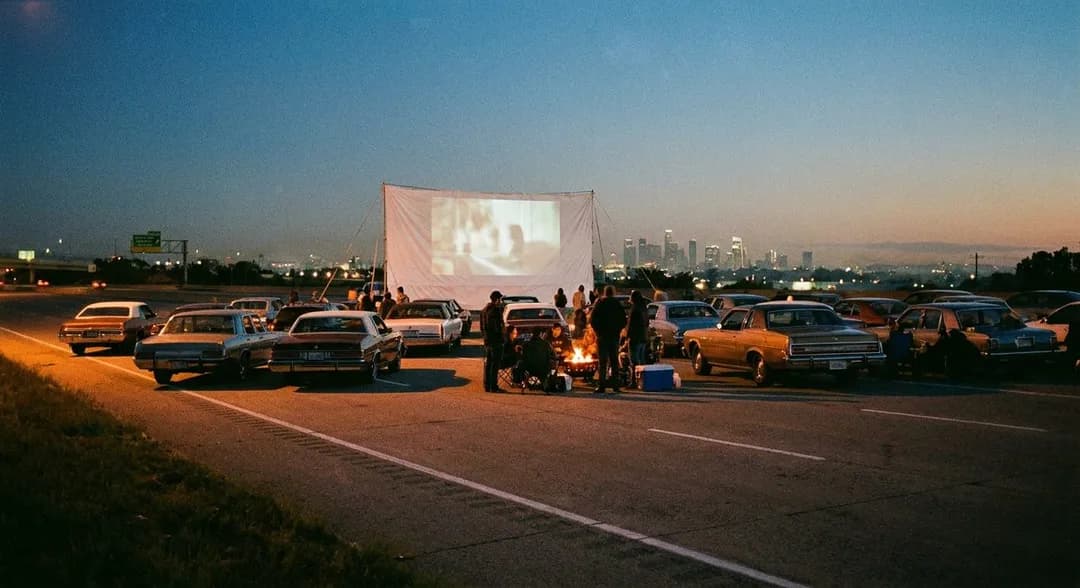
The strip mall wasn't designed for this kind of occupancy. By the time the match actually starts, people line the storefronts, standing in doorways of the cell phone repair shop and the remittance office, both of which have given up on conducting business and just propped their doors open. You'll see kids weaving between adults, playing their own version of football with a tennis ball that keeps rolling under cars. The Vietnamese sandwich shop at the far end of the plaza has a small TV visible through its window, and a handful of people who couldn't get into either main venue watch from there, eating banh mi and narrating the action to each other in a mix of Spanish and English. Someone's car alarm goes off twice during the first half—nobody can find the owner, and eventually everyone just tunes it out. The police cruise through once, slowly, assess that this is loud but not dangerous, and keep moving.
The Halftime Economy
When the whistle blows for the break, the entire corridor mobilizes. Taco orders that were placed twenty minutes ago finally emerge from kitchens. The braai spot's grill master, who's been working nonstop, steps outside for air and a cigarette, still wearing his apron. People sprint to their cars for beer restock, and the convenience store three doors down sees a line fifteen deep, everyone grabbing chips and drinks with the efficiency of a pit crew. You'll notice the shift in energy—the first-half tension breaks into conversation, and suddenly people are crossing the invisible boundary between factions, comparing notes on the referee's calls, showing each other photos on their phones. A teenager in a Mexico jersey shares his chips with a kid in a South Africa shirt, both of them more interested in the snacks than the nationalism. The parking lot smells like charcoal smoke, grilled onions, and that specific combination of hot asphalt and spilled beer that defines summer gatherings in the South.
When Someone Scores and the Whole Strip Knows
You don't need to see the screen to follow the match. The sound travels—a rising roar that starts in one plaza and either gets answered or dies out depending on who scored. Car horns erupt in celebration, and for a few seconds the entire corridor becomes a cacophony of competing joy and disappointment. Then it settles again, the tension ratcheting up another notch. The Mexican spots get louder with each possession in the attacking third, a collective intake of breath that you can feel even standing outside. At the South African venue, someone starts a chant that gets picked up by half the room, the rhythm pounding through the walls. The neutral observers in between just shake their heads and grin, watching the theater of it. By the final minutes, nobody's sitting anymore, and the distinction between inside and outside dissolves completely—people crowd the doorways and windows, faces pressed to glass, everyone needing to see the finish.
Practical Notes
Most of the viewing spots along this stretch don't take reservations, and showing up less than an hour before kickoff means you're watching from the parking lot. The Mexican taquerias tend to cluster in the northern section of the corridor, while the South African spot sits further south near the Asian grocery complexes. Bring cash—some places are card-only now, but the smaller operations and the parking lot vendors deal in bills. Transit options are limited; driving is your best bet, but expect to park several storefronts away from your target and walk. The watch parties tend to extend well past the final whistle, especially if the result is dramatic, so factor in extra time if you've got somewhere to be after. The corridor stays lively deep into the night, with post-match analysis happening over late tacos and leftover braai until the restaurants finally close.
Tags: #BufordHighway #AtlantaEats #WorldCup2026 #DiasporaDining #MexicanFood #SouthAfricanFood #ATLFoodie #StripMallGems #ParkingLotParty #SoccerCulture #FIFAWorldCup #AtlantaNeighborhoods #MulticulturalATL #TaqueriaLife #BraaiSpot
Sources consulted: fifa.com · espn.com · timeout.com
All trademarks are the property of their respective owners.
Ask Karpo for more information.
Keep reading
- Haaland Has Seven Goals and Norway Runs Entirely Through Him
 World Cup Trophy Ceremony Timing Medals and Postmatch Celebrations
 Olise and France's Attack: The Semifinal Tactical Question