 Haaland Has Seven Goals and Norway Runs Entirely Through Him
⚽️2026 FIFA WORLD CUP
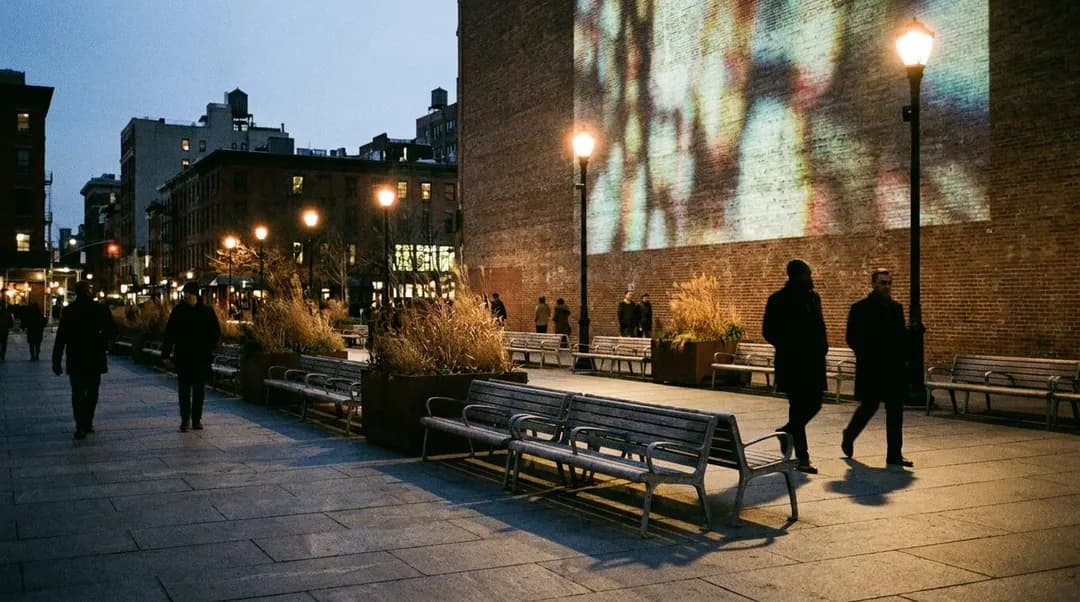
Which Astoria Plaza Shows Brazil vs Morocco on Outdoor Screens Tonight?
Brazilian churrascarias and Moroccan grills around Steinway Street project matches onto building walls as rival fans claim benches with thermoses and tagine.
You walk down Steinway Street just as dusk settles and the air smells like charcoal and cumin, and suddenly there's a projector beam cutting across a brick wall above a shuttered storefront. Brazil versus Morocco. The screen flickers to life and benches start filling with people clutching thermoses, folding chairs appearing from nowhere, someone's grandmother wrapping herself in a Moroccan flag like a shawl. This is Astoria's street-level World Cup, where rival fans claim the same fifteen feet of sidewalk and the restaurants become command centers.
The Walls Light Up Before the Anthem Plays
The projectors aren't some official city initiative. They're rigged by the restaurants themselves, extension cords snaking through doorways, someone's nephew on a ladder adjusting the angle so the image doesn't cut off at the roofline. You'll find these setups scattered along Steinway between the upper twenties and mid-thirties, where Brazilian churrascarias and Moroccan grills face each other across two lanes of honking traffic. The screens go live about an hour before kickoff, early enough that you can grab a seat on one of the low stone planters or lean against a parking meter with a good sightline. The light from the projection washes everything in blue-white until the whistle blows, then it's all motion and color. You feel the heat from the grills even out here on the pavement, lamb fat and picanha drippings hitting coals, and the smell makes you hungry even if you just ate.
Inside the Churrascarias, Fans Claim Tables Like Territory
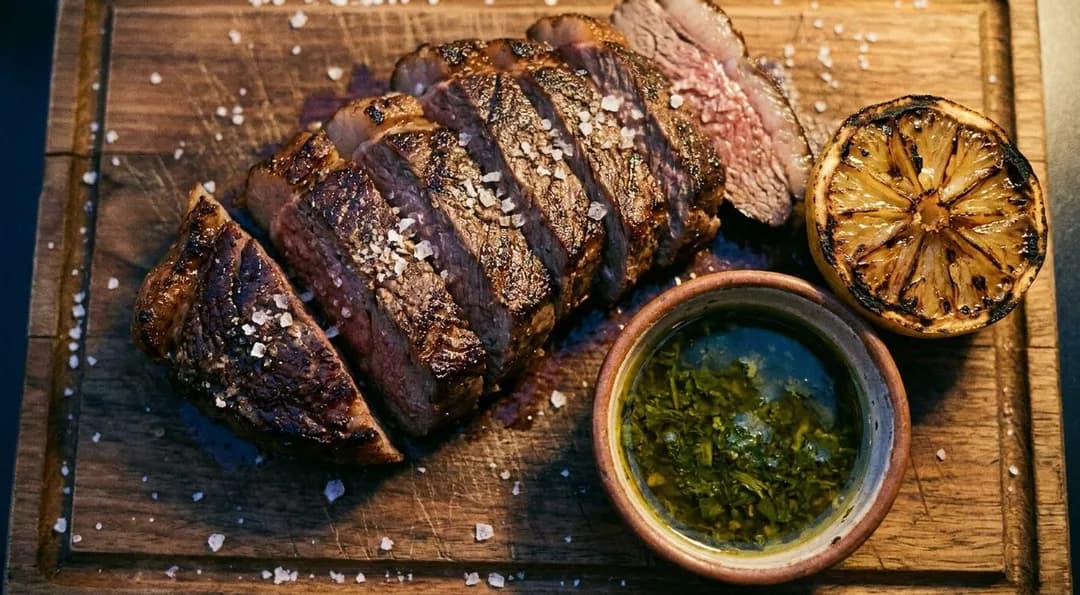
The Brazilian spots along this stretch operate on a rhythm you pick up fast. You walk in and the waiters are already moving platters of meat toward tables where people wear jerseys like uniforms. There's no printed menu tonight—someone just brings you rice, farofa, collard greens, and then the skewers start arriving. Picanha, linguiça, fraldinha, chicken hearts if you nod when they offer. The meat comes fast and doesn't stop unless you flip that little card on your table to red, but no one's flipping anything to red during a World Cup match. The dining rooms are loud before the game even starts, that specific Brazilian cadence of Portuguese rising and falling, someone's uncle explaining tactics to a teenager who's only half-listening. You sit near the window if you want to watch both the indoor TV and catch glimpses of the Moroccan crowd gathering outside. The contrast is the whole point.
Moroccan Grills Turn Sidewalk Tables Into Viewing Galleries
Across the street or two doors down, the Moroccan spots push their tables onto the sidewalk despite the evening chill. You get mint tea in glass cups that burn your fingers, and tagines that arrive still bubbling, the ceramic hot enough that the waiter wraps the handle in a towel. Lamb with prunes, chicken preserved lemon, kefta with eggs cracked on top. The food takes time but no one minds because the game is the thing, and the tea keeps coming. There's a specific kind of regular here—older men in leather jackets who've been in Astoria since the eighties, younger guys in puffer coats who arrived last year, all of them leaning back in plastic chairs with their arms crossed, watching the screen on the wall with the same intensity. When Morocco moves the ball forward you hear it before you see it, a collective inhale that turns into shouting. Someone's always got a drum. You don't know where it came from but it's there, and it gets louder when the game tightens.
The Benches Become Neutral Ground, Barely
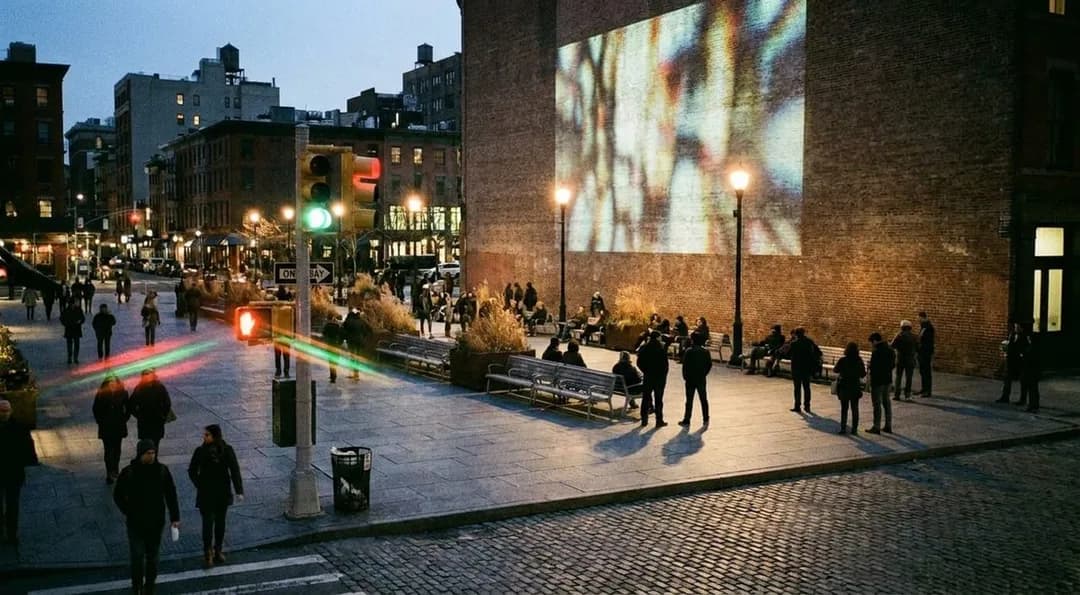
Between the Brazilian and Moroccan zones there are public benches, the kind the city bolted down decades ago, and these become the contested middle. You'll see a Brazilian family on one end, a Moroccan couple on the other, and in between maybe someone from the neighborhood who just wanted to see what the noise was about. People bring their own setups—thermoses of coffee spiked with something warm, pastéis wrapped in foil, msemen stuffed with cheese. Kids run between the benches and no one stops them even when they're blocking the screen. There's a moment, always, when someone from one side offers something to someone from the other—a napkin, a light, a joke about the referee—and the tension cracks just enough. But when a goal goes in, the benches empty. People are on their feet, and for a few seconds you can't tell if it's celebration or fury until you see which direction people are facing.
The Halftime Rush Floods Both Kitchens
When the whistle blows for halftime, both sides of Steinway erupt into motion. The churrascarias start firing more meat, the grills outside the Moroccan spots get restoked, and suddenly there's a line for everything. You smell the smoke thickening, see the waiters moving faster, hear the sizzle as someone throws more peppers onto the grill. This is when you want to be inside, not because it's warmer—though it is—but because you catch the kitchen rhythm, the cooks calling to each other, the urgency of feeding a crowd that's only going to get louder in the second half. If you're still outside you notice the crowd has grown, people wandering over from the subway or finishing shifts at other restaurants, everyone wanting to catch the second half. The benches are all taken now. You stand or you leave.
When It Ends, the Street Stays Awake
The final whistle doesn't clear the crowd. It shifts it. People linger on the sidewalk, replaying moments, arguing about what should have happened, and the restaurants stay open later than usual because why wouldn't they. You see Brazilian fans walking past Moroccan grills with their heads high or low depending on the score, and sometimes someone stops, shakes a hand, says something gracious or barbed. The projectors stay on for a while, showing replays or switching to another match, and the light on the brick walls makes the whole block feel like a theater that forgot to close. You walk home smelling like smoke and spice, your ears still ringing with drums and shouting, and you know tomorrow night there's another match and this will all happen again, different teams, same streets, same beautiful chaos.
Practical Notes
The outdoor screenings happen along Steinway Street in the upper twenties and thirties blocks, easiest to reach via the N or W train. Arrive at least an hour before kickoff if you want a seat with a view—closer to game time and you're standing. Most restaurants don't take reservations during matches, and some operate on a first-come basis for tables. Expect to spend an evening here, not a quick bite. Dress warmer than you think you need to; the outdoor screens mean you're outside more than you planned. Cash helps at some of the smaller spots, though most take cards. The energy peaks during group stage matches featuring Brazil or Morocco, but even neutral games draw a crowd if the food's good and the screen's working.
Tags: #2026FIFAWorldCup #AstoriaQueens #SteamwayStreet #BrazilianFood #MoroccanCuisine #Churrascaria #TagineNights #NYCWorldCup #QueensEats #StreetScreening #DiasporaFootball #AstoriaFood #WorldCupViewing #NYCNeighborhoods #FootballCulture
Sources consulted: fifa.com · espn.com · timeout.com
All trademarks are the property of their respective owners.
Ask Karpo for more information.
Keep reading
- Haaland Has Seven Goals and Norway Runs Entirely Through Him
 World Cup Trophy Ceremony Timing Medals and Postmatch Celebrations
 Olise and France's Attack: The Semifinal Tactical Question