 Haaland Has Seven Goals and Norway Runs Entirely Through Him
⚽️2026 FIFA WORLD CUP
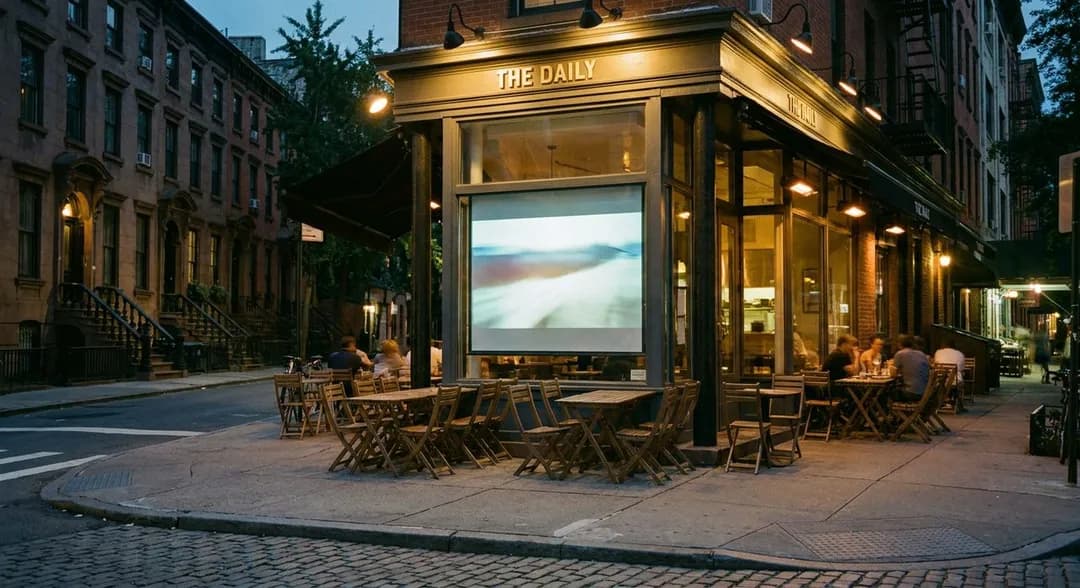
Where Should Senegal vs Saudi Arabia Fans Watch in Harlem Tonight?
West African restaurants and halal spots claim adjacent blocks, their outdoor seating filling with fans who turn the sidewalk into a stadium.
You're walking up Frederick Douglass Boulevard just as the sun drops behind the brownstones, and the air smells like grilled lamb and peanut stew competing for dominance. Tonight's Senegal versus Saudi Arabia, and this stretch of Harlem has turned into something between a block party and a geopolitical summit. The sidewalk tables are filling fast, flags draped over railings, and you can already hear the pre-match banter in Wolof and Arabic bouncing between storefronts.
The Sidewalk Becomes the Stadium
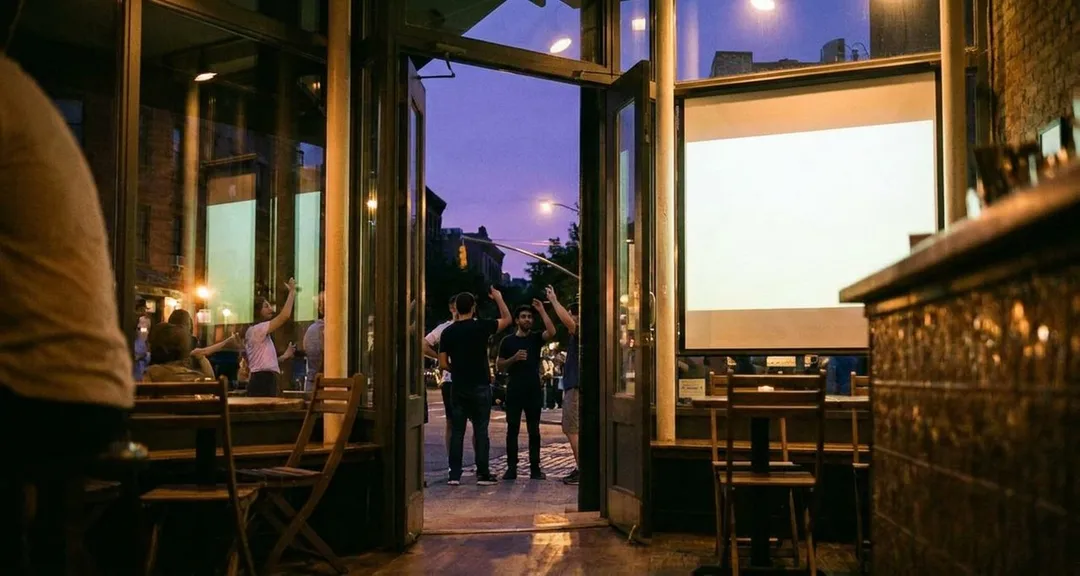
You'll find the densest concentration of outdoor seating between 116th and 119th, where West African spots and Middle Eastern restaurants have claimed their territory without any formal agreement. The metal chairs scrape against concrete as groups pull tables together, and someone's always asking to borrow a chair from the next establishment over. By the time kickoff approaches, the distinction between restaurant patios blurs into one continuous viewing party. The screens get propped in doorways, angled so three different establishments can share the same broadcast. You'll see Saudi fans in green jerseys sitting two tables away from Senegalese supporters in white and green, everyone passing around platters of food that weren't ordered from their own restaurant. The energy here doesn't build gradually—it's already humming when you arrive, a low-frequency anticipation that spikes every time someone in a national team kit walks past.
Where the Senegalese Contingent Gathers
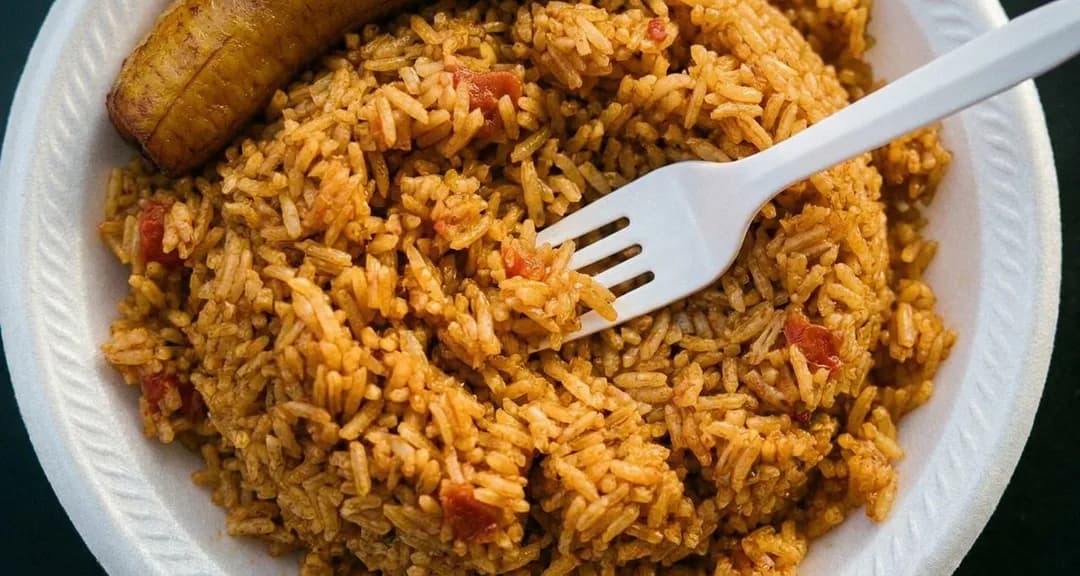
The West African restaurants on this strip have been here long enough that the owners know which tables get claimed first on match nights. You want the corner spots where you can see both the screen and the street, because half the entertainment is watching new arrivals scan the crowd for their people. The jollof rice comes out in portions meant for sharing, and the kitchen doesn't bother with individual plating tonight—everything's family style, whether you came with family or not. You'll notice the older men who arrive early, claiming their spots a full hour before kickoff, ordering attaya tea that gets passed around in small glasses. They're the ones who remember every World Cup since 1990, who can tell you exactly where they watched Senegal's upset over France in 2002. The younger crowd filters in later, louder, already filming everything for Instagram before the match even starts. Someone's cousin is always running late, and their seat gets defended with the kind of loyalty usually reserved for parking spots.
The Saudi Side of the Street
Cross the boulevard or walk one block east, and the Arabic signage takes over. The halal spots here have a different rhythm—more families with kids, more deliberate about seating arrangements, a quieter confidence in their setup. The lamb shawarma gets wrapped tight and served with extra tahini without you asking, and the mint tea arrives in those distinctive curved glasses that catch the streetlight. You'll see the green Saudi jerseys clustered at the larger tables, and there's always one guy appointed as the unofficial hype man, standing up to rally the group when possession shifts. The restaurants here have learned to keep extra chairs stacked by the door, because the crowd size doubles once word gets out that the atmosphere is right. What surprises you is how many non-Saudi fans end up on this side—Yemeni, Egyptian, Jordanian supporters who've adopted Saudi Arabia as their proxy team for the night, turning this into a broader Arab celebration regardless of the score.
The Food Becomes the Diplomacy
You can't sit at these tables without someone offering you something. A Saudi fan slides over a plate of kabsa, insisting you try the rice cooked with the meat drippings. Two tables down, a Senegalese grandmother who doesn't speak much English gestures at her thieboudienne, pointing at the fish and vegetables like she's conducting an orchestra. The transaction isn't commercial—you're not expected to order from both spots, but you're absolutely expected to taste both. By halftime, the tables have become a potluck nobody planned, with hot sauce bottles making their way down the sidewalk and people debating whether the Senegalese or Saudi version of grilled meat has more char. The restaurant owners have given up trying to maintain territorial boundaries. They're too busy keeping up with the orders, and they know that a good match atmosphere brings everyone back next time, regardless of which kitchen they're technically patronizing.
When the Match Reaches Its Inflection Point
The noise level on this block operates in waves. You get the sustained tension hum during possession battles, then the explosive reaction when someone takes a shot—doesn't matter if it's on target or sailing into the stands, the crowd responds like it's already a goal. The real test of the atmosphere comes during controversial calls. A potential penalty shout, a yellow card that could've been red, an offside flag that looks questionable on the replay—that's when you see which side of the street has more numbers, because the decibel level becomes a competition. The restaurant staff stops pretending to work. They're watching too, dish towels slung over shoulders, congregating in doorways with the same intensity as the paying customers. Between the roar and the horns someone inevitably brought, you have to lean across the table to hear anything. Your phone buzzes with texts from friends asking where you are, and you realize you can't actually explain this scene in a message—you just send your location and tell them to get here.
The Post-Match Spillover
When the final whistle blows, nobody leaves. The winning side erupts, the losing side argues about what went wrong, and everyone stays planted in their seats for at least another hour. The restaurants keep serving, because they know this is when people actually get hungry—the nervous energy that suppressed appetite during the match now converts into orders of everything fried and grilled. You'll see fans from both sides standing on the sidewalk, replaying key moments with hand gestures, conducting post-match analysis with more passion than any television pundit. The flags stay draped over the railings even as the night gets darker, and the outdoor heaters come on because it's still early in the tournament and the weather hasn't fully committed to summer yet. Someone starts playing music, not from any restaurant's speaker system but from a phone turned up too loud, and it doesn't quite match the vibe but nobody tells them to turn it off.
Practical Notes
The restaurants along Frederick Douglass Boulevard in the 116th to 119th Street area start setting up outdoor seating in the late afternoon. Arrive at least forty-five minutes before kickoff if you want a table with a clear screen view. Most spots don't take reservations for match nights—it's first-come seating, and the staff will pack tables tighter than fire code probably allows. The food runs affordable, and you can eat well without ordering much since sharing is essentially mandatory. The subway stations at 116th or 125th Street put you within easy walking distance. Bring cash as a backup, though most places take cards now. Street parking is a fantasy on match nights, so don't bother. The outdoor seating stays open as long as the crowd keeps ordering, which on tournament nights means well past midnight.
Tags: #2026FIFAWorldCup #HarlemEats #SenegalFootball #SaudiArabiaFootball #WestAfricanFood #HalalFood #FrederickDouglassBoulevard #HarlemNightlife #WorldCupViewing #NYCFootball #DiasporaCulture #StreetFood #SoccerCulture #NewYorkCity #HarlemCommunity
Sources consulted: fifa.com · espn.com · timeout.com
All trademarks are the property of their respective owners.
Ask Karpo for more information.
Keep reading
- Haaland Has Seven Goals and Norway Runs Entirely Through Him
 World Cup Trophy Ceremony Timing Medals and Postmatch Celebrations
 Olise and France's Attack: The Semifinal Tactical Question