 Haaland Has Seven Goals and Norway Runs Entirely Through Him
⚽️2026 FIFA WORLD CUP
Where Do Iraq vs Venezuela Supporters Gather Tonight in Bay Ridge?
A community center opens its folding-chair rows to two scattered diasporas who share tea service and a rented projector.
The Folding Chair Diplomacy of Fifth Avenue
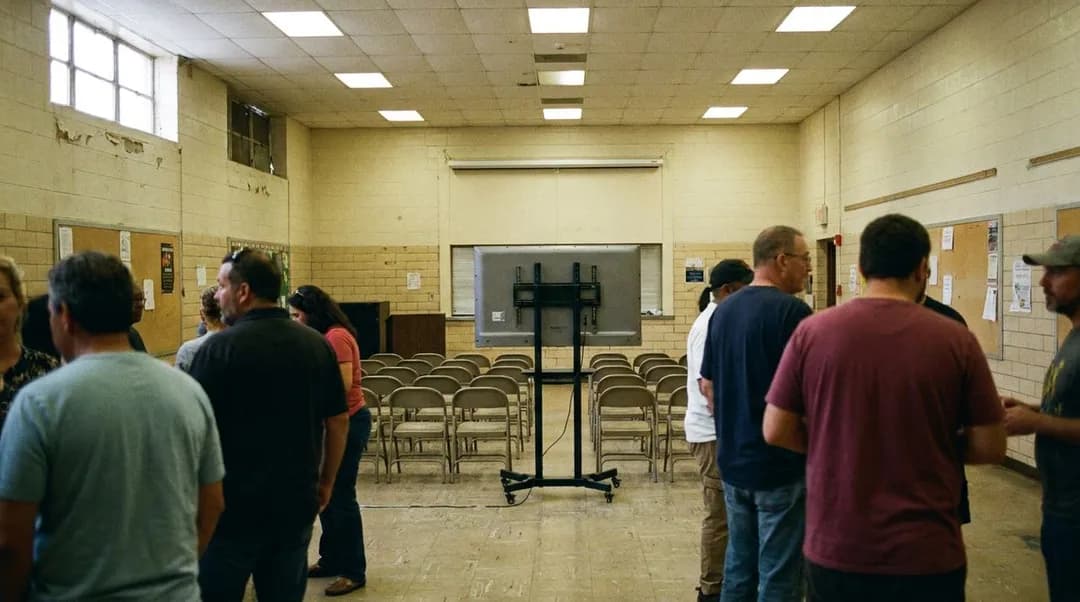
You wouldn't expect to find two World Cup diasporas sharing a community center basement on a Tuesday night, but Bay Ridge has always worked like this—overlapping circles of arrival, language, and longing. Tonight the Arabic Cultural Center near the center of the neighborhood opens its doors to both Iraqi and Venezuelan supporters, who'll crowd around a rented projector and a screen that still shows creases from last month's wedding reception. The room smells like cardamom and the faint electrical burn of an overworked extension cord. Someone's aunt is already brewing tea in the back kitchen, and the folding chairs are arranged in uneven rows that'll be abandoned the moment the whistle blows.
The Setup Happens in Stages, Starting Around Four
The center's main room transforms slowly. First come the older men, the ones who've been doing this since the last World Cup cycle, who know which chairs wobble and which corner gets the best sightline despite the support beam. They move with the efficiency of people who've set up a hundred gatherings in this exact space. The projector arrives in a wheeled case, handled like precious cargo, because it is—borrowed from someone's cousin who works at a school in Bensonhurst. By five the Venezuelan contingent starts filtering in, families with kids who'll lose interest by halftime and start playing tag near the coat racks. The two groups nod, exchange greetings in English and Spanish and Arabic, settle into their respective sides of the room with the unspoken territoriality of people who've shared space before.
What the Kitchen Produces Without Anyone Asking
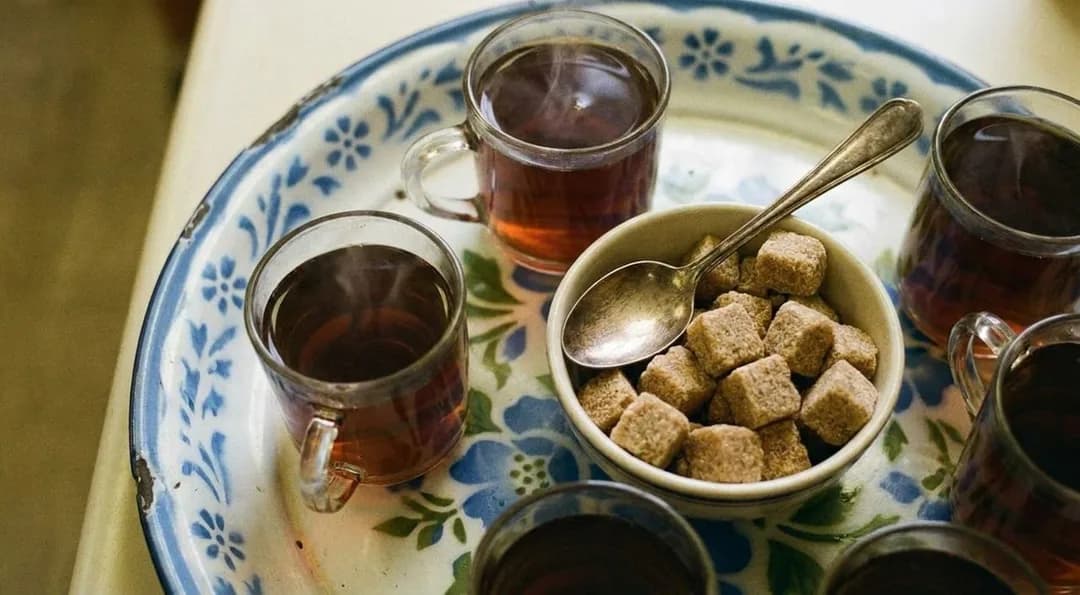
The back kitchen becomes a parallel event. You'll find Iraqi women rolling grape leaves with the speed of assembly-line workers, their hands moving in muscle memory while they argue about a cousin's upcoming engagement. Venezuelan arepas appear on paper plates, still warm, cornmeal edges crispy in a way that suggests someone brought their own griddle. There's no coordination, no potluck signup sheet, just the understood economics of communal gathering. Tea circulates in small glasses that clink when carried on trays, the kind with gold rims that belong to someone's formal set. The coffee is Turkish style, thick and sweet, made in a brass pot that lives in the center's cabinet year-round. By kickoff there's enough food on the folding tables to feed twice the crowd that showed up.
The Projector Hums and Everyone Stops Talking
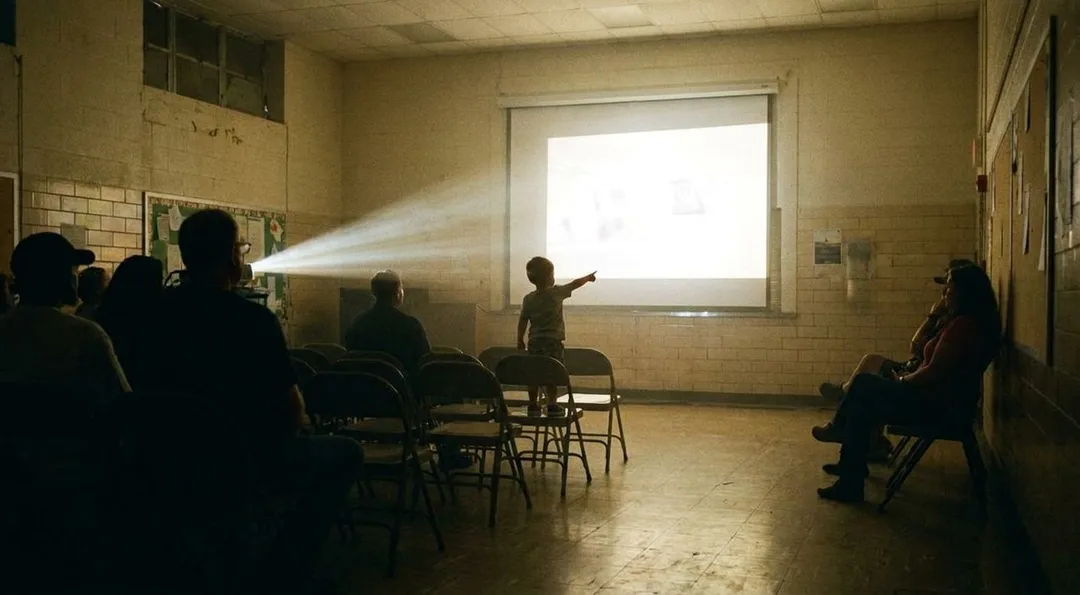
When the match feed finally connects—always later than scheduled, always with someone frantically adjusting HDMI cables—the room's energy shifts. The projector throws blue light across faces, makes everyone look slightly ghostly. You can hear the hum of the cooling fan, a white noise that'll become invisible once the commentary starts. Someone's streaming from a service that keeps cutting to ads in Spanish, which gets laughs from the Venezuelan side and groans from everyone else. The picture quality wavers between sharp and pixelated depending on the neighborhood's internet mood. Kids who were running laps ten minutes ago are suddenly still, perched on their fathers' knees. The older women stay in the kitchen doorway, watching with arms crossed, ready to return to their conversations but not quite willing to miss anything.
How the Room Splits and Doesn't
You'd think national allegiances would create a hard line down the center, but it doesn't work that way. There's an Iraqi grandfather sitting with a Venezuelan family because their kids go to the same school. A cluster of younger guys, mixed nationalities, share a bench in the back and provide running commentary in English peppered with Arabic and Spanish curses. When Iraq moves the ball forward, one side of the room leans in unison. When Venezuela counters, the other side erupts. But between these moments there's laughter, shared groans at bad calls, someone passing sweets across the invisible border. The refs get criticized in three languages simultaneously. This is what these gatherings actually are—not just watching a match, but performing the complicated math of diaspora, where you can root against someone's team and still share their tea.
The Halftime Scramble for Bathrooms and Phones
Fifteen minutes turns the room into controlled chaos. Everyone stands at once, stretching legs, checking phones for scores from other matches, forming a line for the two bathrooms that were never designed for this kind of traffic. The kids go feral again, their earlier stillness burned off. Someone props open the side door for air and the summer night pushes in, warm and diesel-scented from Fifth Avenue traffic. You can hear the pizzeria down the block, the rattle of the B train on the elevated tracks a few streets over. People step outside to smoke, to call relatives in other time zones, to argue about substitutions that should or shouldn't happen. The kitchen crew uses this window to restock the tea, to wrap up leftover food in aluminum foil that'll get pressed into people's hands when they leave.
When It Ends, Nobody Rushes Out
The final whistle doesn't empty the room. People stay in their chairs, dissecting plays, already talking about the next match. Kids sleep on parents' shoulders or sprawl across multiple seats. The cleanup happens gradually, communally—folding chairs collapsed and stacked, trash gathered, the projector packed with the same care it arrived with. You'll see phone numbers exchanged, plans made for the next gathering, whether it's another match or a wedding or a community meeting about school zoning. The room returns to its default state: a space waiting to be activated, to hold whatever the neighborhood needs it to hold. By the time you step back onto Fifth Avenue, the night has that late-game feeling, the sidewalks still humming with people who came from other watch parties, other basements, other temporary countries assembled for ninety minutes.
Practical Notes
The Arabic Cultural Center sits in the heart of Bay Ridge, walkable from the R train stops that serve the neighborhood. These community watch parties typically start a couple hours before kickoff, though arrival times depend on who's playing and how invested the local diaspora is. Entry is usually free or involves a small suggested donation to cover space rental and equipment. The food is potluck-style, contributed not requested. Parking on Fifth Avenue and the surrounding blocks gets tight on match nights, so public transit makes more sense. No alcohol is served at community center events. Check local community boards or neighborhood social media groups for confirmation of which matches will be screened—not every game gets the projector treatment, just the ones that matter to the people who live here.
Tags: #2026FIFAWorldCup #BayRidge #NewYorkCity #IraqiDiaspora #VenezuelanCommunity #CommunityCenter #WorldCupWatch #DiasporaStories #BrooklynNeighborhoods #FifthAvenue #SoccerCulture #ImmigrantStories #NYCCommunity #WorldCupNYC #NeighborhoodGatherings
Sources consulted: fifa.com · espn.com · timeout.com
All trademarks are the property of their respective owners.
Ask Karpo for more information.
Keep reading
- Haaland Has Seven Goals and Norway Runs Entirely Through Him
 World Cup Trophy Ceremony Timing Medals and Postmatch Celebrations
 Olise and France's Attack: The Semifinal Tactical Question