 Haaland Has Seven Goals and Norway Runs Entirely Through Him
⚽️2026 FIFA WORLD CUP
Where Do Iraq vs Venezuela Crowds Meet Tonight in Clarkston?
A multipurpose hall with a borrowed projector hosts two small diasporas who take turns selecting halftime music from a shared speaker.
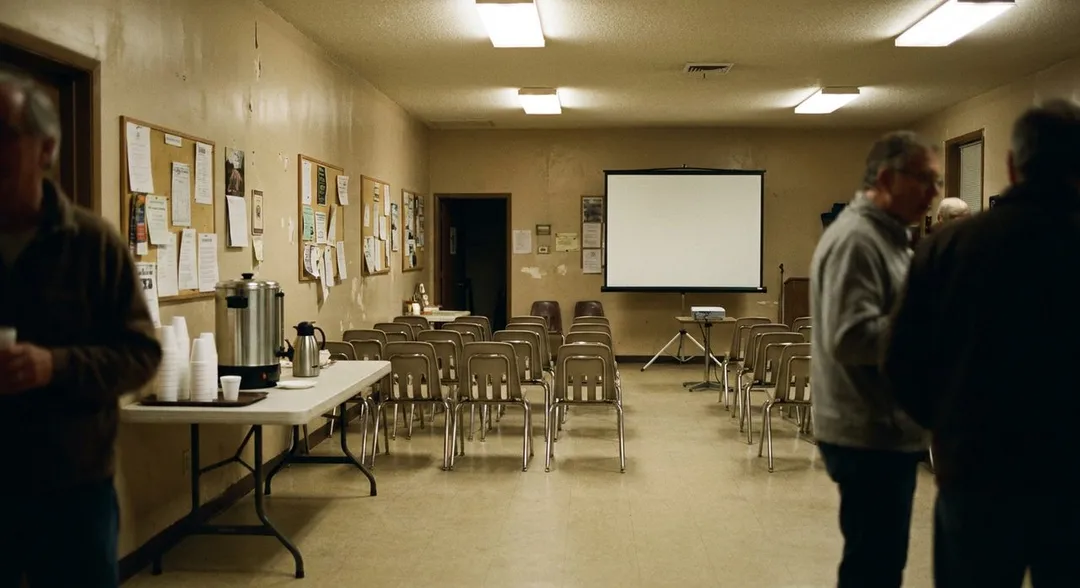
You walk into a beige-walled community center off Church Street and the air smells like cardboard, industrial floor cleaner, and rice warming in aluminum trays. Two folding tables anchor opposite corners of the room. One draped in Iraqi flags, the other in Venezuelan yellow-blue-red. The projector's plugged into someone's laptop balanced on a stack of phone books. Kickoff is in forty minutes and already the room hums with that specific pre-match tension where strangers become temporary family because they're rooting for the same eleven players half a world away.
The Space Itself Doesn't Pretend
This is a multipurpose hall that hosts ESL classes on Tuesday mornings and Zumba on Thursday nights. The walls are that particular shade of institutional cream that exists only in schools and government buildings. Fluorescent strips overhead cast everything in flat white light until someone dims them for the match and suddenly the projector glow turns faces blue. You sit in metal folding chairs that squeak when you shift your weight. The floor is scuffed linoleum that echoes every footstep. There's a small stage at one end with a podium no one uses. The whole room smells faintly of coffee that's been sitting too long in an urn. Nothing here is designed for atmosphere but somehow the atmosphere builds anyway because everyone knows this isn't about the venue. It's about who shows up and what they bring with them.
Two Corners, Two Soundtracks
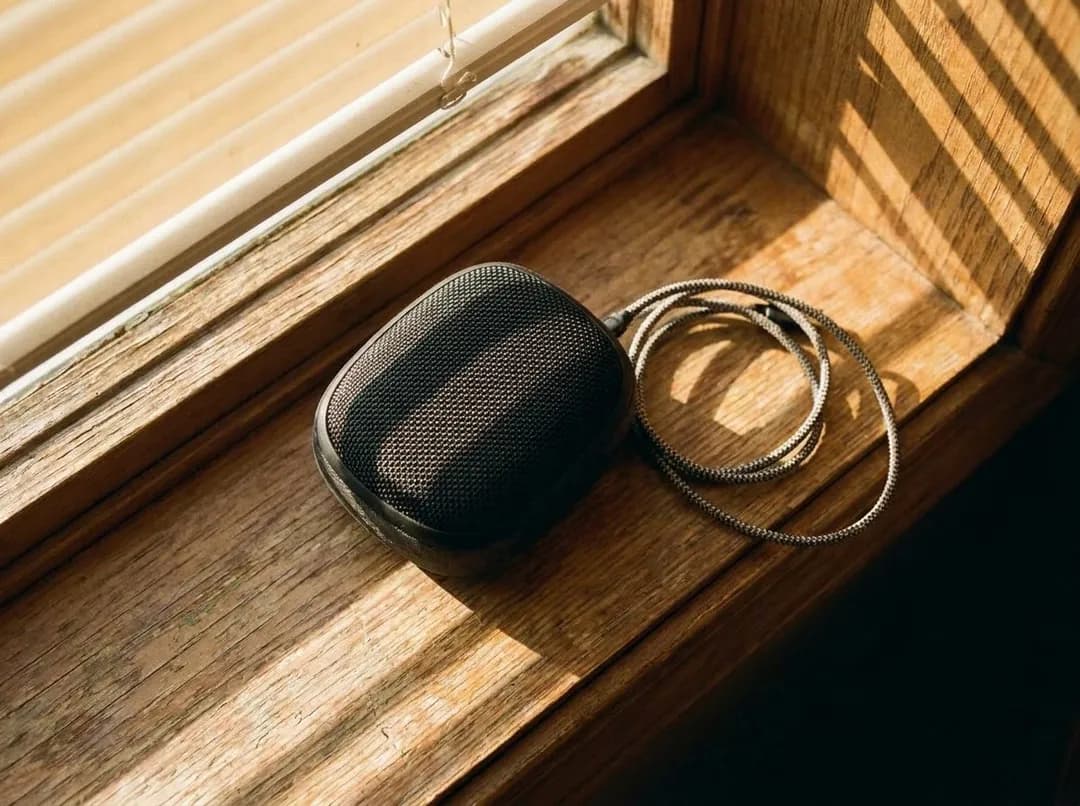
The Iraqi table sets up first because they always arrive early. Thermoses of sweet tea. Trays of dolma wrapped tight in grape leaves. Someone's aunt who doesn't speak much English but nods at everyone. The Venezuelan corner fills in closer to kickoff with arepas still warm in foil and bottles of malta that sweat condensation onto the tablecloth. Between matches or during halftime they take turns with the Bluetooth speaker. You hear Hussam Al Rassam's voice curl through the room, then twenty minutes later it's Guaco or Los Amigos Invisibles. No one argues about volume or song choice. There's an unspoken protocol that's been negotiated over months of shared Wednesdays. The speaker sits on a chair between both tables like a neutral zone. Whoever's team just scored gets next pick. It's a system that works because it has to.
Halftime Is When the Real Exchange Happens
The projector stays on but the sound gets muted and suddenly everyone's talking. You see a Venezuelan guy in a vinotinto jersey explaining something to an Iraqi teenager using hand gestures and broken Arabic he picked up from his coworker. Someone's sharing a plate of kubba across the invisible boundary line. An older Iraqi man offers his opinion on CONMEBOL qualifying even though he's never been south of Miami. The kids ignore the geopolitics entirely and compare phone cases near the back wall. You notice how the room rearranges itself during these fifteen minutes. People drift toward the food tables. Someone props the side door open and cigarette smoke curls in from the parking lot where a small group debates referee calls in three languages. The coffee urn gurgles. Someone refills the paper cup dispenser. Then the whistle blows for second half and everyone returns to their corners like the bell just rang.
The Projector Runs Hot and Everyone Knows It
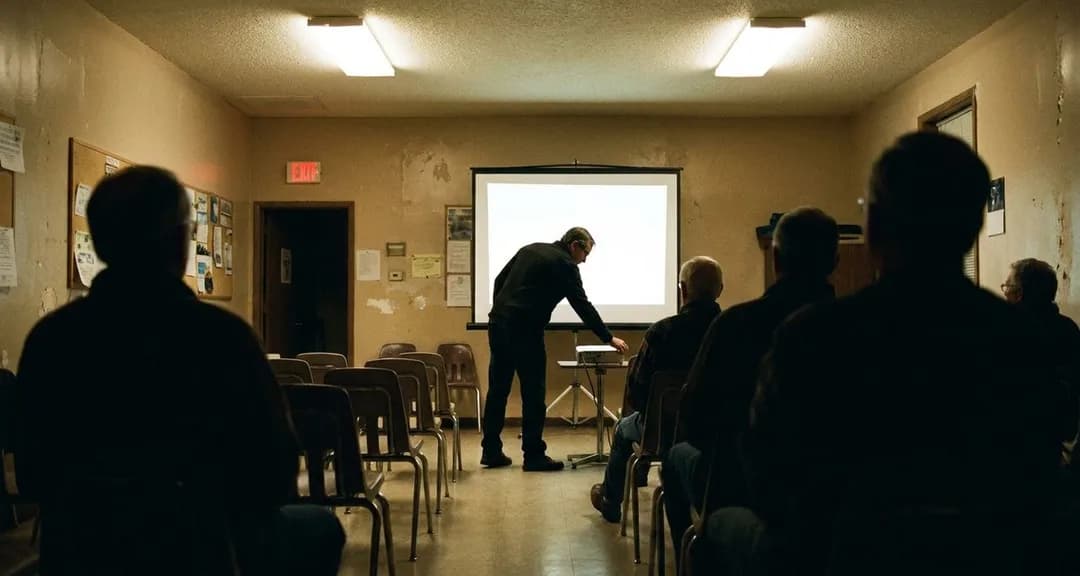
Forty minutes into any match the image starts to yellow slightly at the edges. Someone always gets up to adjust the focus or reposition the laptop because the connection's finicky. There's a backup plan involving someone's tablet and a long HDMI cable stored in a canvas bag under the stage. You learn quickly that if the stream lags everyone groans in unison regardless of which team they support. Shared suffering of buffering creates temporary ceasefires. The person managing the tech sits in the middle row and fields requests to rewind controversial calls even though the stream doesn't allow it. When the projector fan whirs too loud someone turns up the laptop volume. It's a constant negotiation between visibility and audibility. The whole setup feels precarious in a way that makes every goal more urgent because you're half-worried the equipment will die before full time.
What You Eat Tells You Who's Winning
Pay attention to the food tables during tense moments. When Iraq pushes forward in attack their corner goes quiet and still. Hands hover over plates. No one chews. If they score the table erupts and suddenly everyone's eating again, passing dishes, pouring more tea. Same pattern on the Venezuelan side. You can read the emotional temperature of the match by watching who's reaching for seconds. After a tough loss one side starts packing up their trays early, wrapping leftovers in foil with careful precision that suggests they need something to do with their hands. The winning side lingers. Offers food to neutrals and even a few brave souls from the other corner who come over to congratulate them. By the time you leave there's always mixed plates on both tables. Arepas next to rice. Dolma next to cachitos. The food outlasts the rivalry by at least an hour.
Kids Own the Back Third of the Room
They start out sitting with their families but by second half they've migrated to the rear where they sprawl on the floor with tablets and handheld games, half-watching the match. They're the ones who switch allegiances mid-game based on which team is more fun to watch. A seven-year-old in an Iraq kit cheers when Venezuela threads a beautiful pass because she just likes good soccer. Her older brother hushes her but not seriously. These kids go to the same schools, ride the same buses, already speak the hybrid English their parents are still learning. They're less invested in the outcome and more interested in whether they can convince someone to buy them chips from the vending machine in the hallway. When a goal happens they react a half-second after everyone else because they weren't fully paying attention. But they're absorbing something anyway. The ritual of gathering. The way adults get loud and emotional over something happening thousands of miles away on a screen. How you can share space with people who want opposite outcomes and still end the night as neighbors.
Practical Notes
The hall sits in a complex near the intersection where you'll find the DeKalb County library branch and a cluster of international markets. Matches screen on weekday evenings and weekend afternoons depending on time zones. No admission fee but bringing food to share is the expected currency. Parking wraps around the back of the building. MARTA's blue line gets you within walking distance if you time it right. The space holds maybe sixty people comfortably, eighty if everyone's willing to stand along the walls. Get there thirty minutes before kickoff if you want a chair with a sightline. The projector setup is volunteer-run so occasionally matches get moved or cancelled if the tech person can't make it. No alcohol served on premises. Someone usually knows someone who's organizing the next screening so ask around before you leave.
Tags: #2026FIFAWorldCup #ClarkstoneAtlanta #DiasporaFootball #IraqiCommunity #VenezuelanCommunity #WorldCupViewing #DeKalbCounty #AtlantaSoccer #CommunityGathering #MulticulturalAtlanta #ImmigrantStories #NeighborhoodFootball #AtlantaDiaspora #SoccerCulture #LocalGems
Sources consulted: fifa.com · espn.com · timeout.com
All trademarks are the property of their respective owners.
Ask Karpo for more information.
Keep reading
- Haaland Has Seven Goals and Norway Runs Entirely Through Him
 World Cup Trophy Ceremony Timing Medals and Postmatch Celebrations
 Olise and France's Attack: The Semifinal Tactical Question