 Haaland Has Seven Goals and Norway Runs Entirely Through Him
⚽️2026 FIFA WORLD CUP
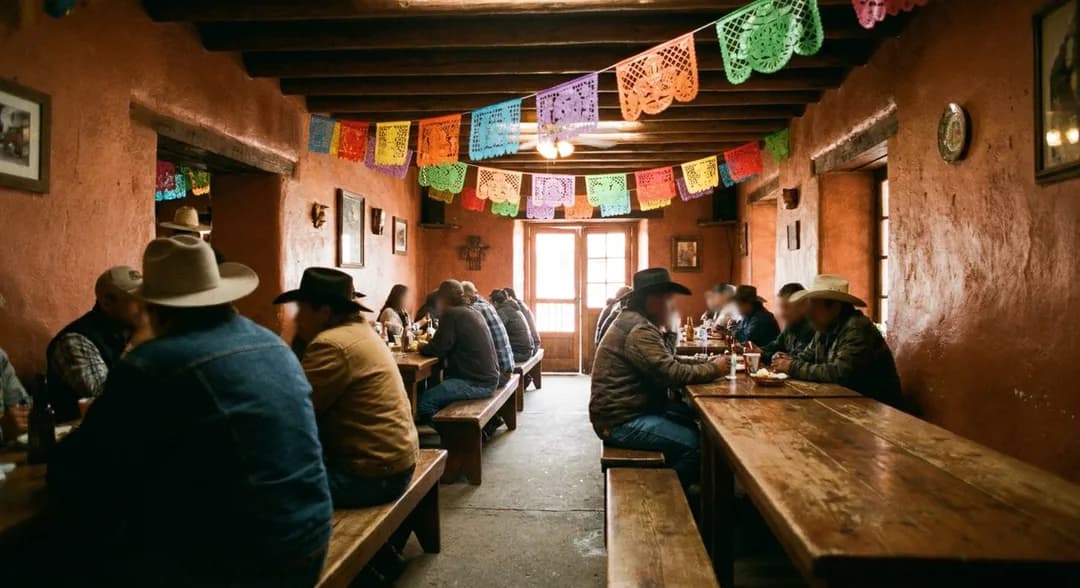
Where Do Fans Mourn a Legend's Final Match During Mexico vs Sudafrica in Little Italy?
Little Italy's cantinas become pilgrimage halls when Mexican fans gather to witness what might be an icon's last World Cup performance.
You know a match carries weight when the room goes quiet before kickoff. In Little Italy, when Mexico takes the field against Sudafrica and whispers circulate that this might be the final World Cup appearance for a player who's carried the tri-color through two decades of tournaments, the cantinas along College Street transform from neighborhood hangouts into something closer to chapels. You're not just watching soccer. You're bearing witness to the end of an era, surrounded by people who've structured entire Sundays around this player's moments of brilliance, and the air tastes like salt and lime and something bittersweet you can't quite name.
The Weight of Green Jerseys Before Dawn
You'll spot them hours before the match starts, walking west along College in replica jerseys that span generations of Mexican national team designs. Some are vintage enough that the fabric has gone thin at the shoulders. The early crowd claims the window seats and corner booths, and if you arrive after the pre-game shows start, you're standing. The cantinas here don't take reservations for World Cup matches—first come keeps their territory until the final whistle. What strikes you isn't the volume yet, but the deliberate way people settle in, arranging scarves and flags with the care usually reserved for altars. Someone's grandmother holds court at a four-top, her green shawl draped over the chair back, and when the lineup appears on screen, she crosses herself. Not everyone here is Mexican, but everyone understands that today's match isn't about three points in a group stage.
Where the Kitchen Smoke Carries Memory

The smell reaches you before you see the kitchen door swing open—charred corn and dried chilies and the particular sweetness of masa hitting hot oil. The cantinas that matter during these matches are the ones where the kitchen never stops moving, where plates arrive at tables without anyone ordering because the cooks know what a three-hour match requires. You'll find tlayudas the size of dinner plates, their edges crisp enough to crack, topped with chorizo that stains your fingers orange. Tacos arrive in waves, timed to halftime and substitutions, and the tortillas are small and doubled because the fillings—lengua, carnitas, rajas—are generous enough to break through a single layer. Between the tables, servers navigate with the precision of people who've worked this room through dozens of tournament matches, balancing micheladas rimmed with Tajín and glass bottles of Jarritos that sweat in the June heat. The kitchen's rhythm becomes the match's rhythm, and you start to understand that feeding people is part of the ritual here.
The Moment When Silence Becomes Prayer
There's a specific quality to the quiet that falls when the aging icon touches the ball in a dangerous position. It's not the absence of sound—you can still hear the hiss of the draft lines, the scrape of a chair—but everything becomes background to the collective held breath. This happens maybe four or five times in a match, these pockets of suspension where an entire room leans forward as one body, and if you're new to this particular cantina culture, the intensity catches you off guard. These aren't casual fans. These are people who remember this player's debut, who've named children after him, who've arranged work schedules around time zones and tournament brackets. When he makes the run you've seen him make a hundred times—the one that used to leave defenders grasping at air but now requires just a bit more space, a bit more time—the prayer isn't that he'll score. The prayer is that he'll have one more moment of the magic that defined him, that the body will cooperate one more time, that we'll get to remember him this way instead of the way age eventually claims everyone.
What the Regulars Know About Territory
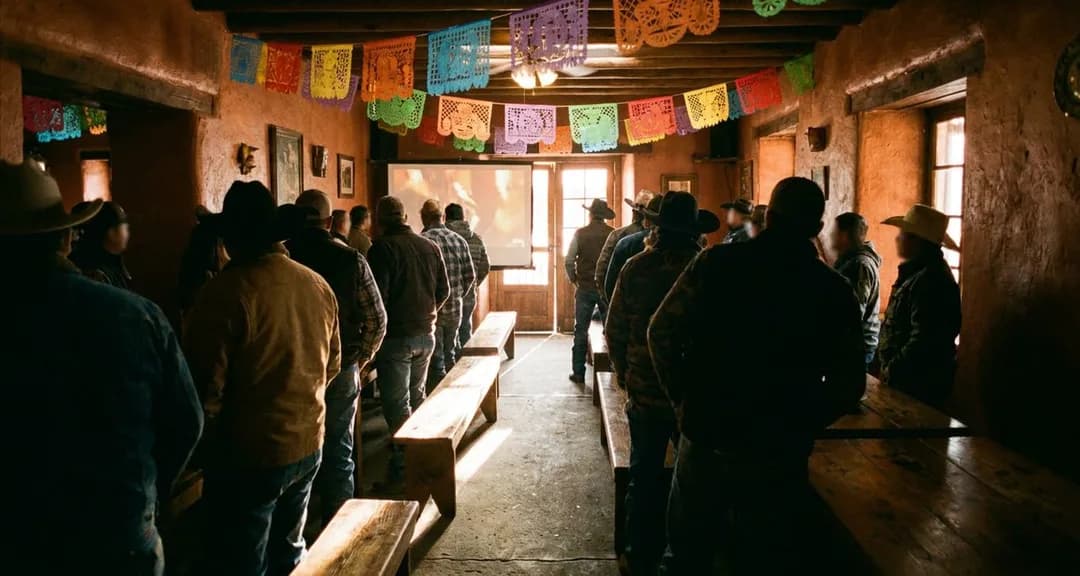
The corner nearest the biggest screen belongs to a group that's claimed it for every major tournament since the cantina opened. They're multigenerational—grandfathers who emigrated in the seventies, their Canadian-born grandchildren who speak Spanish with Toronto vowels, cousins visiting from Jalisco who argue about tactics in rapid-fire slang you'll need three beers to follow. What you notice if you watch them instead of the match is how they narrate for each other, filling in context and history, turning a single game into a thread that connects decades. When the icon receives the ball, someone will say "remember Johannesburg" or "just like against Brazil" and suddenly you're not watching one match but all of them simultaneously, the entire career compressed into ninety minutes. They'll make space for you if you're respectful, if you buy a round, if you don't try to explain what the coach should have done. The unspoken rule: you can celebrate, you can despair, but you don't leave before it's over. Not today.
How Light Changes When Hope Shifts
The cantinas here have windows that face west, and as the match stretches into late afternoon, the sun cuts through the glass at an angle that turns the Corona bottles into prisms and catches the smoke from the kitchen in visible shafts. When Mexico pushes forward, the light seems to brighten, or maybe that's just the collective lean toward the screen, bodies creating new shadows. When Sudafrica counters, the room darkens even though nothing about the actual light has changed. You start to notice how the icon's number—visible on jerseys throughout the room—becomes a kind of talisman people touch between plays. A woman at the bar rubs the embroidered digits on her sleeve before each Mexican free kick. A kid traces the number on his father's back while standing on a chair. The light and the fabric and the hope all tangle together until you can't separate them, and when the final whistle blows, regardless of the result, the cantina holds its breath one more time before releasing into whatever comes next.
The After, When Everyone Stays
You'd think people would scatter once it's over, but the cantinas in Little Italy understand that leaving immediately would break something. So you stay. The kitchen sends out plates of churros and flan, sweet things to cut the salt and lime and beer. Conversations shift from what happened to what it meant, and this is when you hear the real stories—where people were for the iconic goals, how they explained this player's importance to their Canadian-born children, what it felt like to watch greatness in real time. The screens switch to other matches, other groups, but nobody's really watching. Someone starts a song, quietly at first, then building until half the room joins in. The icon's name becomes a chant, then a thank you, then finally just a murmur that fades into the regular noise of a Sunday evening. You settle your tab and step back onto College Street, and the light has gone golden and forgiving, the kind of light that makes you believe you'll remember this exactly as it happened, even though you know memory doesn't work that way.
Practical Notes
Most cantinas along College Street between Bathurst and Ossington open early on match days—think mid-morning for afternoon kickoffs. Arrive at least ninety minutes before the scheduled start if you want a seat. Cash helps, though most places take cards now. The food runs from a few bucks for tacos to low-key cheap for full plates. Transit-wise, you're looking at the 506 streetcar along College, or it's walkable from Bathurst or Ossington stations if you don't mind the fifteen-minute stroll. During World Cup matches, expect standing room only and plan accordingly. The neighborhood gets loud but stays friendly—just respect that people are emotionally invested in what's happening on screen. Some spots will have outdoor seating if the weather cooperates, but the real atmosphere lives inside where the screens are biggest and the sound system does justice to the commentary.
Tags: #TorontoFoodScene #LittleItaly #WorldCup2026 #MexicanCuisine #SoccerCulture #CollegeStreet #TorontoEats #FIFAWorldCup #AuthenticTacos #TorontoNeighborhoods #DiasporaStories #UrbanPilgrimage #WorldCupWatch #TorontoLife #CantinaCulture
Sources consulted: fifa.com · espn.com · timeout.com
Please drink responsibly. Must be of legal drinking age.
All trademarks are the property of their respective owners.
Ask Karpo for more information.
Keep reading
- Haaland Has Seven Goals and Norway Runs Entirely Through Him
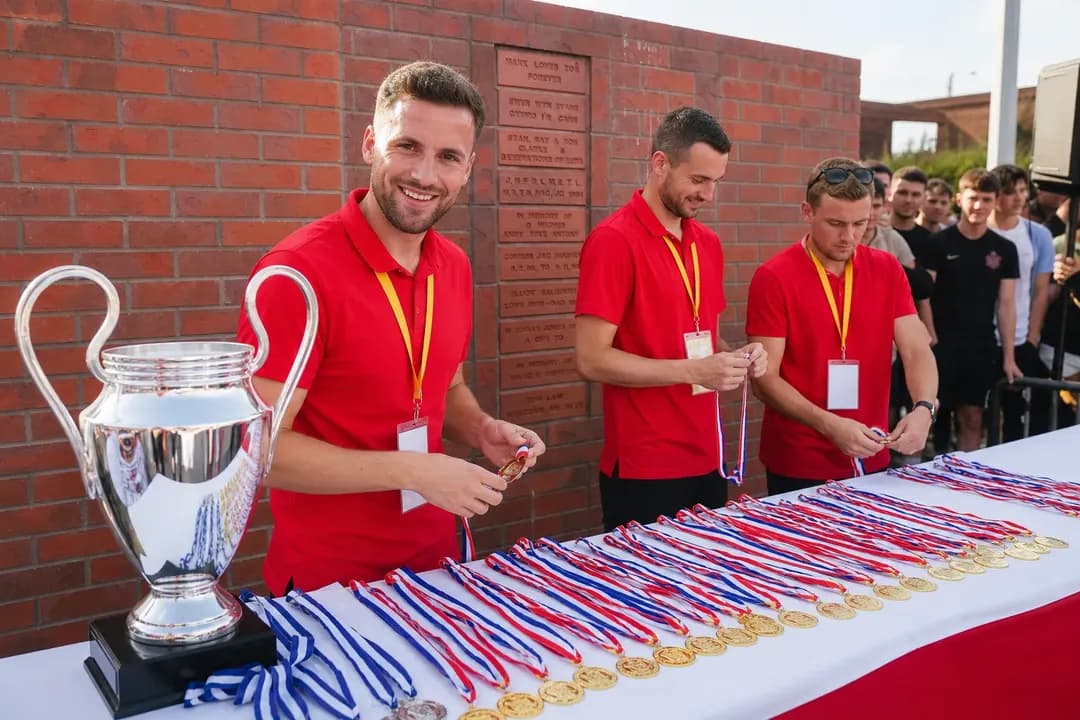 World Cup Trophy Ceremony Timing Medals and Postmatch Celebrations
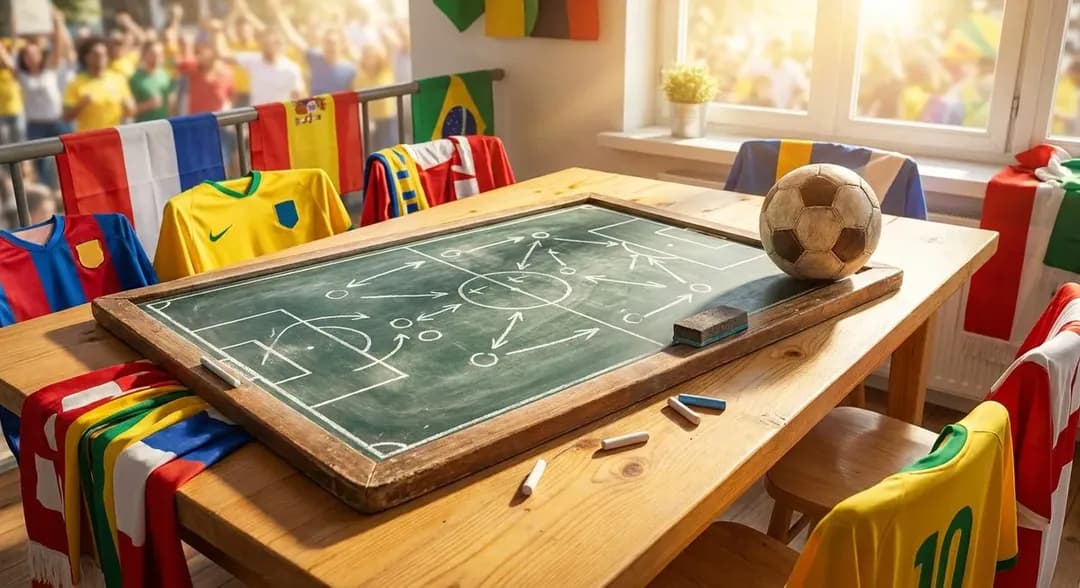 Olise and France's Attack: The Semifinal Tactical Question