 Haaland Has Seven Goals and Norway Runs Entirely Through Him
⚽️2026 FIFA WORLD CUP
Where Do Fans Honor a Legend's Final Run During South Korea vs Czechia in Inner Richmond?
Inner Richmond's quiet Korean teahouses transform into hushed theaters when an aging star may be taking their last bow on the World Cup stage.
# Where Do Fans Honor a Legend's Final Run During South Korea vs Czechia in Inner Richmond?
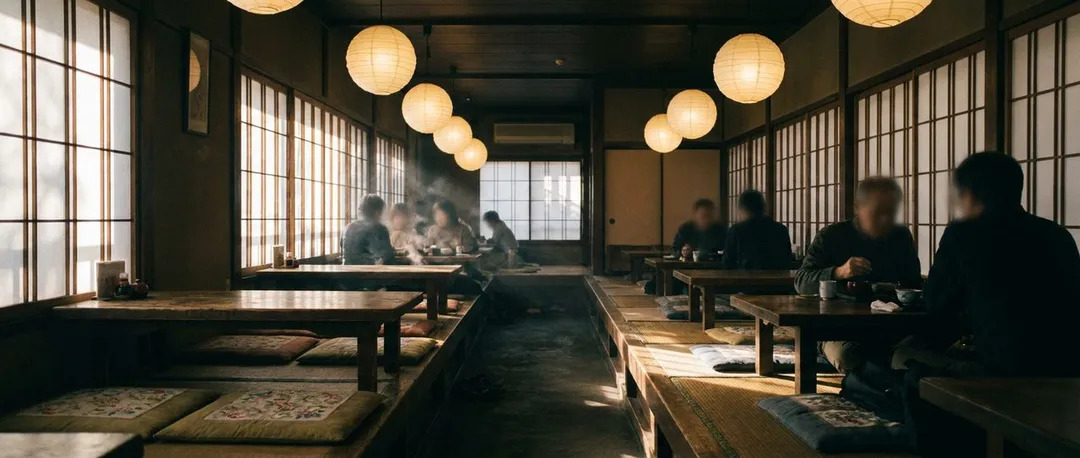
You walk into a Korean teahouse on a weekday morning in Inner Richmond and the air feels different when a national team legend might be playing their last World Cup match. The usual quiet hum of conversation drops to near silence, and even the ceramic cups settle onto saucers with unusual care. This is where the diaspora comes to witness history with the reverence it deserves.
The Geography of Reverence Between Clement and Geary
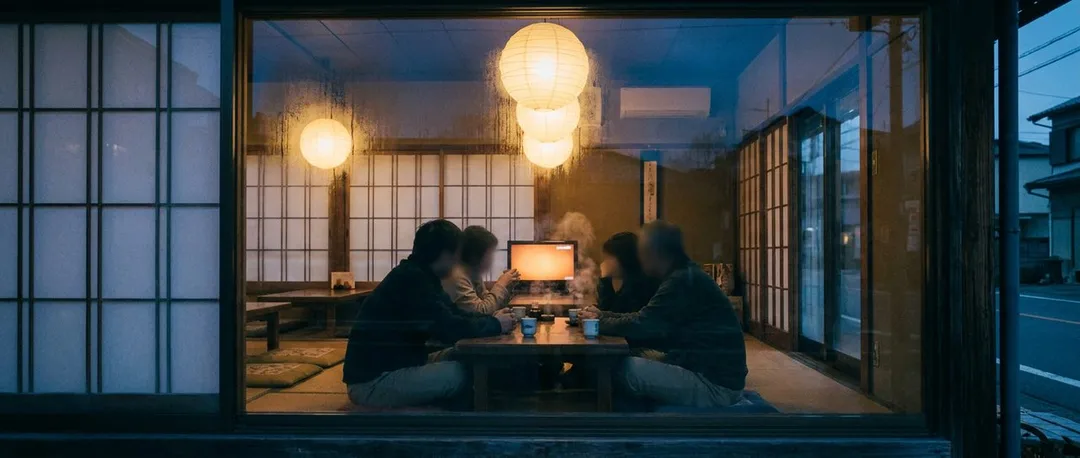
Inner Richmond doesn't announce itself the way other neighborhoods do. The teahouses and small restaurants tucked along the avenues between Clement and Geary operate on a different frequency, one that prioritizes longevity over flash. When South Korea takes the pitch against Czechia, these spaces transform from everyday gathering spots into something closer to private chapels. You'll find them in the blocks west of Arguello, where the fog sits heavier in the morning and the residential quiet makes every cheer feel more intentional. The storefronts don't advertise with banners or sidewalk signs. You recognize them by the blue glow of screens visible through steamed windows and the clusters of parked cars that appear an hour before kickoff, double-parked with hazards blinking while someone runs inside to claim a table.
When the Matriarchs Claim the Corner Booths
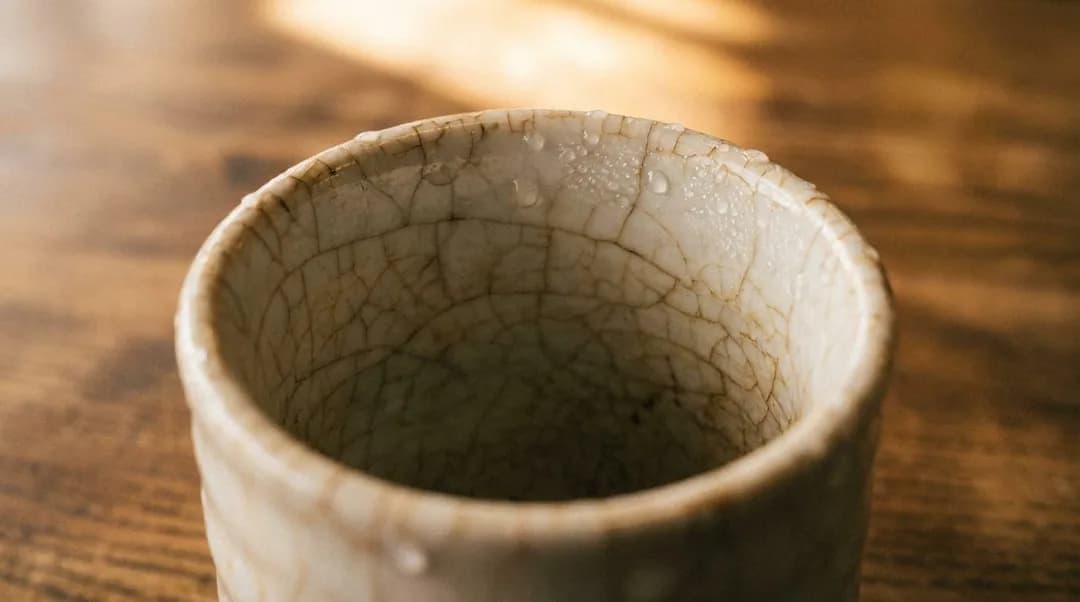
The women arrive first. They're in their sixties and seventies, wearing practical jackets and carrying thermoses of barley tea they've brewed at home. They take the corner booths without asking, the ones with the best sightlines to the mounted screens, and they spread out banchan containers they've packed in reusable grocery bags. One woman always brings homemade kimchi in a glass jar, the kind that's fermented just to the edge of too sour, and the smell cuts through the roasted corn tea and sesame oil already lingering in the air. These aren't casual fans. They remember watching this player's debut match on grainy satellite feeds, back when he was barely old enough to grow facial hair. They've tracked every injury, every comeback, every tournament where he carried the team further than anyone expected. When he touches the ball in the opening minutes, you hear sharp intakes of breath, not cheers.
The Texture of Collective Silence
What surprises you is how quiet it gets during crucial moments. In other sports bars across the city, volume correlates directly with stakes. Here, the tension expresses itself in stillness. You notice people leaning forward in their chairs, elbows on knees, hands clasped. The only sounds are the commentators speaking rapid Korean through the television speakers and the occasional scrape of a spoon against a bowl. Someone's phone buzzes and they silence it immediately, almost apologetically. The fluorescent lights overhead seem too bright for the mood, casting everything in a clinical clarity that makes every facial expression readable. When a promising play breaks down, you hear fabric rustling as people shift in their seats, but no one speaks. The collective focus feels like a held breath that stretches across minutes.
What the Kitchen Sends Out Without Being Asked
The kitchen staff reads the room differently during these matches. The usual menu still applies, but certain dishes appear at tables without being ordered. Small plates of tteokbokki, the rice cakes cut shorter than usual so they're easier to eat with one hand while your eyes stay on the screen. Hotteok arrives golden and crispy, the brown sugar filling still molten enough to burn your tongue if you're not careful. The timing matters: these arrive during halftime or natural breaks in play, never during active possession. You realize the kitchen has its own screen back there, that they're watching too, that they know exactly when people can afford to look down at their food. The portions come smaller than if you'd ordered from the menu, priced to feel like gestures rather than transactions. Everything arrives on paper plates with wooden chopsticks, nothing that clatters or requires attention to keep from spilling.
The Generational Divide in How Hope Sounds
The younger fans, the ones in their twenties and thirties, allow themselves more visible emotion. They wear replica jerseys and scarves, and when something promising happens, they let out quick bursts of encouragement in English. "Come on, come on, come on." Their parents and grandparents shoot them looks that aren't quite disapproval but communicate something about decorum, about not presuming outcomes. The older generation has watched too many tournaments end in heartbreak to invest in optimism before the final whistle. They've learned to protect themselves by maintaining composure, by treating each match as something to be endured rather than enjoyed. You see this divide most clearly when a scoring chance develops: the young fans half-rise from their seats, while their elders stay planted, faces neutral, waiting to see how the moment resolves before allowing themselves to react. It's a masterclass in emotional risk management, played out across two or three tables in a seventy-seat teahouse.
Where the Afternoon Light Catches the Screen
By the time the match reaches its final minutes, the fog outside has usually burned off enough that afternoon light starts slanting through the windows. It catches the screen at an angle that makes it harder to see, washing out the colors and turning the players into silhouettes. No one gets up to adjust the blinds. You're all leaning in closer now, squinting through the glare, and somehow the diminished visibility makes it feel more urgent, more precious. If this is truly the legend's final World Cup appearance, you want to see every second, even if you have to strain for it. When the final whistle blows, the response depends entirely on the result, but there's always a moment of collective stillness first, a beat where everyone processes that it's over, that this particular chapter has closed. Then the sounds return gradually: chairs scraping, conversations resuming in Korean, the kitchen staff emerging to start clearing tables for the lunch rush that will arrive whether or not anyone feels ready to move on.
Practical Notes
Most Korean teahouses in Inner Richmond open in the late morning and stay open through mid-evening. For World Cup matches, arrive at least thirty to forty-five minutes before kickoff to secure a seat, especially for South Korea games. Parking is challenging but possible on the residential streets north of Geary. The 38 Geary bus runs frequently and drops you within a few blocks of most locations. Expect to spend roughly what you'd pay for a modest breakfast, though ordering is generally understood to be required if you're occupying a table during peak viewing times. These spaces operate on respect and reciprocity: you're welcome as long as you're genuinely there for the match and the community it creates. Some establishments may have capacity limits during major tournaments, but reservations aren't typically part of the culture. Cash is appreciated though cards are usually accepted.
Tags: #2026FIFAWorldCup #InnerRichmond #SanFrancisco #SouthKoreaFootball #KoreanDiaspora #TeahouseCulture #WorldCupViewing #SFNeighborhoods #ClementStreet #GearyBoulevard #DiasporaSports #KoreanCommunity #SFFood #HiddenSF #LocalsOnly
Sources consulted: fifa.com · espn.com · timeout.com
All trademarks are the property of their respective owners.
Ask Karpo for more information.
Keep reading
- Haaland Has Seven Goals and Norway Runs Entirely Through Him
 World Cup Trophy Ceremony Timing Medals and Postmatch Celebrations
 Olise and France's Attack: The Semifinal Tactical Question