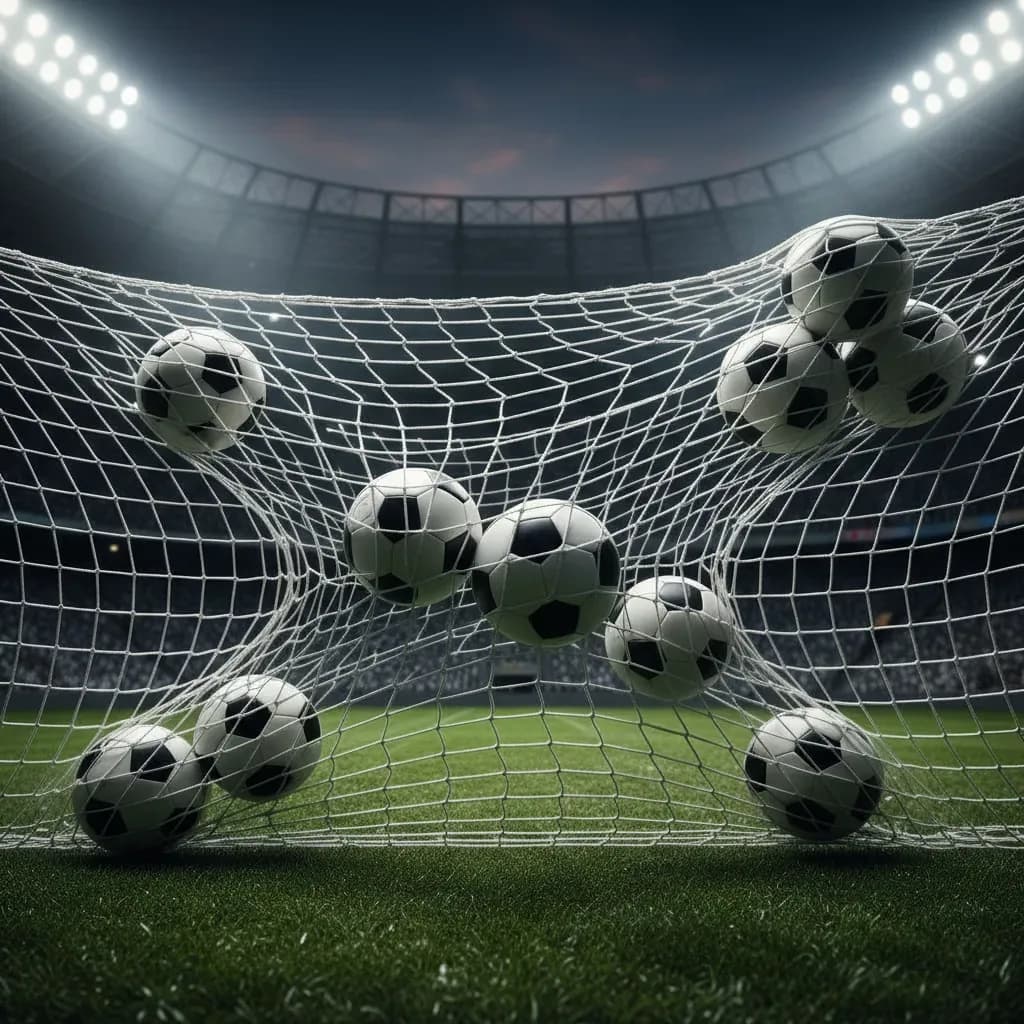
 Haaland Has Seven Goals and Norway Runs Entirely Through Him
⚽️2026 FIFA WORLD CUP
Where Do Fans Gather When Argentina vs Iceland Marks a Legend's Farewell in Bella Vista?
A South Philly corner where two diasporas share screens and the weight of watching an aging great's final tournament run unfold in real time.
You push through the door mid-afternoon and the air hits you first—grilled provolone, espresso steam, and the faint char of peppers coming off a plancha somewhere in back. Two flat-screens glow above the bar, one tuned to a pre-match analysis panel speaking rapid-fire Spanish, the other cycling through Icelandic commentary with subtitles nobody's reading. The crowd hasn't sorted itself yet. Argentine flags drape over chair backs. A couple of guys in sky-blue-and-white striped jerseys lean against the bar nursing Quilmes. Near the window, a cluster wearing glacier-blue Iceland kits—sparse but loud—trade jokes in a language that sounds like gravel rolling downhill. You're in Bella Vista, where two small diasporas collide every four years, and this time the stakes feel different. Everyone knows what's coming. This is the last dance, and the room can't decide if it wants to celebrate or mourn.
The Corner Where Two Worlds Refuse to Choose Sides
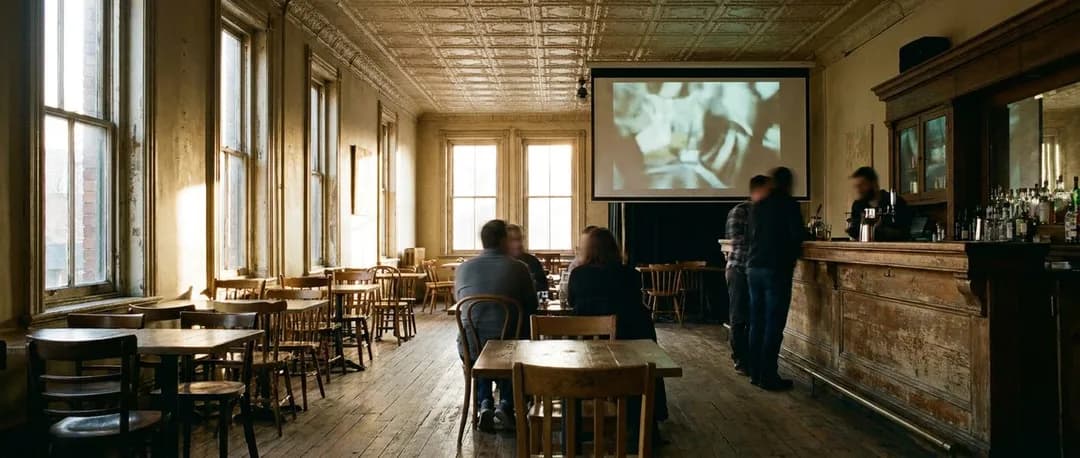
The spot sits on a residential block where rowhouses lean into each other and the sidewalks narrow to single-file. You wouldn't find it unless someone told you, or unless you followed the sound of a dozen conversations spilling out the propped-open side door. Inside, the layout's tight—maybe fifteen tables, a bar that seats eight if everyone exhales. The owner's family is from Córdoba, but his wife's cousin married a guy from Reykjavik, and somehow that lineage explains the dual allegiance. The walls hold framed jerseys from both nations, plus a black-and-white photo of Maradona that nobody's allowed to touch. On match days, the kitchen runs a hybrid menu: choripán next to plokkfiskur, empanadas alongside kleinur dusted in cinnamon sugar. You order at the counter, grab your own napkins, and find a seat wherever physics allows.
What the Room Feels Like When the Lineup Drops
Forty minutes before kickoff, the energy tightens. Someone's phone buzzes with the team sheet and a groan ripples through the Argentine side of the room. You don't need to speak Spanish to understand—the aging great is starting, but the midfield around him looks thin, rearranged. The Icelandic contingent stays quiet, superstitious, but you catch a couple of them exchanging glances. The bartender, a woman in her fifties who switches languages mid-sentence without noticing, cranks the volume. The pre-match montage plays: archival footage of the legend in his prime, cutting through defenses like they're painted on. Someone near you mutters something about knees and time, and the guy next to him shakes his head. You smell onions hitting hot oil in the kitchen. The room's humidity climbs. Somebody props the back door open with a cinder block.
The Ritual of Arriving Too Early and Staying Too Late
Regulars show up two hours ahead, claim their tables with jackets and scarves, then disappear to smoke or pace the block. You learn quickly that seating is territorial but not hostile—if you're wearing colors, you'll get waved over to the right section. First-timers get the wobbly table near the bathroom. The diehards, the ones who've been coming since the last World Cup, occupy the corner booth with the sightline to both screens. They bring their own mate gourds, refill from a thermos, pass it around without asking. By the time the anthems play, the room's standing-only. Shoulders press into shoulders. Someone's uncle, visiting from Mendoza, starts singing under his breath and three others join in. The Icelandic fans don't have enough bodies for a chant, but they clap in unison, slow and thunderous, and for a second the whole room respects the effort.
What You Eat When You Can't Sit Still
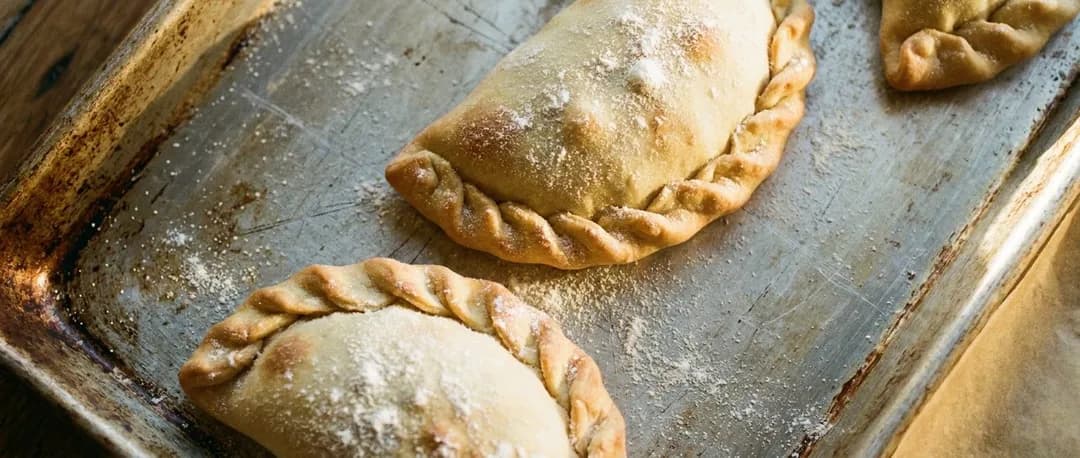
The kitchen doesn't stop once the match starts. You order between plays, during injuries, whenever the camera cuts to a coach's stricken face. The choripán comes on a soft roll, chimichurri so sharp it clears your sinuses, sausage with a snap that echoes even in the noise. The empanadas—beef, humita, or ham and cheese—arrive too hot to hold, and you see people juggling them from palm to palm, blowing on their fingers. The Icelandic side of the menu gets less attention, but the plokkfiskur—a mashed fish-and-potato situation, simple and starchy—has a cult following among the regulars who've learned to love it. Late in the second half, someone brings out a tray of medialunas, barely sweet, still warm, and they disappear in under a minute. You drink Quilmes if you're leaning Argentine, Einstök if you're feeling Nordic solidarity, or just cold water if you need to stay sharp for the final whistle.
The Moment the Room Splits and Then Doesn't
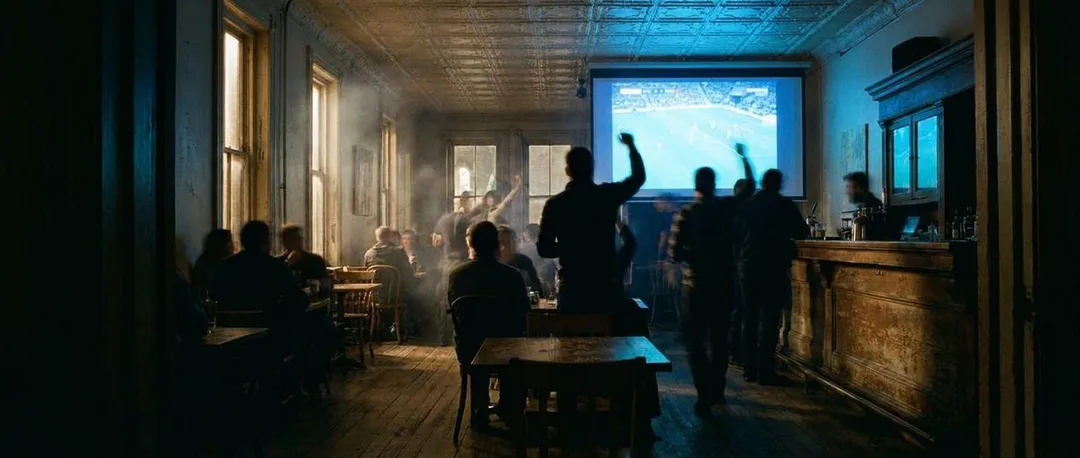
When the legend touches the ball, the volume spikes. Every pass, every turn, every moment he holds possession a beat longer than he should—people react like they're watching a tightrope act. You see older men gripping the edges of tables. A woman in an Argentina scarf covers her eyes during a near-miss, then screams when the rebound comes. The Icelandic fans aren't here to see him fail, exactly, but they're not sentimental either. They want the upset. They want the story. When Iceland's keeper makes a diving save, their corner erupts, and for a second the room fractures—but then someone from the Argentine side slow-claps, and a couple others join in, and the tension softens. You realize this isn't really about the result. It's about bearing witness. The room knows it's watching something end, and even rival fans can't help but share the weight of that.
The Quiet After, When Nobody Wants to Leave First
The final whistle blows and the room exhales. People don't rush out. They linger, replaying moments on their phones, arguing about a tackle that should've been a card, debating whether the legend's legs are gone or just saving themselves for the knockout rounds. The bartender switches one screen to post-match analysis, the other to highlights from earlier games. You hear someone say, "He's got one more in him," and someone else responds, "Maybe, but not like before." The kitchen stays open late, frying up another batch of empanadas for the stragglers. You smell burnt sugar from the medialunas, coffee brewing for the second or third time. The flags stay up. The jerseys stay on. Outside, Bella Vista returns to its regular rhythm—car horns, distant music, the hiss of a bus stopping two blocks over—but inside, the room holds onto the afternoon a little longer, reluctant to let the moment dissolve into memory.
Practical Notes: Timing, Transit, and the Unspoken Rules
The place opens late morning on match days, but you'll want to arrive at least ninety minutes before kickoff if you hope to sit. Street parking's a nightmare—take the Broad Street Line and walk the few blocks east into the neighborhood, or just accept that you're circling for twenty minutes. No reservations, no call-ahead. Cash is faster, but they take cards if you're patient. The crowd skews older, but younger fans show up for marquee matches, especially if the legend's playing. Wear your colors if you want, but don't be a jerk about it—this isn't the kind of place where rival fans brawl, and the regulars will freeze you out if you disrespect the vibe. Between matches, the spot runs a quieter operation—coffee, pastries, a short lunch menu—but it's the tournament days that define it. Check their social media the morning of for any last-minute changes, and expect the room to be at capacity by the time the anthems play.
Tags: #2026FIFAWorldCup #PhiladelphiaSoccerCulture #BellaVistaPhilly #ArgentineDispora #IcelandicCommunity #SouthPhillyEats #WorldCupViewing #SoccerBars #PhillyNeighborhoods #DiasporaStories #FarewellTour #AuthenticPhilly #HiddenGemPhilly #FootballCulture #LegacyMoments
Sources consulted: fifa.com · espn.com · timeout.com
Please drink responsibly. Must be of legal drinking age.
All trademarks are the property of their respective owners.
Ask Karpo for more information.
Keep reading
- Haaland Has Seven Goals and Norway Runs Entirely Through Him
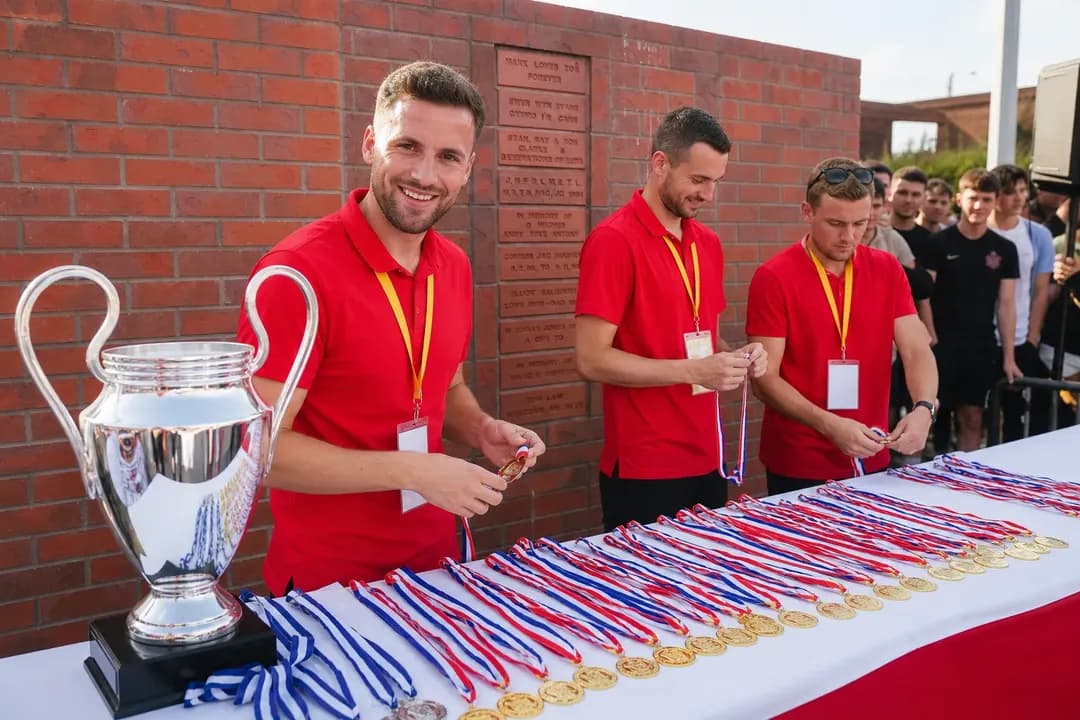 World Cup Trophy Ceremony Timing Medals and Postmatch Celebrations
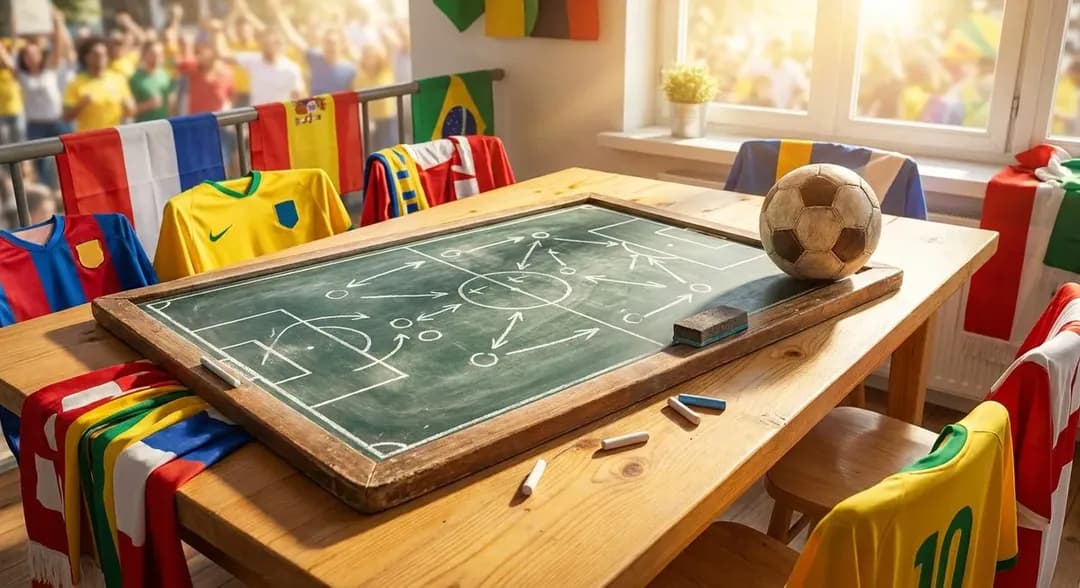 Olise and France's Attack: The Semifinal Tactical Question