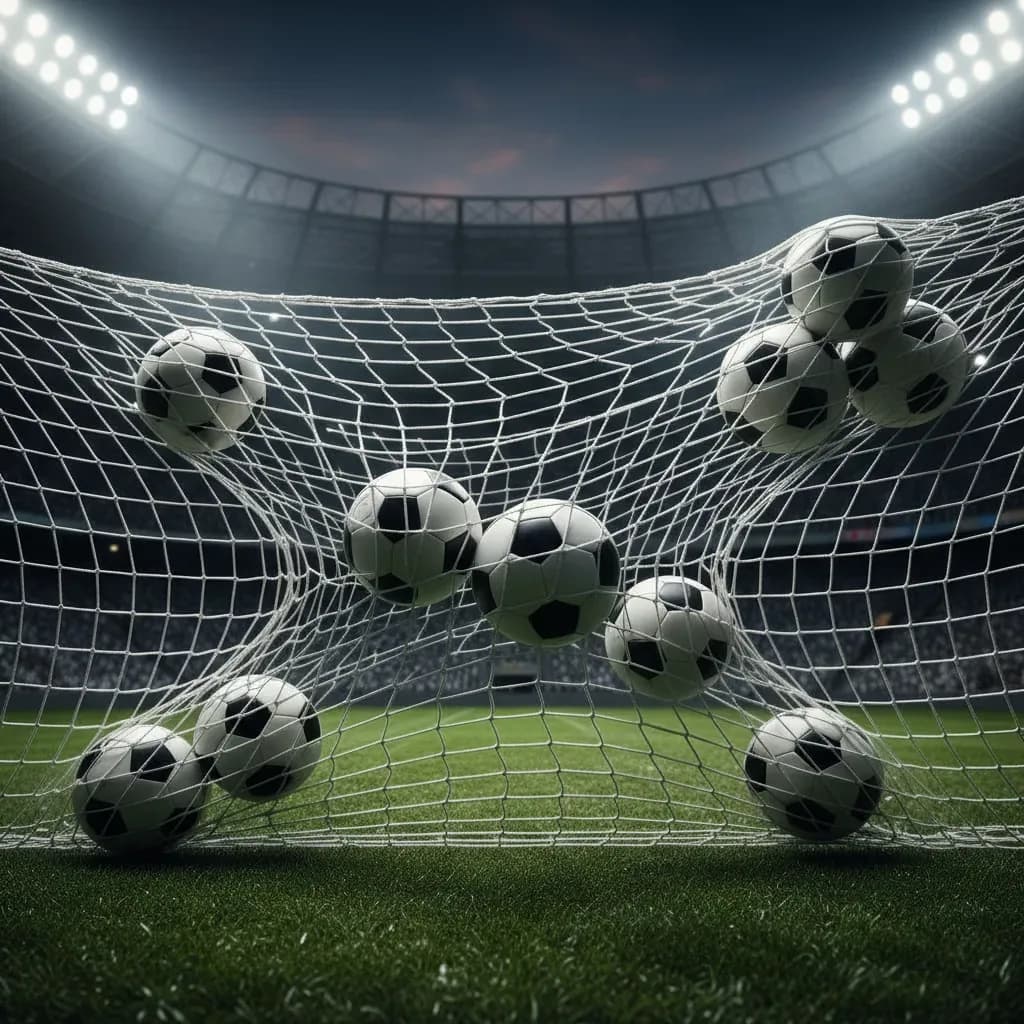
 Haaland Has Seven Goals and Norway Runs Entirely Through Him
⚽️2026 FIFA WORLD CUP
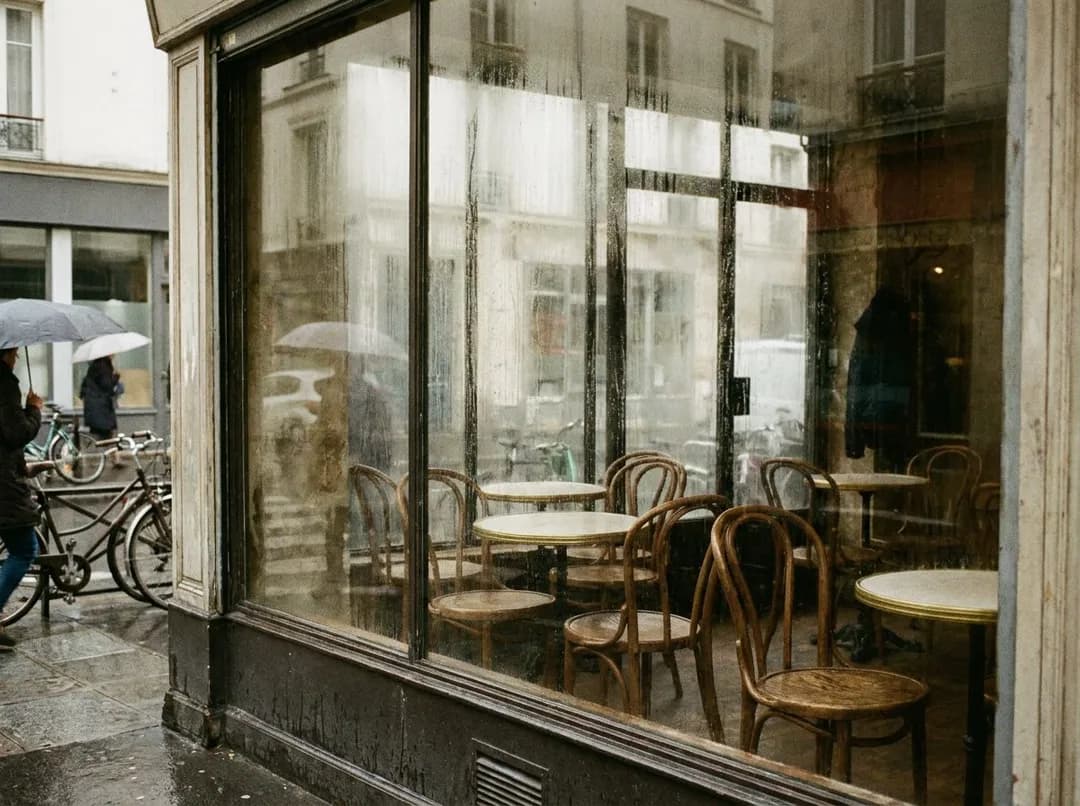
Where Do Fans Gather When Argentina vs Iceland Marks a Legend's Farewell in Commercial Drive?
Commercial Drive's soccer cafés fill early when an aging great may be taking the pitch for the last time in sky blue and white.
You hear the espresso machine hiss and the commentator's voice rise before you even reach the door. On Commercial Drive, mornings when Argentina plays feel different—sharper, louder, more caffeinated. The neighborhood's soccer cafés fill an hour before kickoff, and today there's weight in the air because everyone knows this might be the last time an aging legend wears the sky blue and white at a World Cup.
The Pre-Match Pilgrimage Starts in Bakery Light
Walk the Drive before nine and you'll catch supporters moving between Italian bakeries and Portuguese cafés, clutching paper bags of cornetti and custard tarts. The ritual matters as much as the match. You see the same faces every tournament—men in faded Boca jerseys, women in handknit scarves striped blue and white, teenagers in spotless replica kits they've been saving. They're not here for brunch. They're here because watching alone feels wrong when history might be unfolding. The morning light slants through storefront windows at an angle that makes every screen look like a shrine.
Where the Argentines Claim Their Corner Tables
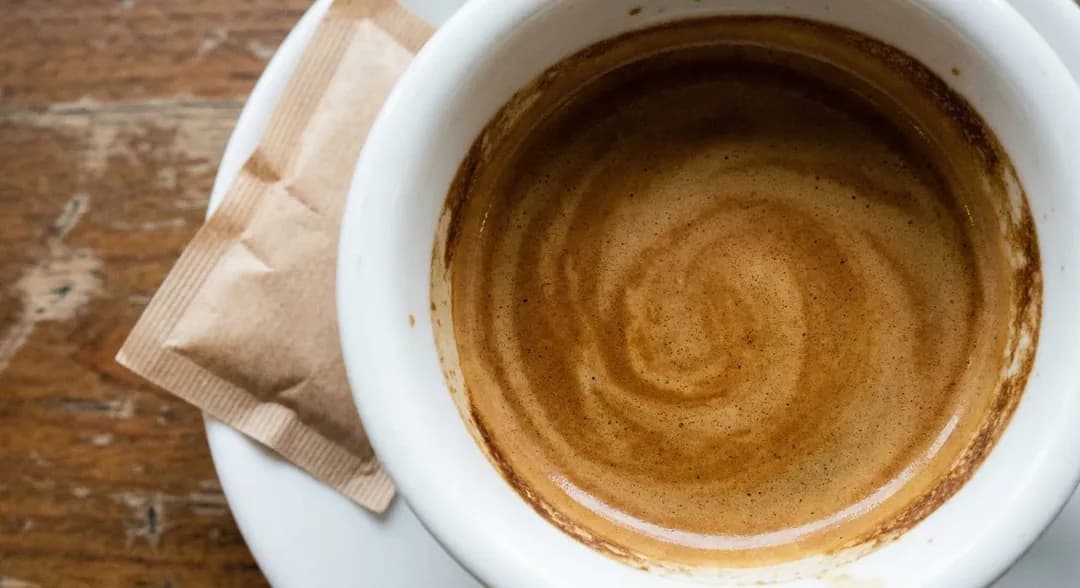
One café near the southern stretch becomes an unofficial embassy every four years. The owner doesn't take reservations for matches, but regulars know to arrive when the door unlocks. By the time the anthems play, every seat is spoken for and the standing-room crowd presses three deep at the bar. The walls are covered in framed photos—Maradona in '86, the Copa América runs, faded newspaper clippings in Spanish. The smell is dark roast and medialunas warming in a glass case, butter and sugar caramelizing. You'll hear more Rioplatense Spanish than English, conversations that shift between nostalgia and nervous hope. Someone always brings a drum. The owner pretends to disapprove but never stops them.
The Icelandic Pocket You Didn't Know Existed
Three blocks north, a smaller spot draws the Nordic faithful. It's quieter, more restrained, but the intensity runs just as deep. You'll recognize it by the Icelandic flag draped across the back wall and the Viking clap that erupts at unexpected moments. The crowd here skews younger—second-generation immigrants, exchange students, a few Canadians who adopted Iceland during their miracle run years ago. The menu leans toward open-faced sandwiches and strong coffee. What surprises you is the respect between the two camps. Supporters in opposing colors nod at each other on the sidewalk, share cigarettes outside, understand they're both here for the same reason: to witness something that might not come again.
When the Neutral Bars Become Accidental Theaters
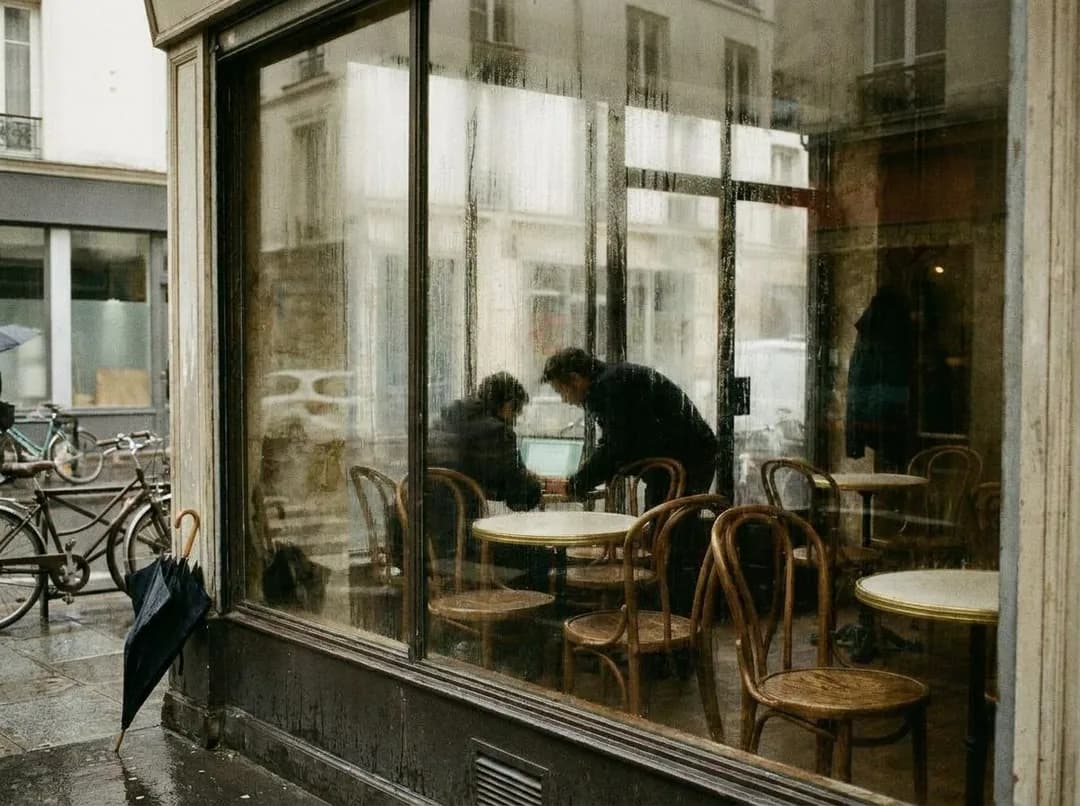
The Drive's sports pubs fill with a different energy—curious locals, fans of the game itself, people drawn by the atmosphere without a side to cheer for. These rooms feel like laboratories of crowd psychology. You watch alliances form in real time. A group arrives wearing no colors, then gradually migrates toward the Argentina section because the emotion is contagious. Or they drift toward Iceland because underdog stories pull harder than legacy. The bartenders work fast, pouring pints in assembly-line rhythm, barely looking up. The kitchen smells like fryer oil and wing sauce. Every table has a sight line to at least one screen. When something happens—a near miss, a controversial call—the sound moves through the room like weather.
The Halftime Migration Nobody Talks About
Fifteen minutes between halves and the Drive transforms into a pedestrian highway. You see people darting between venues, checking other crowds, looking for better energy or a smoking area that isn't packed. The pizza-by-the-slice joints do half their daily business in this window. You'll stand elbow-to-elbow with strangers, folding greasy triangles, debating what the manager should do in the second half. Someone always has a radio pressed to their ear, listening to a Spanish-language broadcast because they don't trust the English commentary. The urgency feels physical. Nobody lingers. Everyone's back in their seat before the whistle blows.
Where the Post-Match Reckoning Unfolds
If Argentina wins, the celebration spills onto the sidewalk—car horns, flags waving from sunroofs, strangers embracing. If they lose, the cafés empty fast, supporters disappearing into the side streets like a tide pulling back. But there's one place that stays full regardless: a low-key diner that serves breakfast all day and never rushes you out. This is where the real fans go to process what they've seen. The conversations are quieter here, more analytical. You hear people replaying key moments, debating tactics, wondering aloud if the legend has one more run left in him. The coffee is mediocre but bottomless. The vinyl booths are cracked and comfortable. The staff knows to leave the check face-down and give people time.
Practical Notes
Most soccer-friendly spots on Commercial Drive open early on match days, especially for morning kickoffs that align with European time zones. Arrive at least an hour before if you want a seat. Transit is straightforward—the Drive runs parallel to the SkyTrain, and several bus lines drop you within a block or two. Street parking fills fast; better to walk or bike if you're local. Some venues operate first-come-first-served, while others quietly hold tables for regulars. Cash helps, though most places take cards. Expect crowds to be mixed in language and loyalty—the neighborhood's immigrant history means you're never watching alone, even if your team is. If you're planning to stay for multiple matches across the tournament, scout your spot early. The best sight lines and the friendliest crowds reveal themselves over time.
Tags: #2026FIFAWorldCup #VancouverSoccer #CommercialDrive #WorldCupCulture #ArgentinaFootball #IcelandFootball #SoccerCafes #VancouverNeighborhoods #ImmigrantStories #FootballRituals #WorldCupViewing #TheDrive #VancouverEats #SportsBarCulture #LegacyMatches
Sources consulted: fifa.com · espn.com · timeout.com
All trademarks are the property of their respective owners.
Ask Karpo for more information.
Keep reading
- Haaland Has Seven Goals and Norway Runs Entirely Through Him
 World Cup Trophy Ceremony Timing Medals and Postmatch Celebrations
 Olise and France's Attack: The Semifinal Tactical Question