 Haaland Has Seven Goals and Norway Runs Entirely Through Him
⚽️2026 FIFA WORLD CUP
Where Do Bolivia vs Algeria Fans Watch Tonight in Capitol Hill?
Bolivian cafes and Algerian tea rooms on Pike Street broadcast side by side, filling the wet evening with pan flute recordings and oud music between whistles.
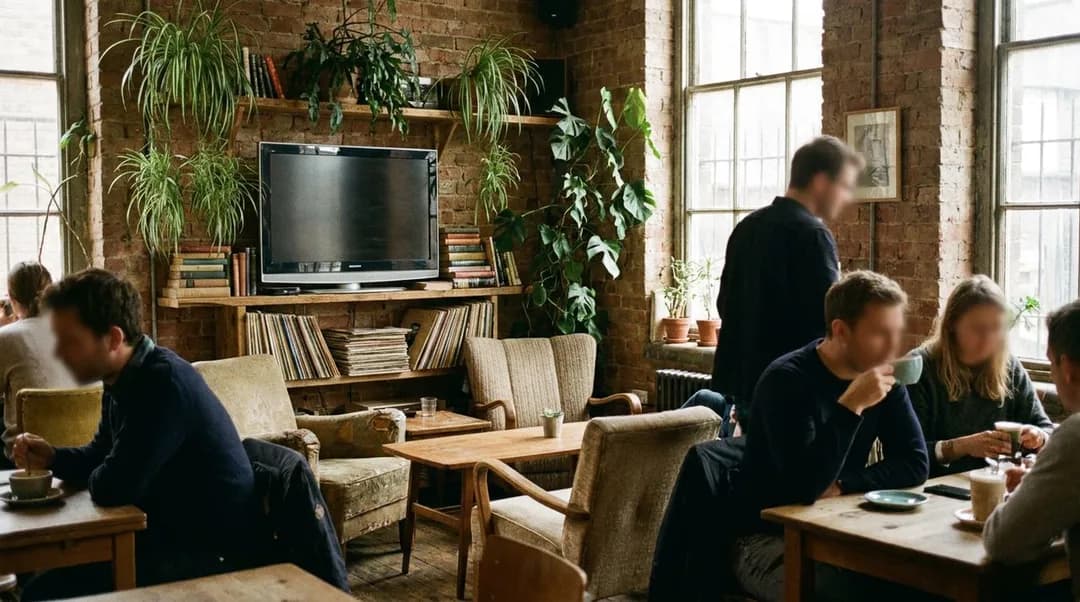
You walk Pike Street tonight and the air splits cleanly down the middle—pan flute recordings drift from one doorway, oud strings from another, both competing with the hiss of espresso machines and the low rumble of pre-match commentary in Spanish and Arabic. Capitol Hill's hosting a split-screen evening, and the sidewalk between these two rooms might be the most electric twenty feet in Seattle right now.
The Café With Saltenas Still Warm at Kickoff
The Bolivian spot sits low and narrow, windows fogged from the inside. You push through the door and immediately smell cumin, ají pepper, that particular sweetness of raisins cooked into beef. The television mounted above the counter is already tuned in, volume cranked high enough that the Spanish-language commentators drown out the indie rock someone tried to queue on the house speakers an hour ago. A woman behind the counter slides saltenas across the glass case—these aren't the dry airport versions, they're soup-bomb pastries that require a specific lean-and-bite technique unless you want to wear your dinner. You order one, maybe two, and find a corner table where you can see both the screen and the street. The regulars are already here, wearing La Verde jerseys in various states of fade, arguing about formations in rapid-fire Andean Spanish that occasionally drops into Quechua when things get heated.
Across the Street, Mint Tea Steams in Tall Glasses
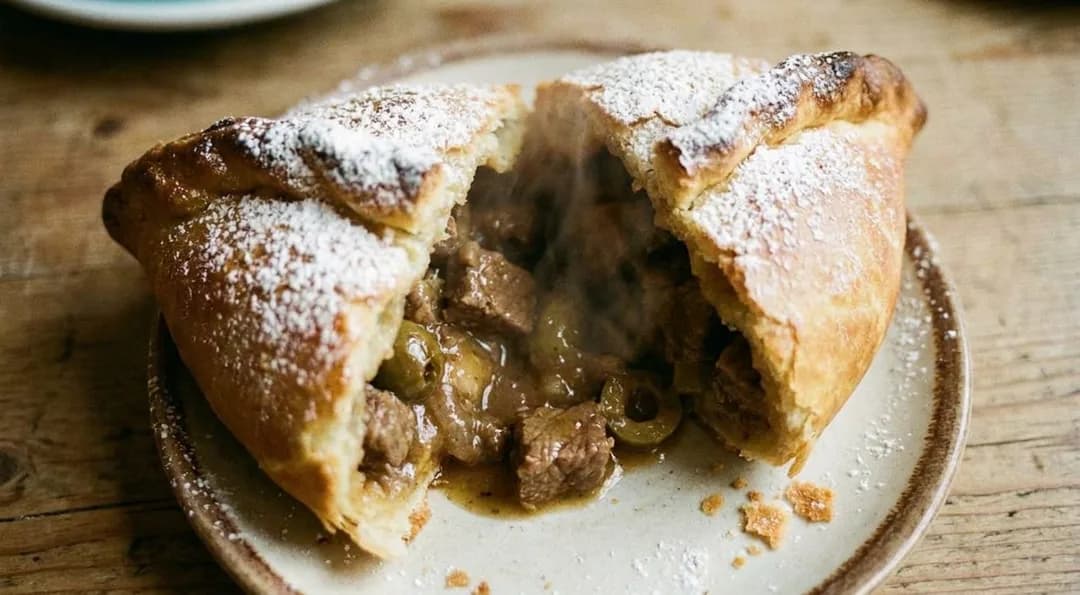
The Algerian tea room occupies a slightly wider storefront with better lighting, though the vibe is no less serious. You smell mint and sugar before you're fully inside, that sticky-sweet cloud that clings to your jacket. The screen here is larger, mounted on the far wall where everyone has a sightline. Men sit at small tables nursing glasses of tea that stay hot for an improbable amount of time, occasionally reaching for plates of makroud—those semolina cookies soaked in honey that stick to your fingers and require multiple napkins. The commentary is in French, which a few people translate into Arabic for the table behind you. Someone's brought a hand drum that sits untouched for now, waiting for a goal that may or may not come. The owner—a guy in his fifties who's been pouring tea with the same theatrical high-lift technique for the last twenty minutes—keeps glancing at the Bolivian place across the street, not competitive exactly, more like checking the temperature of a parallel universe.
The Pike Street Corridor Fills With Accidental Neighbors
Between these two spots, the sidewalk becomes its own venue. People spill out during halftime, smoking cigarettes, checking phones, arguing about referee calls in three languages. A group of Algerian fans ends up standing next to a cluster of Bolivians, and instead of tension there's this weird camaraderie—both crews know what it's like to support a team that doesn't make every headline, that requires dedicated streaming services and early-morning alarms for qualifiers. Someone shares a cigarette. Someone else shows a phone screen with a replay. The wet pavement reflects the neon from the vintage clothing store next door, and for a moment the whole block feels like a temporary embassy district, sovereign territory claimed by scarves and songs.
What You're Actually Eating While the Clock Runs
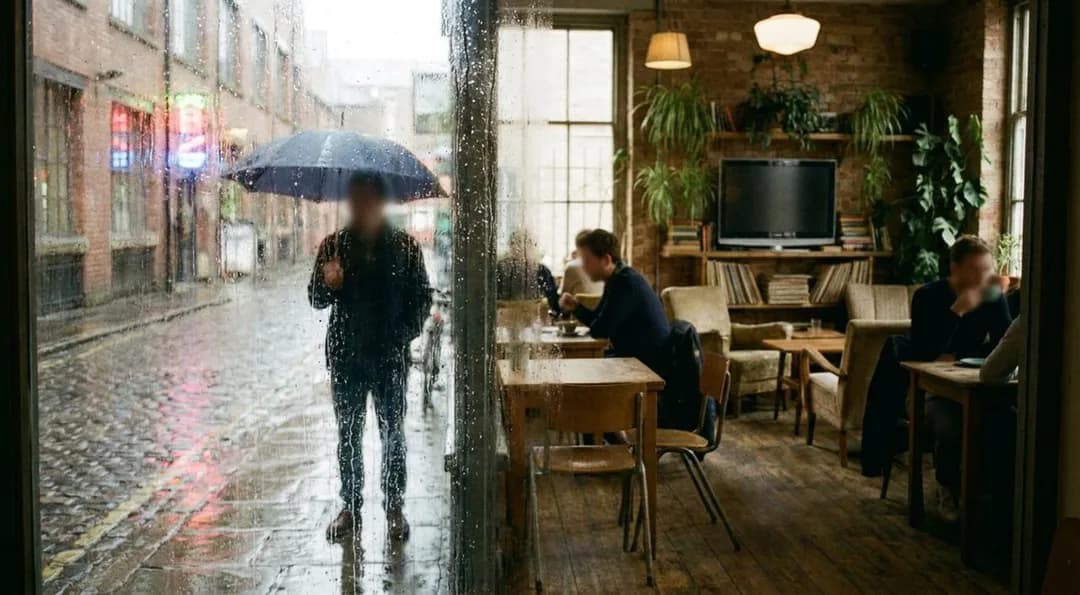
The Bolivian menu goes deeper than saltenas if you're hungry enough to stay through both halves. There's silpancho—a breaded cutlet situation with rice, potatoes, and a fried egg on top, the kind of plate that requires a second beer just to manage the carbs. The hot sauce comes in unmarked squeeze bottles and ranges from "pleasant warmth" to "are you trying to hurt me" depending on which one you grab. Across the street, the Algerian spot serves bourek during matches—thin pastry rolled around spiced meat, fried until it shatters when you bite down. You can also get chorba if you're there early enough, a tomato-based soup with lamb and chickpeas that's technically a starter but functions as a full meal. Both places understand that watching your team means eating your feelings, win or lose, and the portions reflect that philosophy.
The Sound Layer Cake Gets Thicker After Dark
As the match progresses, the audio landscape becomes almost architectural. You've got the dueling commentators—Spanish play-by-play from one side, French analysis from the other—creating a strange stereo effect if you stand in the middle of the street. Then there's the crowd noise from the broadcast, which sometimes syncs with the in-person reactions and sometimes lags by a few seconds, creating this echo-chamber effect where a goal gets celebrated twice. Between whistles, someone in the Bolivian café queues up a cumbia track that bleeds out the door. The Algerian spot counters with raï music, that Algerian pop-folk hybrid that sounds like a wedding and a protest march had a baby. Add in the hiss of the espresso machine, the clatter of plates, the scrape of chairs on tile, and you've got a soundscape that's equal parts sports bar and cultural collision.
When the Final Whistle Blows, Nobody Leaves Immediately
The match ends and both rooms exhale at different rates depending on the result. But win or lose, people linger. The Bolivian spot keeps the music going, and someone orders another round of api—a hot purple corn drink that tastes like Christmas and childhood. Across the street, the tea keeps flowing, and the hand drum finally comes out, someone tapping a rhythm that has nothing to do with the match and everything to do with the relief of it being over. You see people checking their phones, texting friends in La Paz or Algiers, posting shaky video clips of the crowd reactions. The street outside stays busy, people drifting between the two spots now that the tribal lines have softened. Someone suggests hitting the late-night taco truck two blocks down. Someone else knows a bar with a better screen for the next match. Capitol Hill absorbs the crowd back into its regular Friday night chaos, but for a couple hours, this one block belonged to two countries and a ball.
Practical Notes
Both spots operate on flexible neighborhood hours—expect them to be open from late morning through late evening most days, with extended hours during major matches. Pike Street runs east-west through the heart of Capitol Hill, easily walkable from the light rail station or most bus lines that cut through the neighborhood. Street parking is a myth during match nights; plan on transit or be prepared to circle. Neither place takes reservations, and seating is first-come during big games, so arriving thirty minutes before kickoff gives you a fighting chance at a table with a decent view. Cash is appreciated at both, though cards work. The food is low-key cheap—you'll eat well without dropping serious money. If you're planning to bar-hop after, know that Capitol Hill has plenty of options within a few blocks, but these two spots offer something you won't find in a generic sports bar: the stakes feel real, the food tastes like someone's grandmother made it, and the crowd actually cares about the result.
Tags: #2026FIFAWorldCup #SeattleEats #CapitolHill #BolivianFood #AlgerianCuisine #PikeStreet #SeattleNeighborhoods #WorldCupWatch #DiasporaDining #SoccerCulture #SeattleNightlife #HiddenGemSeattle #AuthenticEats #CapitolHillSeattle #SeattleLocal
Sources consulted: fifa.com · espn.com · timeout.com
All trademarks are the property of their respective owners.
Ask Karpo for more information.
Keep reading
- Haaland Has Seven Goals and Norway Runs Entirely Through Him
 World Cup Trophy Ceremony Timing Medals and Postmatch Celebrations
 Olise and France's Attack: The Semifinal Tactical Question