 Haaland Has Seven Goals and Norway Runs Entirely Through Him
⚽️2026 FIFA WORLD CUP
Where Can Portugal vs Nigeria Fans Watch Tonight Near the Italian Market in South Philadelphia?
Portuguese churrasqueiras and Nigerian suya grills on Ninth Street compete for sidewalk space as rival diasporas fill benches with flags and paper plates.
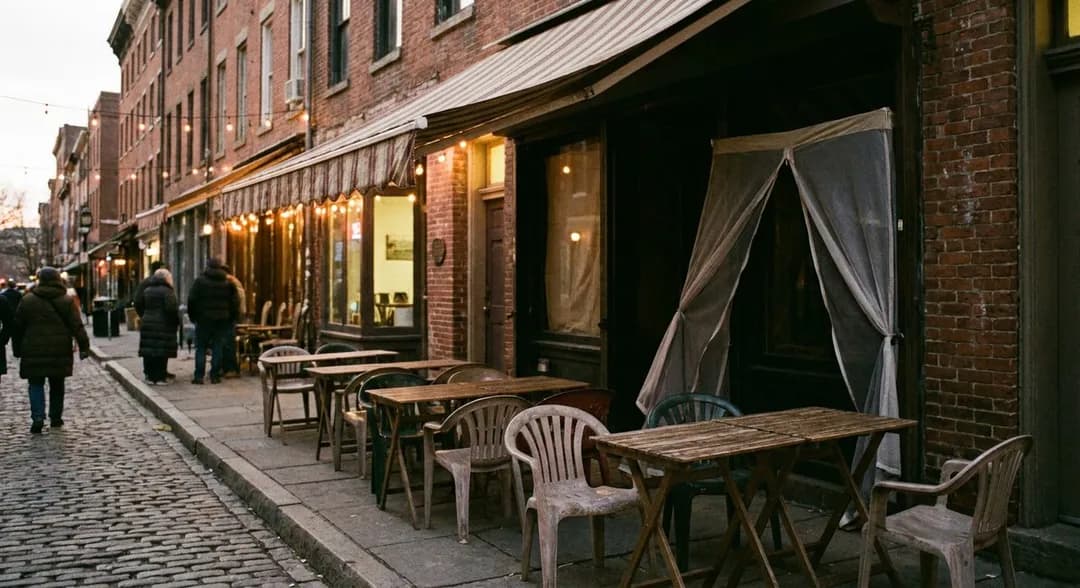
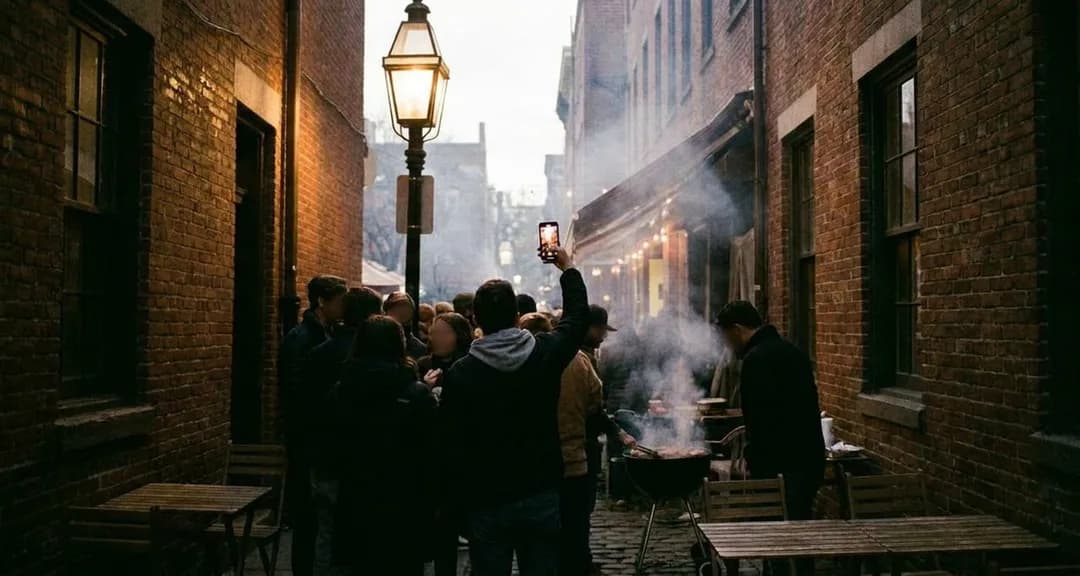
You walk Ninth Street on match day and the air splits into two competing smoke columns—charcoal-sweet piri-piri from the Portuguese side, pepper-forward suya spice drifting north from the Nigerian grills. Flags drape from second-story windows. Someone's blasting Burna Boy from a Bluetooth speaker duct-taped to a folding chair. Three doors down, a transistor radio crackles with Portuguese commentary. The Italian Market becomes a two-nation block party where the only thing more abundant than trash talk is the number of paper plates changing hands.
The Sidewalk Becomes the Stadium
By late afternoon, the benches outside the produce stands transform into bleacher seating. You see coolers wedged under tables, green-and-white scarves knotted around lamp posts, someone's grandmother in a Super Eagles jersey settling into a lawn chair she clearly dragged from home. The Portuguese crew stakes claim to the stretch near the cheese shops, where they've been congregating since the Euros. Nigerians anchor closer to the spice vendors, a geographic logic that makes perfect sense if you've spent any time here. No one's moving. Both sides brought sandwiches. The match hasn't started and already the energy hums at a frequency that makes passing cars slow down to see what's happening.
Where the Grills Actually Are
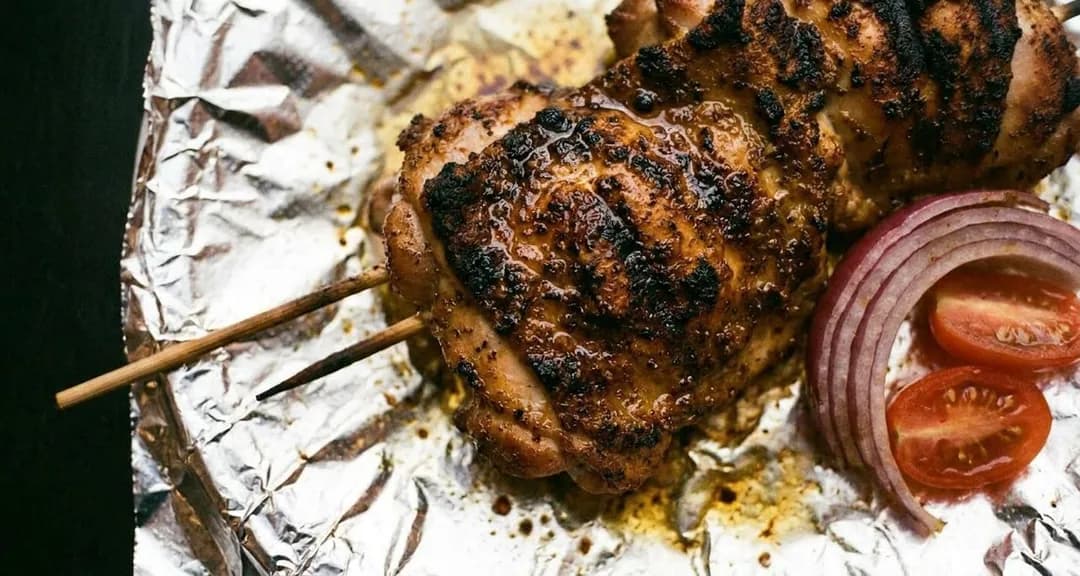
The churrasqueiras fire up mid-afternoon, metal drums repurposed as makeshift grills positioned just off the curb where parking enforcement pretends not to notice. You smell the chicken before you see it—bone-in thighs butterflied flat, basted with something vinegar-sharp and paprika-red that drips onto the coals and sends up plumes of smoke that cling to your jacket for hours. The suya setup runs leaner, skewers of beef and goat threaded tight, rolled in ground peanut and cayenne mix that leaves a rust-colored dust on your fingers. No one's selling these. They're feeding their own, but if you're standing close enough and you're not wearing the wrong colors, someone's uncle might hand you a skewer on a square of wax paper. The transaction is eye contact and a nod.
Inside the Shops That Become Bars
The Portuguese social clubs aren't officially open to the public, but on match days the definition of "member" gets flexible. You walk into a tiled room that smells like espresso and floor wax, folding tables set up in rows facing a wall-mounted TV that's older than most of the players on the pitch. Men in their sixties nurse SuperBock bottles, sleeves rolled to the elbow, talking over each other in rapid-fire European Portuguese that occasionally breaks into English when someone needs to make a point about defense. The Nigerian spots are more fluid—a convenience store that suddenly has thirty people inside, a hair braiding salon where the chairs get pushed back and someone's cousin runs an extension cord out to the sidewalk for a second screen. The line between commercial space and living room dissolves. You're in someone's territory now. Act accordingly.
What You're Actually Eating
Forget menus. The Portuguese plates come heavy—rice, beans, some kind of stewed meat that's been cooking since morning, all of it soaked in a tomato-based sauce with enough garlic to make your eyes water. It arrives on styrofoam, sometimes with a plastic fork, sometimes without. You eat standing up or sitting on a stoop. The Nigerian spread runs more handheld—jollof rice packed into aluminum takeout containers, fried plantain gone slightly cold but still sweet, chin-chin in ziplock bags passed around like contraband. The suya comes with sliced onions and tomatoes on the side, a gesture toward vegetables that no one really touches. Both sides have their beer allegiances. Both sides have someone's aunt who made too much food and is now trying to give it away before it gets dark.
The Rhythm of the Crowd Shifts
You can tell how the match is going without watching the screen. A goal for Portugal sends a roar down the block that rattles the produce stands, followed by thirty seconds of horn-blasting from someone's car. A Nigerian goal triggers a different sound—higher-pitched, more rhythmic, accompanied by actual dancing in the street. The in-between moments are quieter but not silent. You hear the hiss of beer cans opening, the scrape of chair legs on concrete, someone explaining a referee's call in two languages simultaneously. When the match gets tense, the street goes church-quiet. When it breaks open, the noise becomes physical. You feel it in your sternum. By the second half, people who came alone have been absorbed into clusters. No one's checking their phone. The light changes from gold to blue and someone starts stringing up work lights between the awnings.
After the Final Whistle
The crowd doesn't disperse so much as redistribute. Winners stay loud. Losers get quieter but don't leave—they've got too much food invested, too many chairs set up. You see handshakes between rival fans, the kind of respect that only comes after ninety minutes of acceptable hostility. Someone cranks music again. The grills stay lit because there's still meat and the coals are still hot. Kids who weren't particularly interested in soccer run relay races between the produce carts. The older generation settles in for the long evening, the kind where you're still standing on the same corner at midnight talking about a play from the thirty-seventh minute. Street sweepers will come through eventually. For now, Ninth Street belongs to two nations that both claim they invented the better way to grill meat over charcoal. Neither side is conceding.
Practical Notes
The action concentrates on Ninth Street between the produce vendors and the spice shops, roughly the stretch where the market feels most active on a Saturday morning. Get here by mid-afternoon if you want a spot with a sightline. Public transit drops you close enough—the subway stops within walking distance, and you can navigate by following the smoke and the noise. Bring cash for food, though much of what's being served comes from someone's home kitchen rather than a commercial operation. Parking is a nightmare. Don't drive. The energy peaks an hour before kickoff and stays elevated until well after dark. This isn't a sanctioned event. It's a neighborhood doing what it does when something matters. Dress for the weather and prepare to stand for a while. The benches fill fast.
Tags: #2026FIFAWorldCup #PhiladelphiaEats #SouthPhilly #ItalianMarket #PortugueseCommunity #NigerianCommunity #StreetFood #DiasporaLife #NinthStreet #WorldCupWatch #PhillySoccer #NeighborhoodCulture #AuthenticPhilly #SoccerCulture #PhillyDiaspora
Sources consulted: fifa.com · espn.com · timeout.com
All trademarks are the property of their respective owners.
Ask Karpo for more information.
Keep reading
- Haaland Has Seven Goals and Norway Runs Entirely Through Him
 World Cup Trophy Ceremony Timing Medals and Postmatch Celebrations
 Olise and France's Attack: The Semifinal Tactical Question