You descend half a flight from Fifth Avenue into rooms that smell like lime and cilantro and spilled lager, where the ceiling presses low enough that tall regulars duck instinctively near the doorframes. These aren't sports bars in any polished sense—they're neighborhood cantinas that happen to have flatscreens bolted above the liquor shelves, places where the crowd doesn't just watch matches but inhabits them with a collective nervous system. When the World Cup arrives in 2026, Sunset Park's basement bars will become the most honest viewing experience in the city: standing-room communion where every goal lands like shared voltage.
The Geography of Descent
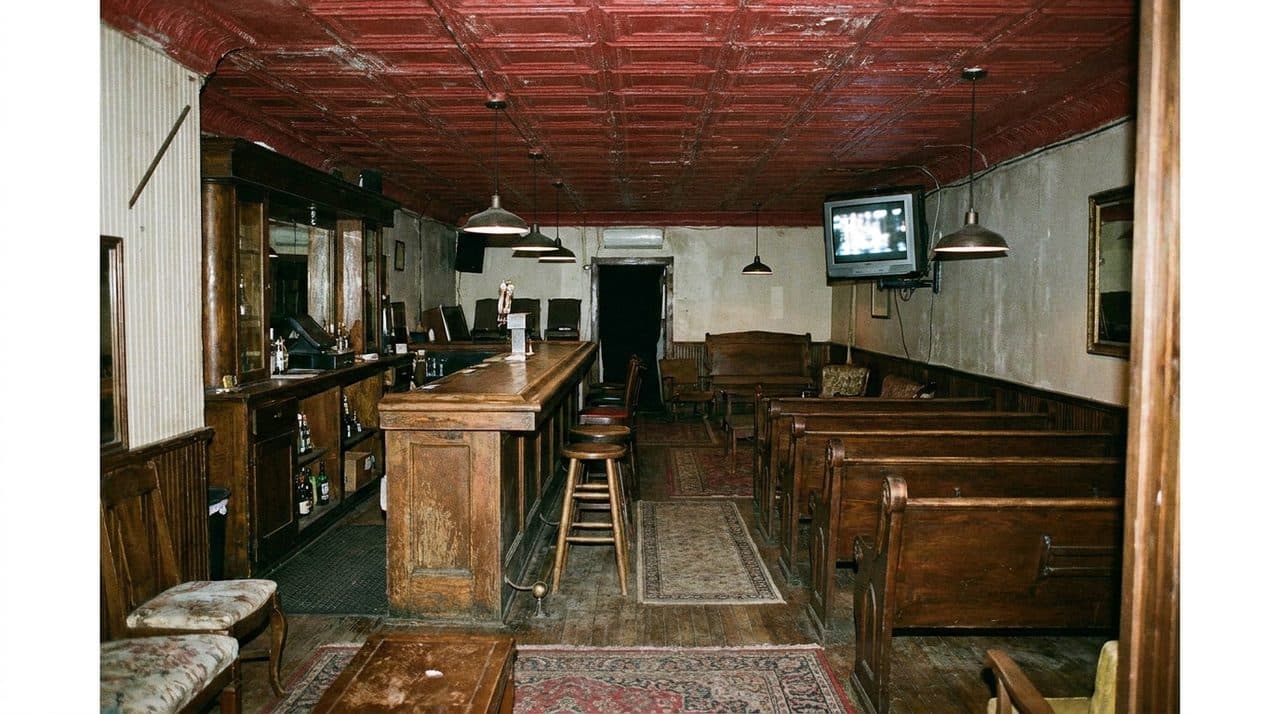
The bars sit below grade along the avenues between 40th and 60th Streets, accessed through doorways you'd walk past if you didn't know. You feel the temperature drop as you go down—cooler by several degrees, the air thick with decades of absorbed smoke even though no one's lit up inside for years. Tin ceilings catch the light from neon Modelo signs, and the floors are poured concrete or ancient tile with grouting worn to shadow. Most spots have ten to fifteen tables maximum, a bar running one wall, and flatscreens angled so you can see from anywhere in the room. The bathrooms are in the back past the kitchen, and you'll smell mole or carnitas or fryer oil every time someone pushes through that swinging door. These spaces weren't designed for crowds but they hold them anyway, bodies pressed shoulder-to-shoulder once kickoff approaches.
The Tecate-and-Tequila Rhythm
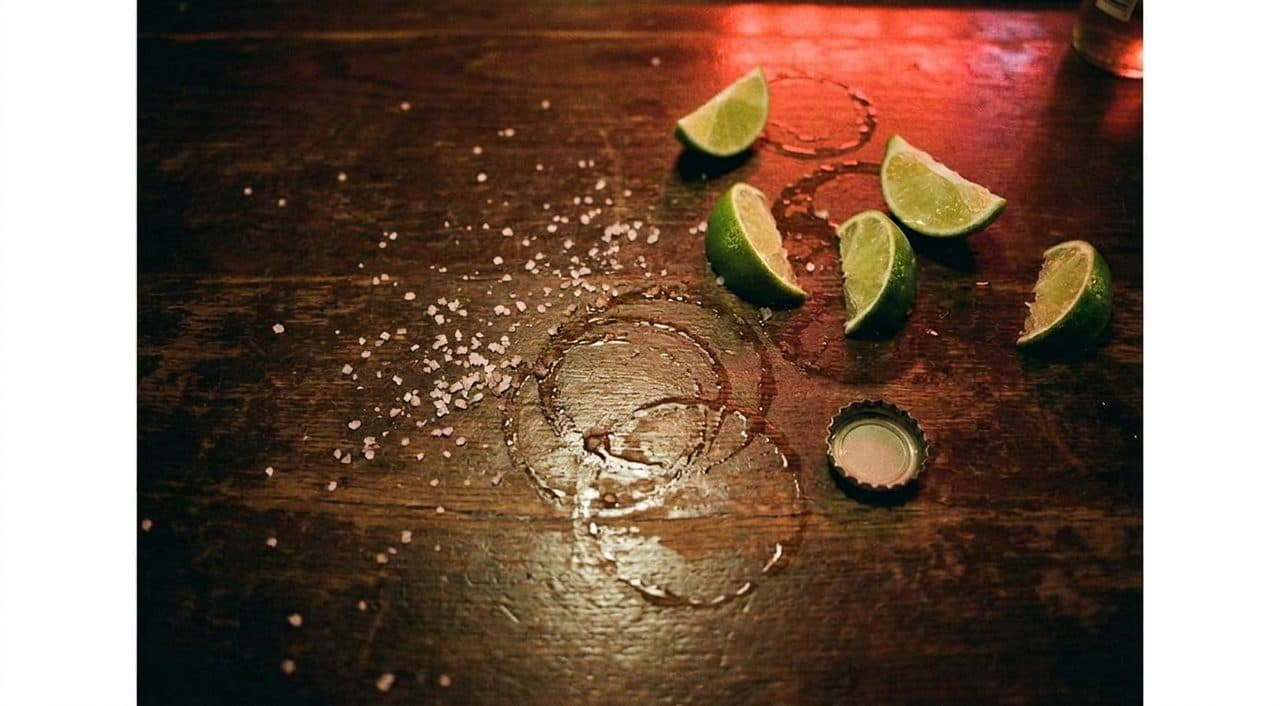
You order at the bar in the lull before the match starts—Tecate in a can with lime wedges, maybe a shot of something clear if you're settling in for the long watch. The bartenders work fast, no flourish, pulling beers from ice-filled coolers and pouring tequila in measured silence. The sound system plays regional Mexican until someone switches it over to the broadcast feed, and that's when the room's attention pivots. By the time the anthems play, there's no conversation that isn't about the game. You'll see guys still in work boots and high-vis vests, women who came straight from the salon with fresh manicures, teenagers who slipped out of dinner shifts at the restaurants up the block. Everyone's holding a drink but no one's really drinking yet—that comes with the first real chance on goal, the collective exhale or groan that gives permission to tip the can back.
When the Entire Room Becomes the Twelfth Man
The energy builds in layers. First there's the murmur of Spanish commentary from the speakers, then the overlapping shouts of people calling out player names or tactical mistakes. Someone near the back will start a chant and it either catches or dies within three repetitions—you can feel which way it'll go by the second line. When a goal happens, the room doesn't just cheer, it *detonates*. Strangers grab each other, drinks slosh onto the floor, and for five or six seconds the place is pure sound with no ceiling to contain it. Then the replay comes on and everyone watches again in near-silence, nodding, already analyzing. You notice the regulars—the older men who've claimed the same corner table for years, the younger crew that rotates in after their construction shifts end, the families with kids who get to stay up late when El Tri plays. The kids sit on parents' laps or stand on chairs, learning the cadence of collective hope.
The Halftime Scramble and Kitchen Smoke
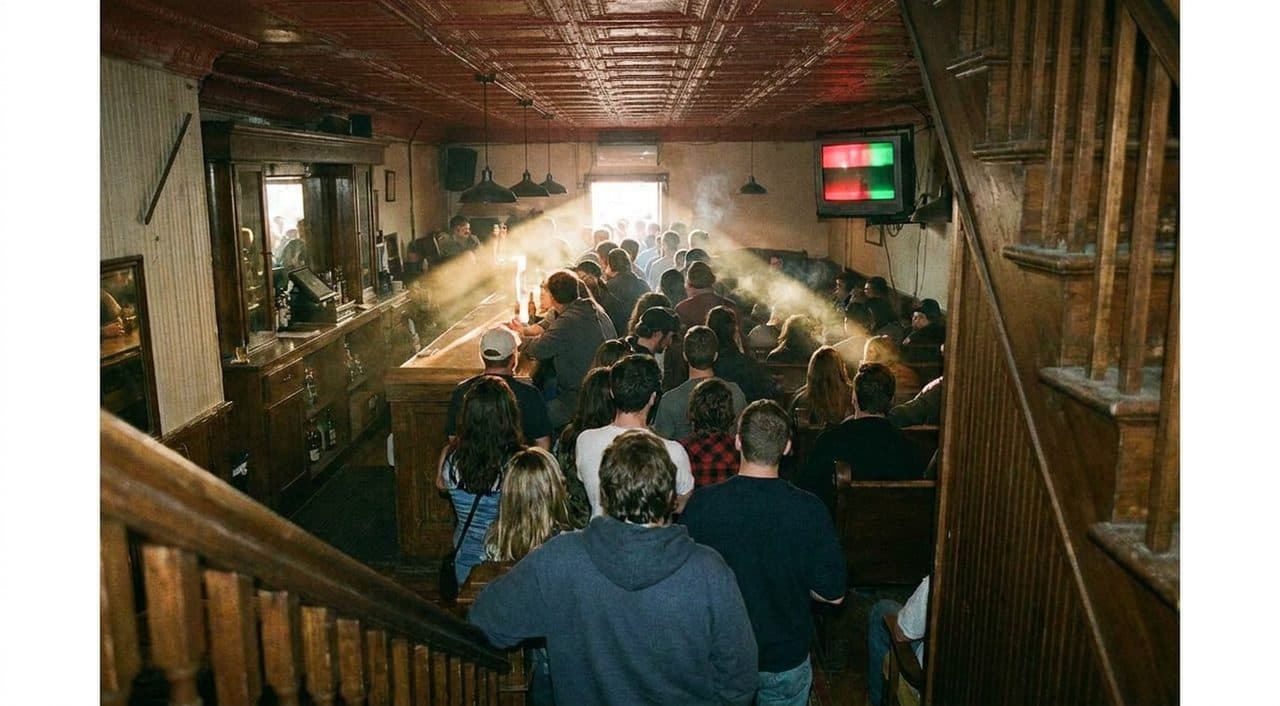
When the whistle blows for halftime, the spell breaks and everyone moves at once. The line for the bathroom snakes past the bar, people step outside to smoke or make calls, and the kitchen suddenly can't keep up. You can order tacos or tortas or sometimes just chips with salsa that comes out in plastic baskets, the kind of food meant to be eaten standing up or balanced on your knee. The cook works a flat-top visible through a small window, and you watch the way he flips meat with the edge of a spatula, never looking down. The smell of char and onions and tortillas hitting hot oil fills the room thick enough to taste. By the time the second half starts, everyone's back in position, the floor now sticky with spilled beer and lime pulp, the air warmer from all the bodies. You feel the tension ratchet up because this is when games get decided, and no one wants to miss the moment by looking away.
The Diaspora Geography of Allegiance
Different bars tilt toward different national crowds depending on who owns the place and who's been coming for decades. You'll find rooms that go quiet when Mexico concedes and others that erupt when Colombia or Ecuador or Honduras scores. The allegiances are worn openly—jerseys from past tournaments, scarves draped over shoulders, flags tucked into back pockets. During group stage matches, you might catch two fanbases sharing the same space, the room split down an invisible center line with separate eruptions happening in stereo. It's not hostile, just intensely partisan. You learn quickly which bar aligns with your team or you learn to enjoy being the lone voice for the opposition, which earns you respect if you can take the ribbing. The beauty is that everyone here understands what the game means beyond the game—it's memory, it's home, it's the shape of belonging when you're far from where you started.
The Closing Whistle and the Slow Disperse
When the match ends, the room doesn't empty immediately. People linger over the final replays, debating calls and near-misses, checking their phones for other scores. The bartenders start wiping down surfaces but they're not rushing anyone. You'll see handshakes and shoulder claps, the particular body language of men who've just lived ninety minutes together. Some groups head out into the blue summer evening—because the tournament runs June and July, and the light lasts long enough that you emerge from the basement into a world still awake. Others stay for one more round, talking through what comes next, who plays who, what needs to happen for the bracket to break a certain way. The TVs get switched back to music videos or regular programming, and the cantina returns to being just a bar again, at least until the next match.
Practical Notes
Most of these cantinas open late morning or early afternoon and stay open until the last customer leaves, though exact schedules vary. You won't find them on reservation platforms—just show up, ideally twenty or thirty minutes before kickoff if you want a seat. Drinks run cheap, the kind of prices that let you stay for a full match without thinking twice. Getting there is straightforward on the N, D, or R trains, and the walk from the subway puts you right into the heart of the neighborhood. If a big match is on—especially anything involving Mexico or a major South American side—expect the room to be packed and plan to stand. Cash is useful, though most places take cards now. The vibe is welcoming if you're respectful: don't block sightlines, don't hog tables if you're not ordering, and understand that this is someone's regular spot long before it's yours.
Tags: #SunsetPark #WorldCup2026 #Brooklyn #NYCBars #FIFAWorldCup #MexicanCantinas #SoccerCulture #NYCNightlife #BrooklynEats #HiddenBarsNYC #FutebolLife #DiasporaStories #BasementBars #AuthenticNYC #WorldCupViewing
Sources consulted: fifa.com · espn.com · timeout.com
Please drink responsibly. Must be of legal drinking age.
All trademarks are the property of their respective owners.