 Haaland Has Seven Goals and Norway Runs Entirely Through Him
⚽️2026 FIFA WORLD CUP
Where Can I Watch the World Cup 2026 in Koreatown's All-Night Soju Rooms?
Late-kick matches pair with Korean fried chicken and communal tables where strangers become tournament companions over refills.
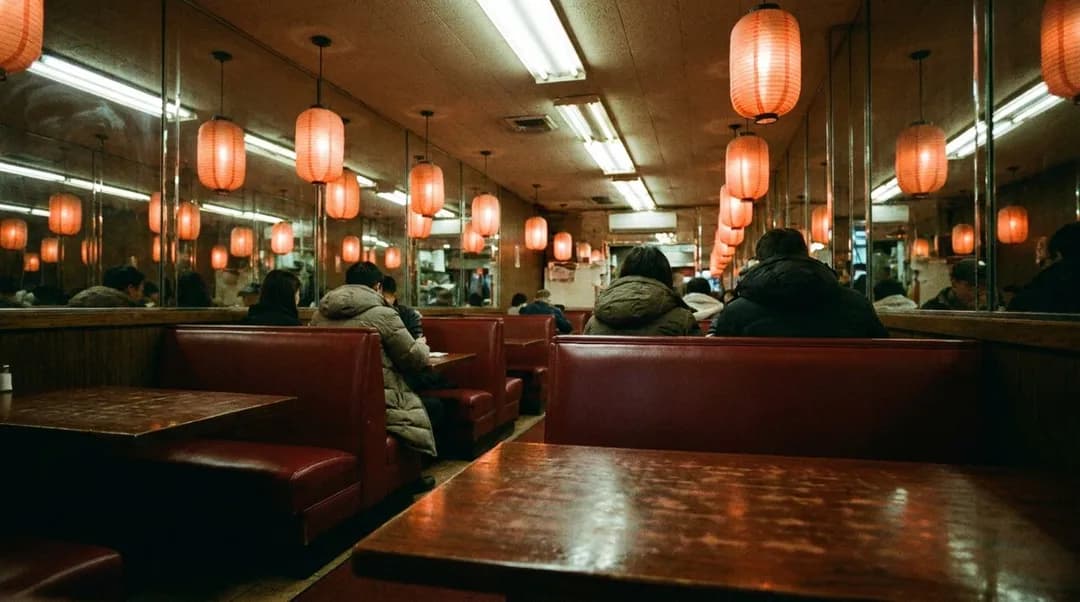
You'll find the best World Cup viewing rooms tucked above karaoke parlors and behind unmarked doors on the second floors of Koreatown's all-night corridors, where soju flows until sunrise and strangers lean into each other's shoulders during penalty kicks. These aren't sports bars with flat screens and nachos—they're communal dining rooms where the tournament becomes a weeks-long festival, where fried chicken arrives in waves, and where the crowd shifts depending on which national team is playing.
The Second-Floor Rooms That Never Close
Walk up the narrow staircase next to any 24-hour tofu house and you'll likely find a soju room that's been hosting watch parties since the last World Cup. The floors are heated ondol-style, so you slip off your shoes at the entrance and settle onto floor cushions around low tables that fit eight to ten people. By the time a late match kicks off—say, a 10 p.m. start that's really 3 a.m. in another time zone—the room smells like gochugaru and fryer oil, and condensation fogs the windows. The servers move fast, dropping banchan and beer without breaking stride, because they know you're here for hours. These rooms don't advertise. You find them because a friend texted you an intersection, or because you wandered in after karaoke and realized the TV was showing a match. The tables fill with Korean families, Mexican fans in jerseys, night-shift workers still in scrubs, and insomniacs who treat the tournament like a marathon they're pacing through.
Fried Chicken Arrives in Stages, Not All at Once
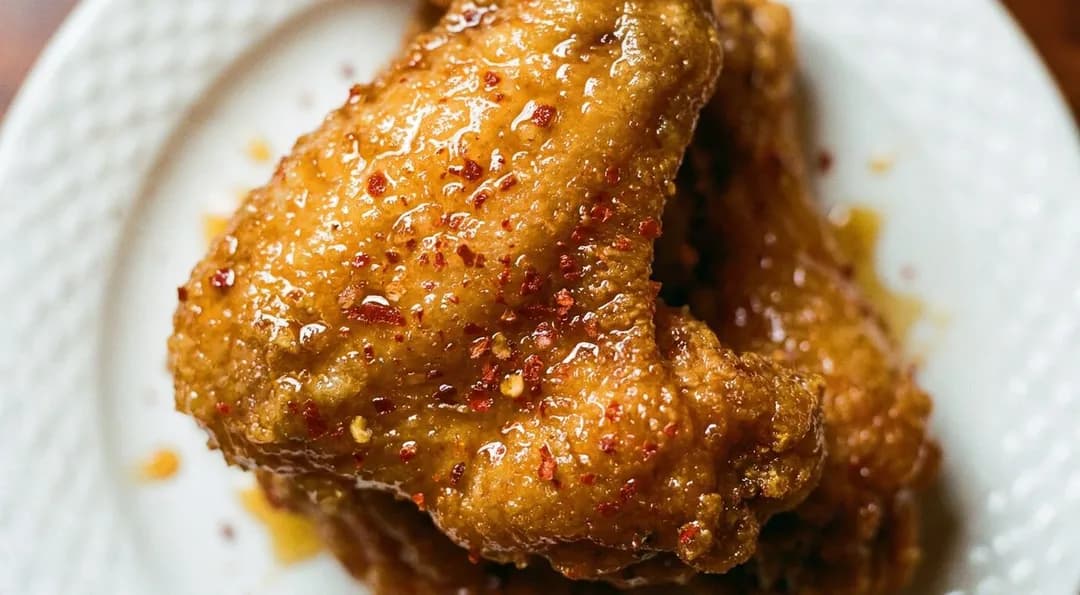
The kitchen times the food to the match rhythm. You order a whole chicken—sometimes two—and it comes out in waves: plain fried first, then the glazed varieties as the game progresses. The initial batch is crackling hot, skin so thin it shatters when you bite through. You eat with your hands, wiping them on wet towels that the server replaces without asking. Around the thirtieth minute, the dakgangjeong arrives, sticky with gochujang glaze, and by halftime someone's ordered the soy-garlic, which is quieter, less aggressive, the kind of flavor that doesn't compete with conversation. The timing isn't accidental. The kitchen knows you're not leaving until the final whistle, so they pace the courses to keep your table active, keep you ordering another round of Cass or Hite, keep the energy from flattening during a slow stretch of play. You'll see tables that started with two people and ended with six, because someone's cousin showed up, or because the group next to you started sharing their chicken and now you're all watching together.
The Crowd Changes With the Kickoff Time
Early matches—the ones that start at 8 a.m. or 9 a.m. Pacific—draw a different energy. You get retirees who've been up since five, families with kids in replica kits, and the truly devoted fans who took the morning off work. The soju rooms that open for breakfast swap the fried chicken for haejanguk and kimchi jjigae, something to settle your stomach if you've been drinking since the night before. The mood is quieter, more focused, less rowdy than the late-night sessions. But when the sun sets and the 7 p.m. or 10 p.m. matches start, the rooms transform. The tables fill with people who came straight from work, still in business casual, loosening ties and rolling up sleeves. The volume climbs. Someone's blasting a vuvuzela they smuggled in. The ajumma running the room pretends to be annoyed but she's grinning, because a full house means a good night. And if your team scores, the entire room erupts—even the tables cheering for the other side join in, because the chaos is part of the appeal.
Soju Bottles Pile Up Like a Scoreboard
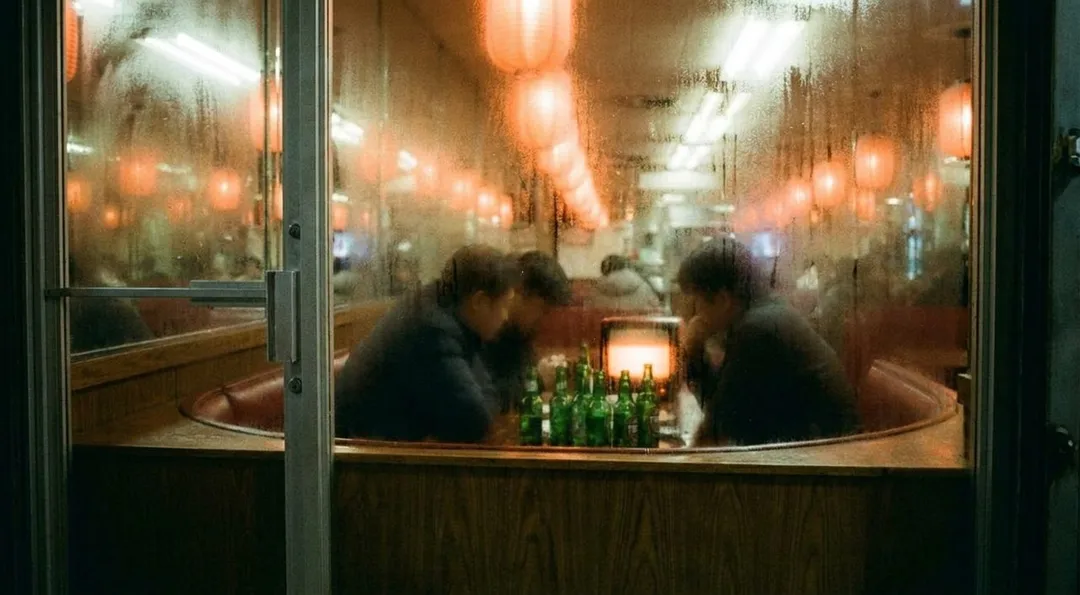
You'll recognize the veteran tables by the green bottle graveyard growing in the corner. Soju here isn't sipped—it's poured into shot glasses, raised in toasts, and downed in quick succession. The ritual matters as much as the drink itself. Someone calls for a geonbae, everyone clinks, and you throw it back before the next play starts. The bottles are small enough that you lose count, and cheap enough that ordering another round doesn't sting. By the second half, the table's littered with empties, and someone's doing the math on how many bottles per goal, like it's a secondary competition. The servers clear them in stacks, five or six bottles balanced in one hand, and you feel a little sheepish until you glance around and realize every table looks the same. The rooms don't judge. They're built for this kind of excess, for nights that blur into mornings, for tournaments that give you permission to abandon moderation for a few weeks.
Strangers Become Tournament Companions Over Refills
You sit down alone or with one friend, and by the end of the match you've exchanged phone numbers with the table next to you because you're all coming back for the next round. Someone's a graphic designer who grew up in Busan, someone else drives for a rideshare app and played semi-pro in Guadalajara, and the guy in the corner is a line cook who gets off shift at midnight and treats these rooms like his living room. The World Cup gives you an excuse to talk to people you'd never otherwise meet, and the soju greases the conversation until you're debating tactics and sharing fries and promising to save each other seats for the quarterfinals. The rooms foster this. The tables are close enough that you overhear every conversation, and the communal setup means you're always within arm's reach of someone else's celebration or commiseration. You'll remember these people more than you remember the final score.
The Light Shifts But the Room Stays Awake
During a 2 a.m. match that stretches into 4 a.m., you'll notice the light outside the windows turning from black to deep blue to that pale gray that means morning's coming whether you're ready or not. Inside, the fluorescent overheads stay bright and harsh, and nobody's tired because the adrenaline of the match keeps you wired. The room hums with a second-wind energy, the kind that only happens when you've pushed past exhaustion into a strange, giddy clarity. Someone orders another round of chicken even though nobody's hungry. Someone else starts a chant that peters out after two lines but everyone laughs anyway. The servers look unfazed—they've worked these shifts before, and they'll work them again when the knockout rounds start. When you finally stumble out into the Koreatown dawn, the street's already busy with delivery trucks and early commuters, and you feel like you've lived an entire day in the span of one match.
Practical Notes
Most soju rooms operate on flexible hours during the tournament, with some staying open around the clock for key matches. You won't need a reservation for group-stage games, but knockout rounds fill up fast—arrive at least an hour before kickoff if you want a good table. Expect to spend less than you would at a typical sports bar, especially if you're sharing food and drinks with a group. Public transit runs limited overnight service, so plan your ride home accordingly or be prepared to wait until the first morning trains. Some rooms have a modest table minimum during peak matches, but it's easy to hit if you're ordering food and drinks throughout. Cash is useful, though most places take cards now.
Tags: #WorldCup2026 #Koreatown #LosAngeles #SojuRooms #KoreanFriedChicken #LateNightEats #SoccerCulture #LANightlife #KtownLA #WorldCupViewing #CommunalDining #SojuLife #FIFAWorldCup #AuthenticLA #LAFoodie
Sources consulted: fifa.com · espn.com · timeout.com
Please drink responsibly. Must be of legal drinking age.
All trademarks are the property of their respective owners.
Ask Karpo for more information.
Keep reading
- Haaland Has Seven Goals and Norway Runs Entirely Through Him
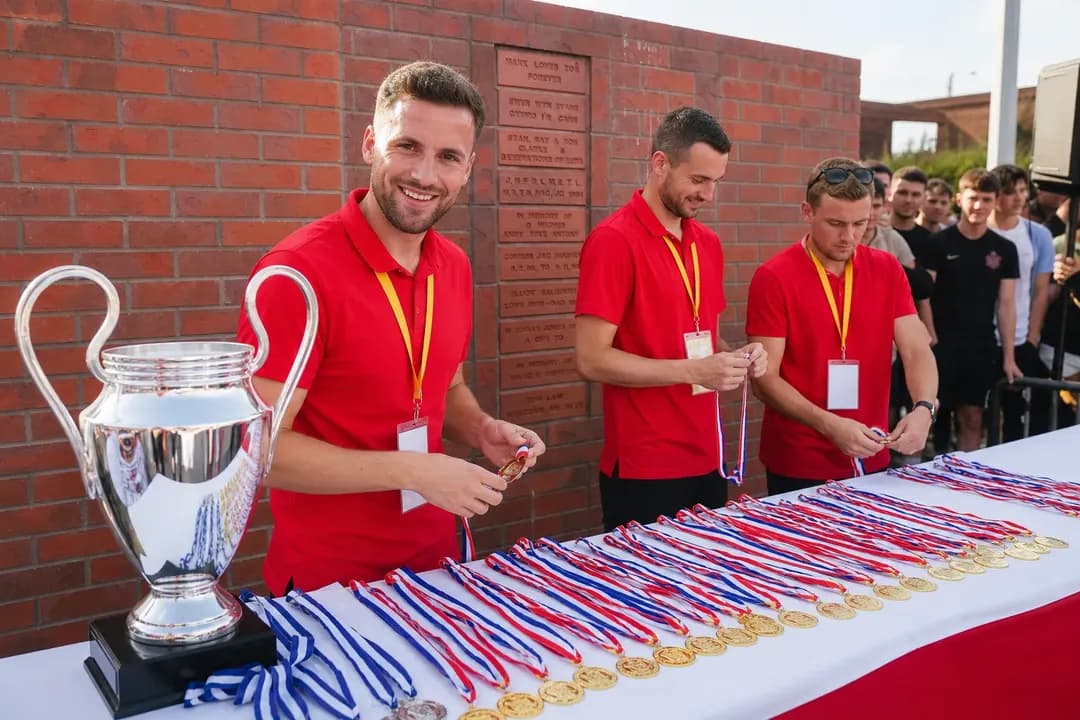 World Cup Trophy Ceremony Timing Medals and Postmatch Celebrations
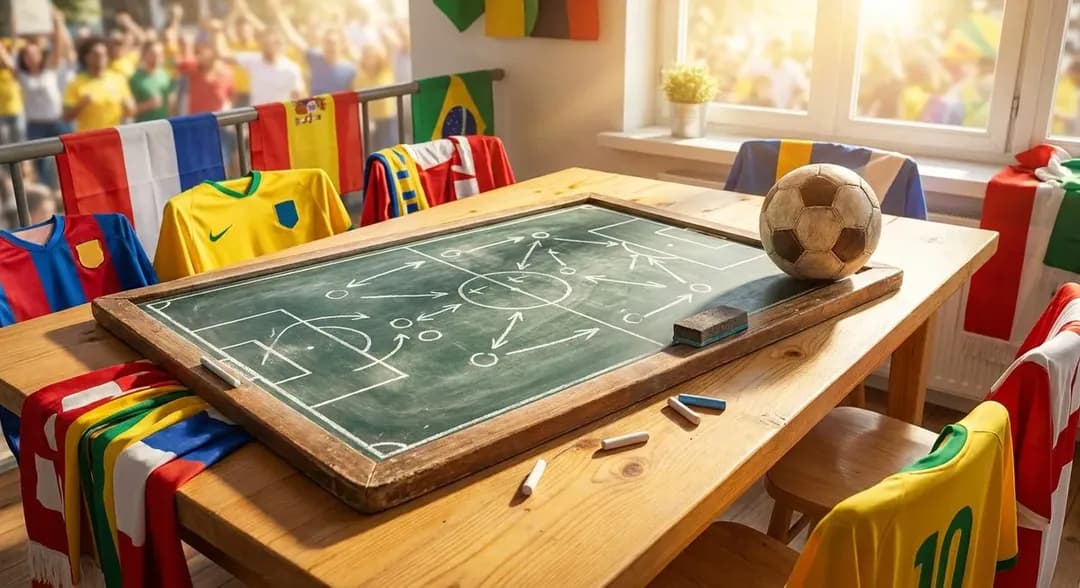 Olise and France's Attack: The Semifinal Tactical Question