 Haaland Has Seven Goals and Norway Runs Entirely Through Him
⚽️2026 FIFA WORLD CUP
Where Can Fans Toast an Aging Great's Last Stand During Brazil vs Morocco?
Astoria's long tavern tables become stages for bittersweet ceremony when a Brazilian legend might be playing their final World Cup minutes.
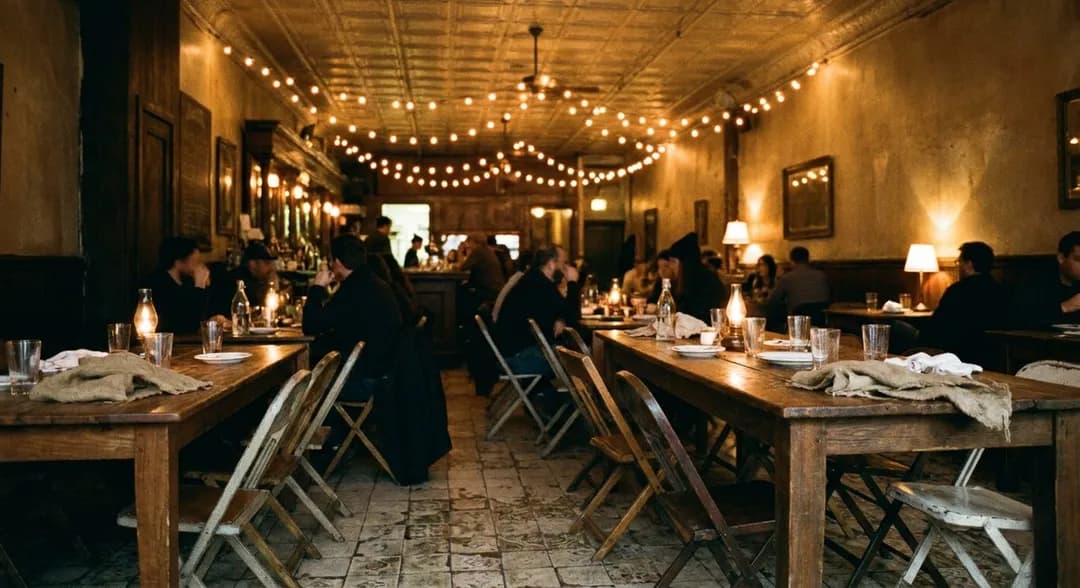
The long communal tables at Astoria's Brazilian bars turn into something between a wake and a wedding when the national team takes the pitch. You're watching history fold in on itself, the yellow jersey that once meant invincibility now carrying the weight of what might be a final bow. The neighborhood's Brazilian heart beats loudest on these mornings, when the smell of pão de queijo mingles with draft beer and someone's grandmother is already crying before kickoff.
The Geography of Longing Along Steinway
You'll find the concentration of Brazilian gathering spots in the blocks where the elevated train casts moving shadows across storefront windows. This isn't polished Manhattan viewing—it's Astoria, where the bars have been here longer than the newest wave of luxury rentals and the TVs are mounted at angles that suggest decades of problem-solving rather than professional installation. The Morocco matchup draws a different energy than the usual group stage fare. North African fans claim their own corners, their chants bouncing off Brazilian percussion, creating a kind of beautiful territorial negotiation that only happens in Queens. You're in a neighborhood that understands migration and loyalty, where flags mean something beyond decoration.
The Ritual Before the Whistle
Arrive ninety minutes early if you want a seat where you can actually see. The tables fill with an order of precedence invisible to outsiders—the guys who've been coming since 2006 get their spots, then the families with kids in replica jerseys, then everyone else wedges in wherever physics allows. The bartenders move with the efficiency of people who've done this every four years for their entire adult lives, pulling beers in rhythm, barely looking at the taps. You'll notice the jerseys span generations: the 1994 away kit, the 2002 classic, the controversial Nike redesigns. Someone always wears the number that matters today, the aging great whose knees can't do what they did in South Africa, whose face on the screen makes the room go quiet with a specific kind of love that borders on grief.
What the Kitchen Knows About Timing
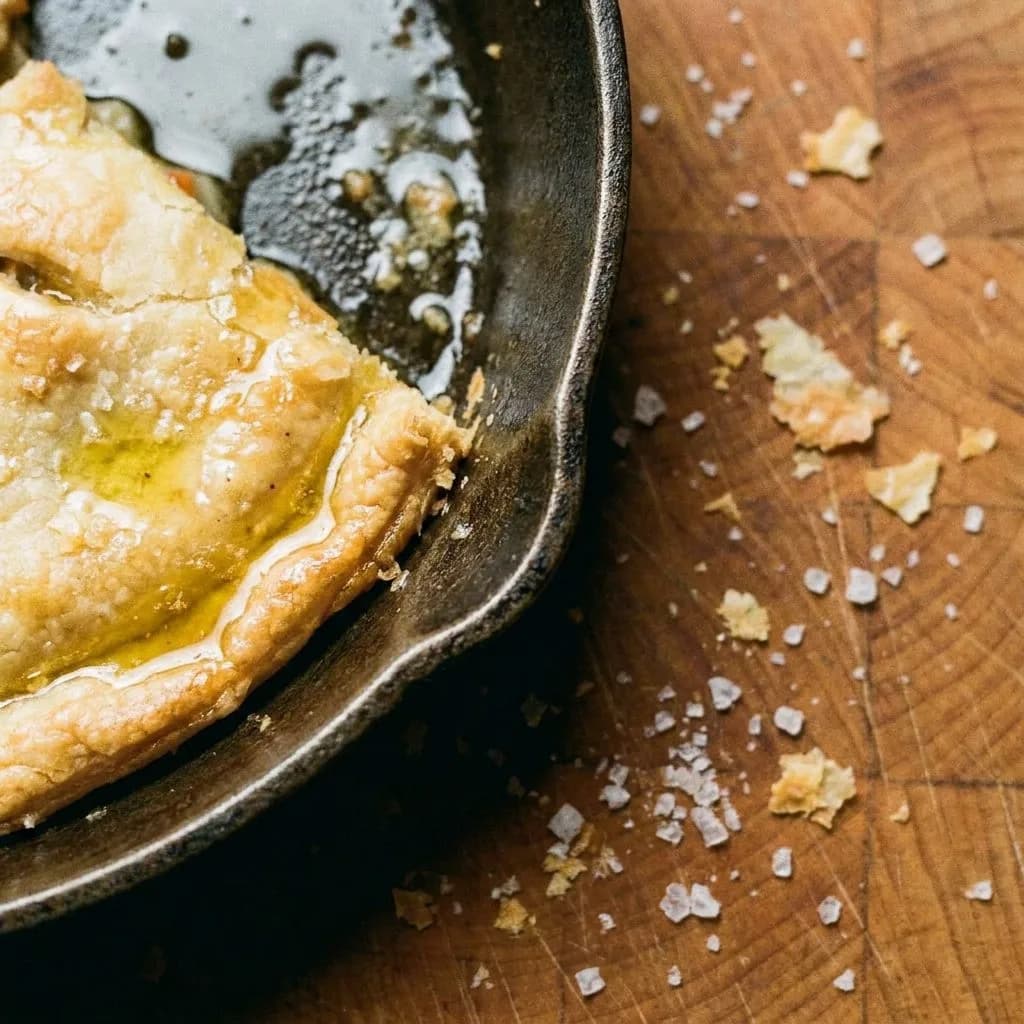
The food comes out in waves coordinated to the match clock. Coxinha and pastel appear during the pre-game show, substantial enough to soak up the beer but not so heavy you'll fade before halftime. The feijoada stays in the kitchen until after—this is drinking food, watching food, nervous-energy food. You want the chicken hearts if they're available, skewered and charred, salty enough to make you reach for another Brahma. The kitchen staff watches through the service window, their own small screen angled so they can track the action while they work. When something happens—a near-miss, a yellow card, the substitution everyone's been dreading—you hear the reaction from the kitchen before you process what you've seen on the main screens. They're a half-second ahead, a preview of your own emotions.
The Sound of a Diaspora Holding Its Breath
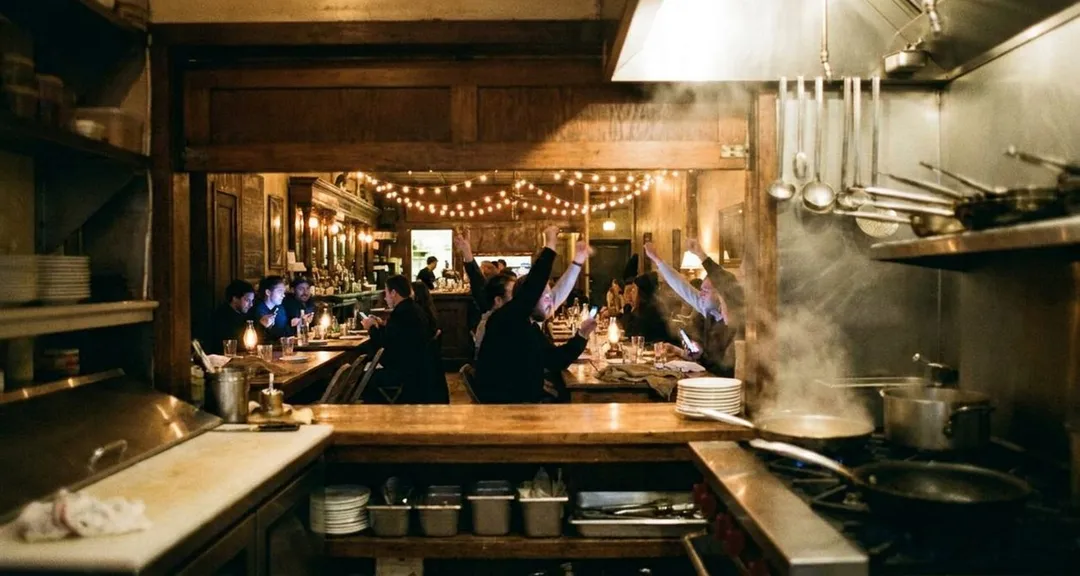
The acoustics in these rooms weren't designed for this. The ceiling tiles absorb nothing, the concrete floors amplify everything, and when Brazil attacks the volume becomes physical pressure against your chest. But watch what happens when the legend touches the ball in the 73rd minute, maybe his last meaningful World Cup moment. The noise drops to something like a collective held breath, everyone suddenly aware they're witnessing an ending. You can hear the rattle of ice in plastic cups, someone's kid asking a question in Portuguese, the Moroccan fans in the corner maintaining their own rhythm. Then the pass goes sideways instead of forward, the chance evaporates, and the groan that follows carries thirty years of expectations. This is what you came for—not just the game, but the feeling of being inside a community's nervous system.
Where the Generations Negotiate Memory
The arguments start around the 60th minute, when the substitution board goes up. The older guys think the legend's earned the right to play the full ninety, that respect matters more than tactics. The younger crowd, the ones who grew up watching European club football on illegal streams, see the game differently—they want fresh legs, they want to win, sentiment is a luxury. You're sitting between these positions, literally, some uncle on one side explaining what the 1970 team would have done, some kid on the other side pulling up xG stats on his phone. Both are right. Both are wrong. The coach makes the call and half the room curses and half the room nods and this is exactly how it should be. The legend walks off slowly, maybe looking at the crowd, maybe not, and someone starts clapping and then everyone's clapping, even the people who wanted him subbed off twenty minutes ago.
The Aftermath Tastes Like Condensed Milk
If Brazil advances, the place erupts and strangers embrace and someone's ordering shots of cachaça that taste like gasoline and regret. If they don't, the silence is profound, people staring at their phones or the table or nothing in particular. Either way, the brigadeiros come out eventually, those chocolate truffles rolled in sprinkles that taste like childhood and optimism. The espresso flows, tiny cups of fuel for the emotional hangover. You'll stay longer than you planned, because leaving means accepting what you just watched, and the table still has people at it, and someone's telling a story about watching Romário in 1994, and the afternoon light coming through the window has that specific quality that only exists in Queens in summer, golden and industrial and somehow gentle. The Moroccan fans file out with dignity, their own legends secure for another round.
When to Arrive and What It Costs You
Get there when the doors open on match morning—the exact time shifts with kickoff schedules, but figure early enough that you're ordering breakfast pastries with your beer. No reservations, no table service in the formal sense, just cash in hand and the understanding that you'll buy a drink every hour or so to hold your spot. We're talking low-key cheap—a few bucks for beer, similar for the snacks, maybe you'll spend what you'd drop on brunch in Manhattan but you'll be there for four hours and no one's rushing you. The subway gets you within a few blocks, the N or W line, and you'll know you're close when you start seeing the jerseys heading in the same direction. Check social media the day before to confirm which spots are opening early—the community posts everything, arguments about which bar has the better screen setup, who's got the right energy. Bring cash. Bring patience. Bring an understanding that you're not just watching a match, you're participating in something that doubles as ceremony.
Tags: #2026FIFAWorldCup #AstoriaQueens #BrazilianDiaspora #WorldCupBars #QueensNYC #BrazilVsMorocco #SoccerCulture #ImmigrantStories #AstoriaEats #BrazilianFood #WorldCupViewing #NeighborhoodBars #NYCWorldCup #DiasporaSports #FutebolCulture
Sources consulted: fifa.com · espn.com · timeout.com
Please drink responsibly. Must be of legal drinking age.
All trademarks are the property of their respective owners.
Ask Karpo for more information.
Keep reading
- Haaland Has Seven Goals and Norway Runs Entirely Through Him
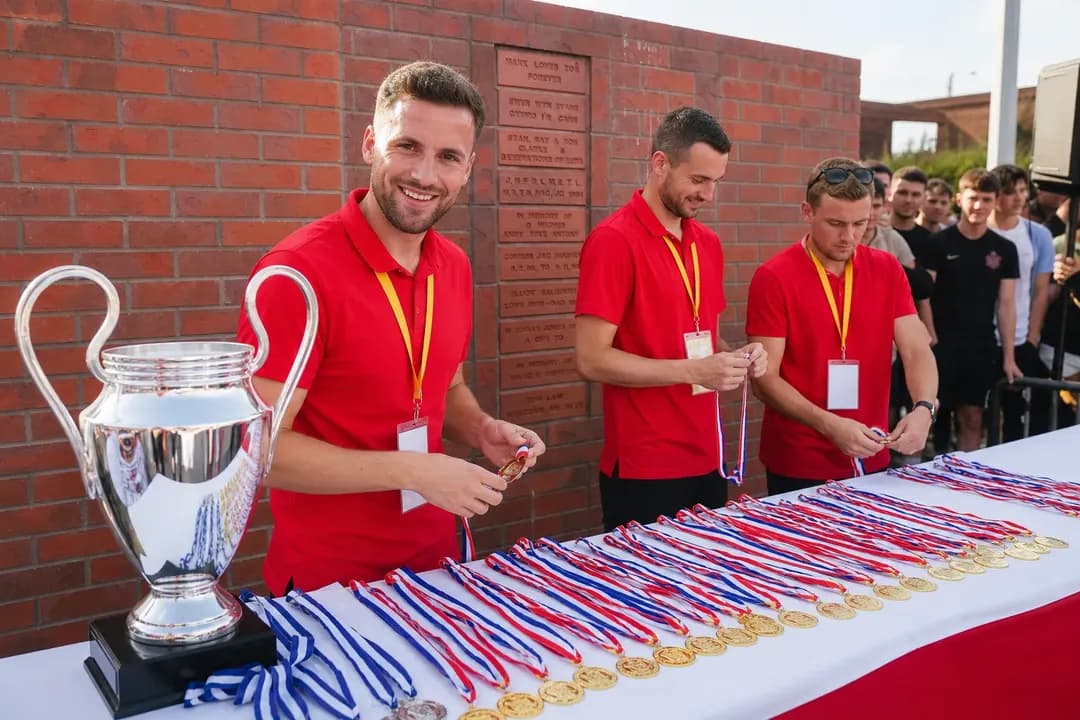 World Cup Trophy Ceremony Timing Medals and Postmatch Celebrations
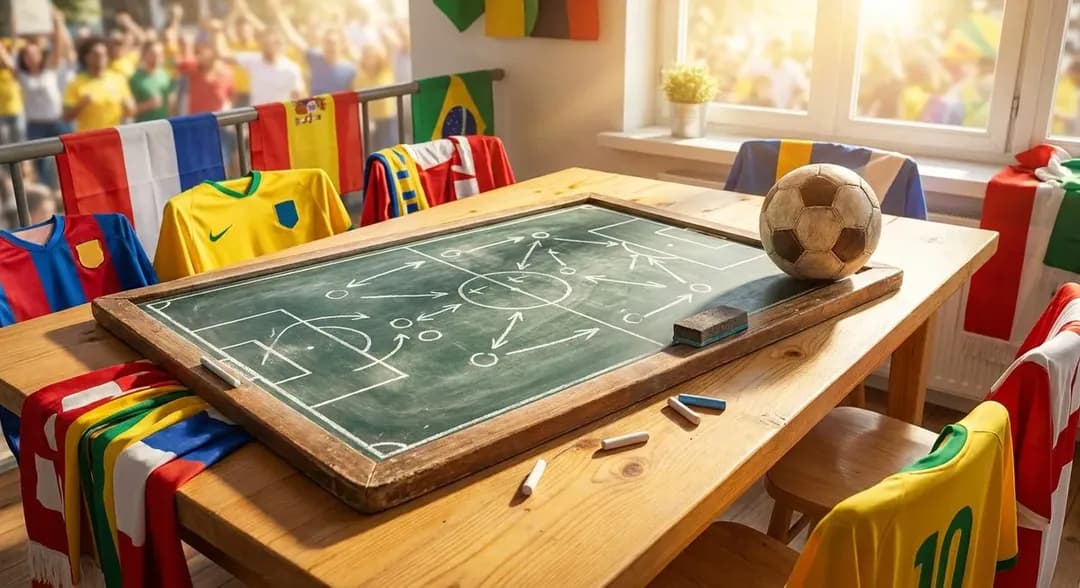 Olise and France's Attack: The Semifinal Tactical Question