 Haaland Has Seven Goals and Norway Runs Entirely Through Him
⚽️2026 FIFA WORLD CUP
Where Can Fans Honor a Legend's Final Game During Brazil vs Morocco in Chapultepec?
Chapultepec's neighborhood cantinas become hushed chapels when fans gather to witness what may be a Brazilian icon's last World Cup match.
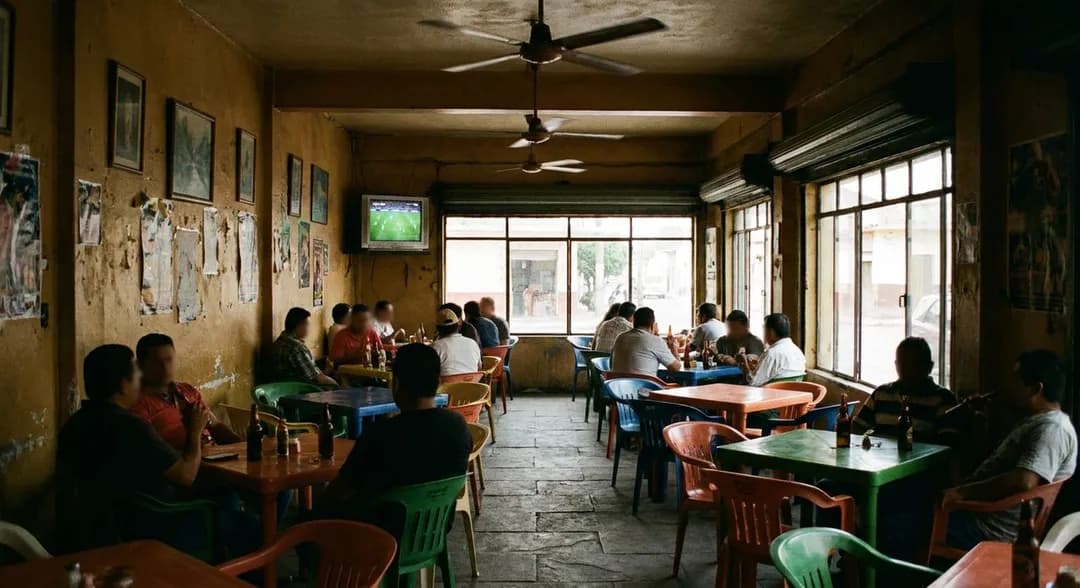
You're standing in Chapultepec when the group stage draw pairs Brazil against Morocco, and suddenly every cantina owner is calculating capacity. This isn't just another match. Word's already circulating through the neighborhood that this could be the final World Cup appearance for a player who's defined a generation, and the locals who've watched him since his debut aren't planning to miss it. The cantinas here don't do fanfare—they do reverence.
The Weight of Silence Before Kickoff
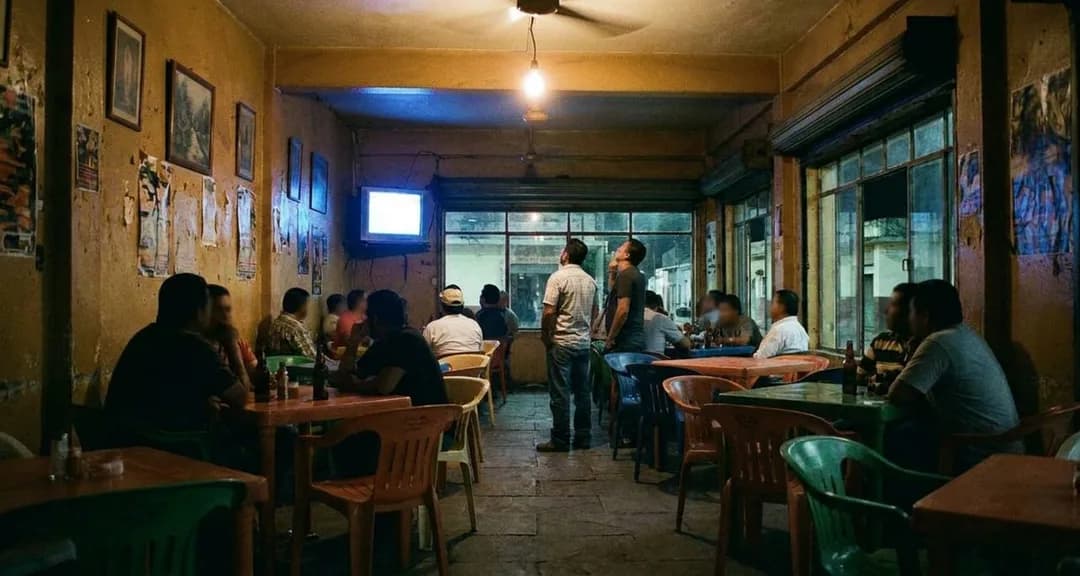
Walk into any of Chapultepec's corner cantinas an hour before the match and you'll notice something unusual: the volume drops. These spaces that normally pulse with cumbia and shouted conversations transform into something closer to vigil sites. Men who've been coming to the same vinyl-covered stools for twenty years arrive early, claiming their spots with the solemnity of churchgoers. The bartenders pour slower. Someone dims the overhead fluorescents without being asked, and the blue television glow becomes the primary light source. You can smell the lime wedges being quartered in the back kitchen, the salt rim prep, the slight char from tortas being pressed on the plancha. But mostly what you notice is the collective breath-holding, this neighborhood-wide exhale before the whistle. The Brazilian flags appear—small ones, tucked behind beer taps or taped to mirror edges—not as decoration but as quiet acknowledgment.
Where the Diaspora Gathers Without Announcement
Certain cantinas in Chapultepec have become unofficial headquarters for Brazilian expats and Mexican fans who've adopted the Seleção as their second team. You won't find these places promoted online or marked with special signage. They're the ones where the owner's cousin married someone from São Paulo, or where a regular started coming during the last World Cup and never left. By kickoff, you'll hear as much Portuguese as Spanish, voices layered over each other in that particular acoustic texture of people who've found their tribe far from home. The women wear yellow in ways that feel personal—a scarf, a hair tie, earrings—nothing costume-like. Someone always brings brigadeiros in a plastic container, passing them around during halftime without ceremony. The younger guys wear jerseys from different eras, a walking timeline of Brazilian football, and the older men just wear their regular work shirts because they've been doing this long enough that the clothes don't matter.
The Ritual of Shared Screens and Borrowed Chairs
These aren't sports bars with multiple screens and table service. You're looking at single televisions, sometimes two if the owner dragged one from home. Folding chairs appear from back rooms as the crowd swells beyond the usual capacity. Regulars give up their preferred spots without complaint, standing along the back wall or perching on windowsills. There's an unspoken seating hierarchy: the oldest fans get the best sightlines, then the Brazilians, then everyone else fills in the gaps. The screen might be smaller than your laptop, but nobody's checking their phones. The bartender turns off the ceiling fan because someone complained about the hum interfering with commentary. By the second half, you're shoulder-to-shoulder with strangers who feel like family, sharing the armrest of a plastic chair, and when something happens—a near-miss, a brilliant save—the collective groan or gasp creates this physical wave you can feel in your chest.
What Gets Ordered When History's Watching
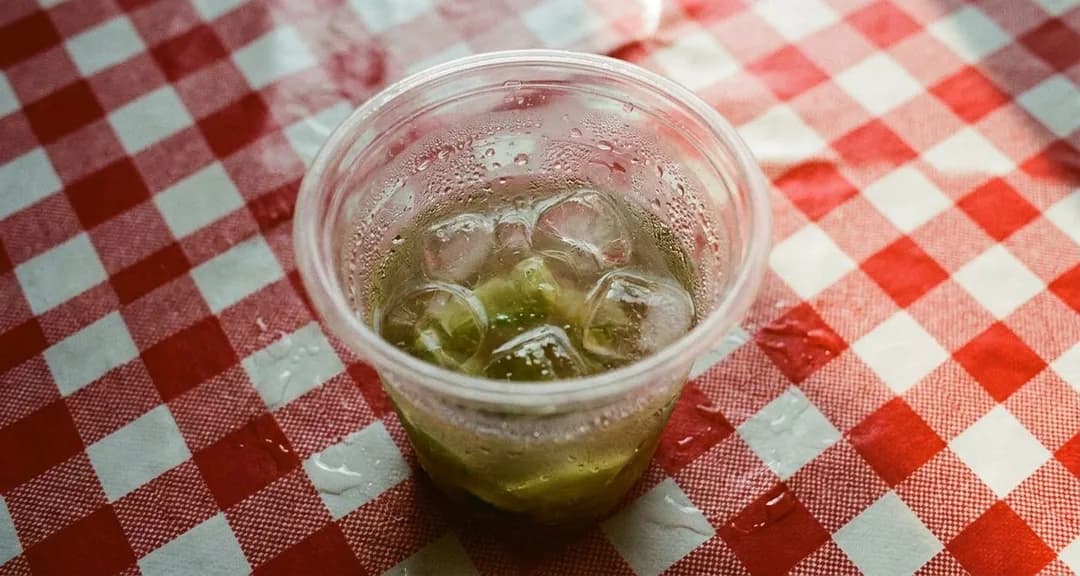
Forget craft cocktails. This is beer-and-tequila territory, consumed not for effect but as punctuation. The micheladas come in tall glasses with heavy salt rims, the beer so cold it hurts your teeth, mixed with lime and hot sauce in proportions the bartender doesn't measure. Between halves, people order tortas ahogadas even though eating feels impossible—but the routine matters, the normalcy of it. The kitchen keeps churning out small plates of chicharrón and lime, bowls of peanuts that get passed down the bar. Some cantinas will have a pot of pozole going in the back, and the smell of hominy and pork and dried chilies cuts through the cigarette smoke that drifts in from the street. You'll see older men nursing the same beer for forty-five minutes, making it last, because this isn't about drinking—it's about being present for whatever happens next.
The Unspoken Protocol When the Moment Arrives
If this is indeed the final match for Brazil's most celebrated player, these cantinas have an instinctive protocol that kicks in without planning. When he touches the ball, the room quiets. When he's substituted—if he's substituted—you'll witness grown men crying without shame, and nobody looks away or pretends not to notice. The bartender might pour a round on the house, or someone starts a chant that peters out because the emotion's too thick. What you won't see is phones raised for content. These aren't people performing grief or joy for an audience. They're living it in real time, together, in spaces that smell like decades of spilled beer and fried masa. The television might freeze or pixelate at crucial moments, and instead of complaining, everyone leans forward as if closing the physical distance to the screen might help. After the final whistle, nobody rushes out. You sit in the aftermath, processing, letting the weight of it settle.
The Streets That Carry the Echo
Chapultepec's narrow streets become processional routes after matches like this. You'll see people walking slowly, still wearing their colors, stopping at corner stores for cigarettes or water, not quite ready to go home. The cantinas stay open later than usual, not for profit but because the owners understand that some nights require more time to metabolize. Strangers exchange nods, brief comments about what they witnessed, then continue walking. The neighborhood dogs bark less, as if they sense the shift in energy. By the time you reach the main avenue, the buses are packed with fans from other neighborhoods heading home, and you can track which cantinas they came from by the jerseys and the expressions—some jubilant, others devastated, all marked by having been present for something unrepeatable.
Practical Notes
Most traditional cantinas in Chapultepec open late morning and stay open well into the evening, with flexibility around major matches. Arriving at least an hour before kickoff gives you a fighting chance at a seat. Cash is essential—many spots don't take cards, and ATMs get crowded on match days. The neighborhood sits west of the city center, accessible by bus routes that run frequently. Expect standing room only for significant matches, and don't count on air conditioning. Some cantinas have a cover charge during World Cup games, others operate on the honor system of ordering steadily. If you're looking for a specific spot, ask locals for "donde ven los partidos"—where they watch matches—and follow the crowds wearing colors.
Tags: #2026FIFAWorldCup #GuadalajaraHiddenGems #ChapultepecNeighborhood #CantinaCulture #BrazilVsMorocco #WorldCupRituals #LocalFootballCulture #AuthenticGuadalajara #NeighborhoodBars #FanExperience #MexicanCantinas #FootballPilgrimage #TravelGuadalajara #InsiderTravel #KarposFinds
Sources consulted: fifa.com · espn.com · timeout.com
Please drink responsibly. Must be of legal drinking age.
All trademarks are the property of their respective owners.
Ask Karpo for more information.
Keep reading
- Haaland Has Seven Goals and Norway Runs Entirely Through Him
 World Cup Trophy Ceremony Timing Medals and Postmatch Celebrations
 Olise and France's Attack: The Semifinal Tactical Question