 Haaland Has Seven Goals and Norway Runs Entirely Through Him
⚽️2026 FIFA WORLD CUP
Where Are Iraq vs Venezuela Supporters Gathering in Gulfton Tonight?
Community centers and family-run cafes become makeshift stadiums as two diaspora neighborhoods claim opposite ends of the same strip.
You can feel the tension before you even park. Gulfton's main commercial strip hums differently tonight, flags draped from second-story balconies, clusters of men in jerseys pacing outside storefronts checking their phones. Iraq faces Venezuela in a match that matters to exactly nobody except the two communities who've claimed opposite ends of this half-mile stretch as their own temporary territory. The game isn't happening here, but you wouldn't know it from the energy crackling through the humid evening air.
Two Flags, One Strip, Zero Neutral Ground
Walk the corridor between the major intersections and you'll see the invisible boundary. On the north end, Venezuelan tricolor bunting sags between the awning poles of a bakery that usually stays quiet after lunch. Tonight, someone's dragged folding tables onto the sidewalk and the smell of arepas hits you from twenty feet away. Three blocks south, an Iraqi-owned convenience store has pushed its drink coolers against the windows to make room for plastic chairs facing a mounted flatscreen. The owner's nephew is outside with a roll of blue tape, securing a banner that keeps peeling in the breeze. Between these two poles, the strip's usual evening traffic—families buying groceries, workers grabbing dinner—moves with a new awareness, like everyone knows something's about to tip.
The Cafe That Becomes a Stadium
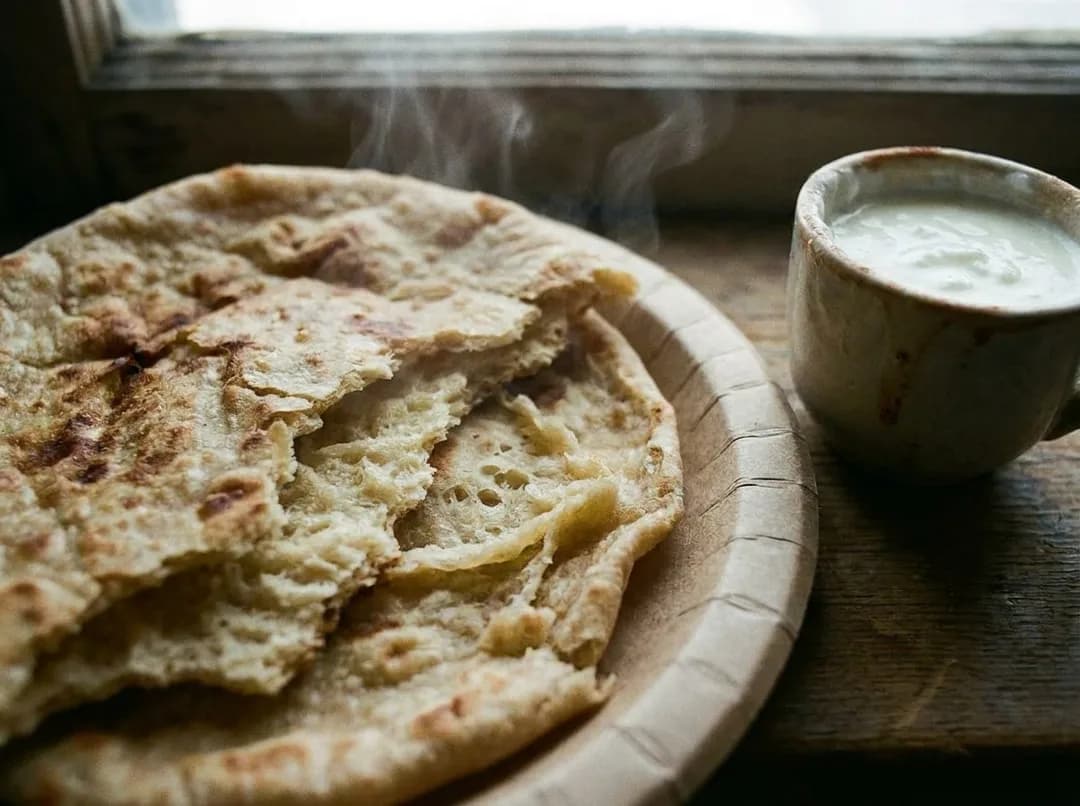
The Venezuelan gathering spot isn't technically a cafe most days. It's a remittance service with a coffee counter, the kind of place where you wire money home and maybe grab an espresso while the transaction clears. But the owner's cousin runs a catering setup, and tonight the space has transformed. You walk in and the AC is losing its battle against body heat and the steam rising from trays of cachapas. Someone's brought their own speakers—the television audio isn't enough—and the volume keeps creeping up every time someone scores in the earlier match playing as a warm-up. The crowd skews older than you'd expect, men in their fifties and sixties who remember watching Venezuela in previous tournaments, back when the outcomes felt different. They're standing because there aren't enough seats, and nobody minds.
Where the Iraqi Community Plants Its Flag
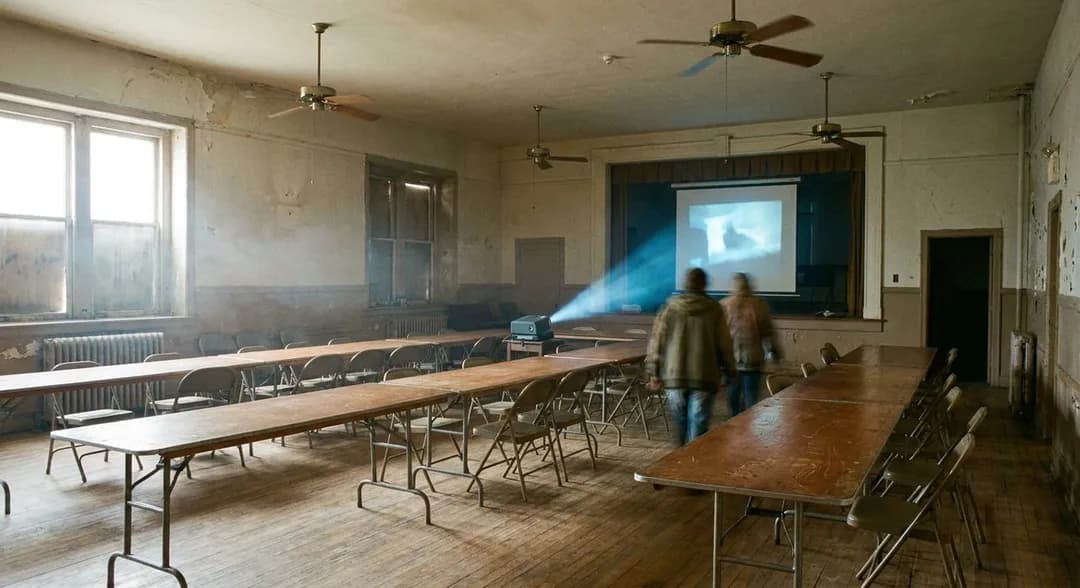
The Iraqi side operates out of a community center that shares a building with a tax prep office and a tailor. You enter through a side door that's usually locked after evening prayers, but tonight it's propped open with a cinder block and you can hear the roar from the parking lot. Inside, the space is narrow and deep, fluorescent lights buzzing overhead, folding chairs arranged in rows like a makeshift cinema. The crowd here runs younger, second-generation kids in replica jerseys standing behind their fathers, everyone's eyes locked on a screen that's maybe forty inches but feels enormous in the cramped room. There's a table near the back with tea service—tiny glass cups on a tray, the amber liquid steaming, a plate of dates that nobody's touching yet. The ritual matters more than the refreshment. When Iraq had its moment in the Asian qualifiers, this room held twice as many people, standing shoulder-to-shoulder, and tonight has that same coiled anticipation.
The Food That Marks Territory
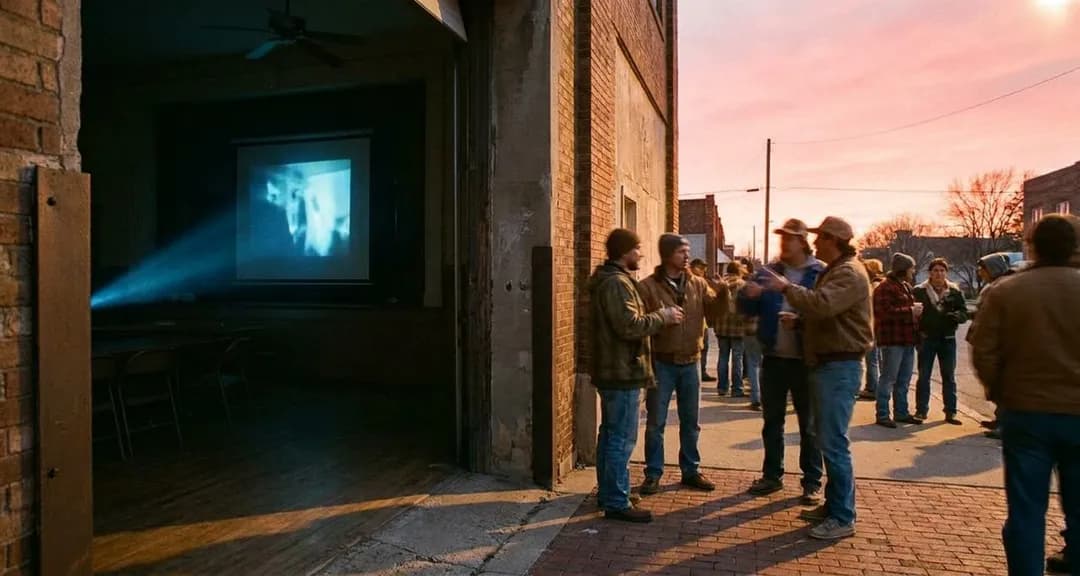
You can track allegiances by what people are eating. The Venezuelan end smells like corn and cheese, that slightly sweet funk of masa dough hitting hot oil. Someone's selling empanadas from a cooler, working the crowd, taking orders in rapid-fire Spanish. The fillings rotate—shredded beef, black beans, a white cheese that's tangy and crumbles when you bite. They're charging enough to cover costs but not enough to call it profit, and they're gone by halftime. On the Iraqi side, the food is more subdued but no less particular. A family-run operation is doing a quiet business in kubba, the fried bulgur shells stuffed with spiced meat, served in paper boats with a smear of yogurt. You eat standing up, juggling the food and your phone, grease on your fingers, the crunch audible even over the pre-match commentary. There's a cart doing chai in styrofoam cups, cardamom-heavy and sweet enough to coat your teeth, and the line never really disappears.
The Ones Who Cross the Line
Not everyone stays in their lane. You'll spot a few Venezuelans drifting south, curious or friendly or maybe just looking for a different vantage point. They get nods, cautious smiles, the kind of acknowledgment that says we're all here for the same reason even if we're rooting for opposite outcomes. An older Iraqi man stands outside the Venezuelan spot for a minute, watching the screen through the window, and someone inside waves him in. He declines but doesn't leave immediately, lingering in that space between observer and participant. The kids are less careful about borders. A group of teenagers, mixed nationalities, claims a bus stop bench midway between the two camps, scrolling through their phones, half-watching both crowds, performing a studied indifference that doesn't quite hide their awareness of the stakes.
When the Match Ends and the Strip Exhales
The aftermath depends on the score, but the pattern is predictable. Winning side erupts into the street, car horns, chanting, impromptu parades that circle the block twice before dissolving. Losing side goes quiet, the crowd thinning fast, people filing out with hands in pockets, conversations muted. But within an hour, the strip returns to itself. The flags come down or stay up, depending on who's too tired to bother. The food vendors pack up, the screens go dark, the chairs get stacked. You'll see members of both communities at the late-night taco truck that parks near the southern end, standing in the same line, ordering in English and Spanish and Arabic, the game already receding into memory. Tomorrow the remittance office will be a remittance office again, the community center will lock its doors, and Gulfton will go back to being a neighborhood instead of a stadium. But tonight, for a few hours, the strip belonged to two countries that don't share a border except here.
Practical Notes
Both gathering spots operate on informal schedules—arrive an hour before kickoff if you want a seat, earlier if you want to eat. The Venezuelan spot is easier to find, visible from the main road, while the Iraqi community center requires knowing which side door to use. Street parking fills fast, so plan to walk a few blocks or catch a rideshare to the general area and navigate on foot. There's no cover charge anywhere, but bringing cash for food and drinks is standard practice. The crowds are family-friendly earlier in the evening, though the energy intensifies as the match progresses. Transit options are limited in this part of Gulfton, so driving or rideshare is your most reliable bet. If you're visiting as an outsider, respectful observation is welcome—just read the room and don't expect anyone to explain the stakes while they're living them.
Tags: #HoustonWorldCup #GulftonHouston #DiasporaSoccer #IraqiCommunity #VenezuelanCommunity #WorldCup2026 #HoustonNeighborhoods #StreetFood #CommunityGathering #SoccerCulture #HoustonDiaspora #GulftonLife #MatchDayAtmosphere #HoustonEats #WorldCupViewing
Sources consulted: fifa.com · espn.com · timeout.com
All trademarks are the property of their respective owners.
Ask Karpo for more information.
Keep reading
- Haaland Has Seven Goals and Norway Runs Entirely Through Him
 World Cup Trophy Ceremony Timing Medals and Postmatch Celebrations
 Olise and France's Attack: The Semifinal Tactical Question