 Haaland Has Seven Goals and Norway Runs Entirely Through Him
⚽️2026 FIFA WORLD CUP
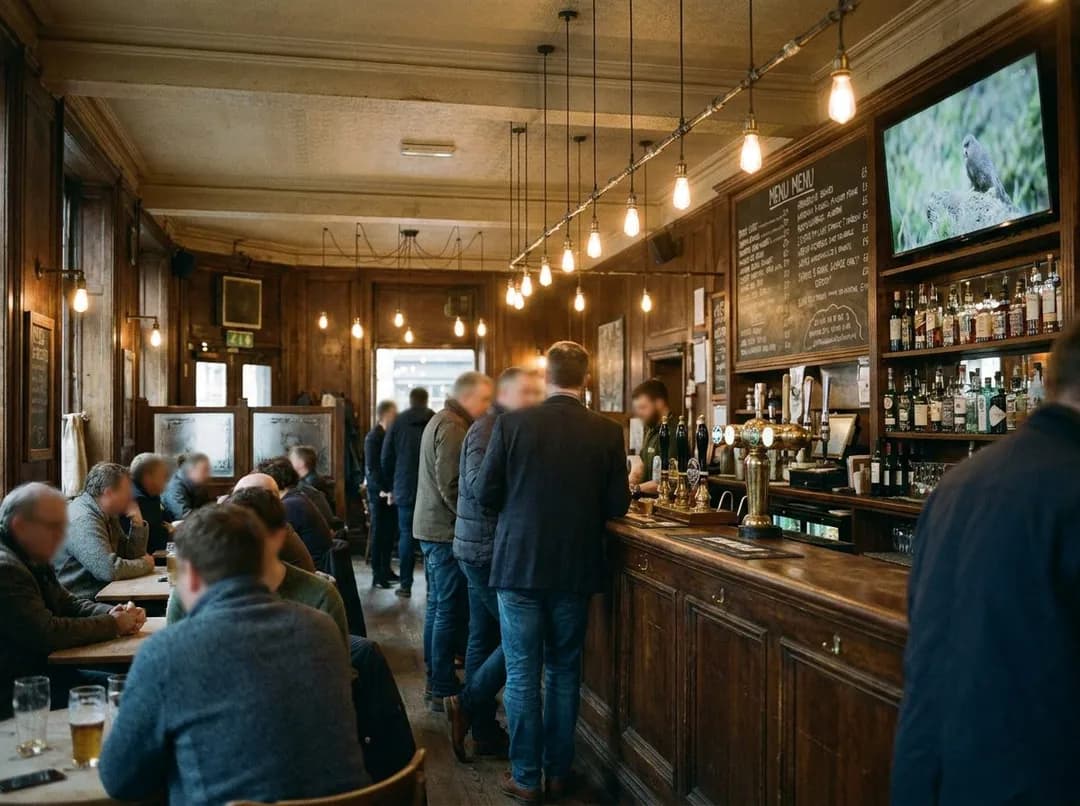
Where Are England vs Croatia Supporters Gathering Tonight in Astoria?
English pubs and Croatian kafanas on Ditmars Boulevard share a sidewalk, each broadcasting to crowds that spill onto the street with pints and plum brandy.
The sidewalk on Ditmars Boulevard becomes contested territory when England meets Croatia on the pitch. You'll find English pubs on one side pouring Guinness to crowds in Three Lions jerseys, while Croatian kafanas across the street serve rakija to fans draped in red-and-white checkerboard. The noise bleeds together into something that sounds like a street festival, except everyone's watching the same ninety minutes with completely different stakes.
The Smell of Frying Changes Every Few Storefronts
Walk west along Ditmars and you'll catch the shift from fish and chips to ćevapi in the span of three doorways. The English spots pump out that malt vinegar tang that clings to your jacket, while the Croatian places fill the air with charred meat and ajvar. Around kickoff time, the kitchen exhaust fans work overtime and the whole block smells like a culinary argument that's been going on since the Balkans split apart. You can map the diaspora by following your nose—the Greek bakeries hold the middle ground, diplomatically selling spanakopita to both sides.
Where the Projector Screen Dictates the Seating Hierarchy
Inside the English pubs, the best sight lines get claimed hours before kickoff. You'll see regulars who know to angle their stools just right so the projector beam doesn't wash out their view during corner kicks. The Croatian spots tend to mount their screens higher, maybe because their crowds stand more than they sit. By halftime, both camps have people pressed against windows, faces inches from glass, breath fogging the view. The bartenders have learned to leave a buffer zone—nobody orders during the final fifteen minutes, and anyone blocking the screen gets physically relocated by the collective will of thirty people who've stopped being polite.
The Rakija Comes Out When Things Get Tense
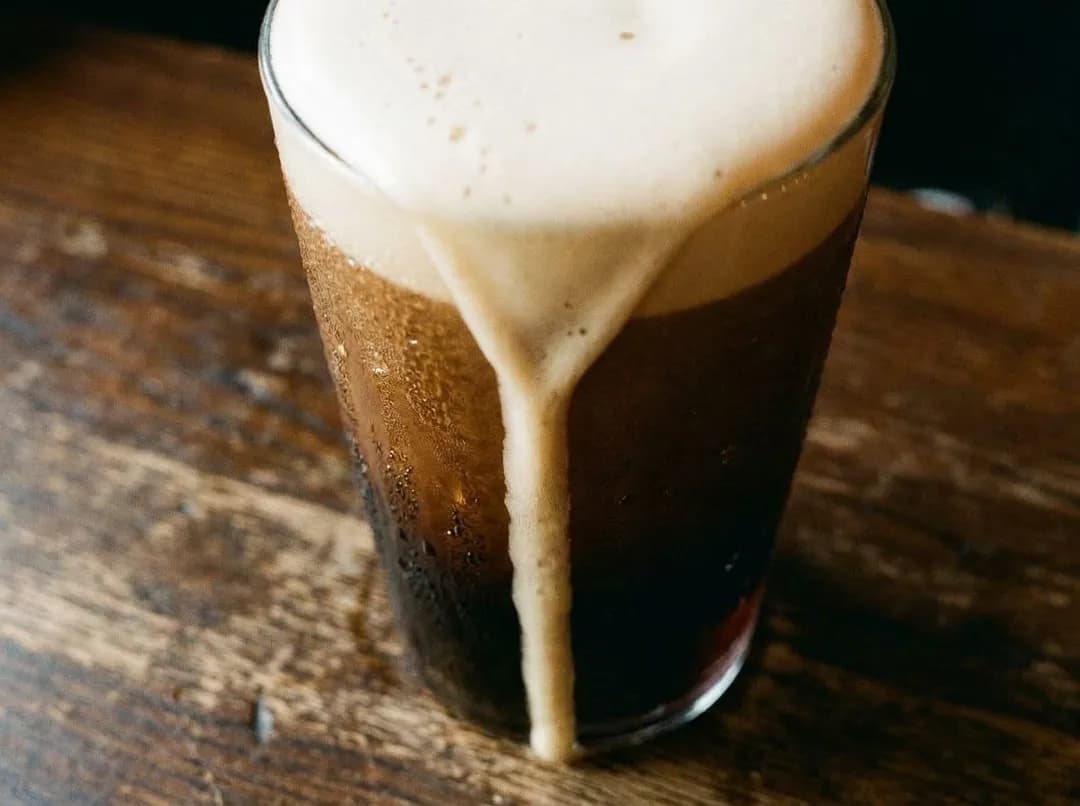
Croatian kafanas keep the plum brandy behind the bar until the match actually matters. You'll see it appear in small carafes around the sixtieth minute, poured into shot glasses that get passed down the bar without anyone asking who's paying. It's not about getting drunk—it's about having something to do with your hands when the ref makes a call that feels personal. The English pubs stick to pints throughout, but the pour speed changes with the scoreline. When things get tight, you'll notice bartenders pulling Stella and Boddingtons simultaneously, two-fisting the taps like they're conducting an orchestra that only plays in 4/4 time.
The Sidewalk Becomes a Demilitarized Zone
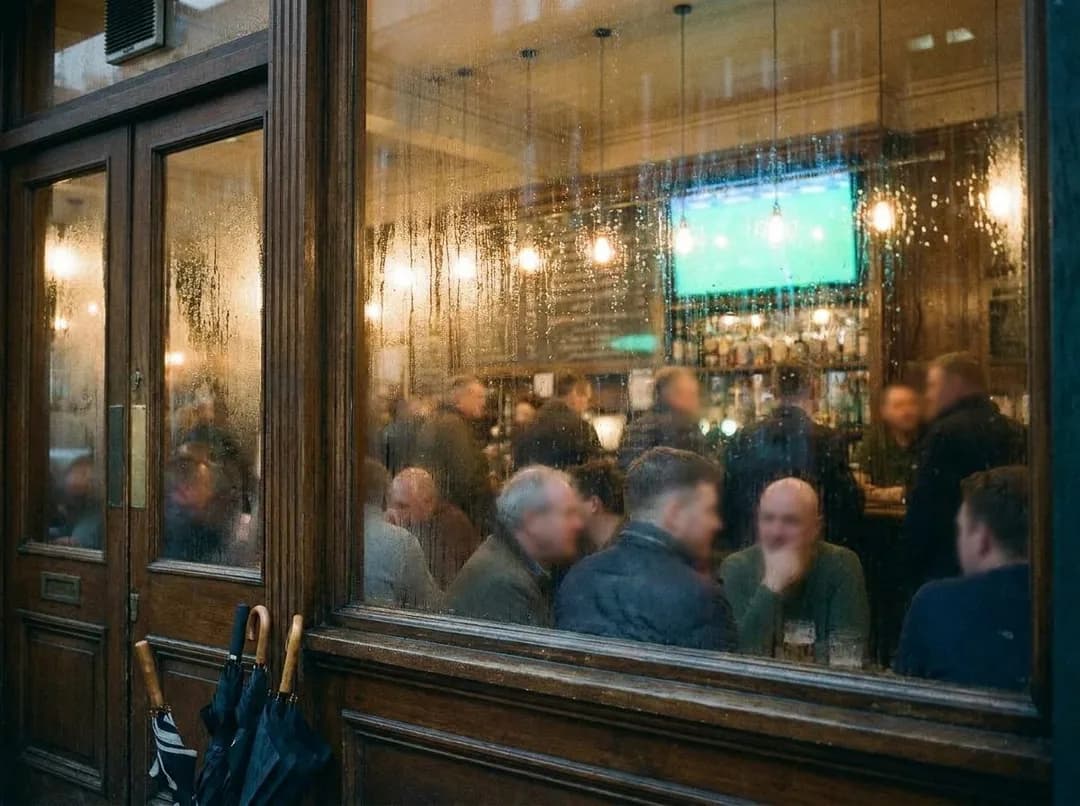
Between the opposing camps, the actual concrete sidewalk hosts the most interesting dynamics. Smokers from both sides end up shoulder-to-shoulder, and you'll catch fragments of conversations in three languages—English, Croatian, and that universal football dialect that transcends actual words. Someone's always got a radio with a different broadcast feed, creating a two-second delay that spoils goals before they happen on the bar screens. The bodega owners have figured out they can charge a premium for cigarettes and lighters during match days, and nobody complains because stepping outside means you might miss something.
What the Regulars Wear Tells You Everything
The jerseys come out for the tourists and the twenty-somethings, but the old-timers wear subtler allegiances. Look for the Croatian guys in their sixties wearing plain red polos—no crests, no names, just the color that means everything. The English expats of a certain age tend toward navy peacoats even in warm weather, and if you look close you'll spot enamel pins from clubs back home. The bartenders stay neutral in black t-shirts, but their pours betray them. You can tell who they're rooting for by whose pint gets an extra quarter-inch of foam.
The Post-Match Sidewalk Is When It Gets Real
Win or lose, both crowds spill outside when the final whistle blows. This is when Ditmars Boulevard earns its reputation—the victory songs start immediately, and the defeated side gets loud in a different register. You'll see people crossing the street to talk trash or shake hands, depending on the scoreline and how much they've had. The Greek restaurant owners come outside to smoke and watch the theater of it, arms crossed, amused by the whole spectacle. Someone always tries to start a chant that combines both languages, and it never quite works, but the effort counts for something. The mounted police show up not because there's trouble, but because this many people in the street means someone has to redirect traffic until everyone remembers they have to work tomorrow.
Practical Notes
The concentration of English pubs and Croatian kafanas runs along Ditmars Boulevard between Steinway Street and the train station, roughly a ten-minute walk end-to-end. Most spots open mid-morning on match days and stay packed through the evening. The train gets you close—take it to the Astoria-Ditmars stop and walk south. Expect crowds to form an hour before kickoff, earlier for knockout rounds. No reservations, no table service during matches. Cash helps at the smaller Croatian spots, though most places take cards now. Street parking is mythical on match days—just take the train. If you're planning to bar-hop between allegiances, maybe change your shirt first.
Tags: #2026FIFAWorldCup #Astoria #Queens #NewYorkCity #EnglandVsCroatia #FootballCulture #SoccerPubs #DiasporaLife #DitmarsBoulevard #NYCNeighborhoods #WorldCupNYC #CroatianCommunity #EnglishExpats #QueensEats #MatchDayVibes
Sources consulted: fifa.com · espn.com · timeout.com
Please drink responsibly. Must be of legal drinking age.
All trademarks are the property of their respective owners.
Ask Karpo for more information.
Keep reading
- Haaland Has Seven Goals and Norway Runs Entirely Through Him
 World Cup Trophy Ceremony Timing Medals and Postmatch Celebrations
 Olise and France's Attack: The Semifinal Tactical Question