 Haaland Has Seven Goals and Norway Runs Entirely Through Him
⚽️2026 FIFA WORLD CUP
Where Are Brazil vs Morocco Fans Watching Tonight in Little Havana?
Calle Ocho cafeterias and Moroccan tea lounges broadcast side by side, filling the humid night with drumming, whistles, and the smell of mint and cafecito.
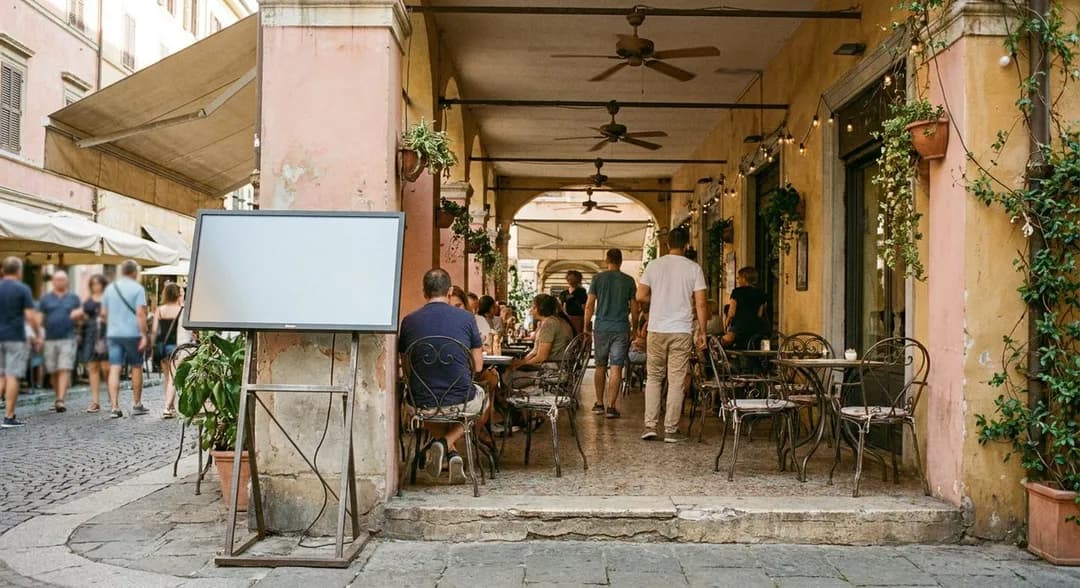
The sidewalks along Calle Ocho are already humming two hours before kickoff, café chairs dragged into clusters, someone's portable speaker blasting Cheb Khaled next to a radio crackling with Portuguese commentary. You're in Little Havana tonight because this is where Brazil and Morocco share airspace—where green-and-yellow jerseys brush past red kaftans, where the smell of mint tea cuts through espresso steam, and where you'll watch the match surrounded by people who didn't just pick a team this morning.
The Corner Where Two Diasporas Collide
Walk west on Eighth Street past the murals and you'll feel the energy shift in waves. One storefront pulses with samba drums from a Bluetooth speaker duct-taped to a folding table. Three doors down, a Moroccan-owned café has strung miniature flags across its awning, and inside, men are already arguing about formations over glasses of sweet tea thick enough to coat your teeth. The humidity makes everything louder—voices carry, car horns linger, someone's whistle pierces through traffic. You're not watching this match in a sports bar with fifty screens. You're watching it in a neighborhood that's been hosting rival watch parties since long before FIFA announced the host cities.
Ventanitas That Double as Viewing Platforms
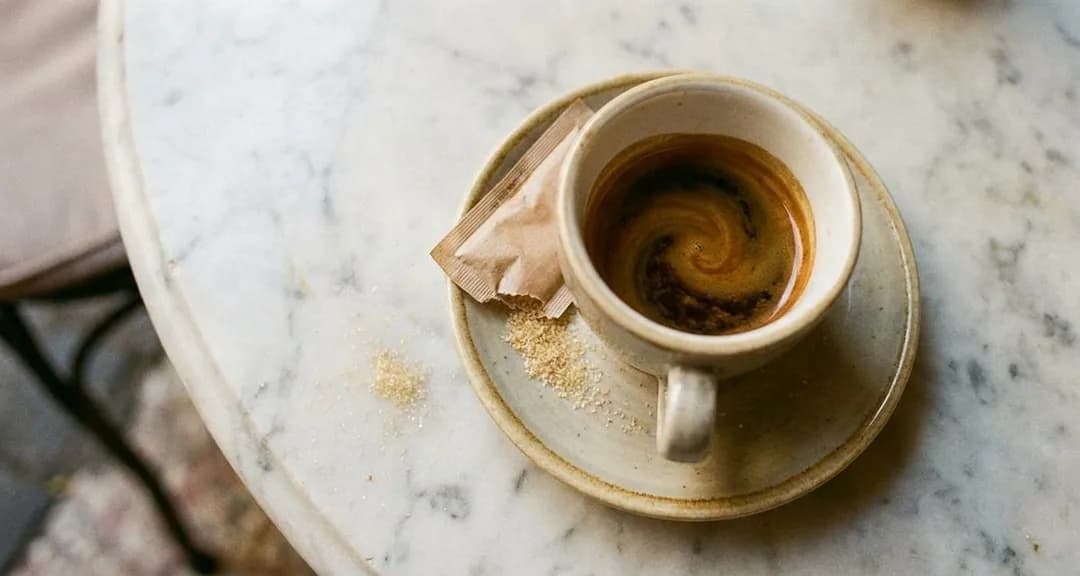
The walk-up windows—ventanitas—turn into makeshift stadium boxes tonight. You order a cortadito through the slot, and suddenly you're part of a fifteen-person huddle watching a mounted TV through the opening. The woman working the window keeps one eye on the espresso machine and one on the screen, her commentary sharper than most analysts. She'll pour your coffee without looking, muscle memory from a thousand shifts, while debating an offside call in rapid Spanish. The pasteles de guayaba sit in a glass case sweating condensation. You eat one standing up, flakes sticking to your fingers, Brazil's anthem playing from someone's phone held overhead. The sugar rush hits right as the whistle blows.
Plastic Chairs and Serious Stakes
Someone's abuela has claimed the best corner—shade from a ficus tree, direct sightline to the TV mounted outside the botanica. She's wearing a Brazil scarf and holding court, a tiny radio pressed to her ear for backup commentary. Around her, plastic chairs form concentric half-circles, the kind that live stacked behind every Cuban household. A Moroccan family sets up across the street with their own setup: a flatscreen balanced on a milk crate, extension cord snaking back into their shop. The kids run between both camps, neutral, just happy for the chaos. When Brazil scores, the street erupts on one side. When Morocco answers, the other side shakes the pavement. You're standing in the middle, getting hit with both waves of sound, and it's the only place that makes sense tonight.
The Tea Lounge That Became Match Headquarters
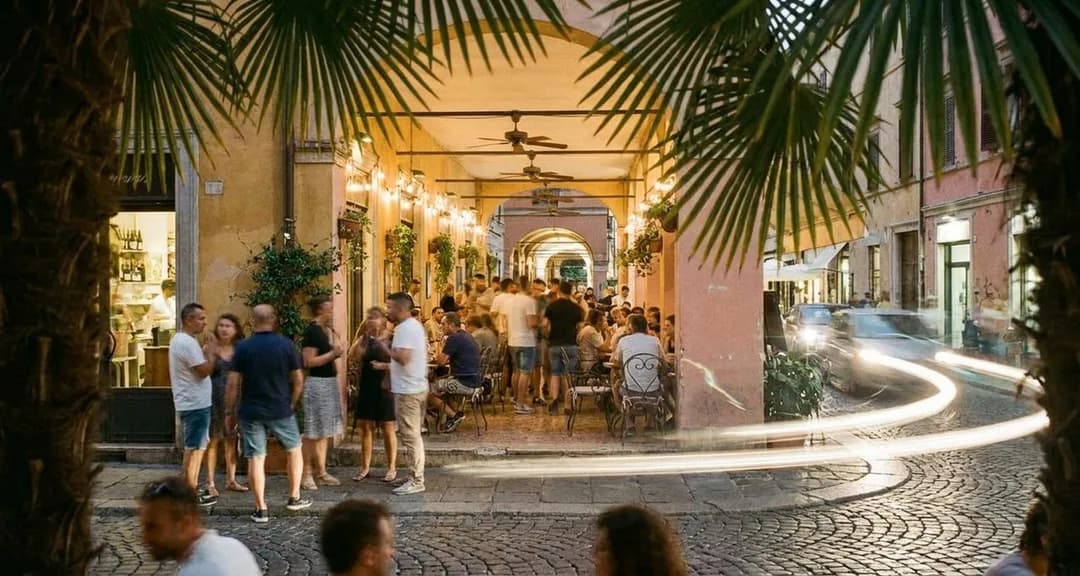
Tucked behind a produce market, there's a narrow lounge that usually hosts backgammon games and quiet conversation. Tonight it's standing room only, the air thick with mint and hookah smoke, every seat claimed an hour ago. The owner—a man who moved here in the nineties and never stopped missing Casablanca—has pushed all the tables to the walls. The TV is huge and the sound is cranked, but people still lean in close, as if proximity might change the outcome. Between halves, trays of msemen appear from the back kitchen, the flatbread still hot, honey pooling in the center. You tear off a piece and it dissolves on your tongue, buttery and sweet, while someone explains the Atlas Lions' defensive strategy in a mix of Arabic and English. The younger guys are on their phones, streaming alternate angles, shouting at refs in two languages.
Where the Drumming Starts Before Kickoff
There's a crew that shows up with djembes and Brazilian tambourines, setting up in the parking lot of a closed laundromat. They don't ask permission. They just start playing, and within minutes, a circle forms. The rhythms overlap—West African polyrhythms crashing into samba beats—and somehow it works, the two traditions finding pockets in each other. A guy in a Morocco jersey is dancing next to someone draped in a Brazilian flag, both drenched in sweat before the match even starts. This is the soundtrack of the neighborhood tonight: not the official broadcast, but this improvised percussion section that drowns out traffic and makes the whole block feel like a pre-game ceremony. When the whistle blows, the drums don't stop. They just get louder.
The After-Match Ritual Nobody Tells You About
When the final whistle blows, you don't leave. That's the mistake tourists make—they think the event ends with the scoreline. Here, the real gathering starts after. Win or lose, both sides flood the same stretch of sidewalk. The cafeterías stay open, frying croquetas in big batches, the oil hissing and spitting. Someone's selling mangoes on a stick with lime and chili, the juice running down your wrist. You end up in conversations with strangers who were screaming at each other ninety minutes ago, everyone suddenly experts, replaying every call, every near-miss. The Moroccan tea flows. The cafecito keeps coming. A couple of older men start a domino game on a folding table, the tiles clacking like punctuation. You stay because leaving feels impossible, because the energy hasn't peaked yet, because this is what the neighborhood does—it turns a match into a marathon, a game into a reason to fill the street until sunrise threatens.
Practical Notes
Most of the action concentrates along Eighth Street between 12th and 17th Avenues, though the energy spills into side streets. Arrive at least ninety minutes before kickoff if you want a seat—most spots are first-come, standing-room-after. The ventanitas operate on cash, small bills preferred. Street parking is a fantasy tonight; use the public lots a few blocks north or take the Metrorail to Vizcaya and walk. The neighborhood stays loud and crowded well after the match ends, so plan your exit accordingly or don't plan it at all. Bring cash, wear comfortable shoes, and accept that you'll be sweating through your shirt before halftime. Some spots will have table service, but most of the best viewing happens standing, moving, circulating. If you're looking for air conditioning and personal space, you're in the wrong neighborhood.
Tags: #2026FIFAWorldCup #LittleHavana #MiamiNightlife #CalleOcho #BrazilVsMorocco #WorldCupViewing #MiamiCulture #CubanCoffee #MoroccanTea #StreetFootball #DiasporaGathering #MiamiLocal #SoccerCulture #NeighborhoodWatch #AuthenticMiami
Sources consulted: fifa.com · miamiherald.com · timeout.com
All trademarks are the property of their respective owners.
Ask Karpo for more information.
Keep reading
- Haaland Has Seven Goals and Norway Runs Entirely Through Him
 World Cup Trophy Ceremony Timing Medals and Postmatch Celebrations
 Olise and France's Attack: The Semifinal Tactical Question