 Haaland Has Seven Goals and Norway Runs Entirely Through Him
⚽️2026 FIFA WORLD CUP
What Happens in Little Brazil If Brazil vs USA Is a Legend's Final Match?
Little Brazil's watch parties take on a bittersweet edge when an aging icon in canary yellow might be stepping onto the World Cup pitch for the last time.
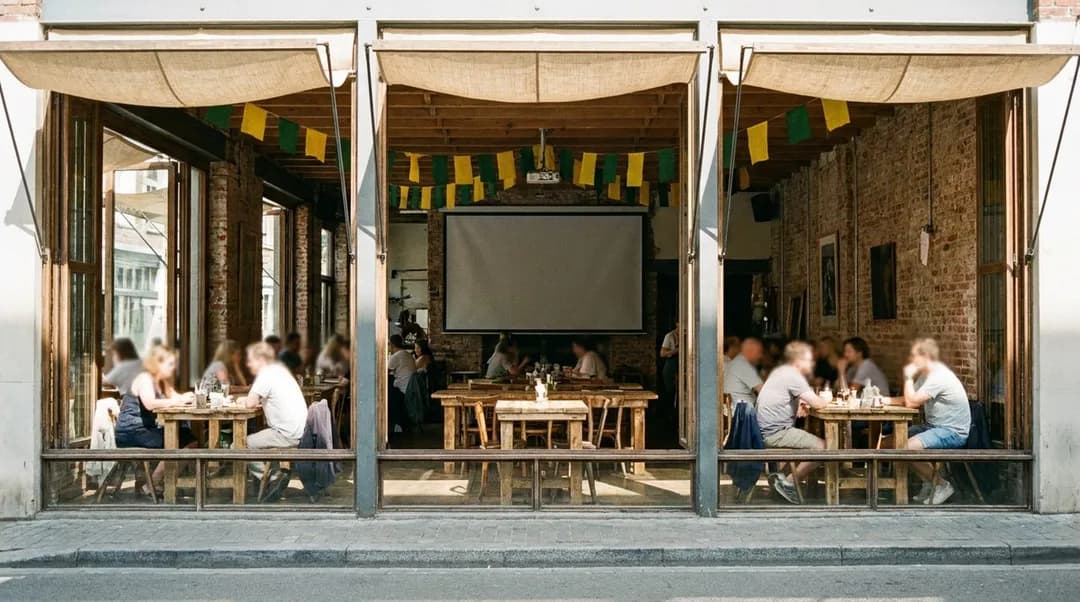
You walk into Little Brazil on a Saturday afternoon when the rumors are swirling that this might be his last World Cup, that the legend in number ten might hang up the canary yellow after one final tournament on North American soil. The air inside the churrascarias and boteco-style bars along West 46th Street between Fifth and Sixth feels different than it did four years ago—thicker somehow, weighted with something between pride and grief. When Brazil faces the United States in a knockout round, you're not just watching a match. You're watching an entire diaspora hold its breath.
The Weight of Yellow in a Room Full of Jerseys
Step into any of the Brazilian spots clustered in this two-block stretch during a World Cup match and you'll notice the jerseys first—decades of them, spanning generations of heartbreak and glory. The 1970 Pelé replicas hang next to 2002 Ronaldo kits, but this time the room skews heavily toward one number, one name, worn by men in their forties who remember watching him as teenagers and twenty-somethings in vintage tees who've only known him as a deity. The fabric mix tells you everything: some shirts are crisp polyester fresh from the official store, others are sun-faded cotton that's survived multiple tournaments. When someone scores, the newer jerseys bounce and jump while the older ones move more carefully, their wearers protecting bad knees and worse memories of 2014. The temperature climbs ten degrees within the first fifteen minutes of kickoff, and by halftime the windows fog completely, turning the street outside into an impressionist blur.
Where the Regulars Claim Territory Before Dawn
The real insiders don't show up at kickoff. They arrive when the morning light hits the buildings at that sharp angle that only happens in early summer, hours before the match, claiming the corner tables with sightlines to multiple screens. You'll find them nursing cafezinho in tiny cups, the bitter espresso cut with enough sugar to make your teeth ache, reading Brazilian newspapers that arrived two days late but still matter more than anything on their phones. These aren't the jersey-wearing superfans—they're the uncles and grandfathers in button-downs, men who remember Brazil before Brasília was the capital, who can tell you exactly where they were for every World Cup final since 1958. They don't cheer loudly when Brazil scores. They nod, exhale through their noses, mutter "finally" or "about time" to no one in particular. Their presence anchors the room, gives permission for the younger crowd's chaos. One regular keeps a photo of himself as a teenager meeting Garrincha folded in his wallet, shows it to exactly nobody unless you've earned it over multiple matches and several shared bottles of Skol.
The Kitchen Rhythm That Syncs to Stoppage Time
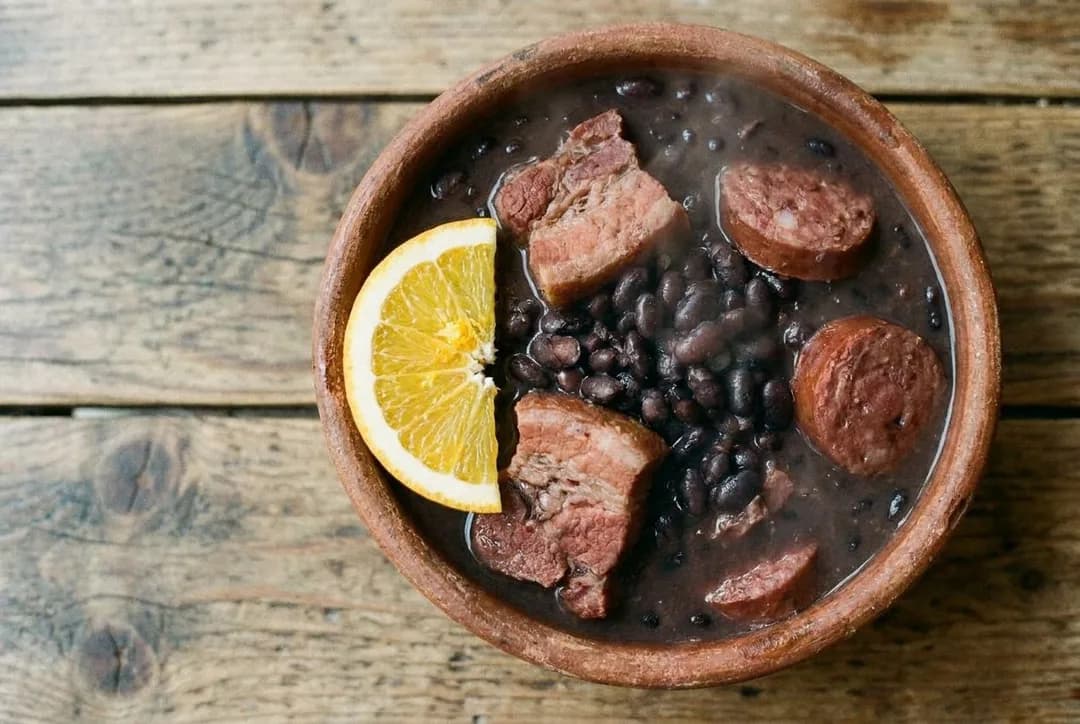
Behind the scenes, the kitchen staff operates on a different clock entirely. The smell of picanha hitting the grill intensifies right before halftime—they know everyone will rush the counter during the break, and the meat needs those char marks, that perfect crust of coarse salt. The farofa gets toasted in wide pans, the cassava flour turning golden in butter, and someone's always frying bolinho de bacalhau to order because they go soggy if you make them too early. Listen for the shift in sound: during play, the sizzle and clatter continue but muted, respectful of the crowd's focus. During stoppages, the kitchen explodes—rapid-fire Portuguese, pans clanging, orders shouted. The cooks watch the match on a small screen mounted above the prep station, and when something significant happens, a goal or a red card, you'll hear them before you see the replay. They drop whatever they're holding. The entire kitchen goes silent for three seconds, then erupts or groans in unison with the dining room.
When American Goals Land Like Betrayal
If the United States scores, the room fractures in a way that's distinctly New York. You'll spot the mixed families immediately—Brazilian father, American mother, kids in split jerseys or neutral colors, trying to navigate the suddenly hostile geography of their own table. Some people leave. Just stand up, drop cash on the table, walk out without watching the replay. Others stay but go quiet, arms crossed, faces set in expressions that could curdle milk. The interesting ones are the Brazilians who've been in New York long enough that they're conflicted, who have American kids in American schools, who pay American taxes and vote in American elections but bleed green and yellow when it counts. You'll see them cover their mouths, unsure which emotion to show first. The younger crowd handles it differently—they get louder, more defiant, start chants that feel aggressive and protective at once. Someone always orders another round immediately after an American goal, as if alcohol can rewrite the scoreline.
The Unspoken Protocol for a Legend's Last Dance
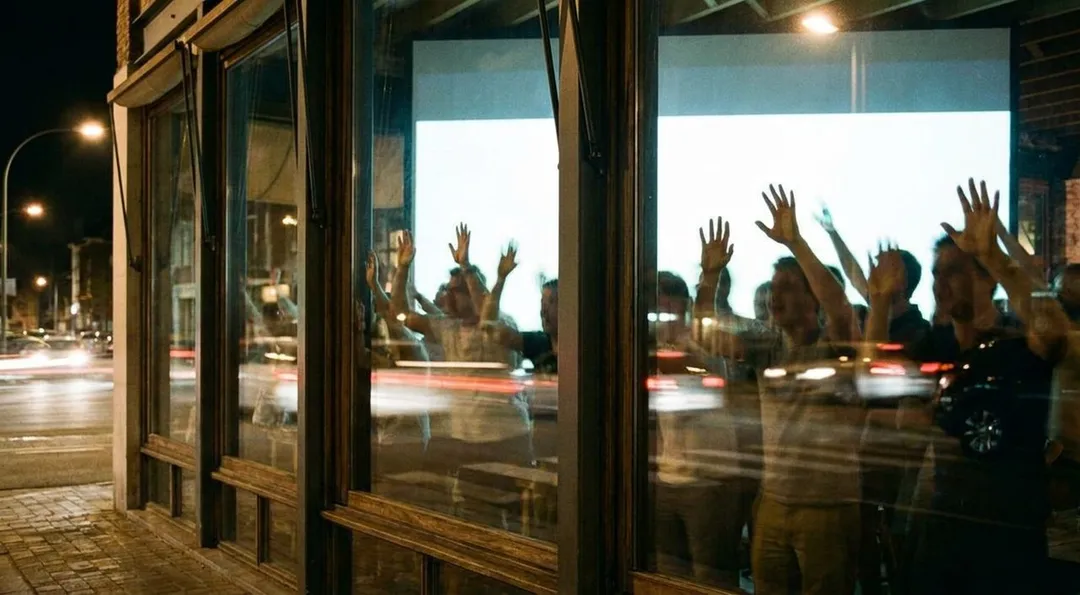
When the broadcast cuts to a close-up of him on the bench, or warming up, or taking a free kick, the entire room observes a ritual that nobody planned but everyone knows. Conversations stop mid-sentence. People stand without being asked. The older men remove their caps. Someone starts a chant of his name, and it builds slowly, deliberately, not the frantic screaming of a goal but something more like a prayer or a dirge. You can hear individual voices in it, the rhythm syncopated, overlapping. If he scores, the place detonates—but there's crying mixed with the celebration, men in their fifties with tears running into their beards, women clutching each other's arms hard enough to leave marks. If he doesn't score, if he gets subbed off, the applause when he leaves the pitch lasts longer than it should, continues through the next play, disrupts the match itself. The bartenders stop pouring. The kitchen goes quiet again. For thirty seconds, maybe a minute, Little Brazil becomes a cathedral, and you're witnessing something closer to a funeral than a party.
The Street After the Final Whistle
Win or lose, the crowd spills onto West 46th when it's over, and the street transforms into something between a parade and a wake. Someone's always got a speaker, playing samba that sounds too joyful or too sad depending on the result. The traffic stops—not because it's blocked officially, but because there are simply too many bodies, and the cabs give up, reroute. You'll see people sitting on the curb, heads in hands, jerseys soaked through with sweat and spilled beer. Others dance, arms around strangers, singing songs that are older than the World Cup itself. The smell is diesel and grilled meat and summer garbage and cologne and sweat, all of it mixing into something distinctly New York but also distinctly not. If Brazil won, the celebration continues until the bars run out of Brahma and Antarctica. If they lost, especially if this was his last match, people linger anyway, reluctant to let the moment end, because ending means accepting that an era is over, that the next World Cup will arrive without him, that they're older now than they were when he was young.
Practical Notes
Most of the Brazilian establishments in Little Brazil don't take reservations for World Cup matches—it's first-come, first-served, and you'll want to arrive several hours early for any Brazil knockout game. The concentration of spots runs along West 46th Street in Midtown Manhattan, easily accessible via Times Square subway stations. Expect crowds to swell significantly if Brazil advances deep into the tournament, and plan for limited seating and standing-room situations. Many spots operate on extended hours during World Cup days, opening earlier than usual and staying open well past typical closing times. Cash is often faster than card when the rush hits. If you're not Brazilian but want to experience the atmosphere, respectful observation is welcome—just don't wear American colors into a Brazil-heavy space during a USA match unless you're comfortable with tension. The neighborhood's energy peaks during afternoon and evening matches when the workday crowd can attend.
Tags: #LittleBrazil #WorldCup2026 #BrazilianDiaspora #NewYorkCity #MidtownManhattan #FutebolCulture #WorldCupWatchParty #BrazilVsUSA #SoccerCulture #ImmigrantStories #NYCNeighborhoods #AuthenticExperience #DiasporaLife #LegacyMoments #FarewellTour
Sources consulted: fifa.com · espn.com · timeout.com
Please drink responsibly. Must be of legal drinking age.
All trademarks are the property of their respective owners.
Ask Karpo for more information.
Keep reading
- Haaland Has Seven Goals and Norway Runs Entirely Through Him
 World Cup Trophy Ceremony Timing Medals and Postmatch Celebrations
 Olise and France's Attack: The Semifinal Tactical Question