 Haaland Has Seven Goals and Norway Runs Entirely Through Him
⚽️2026 FIFA WORLD CUP

Virgil van Dijk: The Netherlands Captain Anchoring a World Cup 2026 Dream
Virgil van Dijk's commanding presence at the back has transformed the Netherlands from dark horses to genuine World Cup 2026 contenders.
The MetLife Stadium erupts in a sea of orange as Virgil van Dijk raises his captain's armband skyward, acknowledging the 25,000 Dutch supporters who have traveled across the Atlantic to witness their team's World Cup 2026 quarter-final clash against Brazil. At 35, the Liverpool legend stands as tall and imposing as ever, his presence radiating the calm authority that has transformed the Netherlands from perennial underachievers into genuine title contenders. As he surveys the pitch with those calculating eyes, van Dijk embodies everything this Dutch renaissance represents: experience married to ambition, leadership forged through adversity, and the unwavering belief that this could finally be their moment on football's grandest stage.
The Captain's Journey to World Cup 2026
Virgil van Dijk's path to captaining the Netherlands at World Cup 2026 reads like a masterclass in perseverance and tactical evolution. Taking over the armband permanently in 2023 following Georginio Wijnaldum's international retirement, van Dijk has overseen the most successful period in Dutch football since the 2010 World Cup final appearance. His leadership credentials were never in doubt, but the transformation of his role from traditional center-back to deep-lying playmaker has revolutionized how the Netherlands approach tournament football.
Under Ronald Koeman's tactical system, van Dijk operates as the fulcrum of a flexible 3-4-2-1 formation that seamlessly transitions between defensive solidity and attacking fluidity. His distribution statistics from the group stages tell the story: 94% pass accuracy, including 47 long balls completed out of 52 attempted across three matches. More significantly, van Dijk has registered two assists already in this tournament, threading defense-splitting passes that have unlocked stubborn opponents and showcased his evolution from defensive stalwart to complete footballer.
The captain's influence extends far beyond statistics, however. His partnership with AC Milan's Sven Botman and PSG's emerging talent Jorrel Hato has created the most cohesive Dutch defensive unit in over a decade. Van Dijk's positioning allows his younger teammates to express themselves, knowing their captain's reading of the game will cover any positional lapses. This confidence has permeated throughout the squad, evident in their fearless performances against tournament favorites.
Tactical Mastery and Defensive Excellence
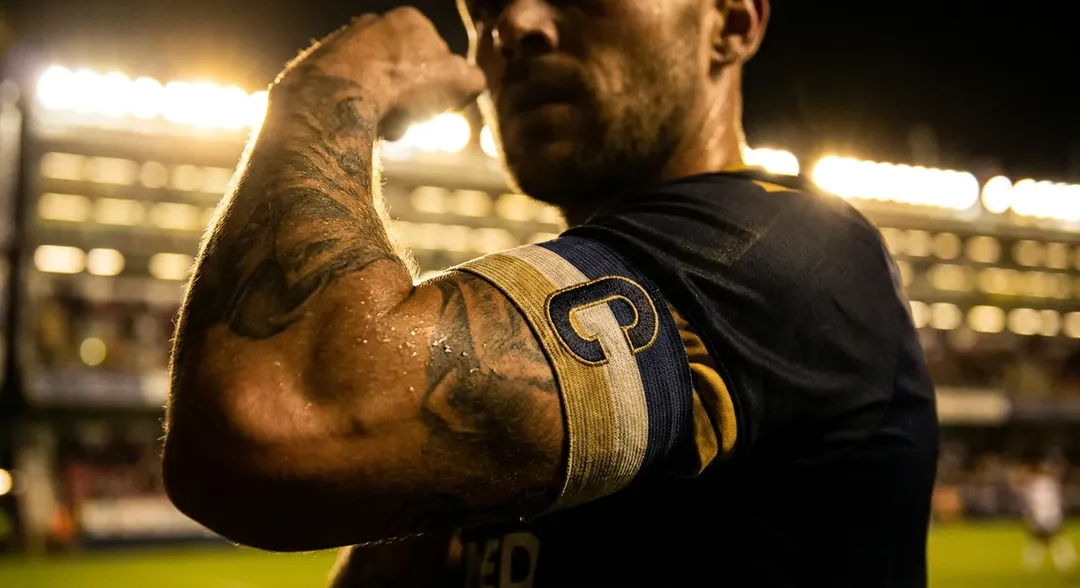
Van Dijk's tactical intelligence has reached new heights at World Cup 2026, adapting his game to complement a Netherlands team built on controlled aggression and positional flexibility. Operating primarily as the central defender in Koeman's back three, he functions as both defensive anchor and primary distributor, a role that maximizes his unique skill set while providing the platform for the team's attacking talents to flourish.
The numbers from the tournament paint a picture of defensive dominance: the Netherlands have conceded just two goals in five matches, with van Dijk's aerial dominance particularly noteworthy. He has won 23 of 27 aerial duels, providing crucial interventions against teams looking to exploit set pieces or direct play. His partnership with goalkeeper Bart Verbruggen has been telepathic, with the Brighton keeper repeatedly finding van Dijk's feet to initiate attacking moves from deep positions.
What sets van Dijk apart at this World Cup is his adaptation to facing more direct, physical opponents. Against Senegal in the round of 16, he neutralized the threat of their towering forwards while simultaneously launching 12 successful long passes that stretched the African champions' defensive shape. His performance against Mexico in the group stages was even more impressive, completing 89 of 92 passes while making crucial interceptions that prevented three clear scoring opportunities. This combination of defensive reliability and creative distribution has become the foundation upon which Dutch hopes rest.
Orange Army: The Captain's Connection with Supporters
The bond between van Dijk and the traveling Dutch support has become one of World Cup 2026's most compelling storylines, with the captain's pre-match rituals consistently drawing thunderous approval from the orange-clad masses. Before each match, van Dijk leads the team in acknowledging all four corners of the stadium, a gesture that has resonated deeply with supporters who remember the disappointment of missing the 2018 World Cup entirely.
Amsterdam supporter club president Marco Kleijn, who has followed the team to all five matches in North America, captures the sentiment perfectly: "Virgil represents everything we want from our national team. He's professional, he's proud, and he never gives up. When he speaks, the whole team listens. When he plays, we believe anything is possible." This connection has manifested in tangible ways, with Dutch fan zones consistently selling out across tournament host cities and orange merchandise sales reportedly up 340% compared to Qatar 2022.
The captain's leadership style resonates particularly strongly with Dutch football culture, which values directness, honesty, and tactical intelligence above individual flair. Van Dijk's post-match interviews have become essential viewing for Dutch supporters, offering tactical insights delivered with the kind of measured confidence that suggests a future in coaching. His handling of pressure moments, particularly during the penalty shootout victory over England in the round of 16, has cemented his status as a modern Dutch icon alongside Johan Cruyff and Marco van Basten.
Historical Context: Building on Dutch Legacy
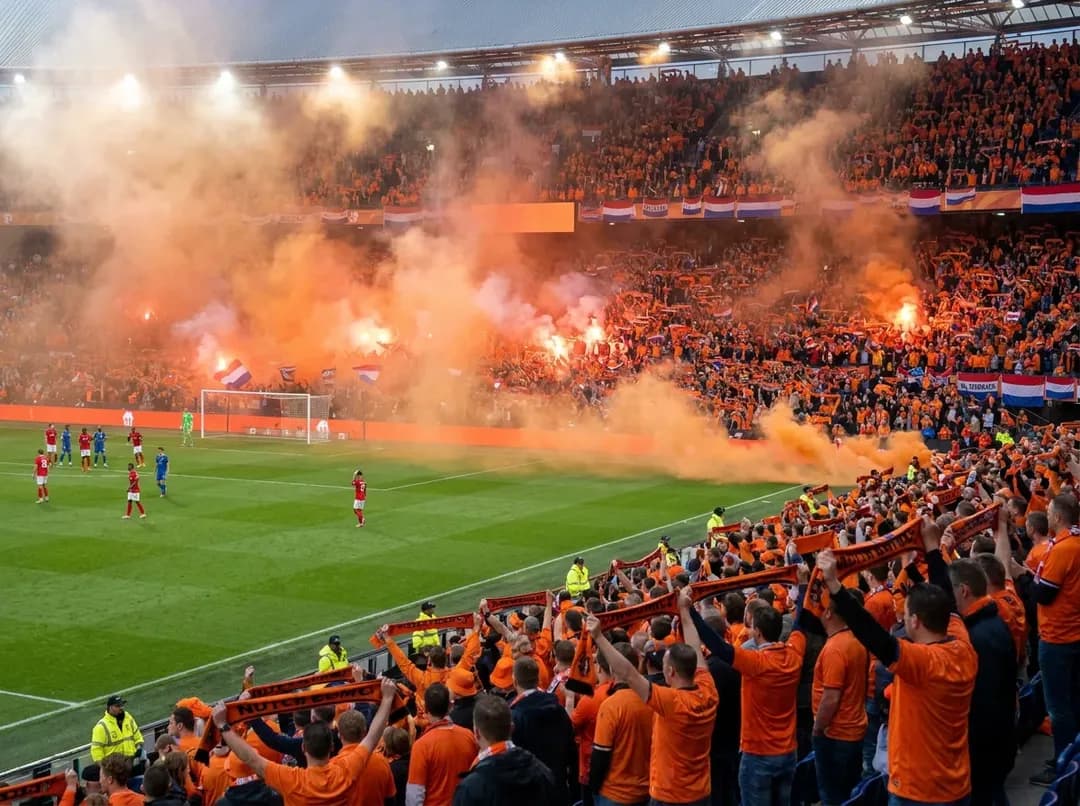
Van Dijk's captaincy carries the weight of Dutch football history, and his leadership of this World Cup 2026 campaign has drawn inevitable comparisons to the legendary teams of the 1970s and late 1980s. Unlike those sides, however, this Netherlands team combines individual brilliance with collective discipline, a balance that van Dijk's presence makes possible.
The parallels with Ruud Krol, the elegant defender who captained the Netherlands to the 1978 World Cup final, are particularly striking. Both players combined defensive excellence with remarkable technical ability, serving as the link between defense and attack while providing leadership through example rather than just vocal instruction. Van Dijk's ability to remain calm under pressure mirrors Krol's composure, but his physical presence and aerial dominance add dimensions that previous Dutch captains couldn't match.
This tournament represents the Netherlands' best opportunity to claim their first World Cup since the competition began, and van Dijk's role in that quest cannot be overstated. The team's tactical evolution under Koeman has placed the captain at the center of every significant moment, from defensive interventions to attacking initiations. His performance levels have remained remarkably consistent despite his age, suggesting that experience and tactical intelligence can compensate for any minor decline in physical attributes.
Quarter-Final Stakes and Tournament Predictions
As the Netherlands prepare for their quarter-final encounter with Brazil at MetLife Stadium, van Dijk faces perhaps his sternest test of World Cup 2026. The Brazilian attack, spearheaded by Vinicius Junior and supported by the creative genius of Bruno Guimaraes, will test every aspect of the Dutch captain's defensive arsenal while demanding perfect distribution to release the counter-attacking threats of Cody Gakpo and Xavi Simons.
The tactical battle promises to be fascinating, with van Dijk's long passing range potentially crucial in bypassing Brazil's intense midfield press. His ability to find Memphis Depay in space has already unlocked three goals in this tournament, and the Brazilian defense will need to account for these diagonal balls that have become a trademark of Dutch attacking play. Equally important will be van Dijk's leadership in managing the emotional aspects of a quarter-final against such storied opposition.
Should the Netherlands progress, van Dijk would become the oldest outfield player to captain a team to a World Cup semi-final since Germany's Philipp Lahm in 2014. The prospect of facing either Argentina or France in the final four would represent the ultimate test of his tournament leadership, but his performances thus far suggest he's ready for whatever challenges await. The dream of lifting the World Cup at the Rose Bowl in Pasadena remains alive, and van Dijk's commanding presence makes it feel increasingly achievable.
Practical Notes
Netherlands supporters planning to attend the quarter-final should arrive at MetLife Stadium early, as security protocols have been enhanced for knockout stage matches. The Dutch fan zone in Times Square will be operating extended hours with live coverage beginning at 1 PM EST, three hours before kickoff. Orange merchandise is available at official FIFA stores throughout New York and New Jersey, though popular items like replica van Dijk jerseys are selling quickly.
For those watching from home, the match will be broadcast live on FOX with Dutch language coverage available through ESPN Deportes+ streaming service. The build-up coverage begins at 2 PM EST, featuring tactical analysis of van Dijk's role in neutralizing Brazil's attacking threats. Fan viewing parties are organized across major US cities, with Dutch consulates providing information on official supporter gatherings.
Tags
#WorldCup2026 #FIFA2026 #VirgilvanDijk #Netherlands #DutchFootball #USMNT2026 #MetLifeStadium #OranjeArmy #RonaldKoeman #WorldCupQuarterFinals
All trademarks, logos, and brand names mentioned are the property of their respective owners.
Want to find Dutch fan bars, orange-themed watch parties, and the best stroopwafel spots near World Cup venues? Ask Karpo for the latest Netherlands squad updates, a fan zone guide, and a live route to the Dutch corner.
Ask Karpo for more information.
Keep reading
- Haaland Has Seven Goals and Norway Runs Entirely Through Him
 World Cup Trophy Ceremony Timing Medals and Postmatch Celebrations
 Olise and France's Attack: The Semifinal Tactical Question