 Haaland Has Seven Goals and Norway Runs Entirely Through Him
⚽️2026 FIFA WORLD CUP
Village Cafe Screens the World Cup While Summer adam sandler Movie Clips Play Before Kickoff in Greenwich Village
Coffee shop projectors toggle between comedy trailers and match buildup as fans claim tables for the long morning.
The Comedy Reel Before Kickoff
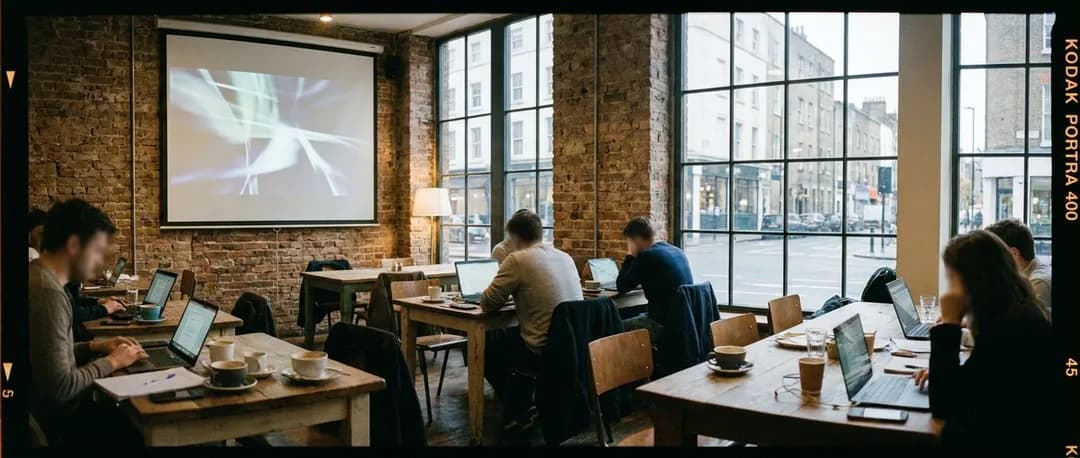
You walk into a narrow Greenwich Village cafe on a summer morning when the World Cup is on, and the projector's showing clips from Happy Gilmore on the back wall. No one's laughing yet—they're saving their tables, spreading out newspapers, ordering second espressos. The barista toggles the laptop and the screen flips to pre-match commentary. Someone near the window exhales. The room shifts. You're here for the next two hours, minimum.
This cafe runs the tournament on a projector that usually shows indie film trailers and occasionally, inexplicably, Adam Sandler comedies from the late nineties. The owner keeps a rotation of feel-good clips queued up before each match—something about easing people into the day before the tension kicks in. You'll see Billy Madison, The Wedding Singer, maybe a scene from Big Daddy. Then the whistle blows and everyone stops pretending to work on their laptops.
The Corner Table Strategy and the Regulars Who Know
The corner tables go first. Always. They're against the exposed brick, angled so you can see both the screen and the door, and they fit four people comfortably if no one's wearing a backpack. By the time kickoff's thirty minutes out, those spots are claimed by the same faces—usually a guy in a faded national team jersey from a tournament two cycles ago, sometimes a couple who bring their own pastries and order just enough coffee to justify the squat.
You learn quickly that arriving forty-five minutes early is the minimum if you want a sight line. The cafe doesn't take reservations, doesn't rope off sections, doesn't do anything formal. It just fills. The rhythm is organic. People drift in, scan the room, make a decision. You'll see someone hover near a two-top, waiting for a sign of departure. The staff doesn't rush anyone. They know what this is.
There's a regular who shows up in a wool scarf no matter the temperature outside, always orders a cortado, never speaks until someone scores. Then he stands, claps twice, sits back down. You'll recognize him by the second match you attend.
The Projector Hum and the Laptop Tether
The projector lives on a small shelf bolted near the ceiling, aimed at a white-painted section of wall that's smoother than the rest. It hums. Not loudly, but you hear it in the quieter moments—when the announcers pause, when the play resets, when someone's taking a corner and the room holds its breath. The whole setup runs off a laptop behind the counter, tethered by a cord that snakes under the espresso machine and up along the wall trim.
Sometimes the connection drops. The screen goes blue. A collective groan rises and someone from the back yells "refresh it" like that's a helpful instruction. The barista clicks around, the feed returns, and everyone exhales again. You get used to these micro-interruptions. They're part of the texture. The cafe's not a sports bar with redundant systems and backup streams. It's a coffee shop doing its best, and that fragility makes it feel more communal. You're all in this together, dependent on a single HDMI cable and decent WiFi.
The laptop screen itself is visible if you're standing at the counter, and you'll catch glimpses of the browser tabs—email, a Google Doc, someone's Spotify playlist on pause. It's endearingly amateur. Between matches, the Sandler clips auto-play from a YouTube playlist. No one's curated this thing with any real intention. It's just what's there.
The Espresso Machine Cadence Against the Broadcast
The espresso machine runs constantly. It's a manual lever model, older, requires real pressure. You hear the hiss and clunk, the knock of the portafilter against the trash bin, the steam wand purging. During open play, it's background noise. During a penalty kick, it stops. The barista waits. Everyone waits. The kick happens, the result resolves, and the machine starts again.
There's a strange synchronicity to it. The cafe doesn't go silent during tense moments—it's too small, too packed, the kitchen's too close—but the rhythm changes. Conversations drop to murmurs. Someone's tapping a spoon against a mug. The espresso machine becomes the loudest thing in the room until it isn't.
The smell is relentless: dark roast, burnt sugar, something yeasty from the pastry case. It mixes with the summer heat that seeps in every time the door opens. No air conditioning, just two box fans in the corners and the hope that the morning stays mild. By halftime, the room's warm. You'll see people fanning themselves with menus, rolling up sleeves, ordering iced drinks they didn't want initially.
The Crowd That Assembles for Specific Matchups
Certain matches pull specific crowds. You'll know it's a big one for a particular diaspora when the room skews heavily toward one set of colors, when people are greeting each other in a language you don't speak, when someone's brought a scarf and draped it over a chair. The cafe doesn't advertise which matches it's showing—it shows all of them, as long as they're morning or early afternoon in New York—but word travels.
You'll see families, kids sitting on parents' laps, someone's grandmother in the back sipping tea and watching with the intensity of someone who's seen her country play in five tournaments. The energy's different depending on the stakes. Group stage matches have a relaxed hum. Knockout rounds feel like the room might combust.
No one's painting their face or doing organized chants. It's not that kind of venue. But when a goal goes in, the eruption's real. Chairs scrape, someone's espresso nearly tips, high-fives all around. Then it settles. The Sandler clip queued for halftime feels absurd in the aftermath, but it plays anyway, and a few people smile.
What You Actually Order and When
You order at the counter when you arrive, then again at halftime if you're staying. The menu's limited: espresso drinks, drip coffee, a handful of pastries under glass, maybe a yogurt parfait if you're trying to pretend this is breakfast. The croissants are gone by the second match of the day. The muffins last longer but aren't worth it.
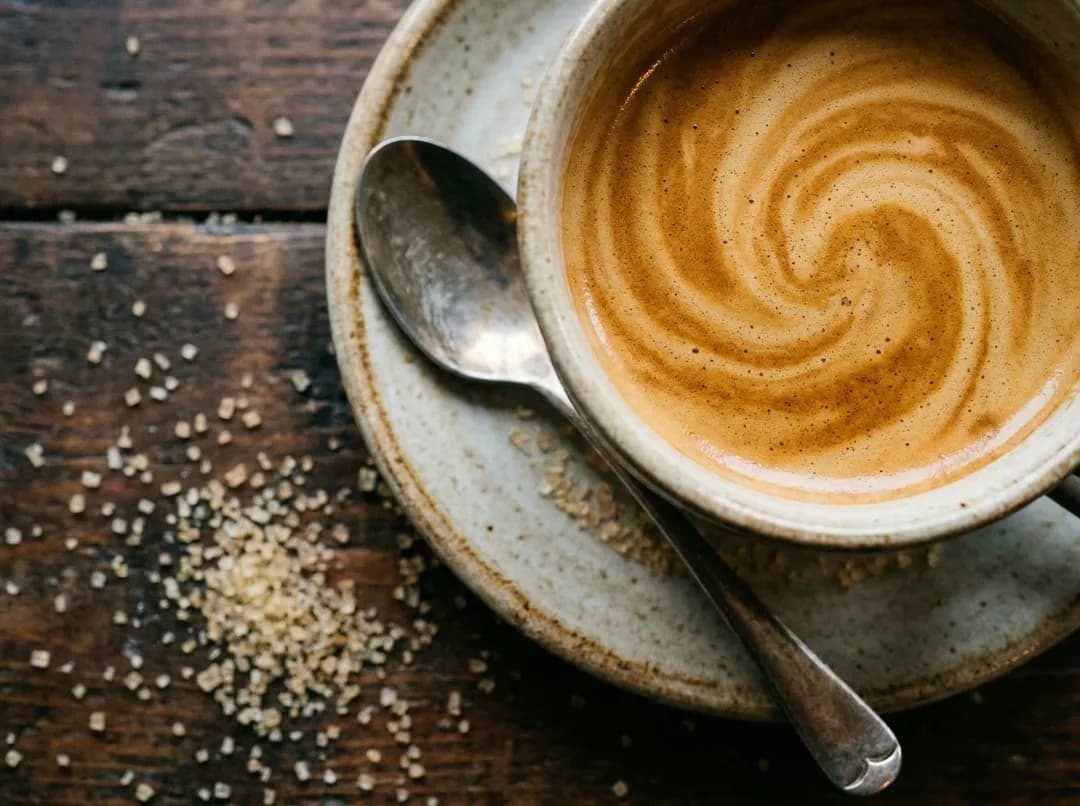
Most people go for an Americano or a latte. Something that lasts. You can nurse it through ninety minutes if you pace yourself. Ordering a complicated drink feels wrong here—no one's asking for oat milk foam art when the room's watching a counterattack. The barista's efficient, not chatty. You pay, you take your cup, you find your spot.
Halftime's when the line builds. Everyone needs a refill, a bathroom break, a moment to check their phone. The Sandler clips play to a half-empty room. People drift back as the second half nears, reclaiming their seats, resettling. The projector hum returns. The match resumes.
Getting There and Claiming Your Morning
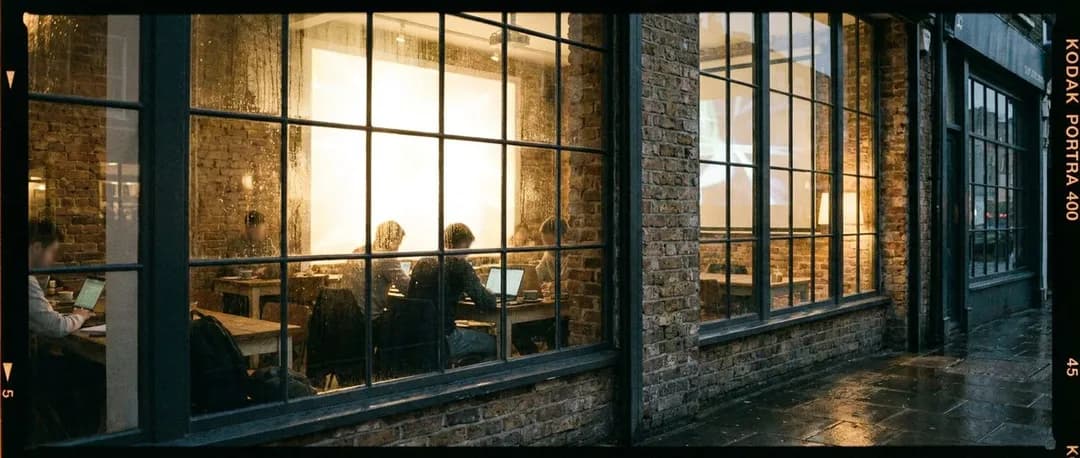
The cafe's on a side street in Greenwich Village, close enough to the West 4th Street subway stop that you can walk it in a few minutes. You'll pass the usual weekend morning foot traffic—dog walkers, joggers, people clutching tote bags from the farmers market. The cafe's door is propped open if it's warm, closed if the fans are losing the battle.
Arrive early. Seriously. If kickoff's at ten, be there by nine-fifteen. Bring a book or a newspaper if you're alone—it gives you something to do while you wait, makes the table-claiming feel less aggressive. The staff won't kick you out for camping, but they appreciate orders. Buy something every hour or so. It's the unspoken contract.
The cafe doesn't open outrageously early, so if you're chasing a match that kicks off at dawn in New York, you're out of luck. But for the late-morning and early-afternoon slots, it's your spot. No cover, no minimum, no reservation system. Just show up, find space, settle in. The Sandler clips will play. The projector will hum. The room will fill. And when the whistle blows, you'll remember why you came.
Tags: #FIFAWorldCup2026 #GreenwichVillage #NYCCoffeeShops #WorldCupViewing #SoccerCulture #VillageLife #NYCHiddenGems #MatchDayMornings #CoffeeAndFootball #NeighborhoodSpots #SummerInNYC #LocalCafe #WorldCupNYC #GreenwichVillageCafe #KarposFinds
Sources consulted: fifa.com · espn.com · timeout.com
All trademarks are the property of their respective owners.
Ask Karpo for more information.
Keep reading
- Haaland Has Seven Goals and Norway Runs Entirely Through Him
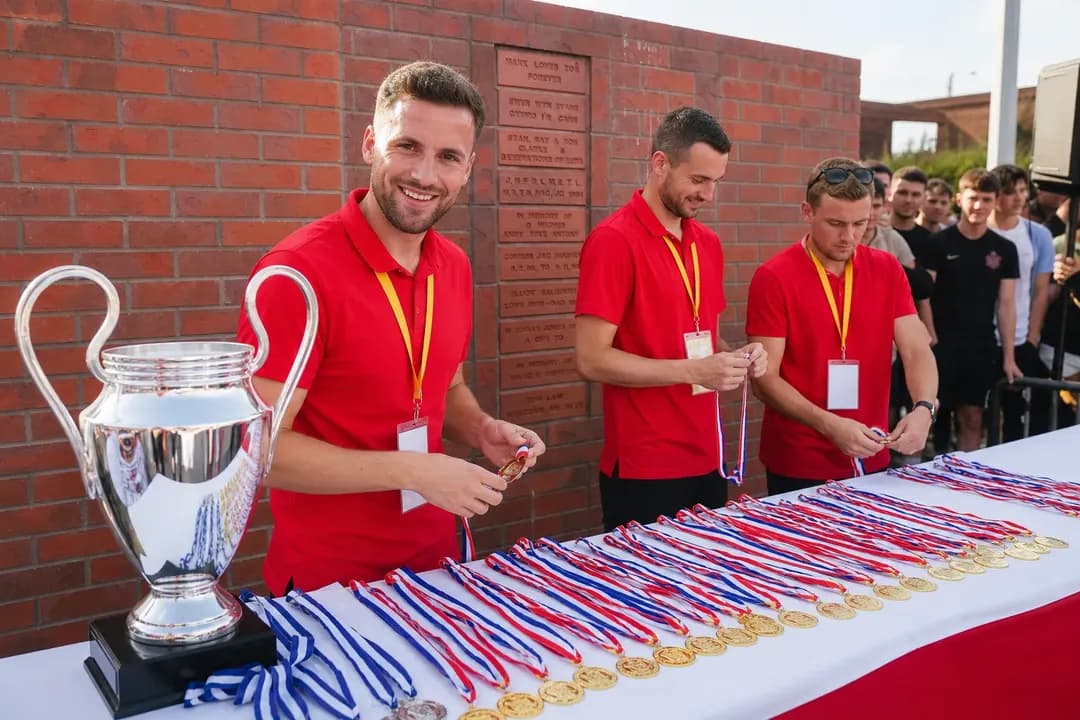 World Cup Trophy Ceremony Timing Medals and Postmatch Celebrations
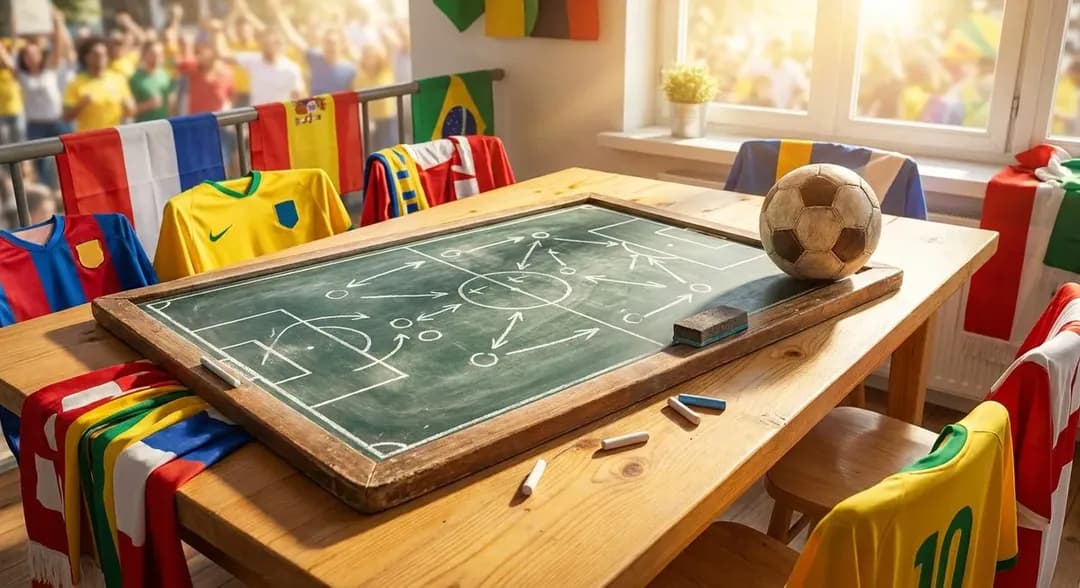 Olise and France's Attack: The Semifinal Tactical Question