 Haaland Has Seven Goals and Norway Runs Entirely Through Him
⚽️2026 FIFA WORLD CUP
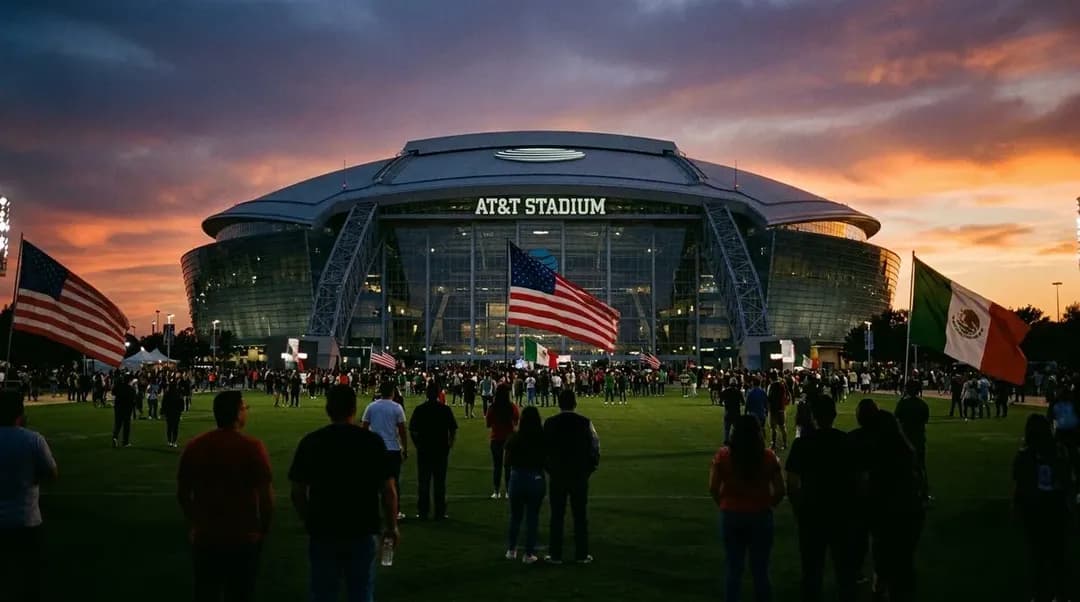
USA vs Mexico in Dallas: How AT&T Stadium Splits a Bi-National Border City on Match Night
Witness how the electrifying rivalry between these two nations transforms Dallas into a vibrant, yet divided, cityscape, reflecting its unique position as a cultural crossroads.
USA vs Mexico in Dallas: How AT&T Stadium Splits a Bi-National Border City on Match Night
The air in Dallas crackles with an almost electric anticipation, a palpable hum that even overshadows the usual buzz surrounding trending topics like *czech republic vs mexico* in the days leading up to a major international fixture. Today, however, all eyes are on *USA vs Mexico* at AT&T Stadium. From the bustling corridors of Jefferson Boulevard to the polished patios of Uptown, the city prepares to cleave itself along a familiar fault line, each side draped in the colors of their chosen nation, ready to celebrate or commiserate with an intensity unique to America’s true border derby city. This isn't just a game; it's a cultural collision, a vibrant spectacle where Dallas’s dual identity truly shines.
Arlington: The Colossus and Its Shadow
Thirty minutes west of downtown Dallas, the city of Arlington transforms into a temporary national capital, if only for a few hours. AT&T Stadium, a futuristic leviathan of steel and glass, dominates the landscape, its retractable roof and colossal jumbotron visible for miles. Inside, the roar of the crowd is a physical presence, a concussive wave that vibrates through the very ground. Parking lots surrounding the stadium become sprawling tailgate parties, a kaleidoscope of red, white, and blue mingling with green, white, and red. Grills sizzle with fajitas and hot dogs, cooler lids pop open with a hiss, and the air zings with the thud of soccer balls being kicked around makeshift goals. This is where the die-hards gather, the pilgrims who have journeyed from across Texas and beyond, drawn by the magnetic pull of the *El Clásico* of North American soccer. The sheer scale of the event here is overwhelming, a sensory overload that sets the tone for the entire match day. The concourses inside are a river of humanity, a vibrant tapestry of jerseys, flags, and face paint, all flowing towards the immense bowl where the drama will unfold.
Oak Cliff and Jefferson Boulevard: The Heartbeat of El Tri
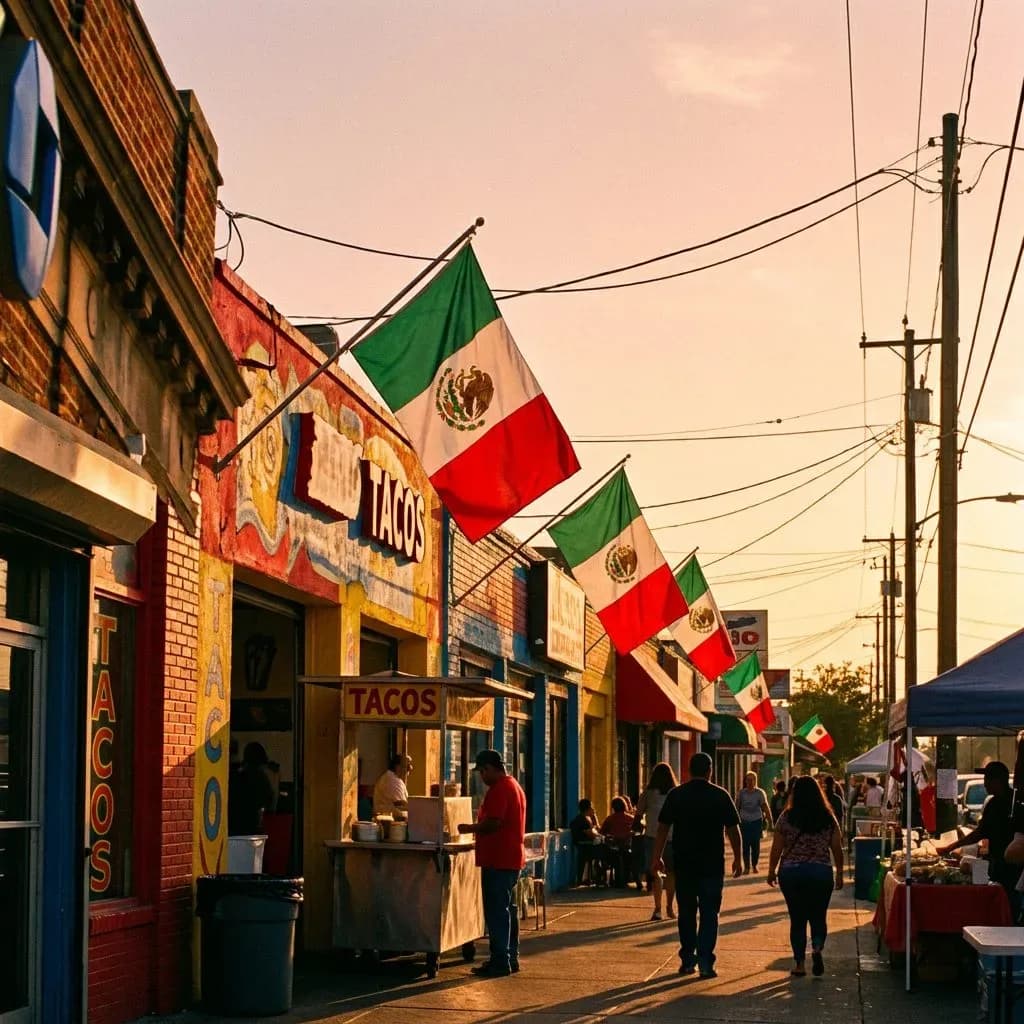
Southwest of the Trinity River, a different kind of energy pulsates through Oak Cliff, specifically along the vibrant artery of Jefferson Boulevard. This is the undisputed heartland for *El Tri* supporters in Dallas, a corridor alive with Mexican culture, commerce, and, on match day, an unbridled passion for their national team. The storefronts, often adorned with colorful murals, proudly display Mexican flags and team merchandise. Taquerias and panaderias, usually bustling, reach a fever pitch of activity, their air thick with the scent of fresh tortillas, grilled meats, and sweet pastries. Fans spill out onto the sidewalks, clutching plastic cups of micheladas and wearing jerseys emblazoned with names like *memo ochoa* or even the up-and-coming talent like *mateo chavez* if they're particularly tuned in. The atmosphere here is less about the grand spectacle of the stadium and more about community, about shared heritage and a collective roar that echoes from every open doorway. Families gather in living rooms where TVs are tuned to the game, and local bars, usually low-key, are packed to the rafters, their patrons united in their fervent support. The sound of mariachi music occasionally weaves through the pre-game chatter, a melodic counterpoint to the insistent beat of vuvuzelas.
What Match Day Actually Looks Like
The rhythm of match day in Dallas is a carefully orchestrated crescendo. Hours before kickoff, the city begins to stir with a particular hum. In Arlington, the stadium grounds transform into a carnival. Supporters, many having driven hours, unfurl massive flags, some as big as garage doors, and set up elaborate tailgating stations complete with portable generators and flat-screen TVs. The smell of charcoal and grilling meat hangs heavy, mingling with the sweet scent of beer and the occasional waft of exhaust fumes from passing cars. The air vibrates with shouts, laughter, and the rhythmic thump of pre-game chants. As the stadium gates open, a river of humanity flows inward, the energy intensifying with every step closer to the pitch.
Meanwhile, on Jefferson Boulevard, the pre-match build-up is a more intimate, yet equally fervent affair. Early afternoon sees cafes and bakeries filling up, families gathering for large meals before settling in for the match. The streets are awash in green, white, and red. Young men cruise by in cars with oversized flags streaming from windows, honking in solidarity. As kickoff approaches, the neighborhood’s many sports bars and restaurants become standing-room-only, their windows fogged with the collective breath of expectant fans. The moment the teams emerge from the tunnel, a collective gasp and then a thunderous roar erupts, whether from the immense stadium or the more confined spaces of a local cantina. Each pass, each tackle, each moment of tension or brilliance is met with a unified surge of emotion, a shared experience that transcends individual locations. When a goal is scored, the eruption is primal and visceral – a deafening wave of cheers or groans that reverberates through the very foundations of the city. For fans of *Gilberto Mora* or other national heroes, these moments are the pinnacle, the reason for the pilgrimage.
The Halftime Ritual
Halftime is a brief, but essential, interlude, a chance to refuel and regroup. At AT&T Stadium, the concourses become a bustling marketplace of concessions. Lines for hot dogs, nachos, and giant sodas snake around corners. Fans stretch their legs, discuss tactics, and debate controversial calls with fellow supporters, often complete strangers who, for 15 minutes, become temporary confidantes. The energy dips slightly, a momentary lull before the second-half storm. The air fills with the clatter of cutlery, the murmur of conversation, and the occasional cheer as highlights from the first half flicker across screens.
On Jefferson Boulevard, the halftime break is often a communal affair. Plates of tacos *al pastor* or *carne asada* are quickly devoured. More rounds of *aguas frescas* or Mexican lagers are ordered. Conversations become more animated, predictions for the second half are thrown around with gusto, and the volume of the television is often cranked up to catch any analysis from the commentators. It's a moment for connection, a chance to share the collective anxiety and excitement before plunging back into the intensity of the game. For many, it's also a chance to briefly step outside for a quick cigarette or to call a friend and compare notes.
After the Final Whistle
The final whistle unleashes a torrent of raw emotion, a dramatic punctuation mark on hours of intense engagement. If the USA wins, Arlington erupts in a cacophony of cheers, honking horns, and triumphant chants of "USA! USA!" Strangers embrace, flags are waved with renewed vigor, and the stadium grounds become a jubilant, if slightly chaotic, celebration zone. Car horns blare in unison, creating a celebratory symphony that echoes across the Texas plains. Uptown bars, usually more reserved, explode with shouts and high-fives as their patrons revel in the victory.
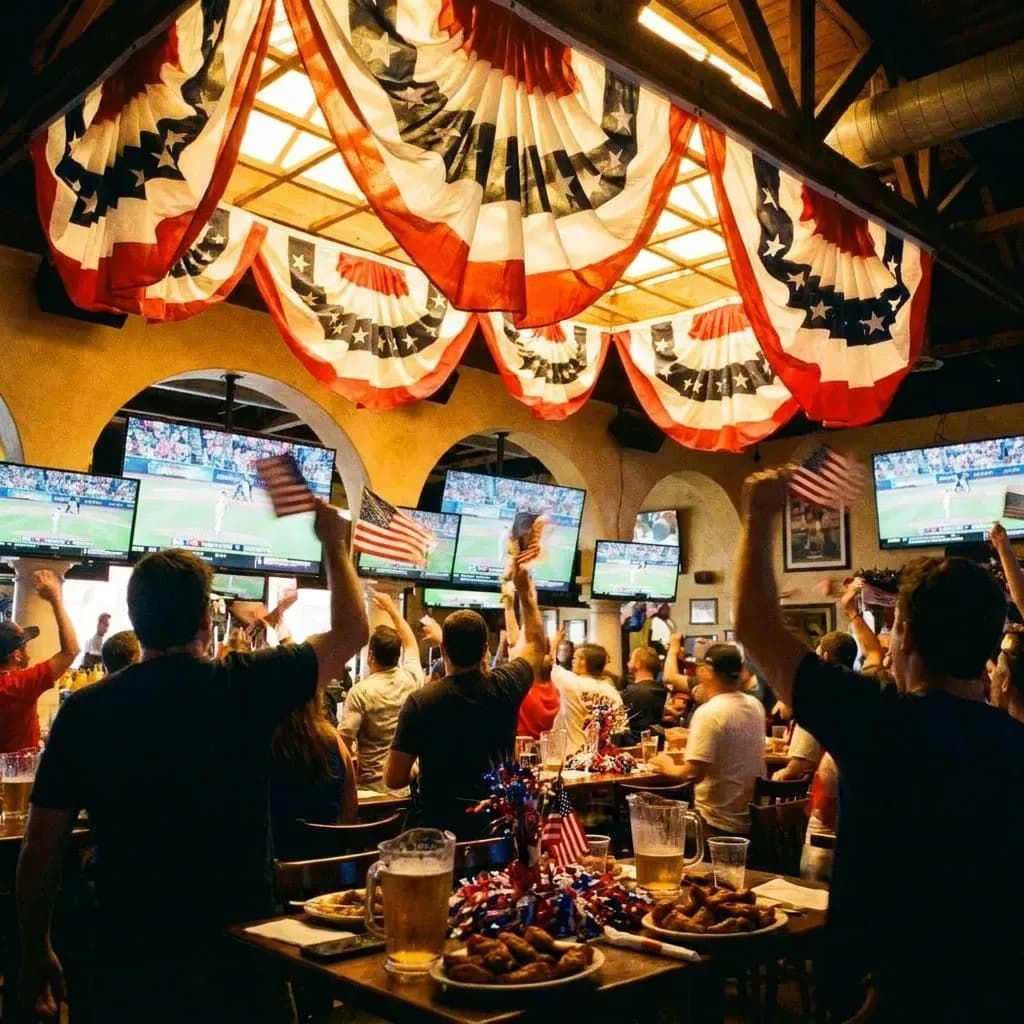
Conversely, if Mexico prevails, the outpouring of joy on Jefferson Boulevard is simply breathtaking. The streets transform into an impromptu fiesta. Cars parade down the boulevard, windows down, horns blaring, occupants waving oversized Mexican flags. Music blasts from sound systems, and people dance in the streets, a spontaneous explosion of joy and national pride. Taquerias and panaderias become even more packed, their celebrations extending late into the night. Conversely, in Arlington, a quiet disappointment settles over the departing crowd, the usual stadium traffic made heavier by the subdued atmosphere. For the losing side, the journey home is often a quiet one, filled with replays of missed opportunities and what-ifs. But even in defeat, there's a shared experience, a common bond forged in the crucible of competition.
Practical Notes for Visitors
Transit: For AT&T Stadium, arriving by car is common, but be prepared for heavy traffic and exorbitant parking fees. Consider ride-sharing services or pre-booked shuttle services from designated park-and-ride lots in communities surrounding Arlington. For Jefferson Boulevard, public transport via Dallas Area Rapid Transit (DART) bus routes can get you close, but walking or ride-sharing is recommended for navigating the lively streets.
Timing: For stadium matches, aim to arrive at the parking lots at least 3-4 hours before kickoff to fully experience the tailgating culture. For neighborhood viewing, arriving 1-2 hours before kickoff ensures you get a good spot at a popular establishment on Jefferson Boulevard or in Uptown.
Etiquette: At the stadium, respect opposing fans; friendly banter is encouraged, but aggressive behavior is not. Learn a few basic cheers for your chosen team. On Jefferson Boulevard, embrace the celebratory atmosphere; don't be afraid to join in chants or flag-waving. In Uptown, expect a slightly more reserved, but still enthusiastic, vibe.
Unique Tip: If attending the stadium, bring a portable charger for your phone; between photos, videos, and social media, your battery will drain quickly. If on Jefferson Boulevard, bring cash for street vendors and smaller establishments; while many accept cards, cash can be quicker and easier in crowded environments.
Tags: #FIFAWorldCup2026 #USAMexico #Arlington #Dallas #WorldCupNYC #WorldCupWatch #WorldCupFans #FanCulture #WorldCupBracket #MatchDay #SoccerCulture #WorldCupStandings #LocalSportsBar #DiasporaCulture #WorldCupViewing
Sources consulted: fifa.com · timeout.com · espn.com · gothamist.com
All trademarks are the property of their respective owners.
Ask Karpo first
Want to know which side of Dallas lights up for your team, where to find the pregame scene on Jefferson Boulevard, and how to navigate AT&T Stadium district on match night? Ask Karpo for the latest USA vs Mexico crowd intel, parking tips, and the Dallas neighborhood guide before kickoff.
Ask Karpo for more information.
Keep reading
- Haaland Has Seven Goals and Norway Runs Entirely Through Him
 World Cup Trophy Ceremony Timing Medals and Postmatch Celebrations
 Olise and France's Attack: The Semifinal Tactical Question