# US Open Qualifying Meets World Cup Practice Energy
You walk through the gates at Flushing Meadows Corona Park and the sound hits first—tennis balls thwacking gut strings, soccer cleats scraping turf, vendors calling in three languages. This is Queens in tournament mode, where practice sessions feel more alive than most cities' championship matches. The 2026 World Cup won't officially touch down here, but the energy's already forming in the park's margins, where qualifying rounds and pickup games blur into something that feels like opening day.
The Courts Nobody Watches Until They Do
The practice courts at the USTA Billie Jean King National Center sit behind Arthur Ashe Stadium like a secret you're allowed to know. During qualifying rounds, you can stand two feet from the baseline while a future semifinalist works through their third-set nerves. The chain-link gives the whole thing a neighborhood court feeling, even though you're watching someone who'll be on ESPN in four days. Early morning is when the light comes through the plane trees at an angle that makes the ball look faster than it is. Regulars bring thermoses and fold-up chairs, claiming spots by 8 AM, and nobody's checking credentials because this is the part of the tournament that still belongs to people who actually watch tennis. You hear coaches switching between Spanish and English mid-sentence, see players testing new grips between points, catch the specific frustration of someone who knows they're one match away from the main draw. The smell is fresh-cut grass mixed with that rubber-clay scent that all serious courts have, and when someone hits a clean winner, the sound echoes different here than it does in the stadium.
Roosevelt Avenue's Second Breakfast Window
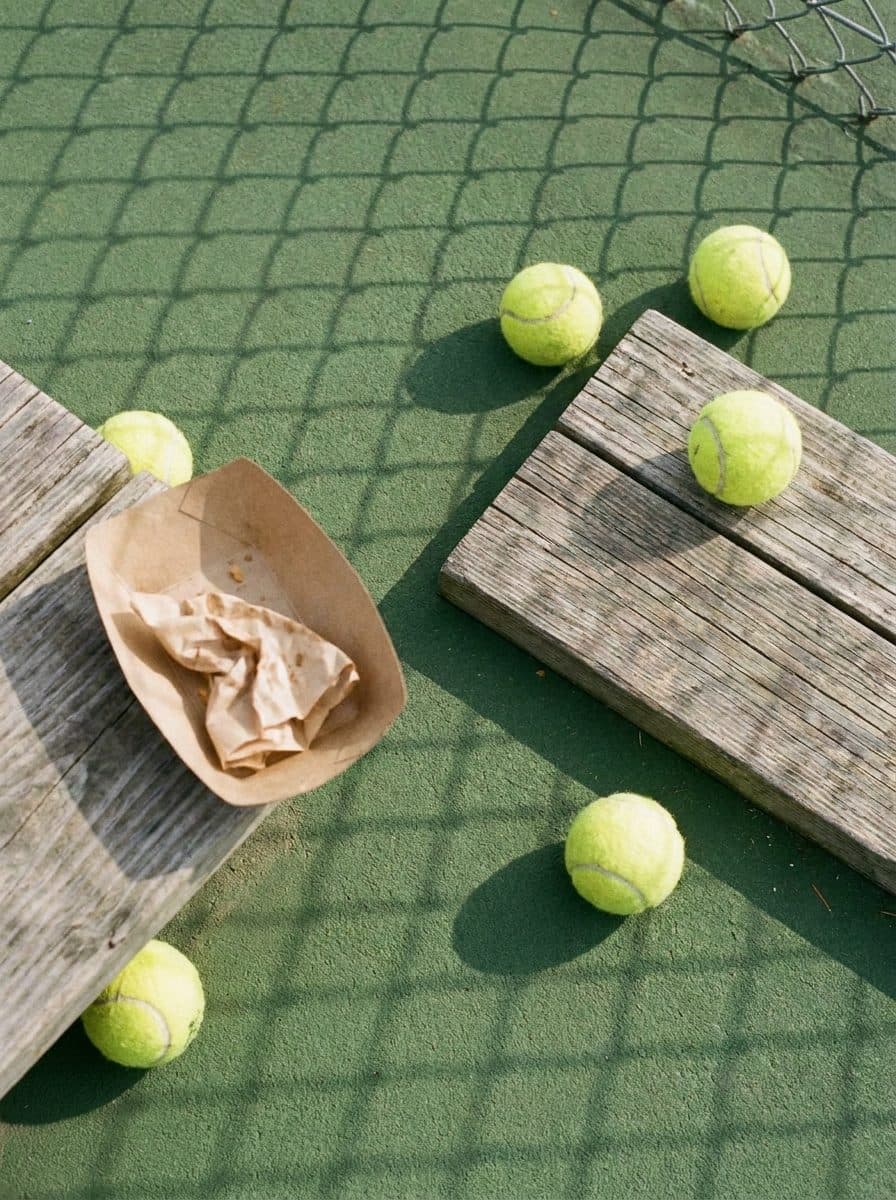
Walk fifteen minutes west on Roosevelt and you hit the stretch where the tournament becomes just another Thursday. The Colombian bakery between 103rd and 104th does a breakfast sandwich on arepas that costs less than stadium water, and the counter guy knows exactly when the morning practice sessions end because that's when the line forms. You want the one with hogao and a fried egg, eaten standing at the chest-high counter facing the window, watching delivery bikes thread through double-parked vans. The coffee comes in styrofoam that's too hot to hold for the first three minutes. Two doors down, the Ecuadorian spot has a steam table that's been running since 6 AM—locro de papa thick enough to stand a spoon in, and they'll give you extra ají if you ask in Spanish or just point with enough conviction. This is the food that actually fuels a sports day in Queens, the stuff you eat before you do something that requires energy, not the thing you Instagram from your seat.
Where the Pickup Games Turn Serious
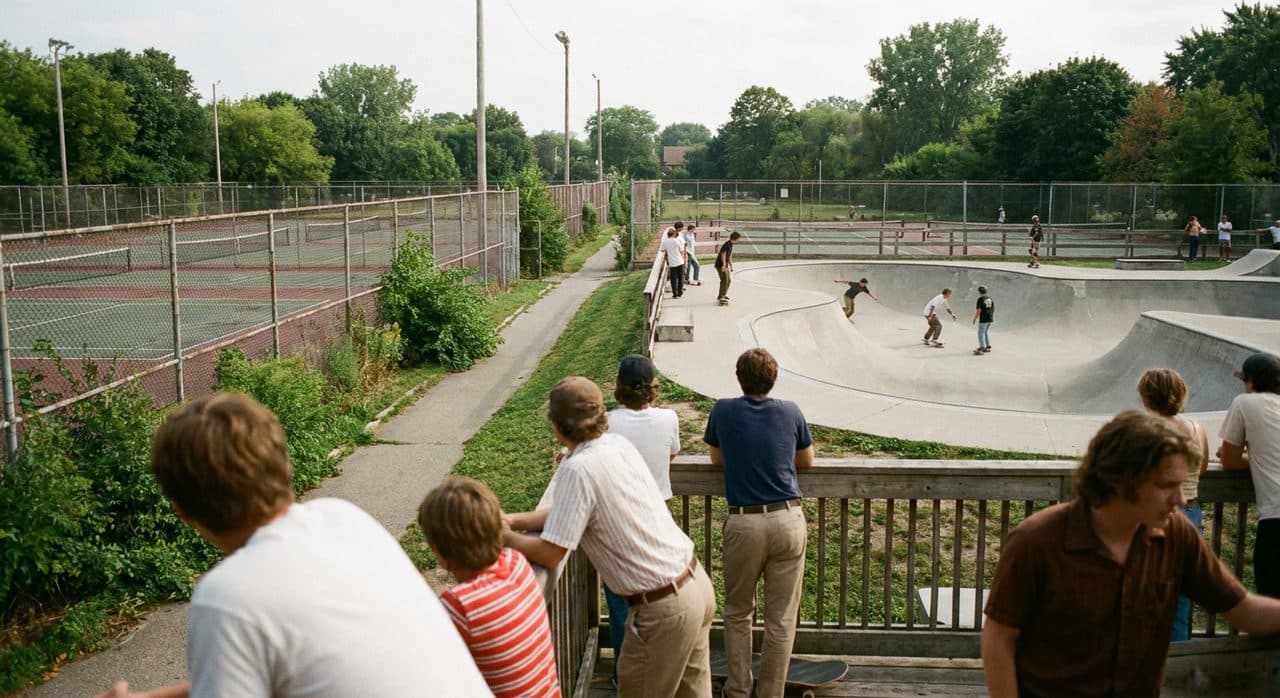
The soccer fields south of the Unisphere don't look like much until you see who's playing. Weekend mornings pull players who grew up with the sport as a first language—the touch is different, the spacing makes sense in ways that recreational leagues never quite get. You'll watch a 40-year-old in carpenter pants put a through ball exactly where it needs to be, then jog back talking on his phone. The games organize themselves through a system that looks like chaos but runs on rules everyone understands except you. Jerseys from leagues that don't exist anymore, national teams from countries that do. When a World Cup cycle starts ramping up, the intensity ticks higher—you can feel it in how challenges happen, how goals get celebrated or don't. The field closest to the Grand Central Parkway has the best drainage, which means it's playable even after rain, and that's where the serious games happen. You smell cut grass and sweat and that specific scent of cold-weather athletic fabric drying in sun.
The Meadow Lake Loop at Tournament Pace
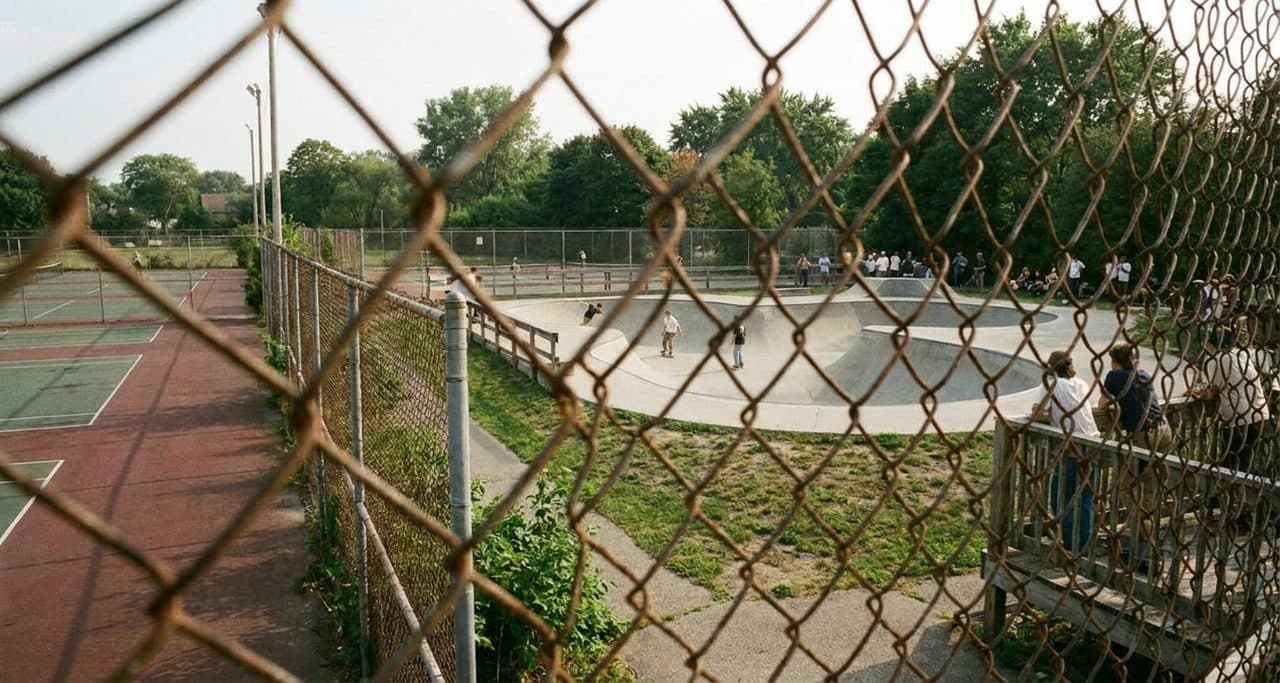
The path around Meadow Lake becomes a different thing during tournament season—runners and walkers moving at the speed of people processing what they just watched or gearing up for what's next. You'll pass someone in a Mexico jersey doing intervals, a family speaking Mandarin pushing a stroller decorated with tennis ball stickers, teenagers on bikes arguing about a match in Portuguese. The lake itself looks industrial in that specific Queens way, more honest than pretty, with the Unisphere rising behind it like a promise from 1964 that somehow kept itself. Late afternoon the light goes golden-orange and catches the water, and the whole loop becomes a slow-motion parade of every neighborhood within the 7 train's reach. Vendors set up near the boathouse with carts selling mango slices dusted in chile-lime, coconut water in the actual coconut, and Italian ices that haven't changed their formula since your parents were dating. The pace here is faster than Central Park, more purposeful—people are moving toward something, not just moving.
The Museum That Remembers When Sports Meant the Future
The Queens Museum sits right there in the park, and most people walk past it heading to the tennis or the soccer or the food. Inside, the Panorama of New York City sprawls across a room like a scale-model promise of what the city thought it would become. You can find Flushing Meadows in miniature, tiny versions of the very fields you just walked through, frozen in an optimistic 1960s vision where sports venues meant progress and gathering meant something civic and grand. The gallery space stays cool even in August, and the light through the high windows feels museum-quiet in a way that makes the tournament noise outside seem like it's happening in a different dimension. When World Cup energy starts building, this becomes the place to reset between matches or games, to remember that sports and cities and immigration have been tangled up in Queens for longer than most of us have been alive. The cafe does a decent coffee, and the bathrooms are cleaner than anything you'll find in the park proper.
Corona Plaza's Post-Game Sprawl
Walk north to Corona Plaza and you hit the neighborhood's actual living room, where the tournament is just backdrop to daily life that would happen anyway. The tables fill with domino games that have their own crowds, taco stands that do al pastor off vertical spits, and a general sense that this public space belongs to the people using it, not the people planning it. You'll hear someone streaming a match on their phone in one corner, a pickup band running through cumbias in another, and the whole thing somehow doesn't clash. The plaza gets afternoon shade from the buildings on Roosevelt, which makes it survivable in summer, and there's a specific rhythm to how people cycle through—the lunch crowd, the after-school wave, the evening settling-in when the lights come up and the temperature finally breaks. When diaspora communities gather here during World Cup years, the plaza becomes a living broadcast of which neighborhoods are cheering for whom, flags draped over railings, jerseys from every confederation, and the understanding that in Queens, everybody's from somewhere else, which means everybody's from here.
Practical Notes
The USTA grounds open early during qualifying rounds, typically late August into early September. The 7 train to Mets-Willets Point drops you at the park's northeast corner—plan for weekend service changes. Practice court access is first-come during qualifying, and it's free if you have a grounds pass. The soccer fields operate on informal reservation systems that make sense once you watch for twenty minutes. Roosevelt Avenue's food corridor runs densest between 103rd and Junction Boulevard. The Queens Museum keeps regular hours except Mondays, and admission is suggested donation. Corona Plaza is always open because it's a plaza. Bring cash for food vendors, sunscreen for the fields, and comfortable shoes because you'll walk more than you think. Early morning or late afternoon gives you the best light and the thinnest crowds.
Tags: #FlushinMeadowsCoronaPark #QueensSports #WorldCup2026 #USOpenTennis #PickupSoccer #RooseveltAvenue #ImmigrantFood #CoronaQueens #PracticeCourts #NewYorkSoccer #TournamentSeason #QueensEats #SportsTravel #NYCParks #DiasporaCulture
Sources consulted: fifa.com · espn.com · timeout.com
All trademarks are the property of their respective owners.