When the Screens Flip and the Room Changes Allegiance
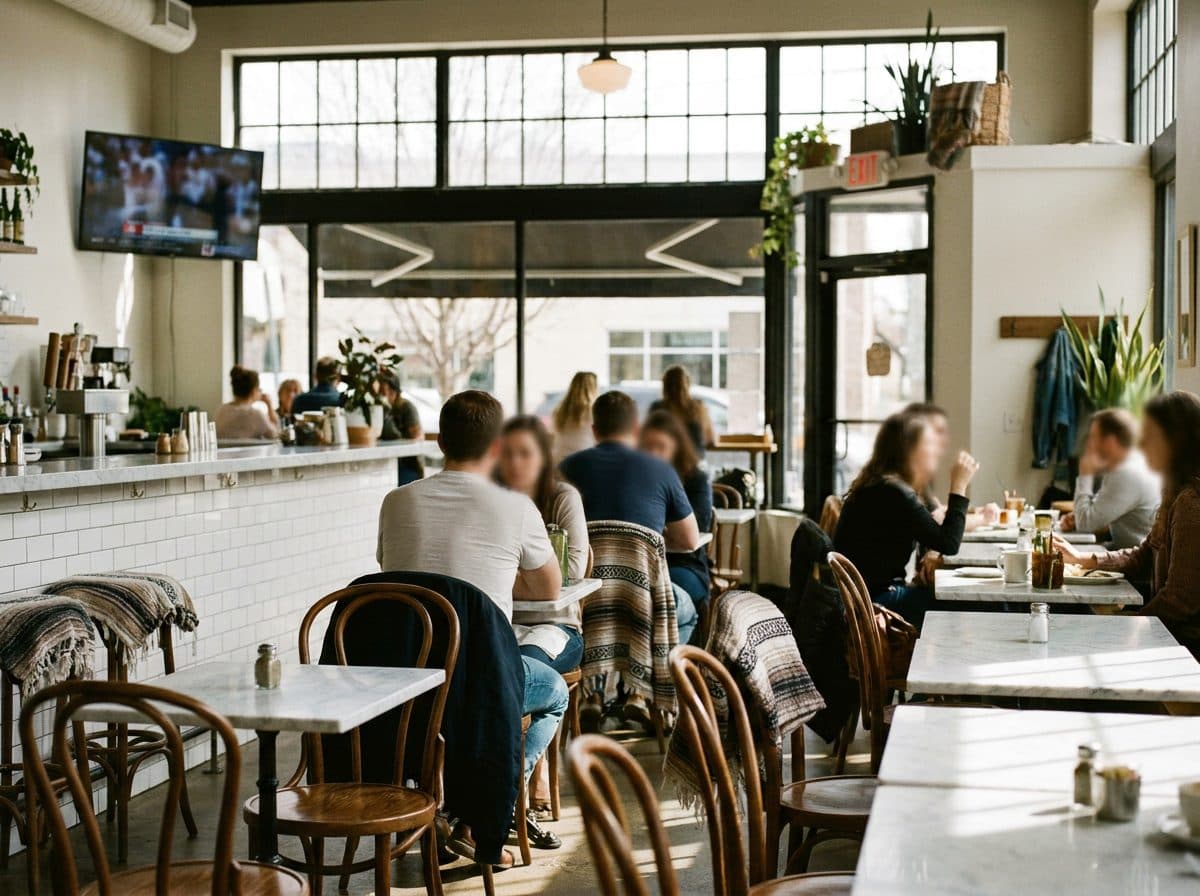
You're halfway through a second mimosa on Amsterdam Avenue, someone at the next table is debating whether Kaley Cuoco's latest series justifies its renewal, and then the bartender reaches for the remote. The television above the espresso machine cuts from morning talk shows to a sea of green jerseys in a stadium half a world away. The room doesn't empty—it recalibrates. Brunch on the Upper West Side during World Cup season means you arrive for eggs benedict and stay because thirty strangers just became a temporary nation, and your waiter is now checking scores between refills.
The Acoustic Shift Nobody Mentions in Reviews
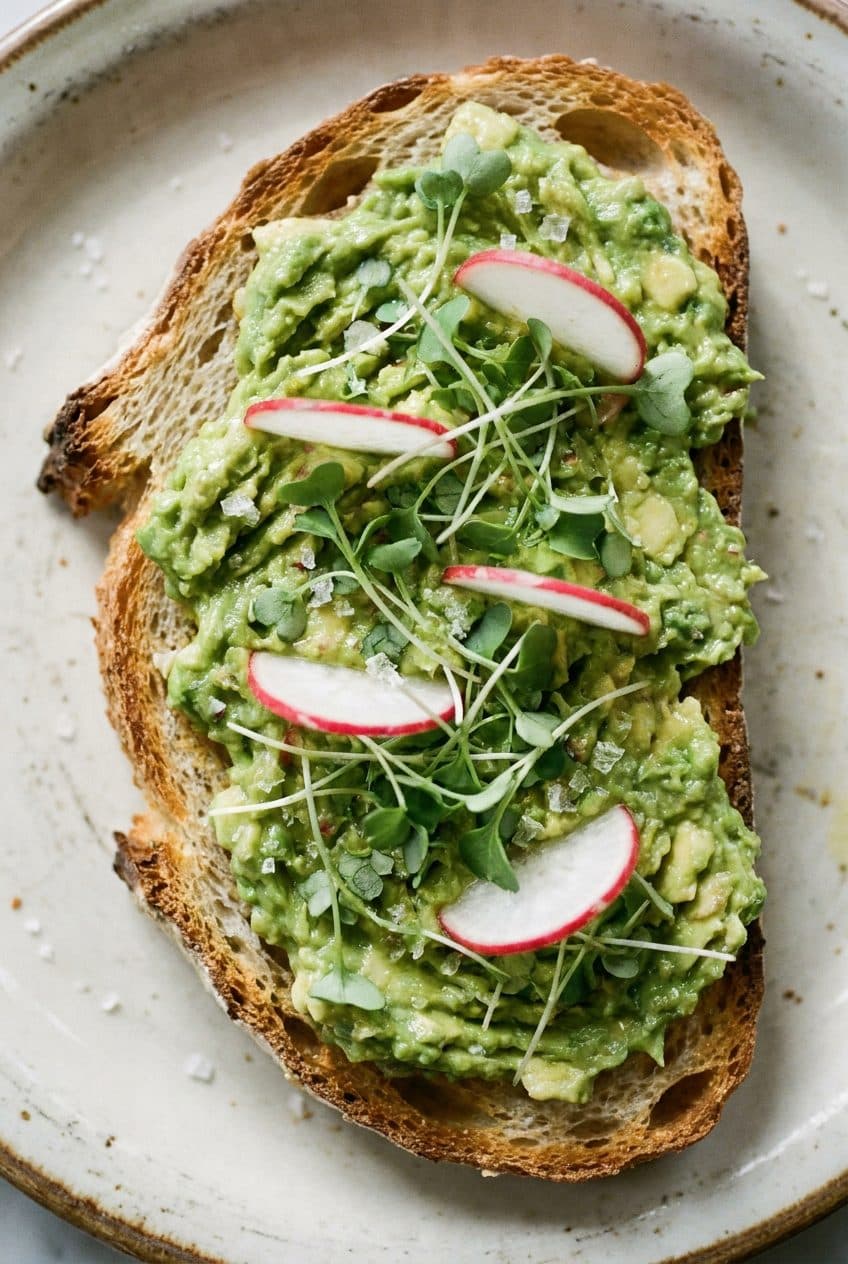
Walk into any of these spots on a typical Saturday and you'll hear the clink of silverware against ceramic, the hiss of steam wands, the low murmur of weekend plans being made. But when a match kicks off, the soundscape compresses. Conversations don't stop—they just get quieter, more distracted. You'll notice people leaning slightly toward the screen while pretending to focus on their companion. The kitchen noise stays constant, but everything in the dining room starts moving to a different tempo. Someone groans. A fork drops. Then that collective intake of breath that means something almost happened. By the time the first goal lands, you're not sure if the couple behind you came here for the French toast or because they knew Colombia was playing. The Upper West Side does this thing where it refuses to commit fully to sports bar energy, so you get this strange hybrid: white tablecloths and penalty kicks, avocado toast and offside debates.
Where Regulars Keep a Jacket on the Same Stool
There's a corner spot near the Museum of Natural History where the same guy in a faded River Plate jersey shows up before the doors officially open. He doesn't make a fuss, just nods at the host and takes his usual perch by the window where the morning light cuts across the bar top in a wide stripe. The staff knows his order before he sits. By the time families start filtering in with strollers and tote bags, he's already claimed his territory. This is the kind of regular who doesn't need to announce his fandom—you just know by the way he watches, the way his coffee cup pauses mid-air when the ball gets into the box. Around him, the brunch crowd assembles in layers: tourists who wandered over from Central Park, local parents negotiating screen time with their kids, a book club that's given up pretending they'll discuss the novel today. The rhythm of service here bends around the match schedule without anyone officially acknowledging it. Your server will absolutely refill your water during a slow midfield buildup, but good luck getting their attention during a corner kick.
The Smell of Butter and Desperation
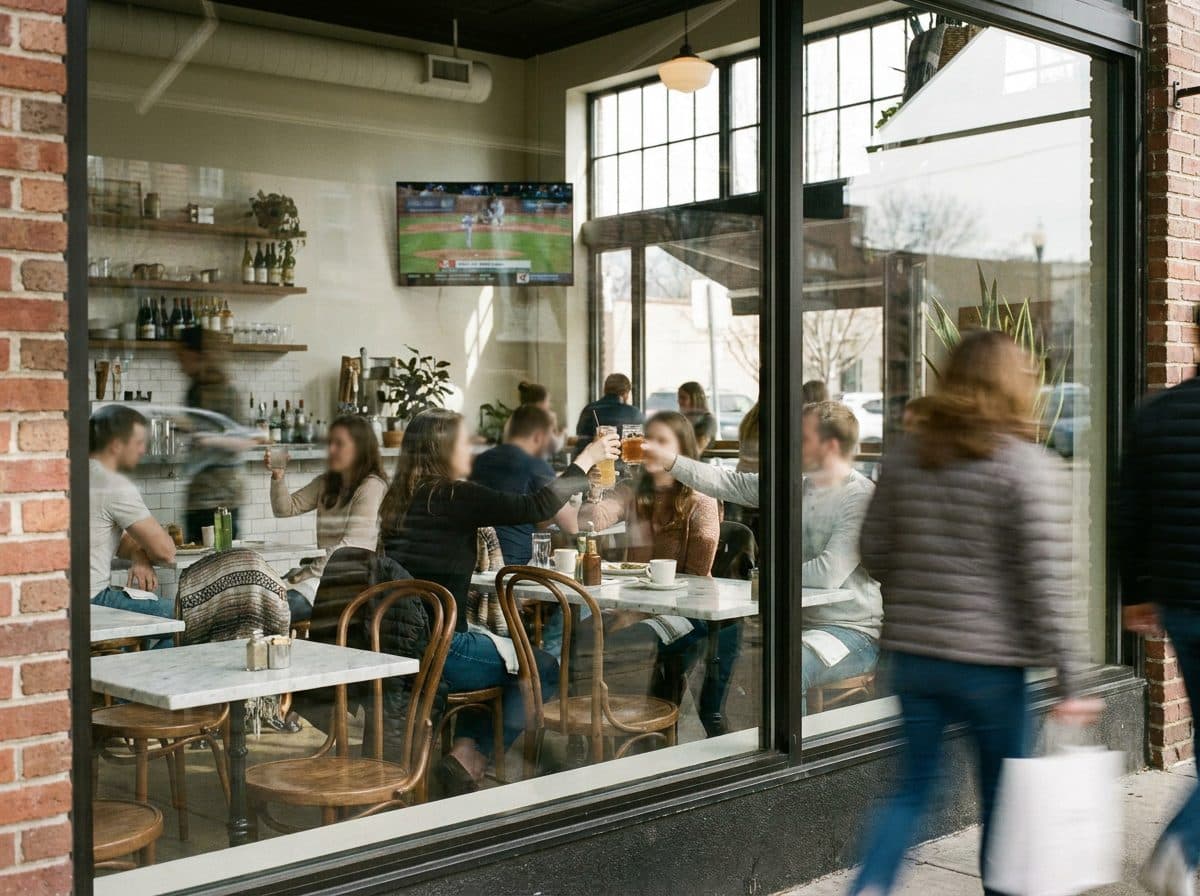
Mid-match, the kitchen keeps pushing out orders, and you can smell the exact moment they start hitting the hollandaise hard—that rich, almost overwhelming scent of clarified butter and egg yolk that coats the back of your throat. It mingles with espresso and the faint tang of citrus from all those mimosa carafes getting poured. Someone ordered chilaquiles and the cumin cuts through everything else for a moment. The cooks don't care about the game, or if they do, they're not showing it. They're in their own rhythm, calling out tickets, flipping eggs, moving with the kind of efficiency that doesn't pause for penalty kicks. But out in the dining room, people are forgetting to eat. Plates cool. Toast gets soggy. You watch someone's omelet sit untouched for a full fifteen minutes while they're locked onto the screen, and then suddenly the whistle blows for halftime and everyone remembers they ordered food. The servers know this pattern. They've learned to time the delivery of hot plates for natural breaks in play.
How Mimosas Become a Spectator Sport
The drink orders change as the match progresses. Early arrivals stick with coffee, maybe one cocktail to justify taking up the table. But as the game heats up, as more people crowd in standing along the bar, the mimosas start moving faster. You'll see tables that came in for a quiet meal suddenly ordering a third round, a fourth. The champagne isn't great—it's never great at brunch—but the orange juice is fresh enough and the glass stays cold. Bartenders develop a rhythm, lining up flutes, pouring in assembly-line fashion during halftime when everyone suddenly remembers they're thirsty. There's something about watching sports in the morning that makes day drinking feel less like a decision and more like participation. By the time the match hits the final twenty minutes, the room has that loose, warm energy of people who've been sipping sparkling wine for two hours and have stopped pretending they came here for the food. Someone starts a chant. It dies out after two repetitions, but nobody's embarrassed.
The Diaspora Geography of a Single Block
What makes these Upper West Side spots different from Midtown sports bars is the way the crowd shifts based on who's playing. When Mexico takes the field, certain restaurants fill with families in green, conversations in Spanish, kids in miniature jerseys. A few days later, it's a different energy entirely—Polish flags draped over chairbacks, a different set of regulars claiming the good tables. The neighborhood has enough density and enough immigrant history that almost every match draws its own micro-community. You'll see people who clearly came alone, who spotted the flag in the window or heard their language from the sidewalk and decided this was their spot for the next ninety minutes. They don't need to know anyone else there. The shared investment in the outcome is enough. And the restaurants know this, even if they won't say it outright. They know which matches will pack the house, which ones mean they should stock extra beer, which ones will have people lingering long after the final whistle because nobody wants to break the spell of temporary belonging.
After the Final Whistle, Before the Next Seating
The match ends and there's this strange deflation, regardless of the result. People check their phones, suddenly remember they had plans for the rest of the day. The servers start clearing tables with more urgency, flipping the room for the next wave. But there's always a handful of people who stay, who order one more coffee, who aren't ready to leave the bubble yet. They'll sit there scrolling through highlights, texting friends about what just happened, rehashing the controversial call in the second half. The restaurant shifts back toward normal brunch mode—the screens return to talk shows, the music gets turned back up slightly, the host starts seating people who just want pancakes and have no idea a match just happened. But you can still feel it in the room, that residual energy, the way certain tables are leaning toward each other in animated conversation. The Upper West Side does this better than most neighborhoods—it lets you have both versions of the morning, sometimes simultaneously, and doesn't make you choose between being a sports fan and someone who appreciates a decent hollandaise.
Practical Notes
Most of these spots open late morning on weekends, with kitchens running through mid-afternoon. Expect waits during major matches—arrive well before kickoff or be prepared to stand near the bar. The neighborhood is easily accessible via multiple subway lines along Broadway and Central Park West. Reservations rarely account for match schedules, so calling ahead to confirm screen availability is worth the effort. Brunch pricing runs standard for the neighborhood—not cheap, but not gouging. Cash helps for quick tabs when you need to leave at halftime. Wear your colors if you want, but the Upper West Side keeps it relatively subdued compared to downtown fan zones.
Tags: #UpperWestSideBrunch #WorldCup2026 #NYCBrunch #SoccerBrunch #MimosasSoccer #AmsterdamAvenue #ManhattanBrunch #FIFAWorldCup #NYCWeekend #BrunchCulture #SportsBarBrunch #UpperWestSideEats #NYCMimosas #WorldCupNYC #BrunchAndSoccer
Sources consulted: fifa.com · espn.com · timeout.com
Please drink responsibly. Must be of legal drinking age.
All trademarks are the property of their respective owners.