 Haaland Has Seven Goals and Norway Runs Entirely Through Him
⚽️2026 FIFA WORLD CUP

Tim Payne Went From Least-Known World Cup Player to Millions of Followers in 72 Hours
An Argentine social media campaign labeled New Zealand's Tim Payne the most obscure player at the 2026 World Cup, and the internet responded by making him one of the most famous.
The post that started everything
It began as a joke. An Argentine football influencer with a modest following posted a graphic identifying Tim Payne — a 26-year-old New Zealand defender who plays for Wellington Phoenix in the A-League — as the "least known player at the 2026 World Cup." The graphic showed his Instagram follower count at the time: fewer than 5,000. The caption invited followers to change that. Within 24 hours, Payne had 550,000 followers. Within 72 hours, the number passed three million.
The campaign was quintessentially Argentine — irreverent, chaotic, and driven by a collective sense of humor that turned a throwaway post into a global phenomenon. But what happened next was something no one anticipated. Payne leaned into it.
How Payne responded
Most players in Payne's position would have been bewildered. A journeyman defender at a mid-table A-League club suddenly receiving millions of notifications, interview requests from major outlets, and messages in Spanish he could not read. Instead, Payne posted a video thanking his new followers in broken Spanish — "Gracias, amigos" — and added a series of Instagram Stories showing his daily routine at New Zealand's World Cup camp.
The content was disarmingly ordinary. Payne eating breakfast. Payne stretching in the gym. Payne walking his dog — a rescued greyhound named Chips — around the team hotel parking lot. The mundanity was the point. Here was a player the world had never heard of, and his life was as normal as anyone else's. The authenticity resonated, and the follower count kept climbing.
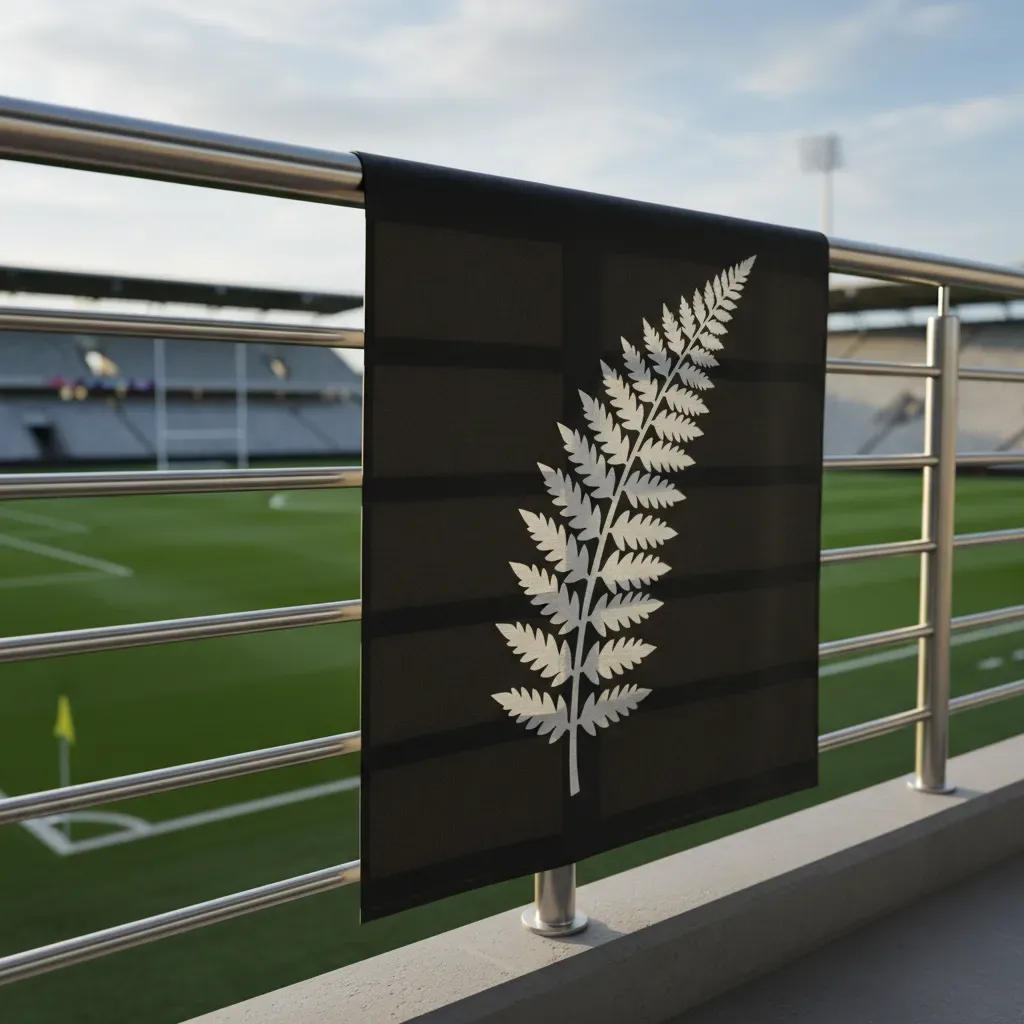
The football behind the fame
Lost in the viral narrative is the fact that Payne is a competent professional footballer. He has been a regular starter for Wellington Phoenix for three seasons and earned his New Zealand call-up through consistent performances in the A-League. He is not the most talented defender at the World Cup, but he is organized, physically robust, and reads the game well — qualities that helped New Zealand qualify for only their third World Cup in history.
New Zealand's group — featuring Brazil, Morocco, and Scotland — was always going to be a challenge, and the All Whites lost their opening match to Morocco 2-0. But in their second match against Egypt, New Zealand pushed hard and created several chances before losing 3-1. Payne played all 180 minutes across the two matches, completing a combined 87 percent of his passes and winning seven aerial duels. Respectable numbers for a player most of the world did not know existed a week ago.
What the phenomenon says about World Cup culture
The Tim Payne story is a World Cup story in its purest form. Every four years — now expanded to 48 teams — the tournament introduces players, teams, and narratives that exist entirely outside the European club football ecosystem. Payne's virality is a function of the World Cup's unique ability to flatten hierarchies and give everyone a moment in the spotlight, even the unknown defender from a country with fewer professional football players than a single London borough.
It is also a story about social media's capacity for benevolent chaos. The Argentine campaign that launched Payne into the stratosphere was not malicious — it was affectionate, almost protective. "We adopted him," one Argentine fan account posted. "He's our New Zealander now." The crossover appeal between a South American football culture and a New Zealand journeyman is the kind of connection that only a World Cup can create.

The brand deals are already coming
By the third day of his viral fame, Payne had been contacted by multiple sponsors, according to reports in New Zealand media. A sports drink company offered a social media partnership. A travel brand proposed a post-tournament campaign. His agent — a part-time representative based in Wellington who also manages three rugby players — was reportedly overwhelmed by the volume of inquiries.
Payne addressed the commercial interest in another Instagram Story: "I'm just a bloke from Wellington who plays football. If someone wants to send me free boots, I'm not going to say no." The post received two million likes.
What happens after the World Cup
New Zealand's tournament is likely over after the group stage, and Payne will return to Wellington Phoenix for the next A-League season. Whether his follower count holds or gradually deflates is an open question. Viral fame in football is notoriously temporary — most fans have already forgotten the names of the breakout stars from previous World Cups.
But Tim Payne has something most viral sensations lack: a genuine personality that translates well on camera, and a fanbase — built accidentally — that seems to genuinely enjoy his content. Wellington Phoenix matches may soon have a significantly larger international viewership than anyone at the club anticipated.
Practical notes
New Zealand's World Cup base has been in the Miami metropolitan area, with the team training at a private facility in Broward County. Kiwi fans have gathered at bars along Fort Lauderdale Beach Boulevard for match screenings. For followers of the Tim Payne phenomenon, his Instagram account has become a reliable source of daily World Cup content, and Wellington Phoenix has updated its social media to capitalize on the global interest.
Tags: #Buzz #TimPayne #NewZealand #FIFAWorldCup2026 #WorldCup2026 #ViralFootball #SocialMedia #WellingtonPhoenix #Underdog #AllWhites #WorldCupStory #KarpoFinds
Sources consulted: espn.com · visibrain.com
All trademarks are the property of their respective owners.
Ask Karpo first
Want to know when to show up, where to wait, and what's actually open to the public?
Ask Karpo for the latest World Cup viral moments, a fan zone plan, and a live route around Fort Lauderdale before you head out.
Ask Karpo for more information.
Keep reading
- Haaland Has Seven Goals and Norway Runs Entirely Through Him
 World Cup Trophy Ceremony Timing Medals and Postmatch Celebrations
 Olise and France's Attack: The Semifinal Tactical Question