The Tiong Bahru Coffee Roaster Where the Queue Forms Before 8am
A Decade of Single-Origin Devotion in Singapore's Most Storied Estate
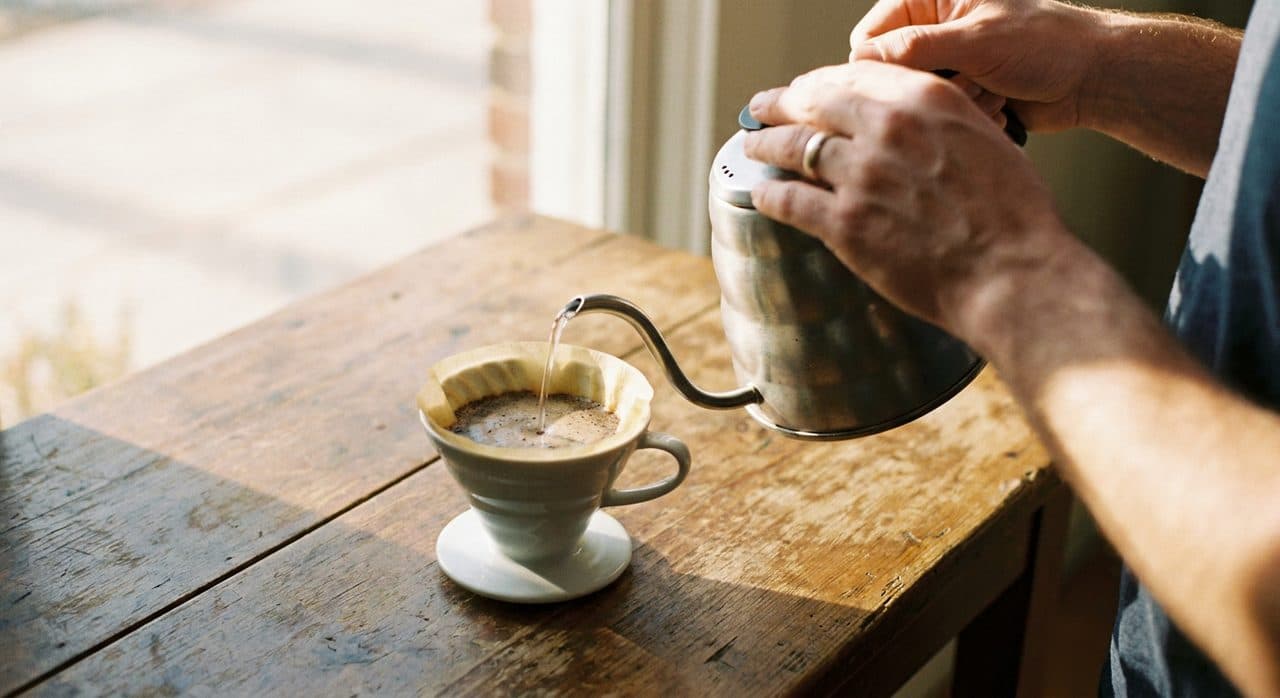
There is a particular kind of loyalty that develops between a neighbourhood and its institutions — the hawker stall that has fed three generations, the provision shop that still stocks your grandmother's preferred brand of condensed milk. In Tiong Bahru, that loyalty extends to a small roastery tucked into one of the estate's pre-war shophouses, where the rhythm of daily life has remained remarkably unchanged since 2014. The hours have not shifted. The sourcing philosophy has not wavered. And every morning, a queue of regulars materialises on the five-foot way before the doors open, their presence as predictable as the first MRT train pulling into the station.
This is not a cafe that courts attention through Instagram-ready interiors or limited-edition collaborations. Its reputation has spread the old-fashioned way: through word of mouth, through the unmistakable aroma of freshly roasted beans drifting through the neighbourhood, and through the quiet satisfaction of customers who have been ordering the same pour-over for nearly a decade. For those who live in the estate, the roastery functions less as a discovery and more as a constant — a fixed point in a city that rarely stops reinventing itself.
The 6:30am Tuesday Ritual That Locals Track by Smell
The most devoted regulars do not need a calendar notification to know when roasting day arrives. Every Tuesday at 6:30am, the roaster fires up, and within the hour, the ventilation exhaust sends a plume of coffee-scented air through the front of the shophouse and into the surrounding streets. Residents half a block away have learned to read these aromatic signals like weather patterns — the bright, fruity notes of an Ethiopian Yirgacheffe announce themselves differently than the deeper, earthier exhale of a Sumatran Mandheling.
This weekly roasting session has become an unofficial neighbourhood event, even for those who never step inside the cafe. Elderly uncles walking to the nearby market pause to inhale. Young professionals heading to the MRT slow their pace. The smell functions as both advertisement and community bulletin, a sensory announcement that the week's beans are being prepared. For the truly curious, it offers a clue about which origin is currently in rotation — useful intelligence for anyone planning to stock up on retail bags before a particular lot sells out.
The Queue That Builds Before Opening Time
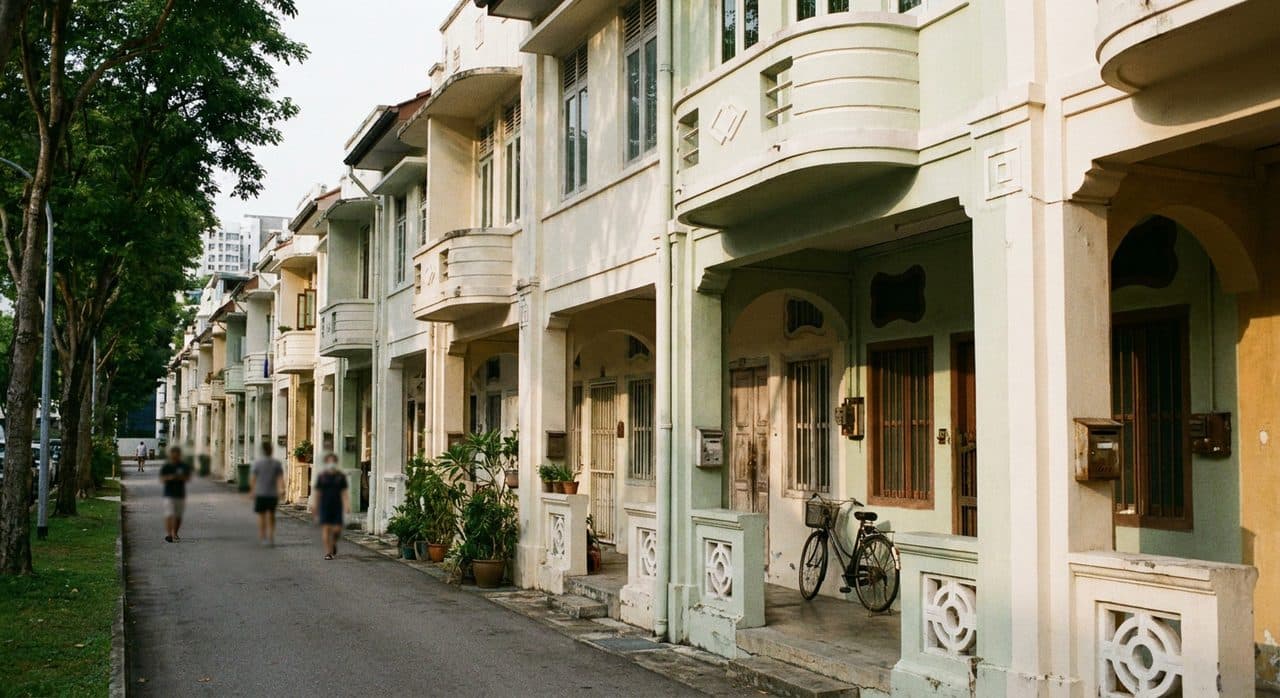
By 7:45am on weekdays, a small congregation has already formed outside the shophouse. These are not tourists clutching guidebooks or influencers angling for content. They are estate residents in house slippers, office workers who have timed their commute to allow for a proper cup, and the occasional retiree who has been coming here since the first year of operation. They know that arriving after 8am means accepting a 25-minute wait, a queue that snakes along the corridor and occasionally spills onto the pavement.
The cafe has never attempted to solve this problem through expansion or extended hours. The space remains intimate, the seating limited, the pace unhurried. There is an unspoken understanding that the wait is part of the experience — a small price for coffee that has been roasted on-site, ground to order, and prepared without the frantic energy of a high-volume operation. Regulars use the queue time to catch up with neighbours, scroll through the morning news, or simply stand in companionable silence, watching the estate wake up around them.
The Off-Menu Estate Blend That Rewards the Informed
Every roastery accumulates beans that fall short of retail standards — not defective in any meaningful way, but sorted out during quality control for minor imperfections in size, density, or appearance. Most operations blend these into house espresso or sell them at a discount. Here, they become something more interesting: the estate blend, an off-menu option available only to customers who know to ask for it by name.
The blend changes subtly from week to week, reflecting whatever single-origin lots are currently being processed. One visit might yield a cup with the floral brightness of a washed Kenyan; another might lean toward the chocolatey depth of a Brazilian natural. Priced at SGD $1.20 below the standard flat white, the estate blend offers genuine value, but its appeal goes beyond economics. There is a certain pleasure in ordering something that does not appear on the menu board, in demonstrating the kind of familiarity that transforms a customer into a regular. The baristas do not make a fuss when you request it — they simply nod and begin pulling the shot, acknowledging your membership in the unofficial club of those who pay attention.
Upstairs: Monthly Cupping Sessions for the Genuinely Curious
The shophouse's second floor remains invisible to most visitors, accessible only via a narrow staircase tucked behind the retail shelves. Once a month — specifically, the last Saturday of each month — this space transforms into a classroom for small-group cupping sessions capped at six participants. The format is intimate by design, allowing the roaster to guide attendees through the evaluation process without the chaos of larger workshops.
Registration happens the old-fashioned way: through a paper sign-up book kept at the counter. There is no online booking system, no automated confirmation email, no waitlist algorithm. You write your name, your phone number, and your preferred session time in pen, and you show up when the day arrives. The SGD $20 fee includes the session itself and take-home samples of the current featured origin — typically enough beans for several cups, allowing participants to practice their newfound tasting vocabulary at home. For anyone serious about understanding coffee beyond the level of "I like it strong," these sessions offer rare access to a working roaster's expertise in a setting that encourages questions.
The Shophouse Setting That Resists Renovation
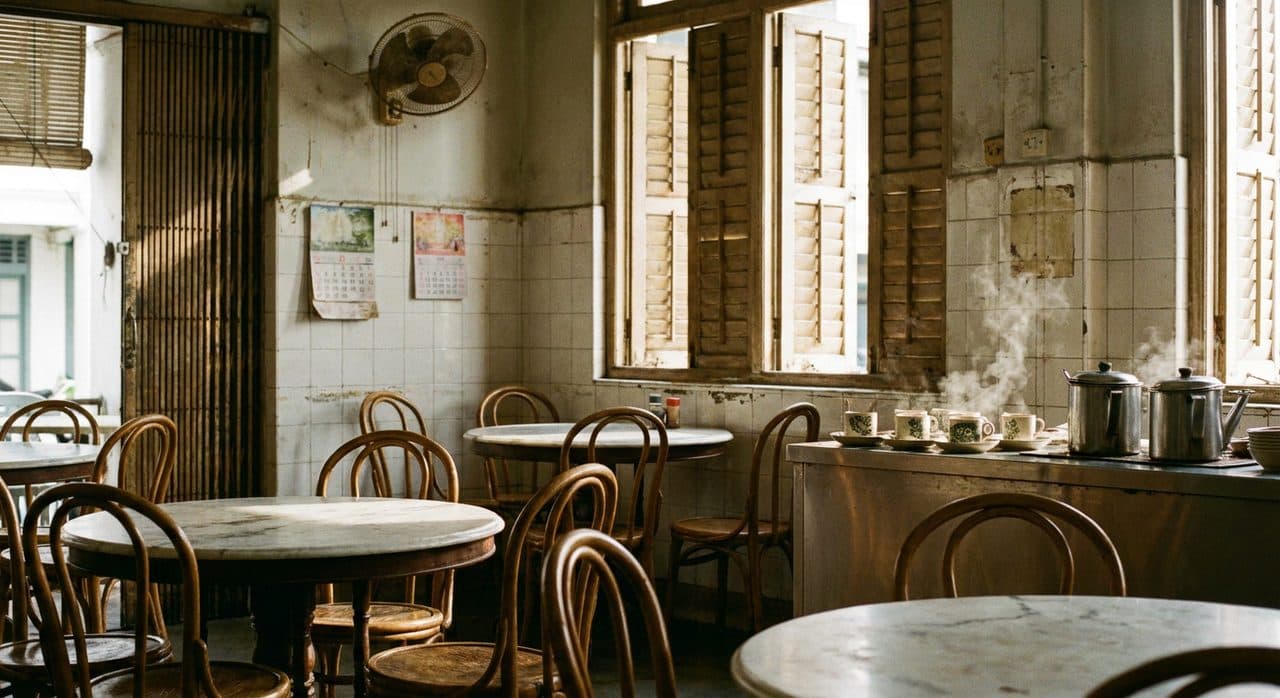
Tiong Bahru's pre-war shophouses have become prime targets for aesthetic overhauls — minimalist makeovers that sand away historical texture in favour of clean lines and neutral palettes. This roastery has resisted that impulse. The original terrazzo flooring remains, worn smooth by decades of foot traffic. The wooden window frames have been maintained rather than replaced. The ceiling fans turn at a pace that suggests they have been doing so since independence.
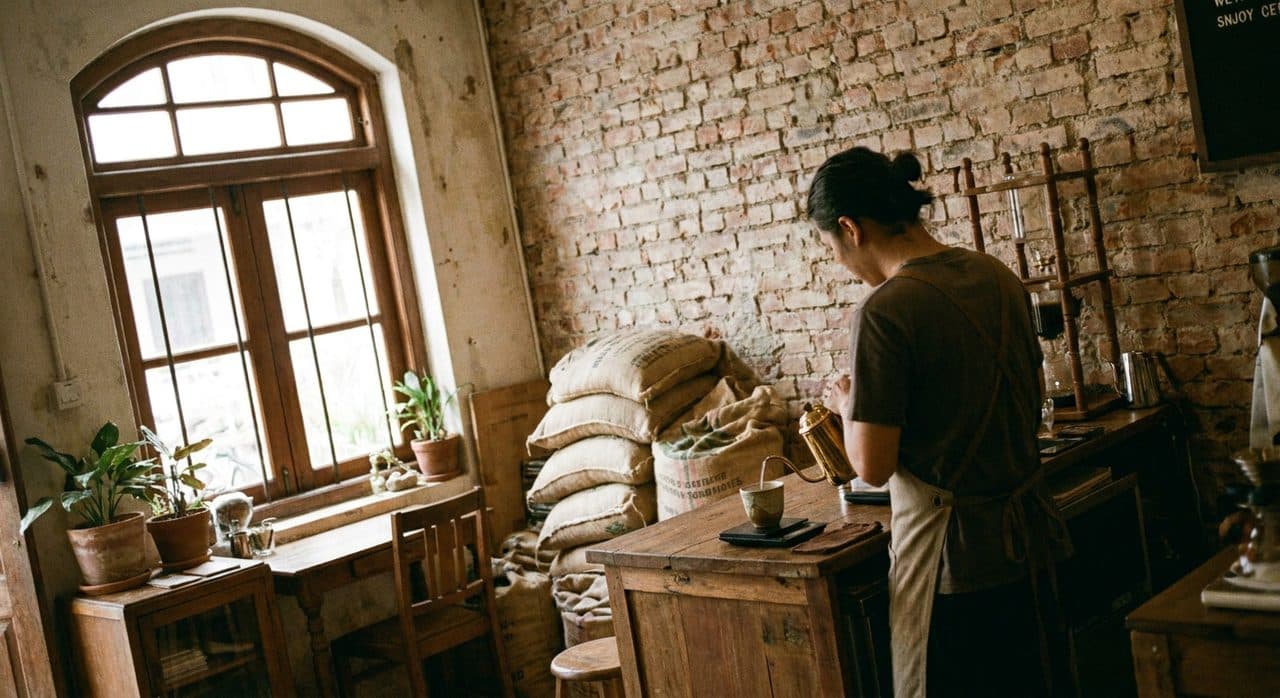
None of this feels like calculated nostalgia. The space simply works, and there has been no compelling reason to change it. The roasting equipment occupies the rear of the ground floor, visible through a glass partition that allows customers to watch the process without interfering. Retail bags line the shelves near the entrance, organised by origin and roast date, each label handwritten with the kind of specificity that serious home brewers appreciate. The overall effect is functional rather than fashionable — a workspace that happens to welcome visitors rather than a showroom designed to impress them.
Why This Roastery Endures While Others Pivot
The Singapore coffee scene has undergone several revolutions since 2014. Third-wave gave way to fourth-wave; single-origin became mainstream; oat milk conquered the menu boards. Through all of it, this roastery has maintained its focus with almost stubborn consistency. The sourcing relationships have deepened rather than diversified. The hours have remained fixed. The approach to customer service — knowledgeable but never preachy, welcoming but never desperate for approval — has not wavered.
This consistency is increasingly rare in a city where food and beverage concepts often chase trends until they exhaust themselves. The roastery's longevity suggests a different model: find your audience, serve them well, and trust that quality will sustain you through the inevitable cycles of hype and backlash. For the residents of Tiong Bahru who have built this place into their morning routines, that trust has been rewarded many times over.
Practical Notes
The roastery is located within Tiong Bahru's heritage shophouse blocks, a seven-minute walk from Tiong Bahru MRT station (Exit A). Opening hours have remained unchanged since 2014; arrive before 8am on weekdays to avoid the queue that typically builds to 25 minutes by mid-morning. Standard flat whites run approximately SGD $6; the off-menu estate blend is available for SGD $4.80 to those who request it by name. Tuesday roasting sessions begin at 6:30am, with the aroma detectable along the surrounding streets shortly after. Monthly cupping sessions (last Saturday, maximum 6 participants, SGD $20 including take-home samples) require in-person registration via the paper sign-up book at the counter — no online booking is available. Retail bags of current single-origin lots are sold by weight, with roast dates clearly marked.
Tags: #TiongBahru #SingaporeCoffee #SingleOrigin #SpecialtyCoffee #CoffeeRoaster #ThirdWaveCoffee #ShophouseCafe #CuppingSession #SingaporeCafes #HiddenGems #LocalFavourites #CoffeeLovers #MorningCoffee #SingaporeFood #CafeHopping
Sources consulted: timeout.com · eatbook.sg · danielfooddiary.com · thesmartlocal.com
All trademarks are the property of their respective owners.
Ask Karpo first
Want to know whether the Tuesday roasting session is visible from the street, what the current single-origin offering is, and whether the cupping sessions have availability this month? Ask Karpo for opening hours, the morning queue strategy, and a Tiong Bahru neighborhood walking route before you head out.