 Haaland Has Seven Goals and Norway Runs Entirely Through Him
⚽️2026 FIFA WORLD CUP
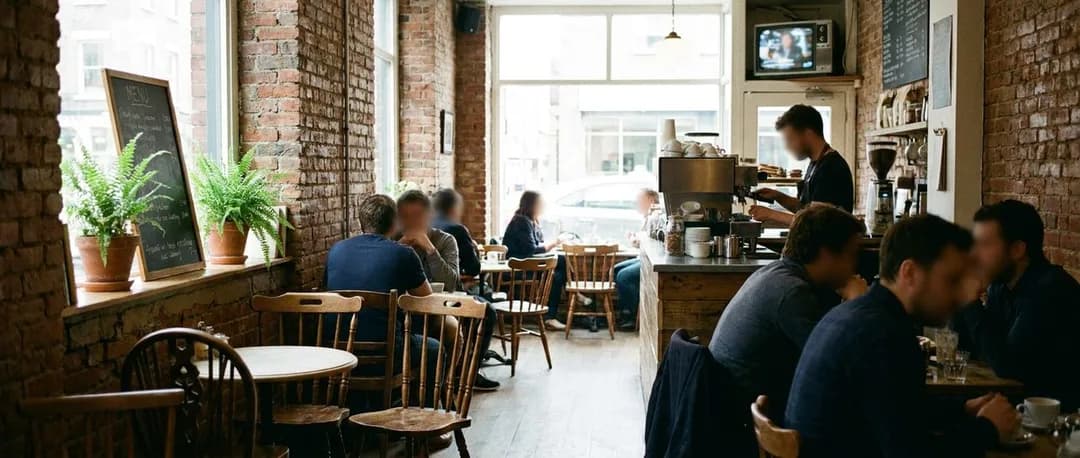
The Mission Café Where Tennis Fans and Fútbol Diehards Share a Single Screen
A corner spot that toggles between Alexander Zverev rallies and World Cup qualifiers, negotiating every channel change like a diplomatic summit over cortados.
You walk into this corner spot on a Wednesday morning expecting a quiet cortado, and instead you're watching two regulars negotiate a channel change like they're brokering a ceasefire. One's got ATP Stuttgart pulled up on his phone, the other's refreshing CONCACAF standings. The single flatscreen above the espresso machine becomes neutral territory, and the barista—who's seen this dance a hundred times—just smiles and pours another round while they figure it out. By the time the foam settles, they've agreed on a split-screen compromise that shouldn't work but somehow does.
The Geography of the Remote Control
The café sits close enough to Valencia that you catch the lunch overflow from the taquerías, far enough from Dolores Park that the laptop crowd thins out by noon. The remote lives on a shelf behind the counter, wrapped in electrical tape that's been there so long it's gone gray. You don't ask for it directly. You make eye contact with whoever's working, tilt your head toward the screen, and they'll either hand it over or tell you someone else called dibs twenty minutes ago. The protocol matters here. Jump the line and you'll get your coffee in silence, no small talk, no heads-up when the next match starts. The regulars remember.
What the Screen Cycle Actually Looks Like
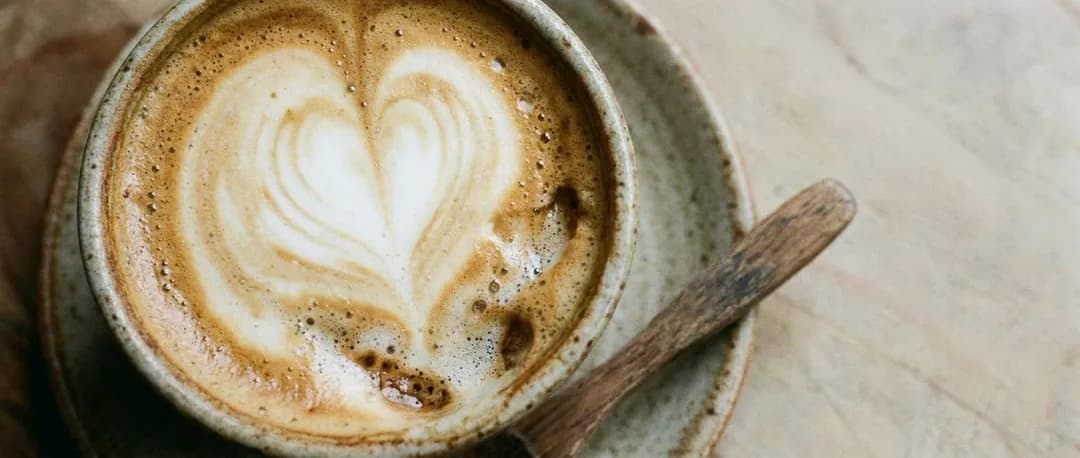
Mornings lean tennis. The early crowd skews older, European immigrants who grew up on clay courts and still argue about whether Federer's backhand was overrated. They nurse Americanos that go cold while Zverev or Sinner grinds through a third set. You'll hear German muttered at the bar top, Italian hand gestures punctuating a drop shot. Then somewhere around eleven-thirty the energy shifts. The fútbol contingent starts filtering in—Salvadoran line cooks on their day off, Mexican construction crews between jobs, a few tech workers who grew up in Guadalajara and never lost the accent. The channel flips to whatever qualifier's streaming, and suddenly the room smells like pupusas someone brought from down the block, even though the café only sells pastries.
The Unspoken Negotiation
You'd think it'd get tense, but the whole thing runs on a kind of mutual respect that only works because everyone's a little obsessed. The tennis guy who comes in at dawn knows he's got until lunch. The fútbol crew knows weekday mornings aren't theirs. Weekends are chaos—first come, first served, and if the U.S. men's team is playing, forget it, you're watching soccer whether you care or not. The barista keeps a mental calendar of big tournaments, marks them on a water-stained notepad under the register. When Wimbledon overlaps with Copa América, she just shrugs and says "we'll figure it out" in a tone that suggests they always do. The sound stays low either way. You read the room by body language—the sudden forward lean when someone's on break point, the collective groan when a striker skies it over the bar.
The Regulars Who Translate the Chaos
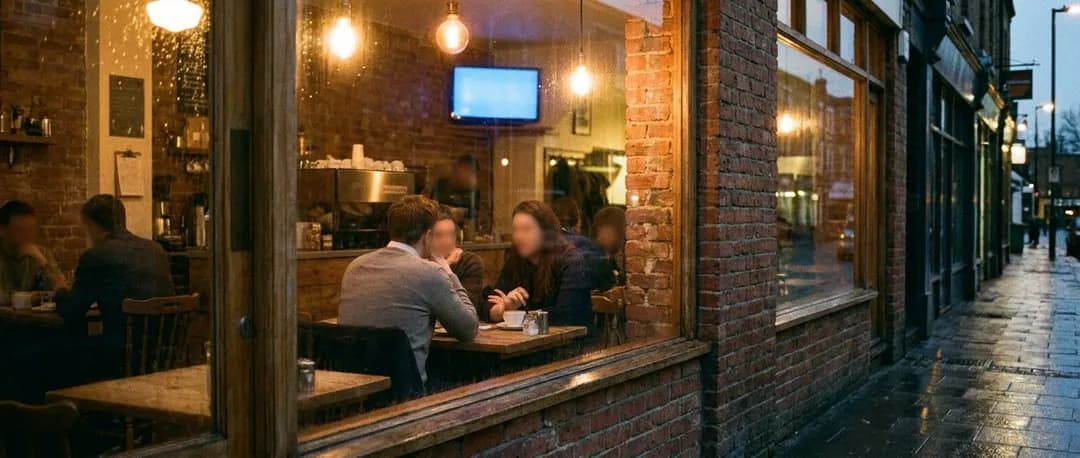
There's a guy who shows up every Saturday in a teal Zverev practice shirt, sits in the same stool by the window, orders a double espresso he drinks in four sips. He doesn't talk much, but when a point gets contentious he'll mutter the score under his breath like a rosary. On the other side of the room, there's a woman in her fifties who wears a faded Mexico jersey from the '86 World Cup and knows every player's hometown, their youth academy, their cousin's name. She translates the Spanish commentary for anyone who asks, adds color commentary the broadcasters miss. These two have never spoken directly, but they've shared this space for years, and when the café hits capacity during a major tournament, they'll both stand in the back and watch together, separated by three feet and a universe of sports allegiance.
The Pastry Case That Fuels the Truce
The food isn't trying to be anything other than what it is—butter-heavy croissants that shatter when you bite them, chocolate conchas that taste like someone's abuela is in the back even though the baking happens at a commissary in SOMA. A few bucks gets you something that pairs with burnt-dark coffee and doesn't demand attention. The pastries run out by two, and nobody complains because that's just how it works. You'll see people split a concha while debating whether VAR ruined the game or saved it, crumbs scattering across the counter while the screen flickers between a tiebreak and a penalty shootout. The whole place operates on this low-key economy—cheap enough that you can camp for an hour, expensive enough that they're not running a charity.
When the Big Tournaments Collide
Come 2026, when the World Cup plants itself in North America and the tennis calendar refuses to bend, this café is going to become a microcosm of every sports bar argument you've ever had, except quieter and with better coffee. You'll have Brazilian fans shoulder-to-shoulder with Croatian ones, a Djokovic loyalist trying to follow a five-setter on his phone while the room erupts over a last-minute goal. The barista will probably just put up a handwritten sign: "One screen. Two sports. Be cool." And somehow it'll work, because it always has. The light through the front window hits the espresso machine around four, turns everything gold, and for a minute nobody cares what's on TV because the whole place feels like church.
Practical Notes
The café opens late morning and runs until early evening most days. You can walk from 16th Street BART in under ten minutes, or catch the 49 bus if you're coming from further west. No reservations, no table service—order at the counter, grab a stool if one's free, stand if it's packed. The Wi-Fi password is written on a chalkboard near the bathroom, changes monthly. Cash and card both work. If you're coming for a specific match, show up twenty minutes early. The remote control isn't democracy, but it's not dictatorship either. You'll figure it out.
Tags: #MissionDistrict #SanFranciscoCoffee #SportsBarCulture #TennisCafe #FutbolCulture #WorldCup2026 #CoffeeCulture #SFNeighborhoods #MissionLife #SportsAndCoffee #LocalHangouts #SFInsider #CortadoCulture #NeighborhoodSpots #SanFranciscoFinds
Sources consulted: fifa.com · espn.com · timeout.com
All trademarks are the property of their respective owners.
Ask Karpo for more information.
Keep reading
- Haaland Has Seven Goals and Norway Runs Entirely Through Him
 World Cup Trophy Ceremony Timing Medals and Postmatch Celebrations
 Olise and France's Attack: The Semifinal Tactical Question