 Haaland Has Seven Goals and Norway Runs Entirely Through Him
⚽️2026 FIFA WORLD CUP
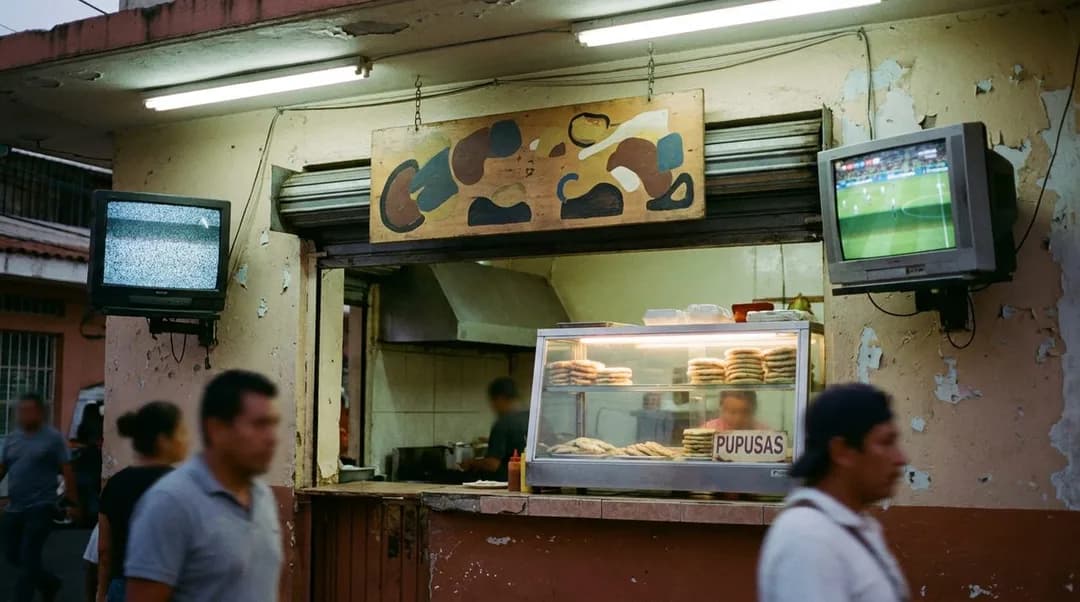
The Gulfton Salvadoran Pupusería That Doubles as a CONCACAF Command Center
A strip-mall kitchen where baseball fans catching Dodgers highlights pivot to Central American qualifiers, uniting Houston's diaspora over griddles.
You walk into what looks like every other strip-mall storefront on Gulfton's western edge—fluorescent buzz, laminate tables, a grill visible through a half-wall—but then you notice the cluster of jerseys pinned above the register. Not Texans or Astros. La Selecta. Los Catrachos. A faded Keylor Navas Costa Rica kit someone clearly wore to actual matches. This pupusería runs on two fuels: masa and fútbol, and when CONCACAF qualifiers kick off, the place transforms into something between a living room and a stadium section.
The Griddle Never Stops, Even When Extra Time Does
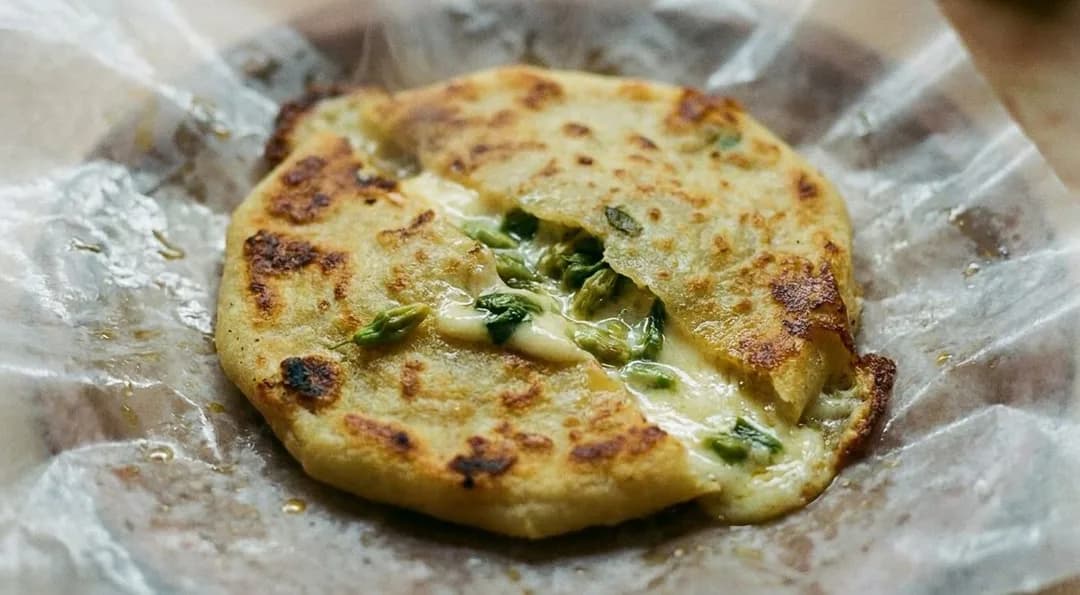
The kitchen operates on a rhythm you can hear from the parking lot. Masa slapping between palms. The sizzle when a fresh pupusa hits the plancha. Oil popping around loroco flowers and cheese that's about to melt into the corn pocket. The woman working the griddle—apron dusted white, hands moving in muscle-memory loops—barely glances up when someone shouts a score update from the dining room. She's made thousands of these. She'll make thousands more before the final whistle of any tournament. You order at the counter, and she's already shaping your revuelta before you finish the sentence. The timing is instinctive. She knows how long a pupusa takes to cook, and she knows how long a half lasts, and somehow both rhythms sync.
Where the Dodgers Segue Into La Selecta Without Missing a Beat
The TV situation here is fluid. Early evening, you might catch the tail end of a baseball game—Dodgers highlights, Astros recap—but the remote control lives behind the counter, and the real power brokers are the regulars who arrive around kickoff time. One guy in a sun-faded El Salvador polo always claims the corner table with the best sightline. He doesn't ask to change the channel. He just catches the owner's eye and nods toward the screen, and suddenly you're watching a Central American qualifier on a feed that's definitely someone's cousin's cable login. The transition is seamless. The crowd that came for curtido and stayed for baseball becomes a crowd that came for curtido and stays for penalty kicks. Nobody leaves. They just order another horchata and settle in.
The Curtido That Tastes Like Someone's Grandmother Made It Last Night
Every pupusería claims superior curtido, but here the cabbage slaw actually backs up the hype. It arrives in a plastic tub with a spoon, not those sad little portion cups, and the vinegar bite is sharp enough to cut through the richness of chicharrón and cheese without overwhelming the corn. You can taste the oregano and the carrot ribbons that give it sweetness. The heat level shifts depending on who made the batch—sometimes it's a gentle background warmth, sometimes it sneaks up three bites in and makes you reach for your drink. The consistency is loose, almost soupy, which means it seeps into every crevice of the pupusa when you pile it on. You will pile it on. Everyone does. The guy next to you is on his third refill from the communal tub, and nobody's judging. That's what it's there for.
When Honduras Plays El Salvador, the Room Splits Perfectly in Half
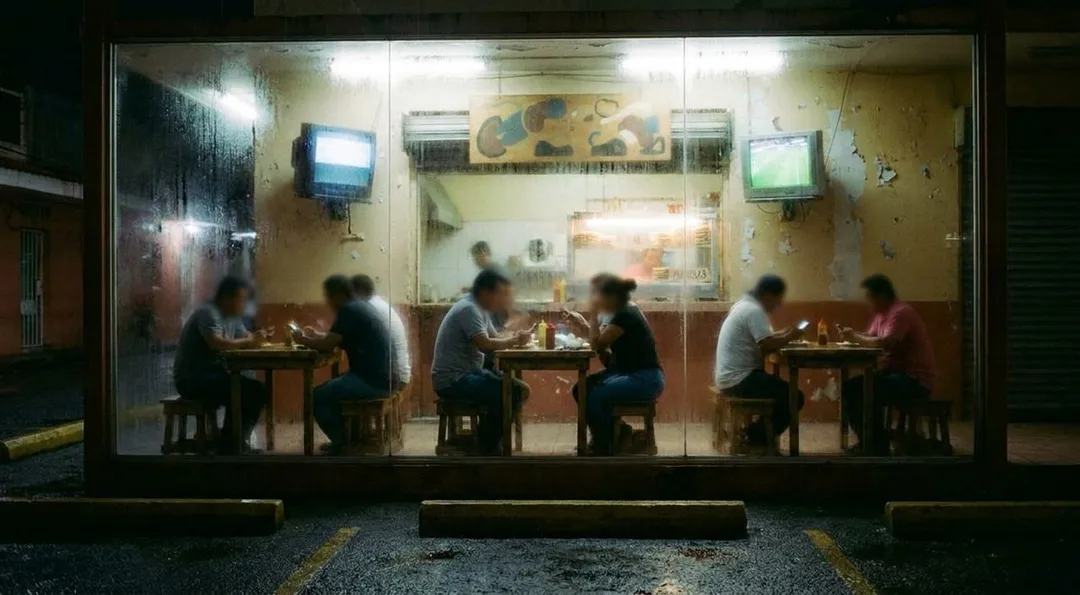
There's a particular electricity when the matchup pits two nations heavily represented in Gulfton against each other. The dining room doesn't erupt into hostility—this isn't that kind of place—but you feel the division. Friends who sat together last week suddenly occupy opposite sides of the room. Jerseys come out of backpacks. Scarves appear. Someone's car horn starts honking in the parking lot after a goal, and you can't tell if it's celebration or protest until you see which flag is draped over the hood. The kitchen stays neutral. Pupusas flow to both sides without favoritism. But the banter gets sharper, the Spanish faster, and if you don't speak the language fluently you're reading the room by volume and body language alone. When the final whistle blows, there's a moment of suspension—then someone from the losing side stands up, shakes hands with someone from the winning side, and orders another round of pupusas. The kitchen keeps cooking.
The Regulars Who Arrive Two Hours Before Kickoff to Claim Territory
You learn quickly that showing up fifteen minutes before a big match means you're standing. The veterans know. They arrive when the place is still half-empty, order a full spread—pupusas de frijol, de queso, maybe one adventurous loroco if they're feeling it—and nurse a tamarindo while they wait. They're not just securing a seat. They're claiming specific tables with specific angles to the screen. The corner booth that doesn't get glare from the window. The two-top near the kitchen where you catch the scores fastest because the cooks have the radio on. These aren't casual fans. They've got the CONCACAF standings memorized. They know which referee is officiating before the broadcast mentions it. They're running mental calculations about goal differential and tiebreakers while you're still figuring out the menu. By the time the anthems play, the room is full, and these early arrivals are the anchors around which the rest of the crowd orbits.
Why This Strip Mall Became a World Cup Staging Ground for 2026
Houston's hosting matches in 2026, and while NRG Stadium will pack in seventy thousand, the real World Cup is already happening in rooms like this one. The tournament doesn't start when the opening whistle blows in a stadium. It starts in the pupuserías and taquerías and West African restaurants where diaspora communities have been watching qualifiers for years, where every match matters because it's not just sport—it's home projected onto a screen thousands of miles from home. When the World Cup arrives in Houston, this place won't change its routine. The griddle will keep going. The curtido will keep flowing. The TV will show the matches, and the room will fill with people who've been waiting not just for this tournament, but for the world to pay attention to the football they've been watching all along. You don't need a stadium seat to be part of it. You just need to show up, order your pupusas, and know which table has the best view.
Practical Notes
The pupusería keeps flexible hours, generally opening late morning and running well into evening, especially on match days. You'll find it on the Gulfton strip where Salvadoran and Honduran businesses cluster—look for the flags in windows and the smell of grilling masa. Parking is shared lot, first-come. Cash is king, though they've added a card reader that works most of the time. Each pupusa runs a few bucks, and you'll want at least three if you're staying for a full match. No reservations, no call-ahead. Just walk in. The crowd self-regulates—if it's packed, you wait, and nobody minds because everyone's watching the same screen anyway. Transit-wise, the 82 Westheimer bus gets you close, but most people drive. The real insider move: arrive hungry, stay curious, and don't touch the remote unless you've earned it.
Tags: #GulftonHouston #PupuseriaLife #CONCACAFQualifiers #FIFAWorldCup2026 #HoustonDiaspora #CentralAmericanFood #SalvadoranCuisine #SoccerCulture #StripMallGems #HoustonEats #WorldCupWatch #FútbolFamily #DiasporaStories #Houston2026 #AuthenticEats
Sources consulted: fifa.com · espn.com · timeout.com
All trademarks are the property of their respective owners.
Ask Karpo for more information.
Keep reading
- Haaland Has Seven Goals and Norway Runs Entirely Through Him
 World Cup Trophy Ceremony Timing Medals and Postmatch Celebrations
 Olise and France's Attack: The Semifinal Tactical Question