 Haaland Has Seven Goals and Norway Runs Entirely Through Him
⚽️2026 FIFA WORLD CUP
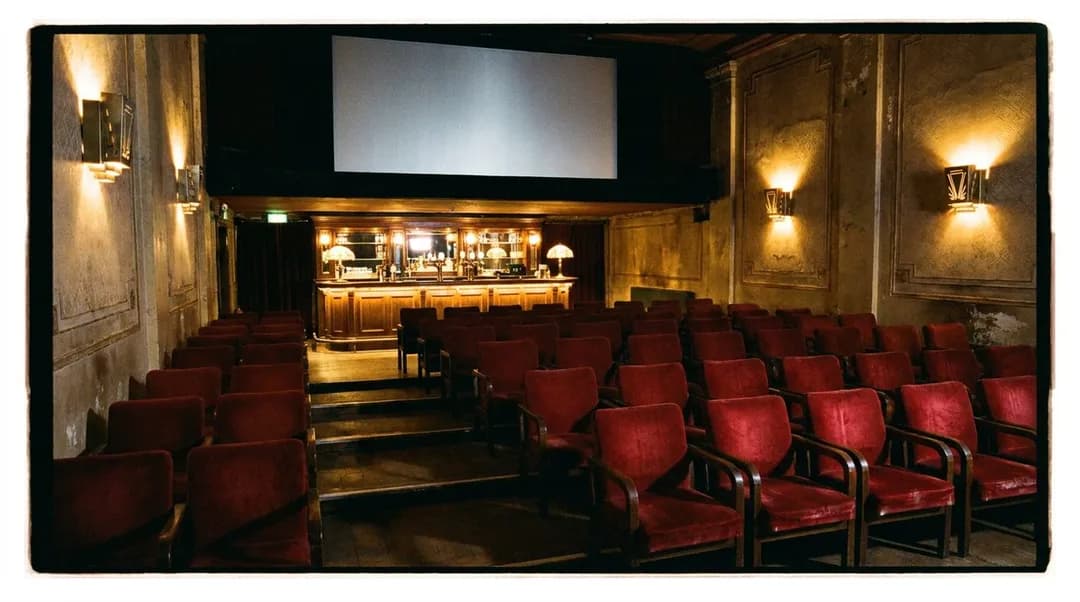
The Annex Theater Pub That Screens World Cup Matches Like AMC Never Could
A cinema-bar hybrid that treats soccer broadcasts as premium content, complete with reserved seating, concession stands, and the communal focus of a sold-out premiere.
You walk into what looks like a neighborhood cinema—velvet ropes, marquee board, popcorn smell—but the screen's showing a live feed from Kansas City or wherever the draw lands Canada's group opener. The Projection Room occupies a converted Annex theater space just west of Spadina, and during World Cup months it operates on a simple premise: soccer deserves the infrastructure we give to Marvel sequels. Reserved seats. Proper sightlines. A crowd that actually shuts up during crucial moments because everyone paid to be here.
The Ticket Stub in Your Pocket Changes Everything
You book online like you would for any film screening. Choose your seat from a digital floor plan—center orchestra if you want full-immersion atmosphere, back mezzanine if you prefer a beer run without climbing over knees. The system locks you in two hours before kickoff. No standing-room chaos, no arriving early to claim territory with a jacket, no passive-aggressive seat-saving negotiations. You enter through the original brass-handled doors, scan a QR code, and an usher—actual usher, vest and everything—directs you to your row. The psychological shift is immediate. You're not watching a match that happens to be on. You're attending a broadcast with intention and a twelve-dollar ticket that makes you committed to staying through injury time.
The Concession Stand Runs a Hybrid Menu
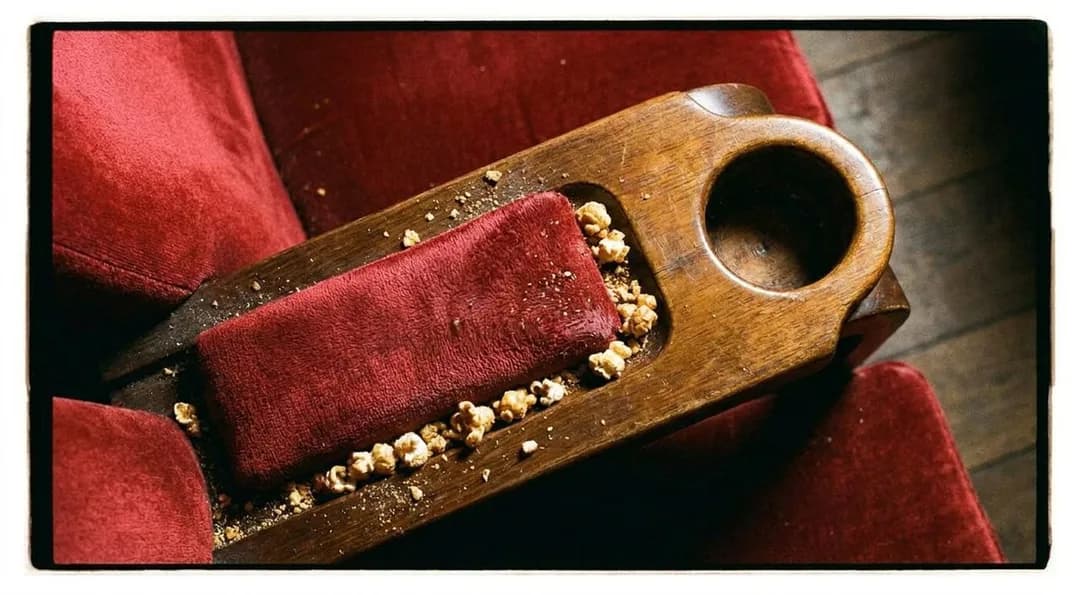
The counter still has the backlit panels advertising candy and nachos, but the menu's been augmented with items that make sense at nine in the morning when you're here for a Group Stage match from the West Coast. Breakfast sandwiches with Portuguese sausage appear during early kickoffs. Samosas arrive in paper boats when the Indian community shows up heavy for certain matchups. The popcorn's always there—that's non-negotiable cinema law—but it shares space with beef patties and a rotating selection of handheld foods that reflect whoever's playing. The coffee's better than it has any right to be in a venue that's technically licensed as a bar. You can smell the espresso machine fighting with fryer oil and somehow both win. Between halves, the line moves with surprising efficiency because everyone's internalized the fifteen-minute intermission clock.
The Projection Itself Runs Through Broadcast-Grade Equipment
This isn't a sports bar that mounted a flatscreen. The venue uses the theater's original Christie projector, the kind designed to throw light across a room built for sightlines. The image fills the full screen with zero pixelation even when the camera zooms tight on a goalkeeper's face during a penalty. The color temperature's been calibrated so the pitch grass looks like grass, not the radioactive green you get in most bar setups. The sound system runs through the theater's existing surround setup, which means crowd noise and commentary wrap around you with spatial accuracy. When the stadium erupts after a goal, you feel it in your sternum. The bass response is tuned for cinematic explosions but translates perfectly to the low-frequency roar of seventy thousand people losing their minds in unison.
The Crowd Sorts Itself Into Micro-Sections
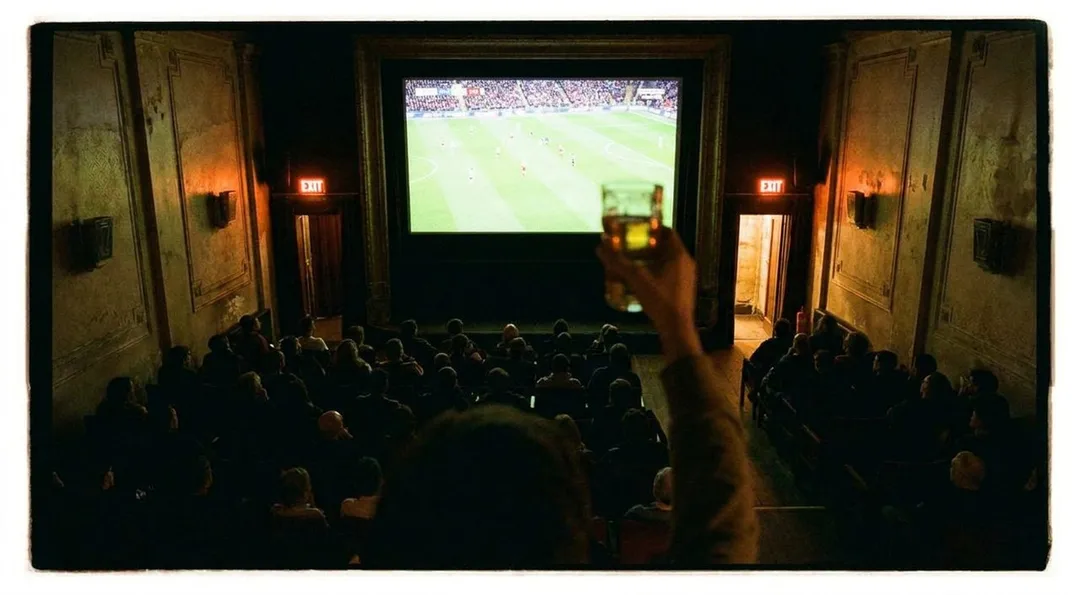
Walk in during a match involving Portugal and you'll find the right side of the theater draped in red and green, a cluster of families who've been coming here since the venue opened. The Italian community claims the left mezzanine for their games. The Croatian supporters tend toward the back rows where they can stand and pace during tense moments without blocking sightlines. It's self-organizing tribalism with theater etiquette baked in. People cheer, absolutely, but they don't narrate every pass or shout instructions at professional athletes who can't hear them. The venue's structure enforces a kind of focus you don't get in traditional bar environments. Everyone's facing the same direction. The lights dim slightly during play. It feels like collective spectatorship instead of twenty separate viewing experiences happening in proximity.
The Intermission Ritual Mirrors Movie-Theater Behavior
When the halftime whistle blows, the house lights come up exactly fifteen percent—enough to navigate but not enough to break the spell. People stand and stretch in that specific way you do in a theater, arms overhead, rolling shoulders. The concession line surges. Strangers in adjacent seats start conversations they'd never initiate in a bar setting, something about the shared seating arrangement lowering social barriers. The venue plays ambient stadium noise instead of music, keeping you tethered to the event. Regulars know to hit the washroom in the first three minutes before the line builds. By minute twelve, people are filtering back to their seats, unwrapping snacks with the quiet urgency of someone who doesn't want to miss the second-half kickoff. The lights drop again right on schedule.
The Post-Match Exit Feels Like Leaving a Premiere
When the final whistle blows, nobody rushes out. The credits-equivalent here is the post-match analysis, and a solid third of the crowd stays seated to watch the commentary crew dissect what just happened. The house lights stay dim. People check their phones, texting friends who watched elsewhere, comparing reactions. The venue doesn't blast music or flash lights to hustle you toward the door. You leave when you're ready, filing out through the same lobby where the marquee board already lists tomorrow's matches. The staff's resetting the space for an evening screening—sometimes an actual film, sometimes another match if the schedule's dense. Walking out onto Bloor, you get the same disoriented feeling you get leaving a matinee, surprised the outside world kept moving while you were in there.
Practical Notes
The Projection Room operates on a match-by-match basis during the tournament, with the schedule posted online about a week in advance. Tickets go live seventy-two hours before kickoff and tend to sell out for marquee matchups—anything involving Canada, most knockout rounds, both semifinals. Arrive fifteen minutes early if you want concession items; five minutes is enough if you're coming straight to your seat. The space is accessible via the Spadina or Bathurst streetcar, and there's bike parking on the side street. No outside food or drink, but the pricing's calibrated for multiple purchases across a ninety-minute match rather than single-transaction sticker shock. Reserved seating means you can show up right before kickoff without penalty, but the pre-match atmosphere is half the appeal.
Tags: #2026FIFAWorldCup #TorontoSoccer #TheAnnex #CinemaExperience #SoccerCulture #TorontoBars #WorldCupViewing #AlternativeVenues #SportsSpectatorship #NeighborhoodGems #TorontoEats #CommunalViewing #SpadinaAvenue #DiasporaCommunities #TheaterCulture
Sources consulted: fifa.com · espn.com · timeout.com
Please drink responsibly. Must be of legal drinking age.
All trademarks are the property of their respective owners.
Ask Karpo for more information.
Keep reading
- Haaland Has Seven Goals and Norway Runs Entirely Through Him
 World Cup Trophy Ceremony Timing Medals and Postmatch Celebrations
 Olise and France's Attack: The Semifinal Tactical Question