 Haaland Has Seven Goals and Norway Runs Entirely Through Him
⚽️2026 FIFA WORLD CUP
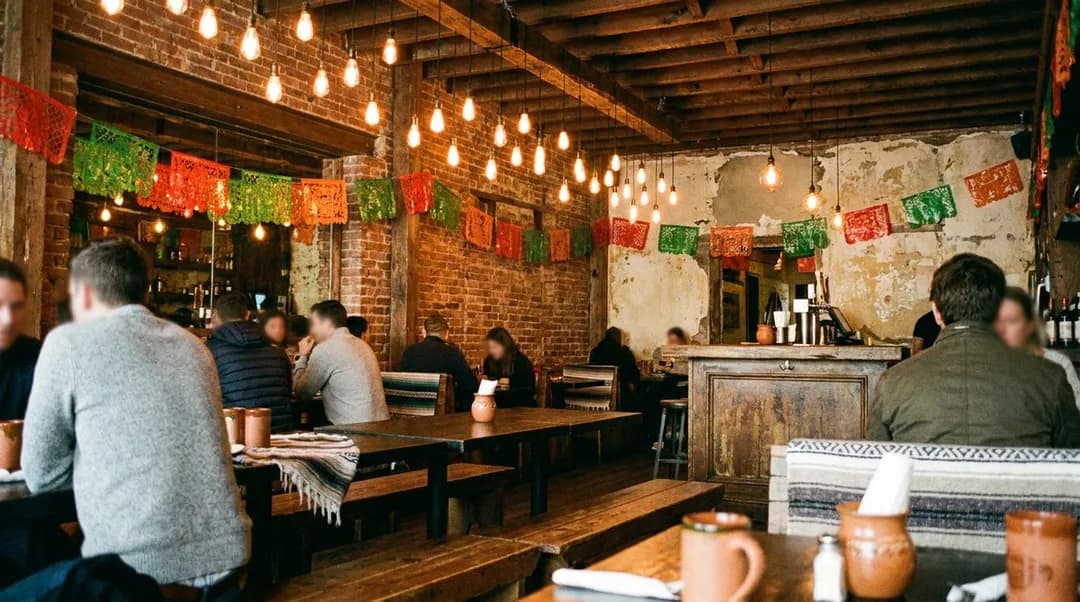
Sunset Park Cantinas Where Braves vs White Sox Plays Beside World Cup Matches
Mexican sports bars toggle between American League games and international soccer, drawing mixed crowds who share tables and split nachos.
When Two Screens Tell Different Stories
You walk into a cantina on Fifth Avenue in the low 40s and the sound hits you first—announcers in Spanish and English layering over each other, crowd noise from two continents, the sizzle of al pastor on the vertical spit. One screen shows a pitcher winding up at Guaranteed Rate Field. The other cuts to a midfielder threading a pass in some stadium half a world away. Nobody seems confused about which one to watch. They're watching both.
These aren't sports bars that happen to serve tacos. They're neighborhood cantinas that understand something about Sunset Park—that the guy in the White Sox cap and the woman in the tri-color jersey might be cousins, might be strangers, might end up splitting a basket of chips because the tables are close and the games overlap and you can't help but react when someone scores anything, anywhere.
The Geometry of Attention
The setup is almost always the same. Two or three flatscreens, never perfectly aligned, so your neck does a little work. The baseball game gets the bigger screen during the regular season, but come World Cup time the hierarchy flips. You'll see someone lean back from their carne asada to track a fly ball, then snap forward when the crowd roar shifts frequency—that's a goal, not a home run, and the entire room knows the difference in under a second.
The bartenders toggle between games without asking. They just know. They catch the rhythm of who's watching what, which tables are locked into the Sox game, which ones only look up when their national team takes the pitch. During commercial breaks everyone becomes bilingual whether they speak Spanish or not. You point at screens, you groan at replays, you toast with Modelos raised in the general direction of whichever broadcast just delivered something worth celebrating.
What the Kitchen Knows
The timing matters more than you'd think. Cantinas here don't just throw frozen apps in a fryer. Someone's abuela-recipe is behind those tamales, and they come out during the third inning or right before halftime because the kitchen knows when you'll want something heavier than chips. The al pastor gets carved in waves—you can smell the pineapple caramelizing from the sidewalk, and inside it's even thicker, mixing with cilantro and lime and the specific tang of Valentina on every table.
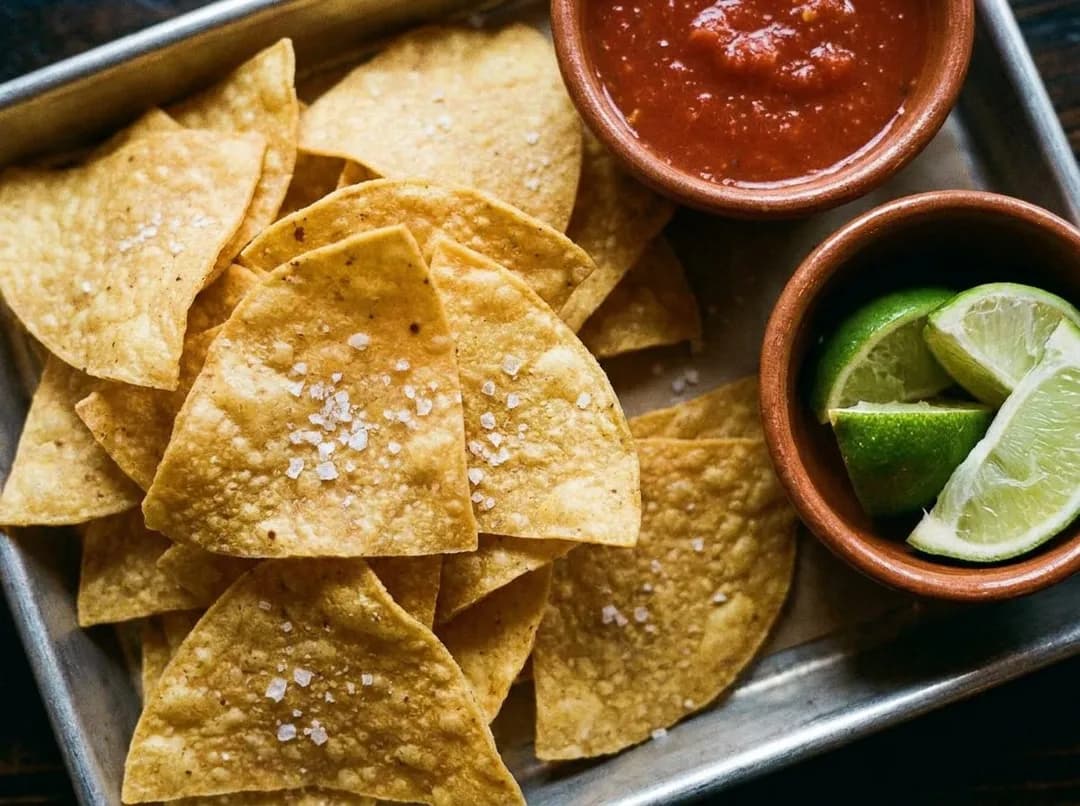
You order at the bar or from someone weaving between tables with a notepad, never a tablet. The nachos aren't ironic. They're piled high, actual layers, the cheese melted unevenly because it's done fast and by hand. When tables share an order it's not planned—someone just pushes the basket toward the middle and suddenly you're all in this together, reaching across to grab jalapeños while someone's uncle explains why the manager should've pulled the starter two innings ago.
The Regulars and the Pilgrims
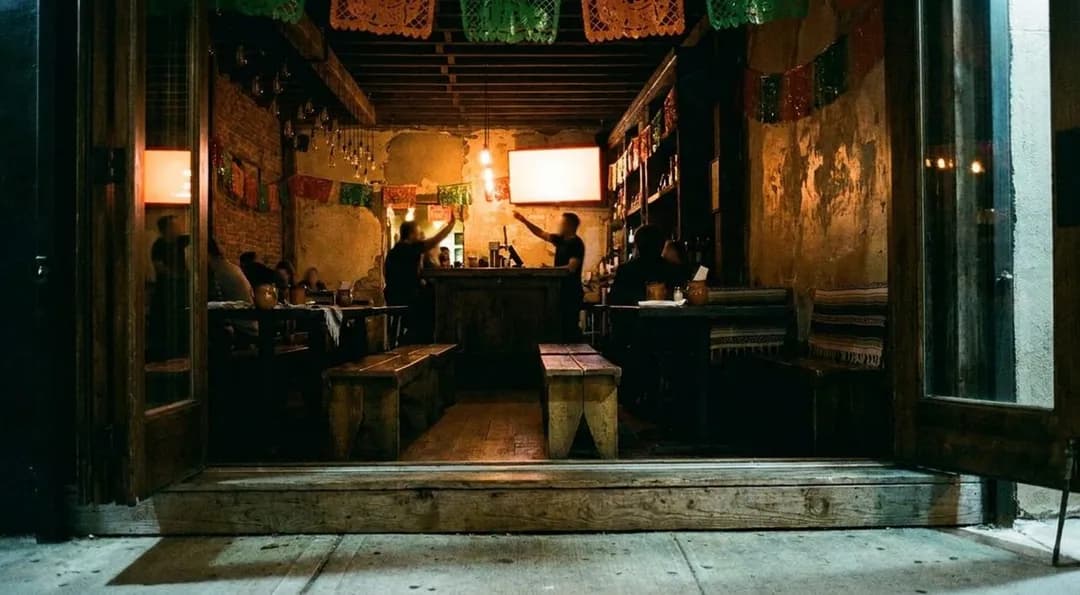
You can tell who lives within six blocks and who took the N train specifically for this. The regulars have their spots—corner of the bar, table by the window, the two-top near the bathroom that somehow has the best sightline to both screens. They don't wear jerseys. They don't need to. They nod at the bartender and a Tecate appears, opened, no glass.
The pilgrims show up in waves, especially when a World Cup match lines up with a day game. They're louder, more jersey-dense, taking photos of the screens like they need proof this place exists. But the cantinas absorb them. By the second inning or the twentieth minute everyone's talking across tables, debating whether that was a strike or a ball, whether the ref's blind or just European. Someone's cousin played semi-pro in Puebla. Someone else has season tickets to the Yankees but came here because the vibe's better when you're not surrounded by people who paid sixty dollars for parking.
Light and Smoke and 4pm
There's a specific quality to the light around four in the afternoon when the sun angles through the western windows and cuts across the bar top. The room goes amber. Dust particles hover in the beams. Someone's smoking on the sidewalk just outside the door and it drifts in when people enter, mixing with the grilled-meat haze. The games are deep enough now that the stakes feel real—late innings, second half, everything tightening.
This is when the cantina stops being two separate crowds and becomes one room. The baseball fans start asking about the World Cup match. The soccer fans glance up when someone crushes a double. You hear blended conversations, half in English, half in Spanish, nobody translating because nobody needs to. The bartender's moving faster now, restocking Coronas, wiping down the bar between pours, keeping one eye on each screen because if something happens on either she wants to see it live, not on the replay.
When the Crowds Collide at the Door
The shift change happens around seven. Early crowd's been here since the day game started. New arrivals want the prime-time World Cup match or the West Coast baseball games just starting. For twenty minutes the cantina's at double capacity, people standing with drinks, leaning against walls, craning to see screens over shoulders. The noise peaks—everyone's talking, both games are live, the kitchen's calling out orders in Spanish, and someone just dropped a tray of bottles behind the bar.
Then the early crowd filters out and the room exhales. New people take the stools, the tables, the corner spots. The screens stay on. The games keep coming—there's always another match, another series, another reason to stay for one more. You watch someone settle in with a quesadilla and a beer, their eyes already tracking between broadcasts, and you realize this is the whole point. Not the games themselves but the layering, the overlap, the way a cantina in Sunset Park can hold a Tuesday afternoon in Chicago and a World Cup match in another hemisphere and make them feel like the same event.
The Practical Rhythms
Most cantinas here open late morning and stay live until the final out or final whistle, whichever comes last. You'll find them clustered along Fifth Avenue and into the side streets, identifiable by the glowing screens visible through windows and the smell of grilled meat. Getting here means the N train to the 40s or 50s stops, then a short walk west. No reservations, no cover, just walk in and find a spot. Weekday afternoons are quieter. Weekend games, especially doubleheaders or World Cup knockouts, mean arriving early or standing. Cash helps—some places take cards but the bartenders move faster when you're settling up in bills. If you're here for a specific match check which cantinas open earlier; some unlock the doors whenever the first game starts, regardless of the clock.
Tags: #SunsetPark #Brooklyn #NewYorkCity #WorldCup2026 #FIFAWorldCup #MLBBaseball #MexicanFood #SportsBar #Cantina #WhiteSox #NeighborhoodGems #SoccerCulture #BaseballSeason #NYCEats #AuthenticEats
Sources consulted: fifa.com · espn.com · timeout.com
Please drink responsibly. Must be of legal drinking age.
All trademarks are the property of their respective owners.
Ask Karpo for more information.
Keep reading
- Haaland Has Seven Goals and Norway Runs Entirely Through Him
 World Cup Trophy Ceremony Timing Medals and Postmatch Celebrations
 Olise and France's Attack: The Semifinal Tactical Question