 Haaland Has Seven Goals and Norway Runs Entirely Through Him
⚽️2026 FIFA WORLD CUP
Sunset District's Console Café Where College Football 27 Players Become World Cup Tacticians
A gaming lounge that spent spring mastering virtual playbooks pivots to real-world soccer, translating video-game strategy into match-watching expertise over boba and controllers.
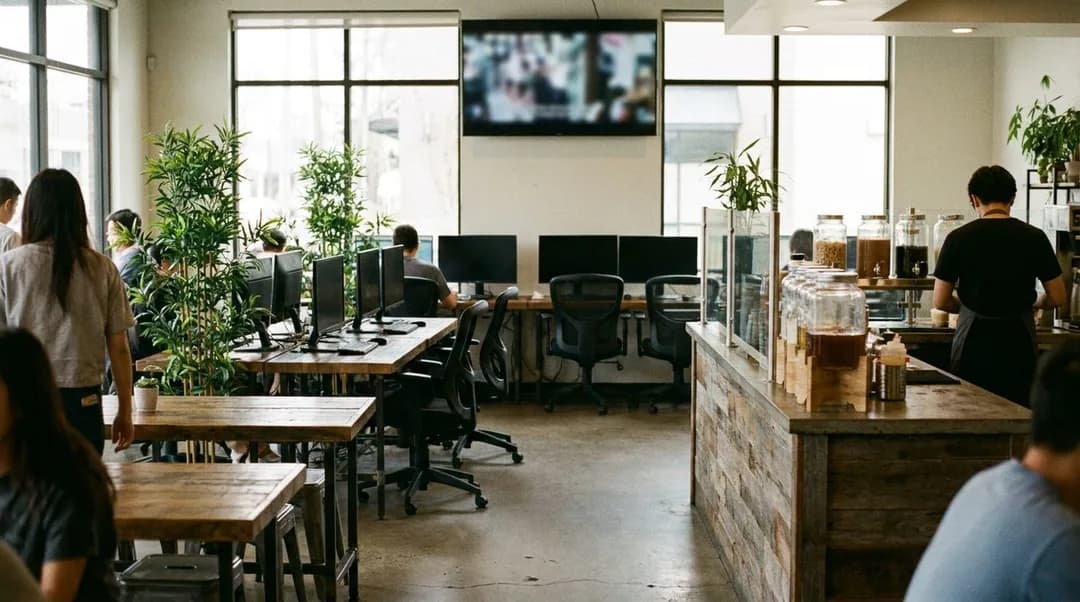
You walk into a room where half the screens show Tactical Camera angles from a college football sim and the other half stream a World Cup group stage match, and nobody seems confused by the contradiction. This is Console Café in the Sunset District, where the muscle memory from spring's NCAA Football 27 grind translates surprisingly well to decoding pressing traps and inverted fullbacks. The boba shakers behind the counter keep rhythm with whatever's happening on-screen—frantic during a goal-line stand, methodical during a possession game that's all sideways passes.
The Spring Training Nobody Expected
The place spent March through May as a college football laboratory. You'd find the same eight people here most afternoons, controllers warm, working through dynasty modes and recruiting classes with the focus of people studying for the bar exam. They learned to read defensive formations in the two seconds before a snap, to spot the safety creeping into the box, to understand why a play dies before it develops. That vocabulary—reading space, anticipating rotation, recognizing when someone's out of position—turns out to be startlingly relevant when you're watching a back four try to handle a counter-attack. The transition happened naturally once the World Cup fixtures started appearing on the schedule. Someone switched a screen from a simulated SEC matchup to a live match, and the commentary in the room barely changed register.
Where the Controllers Go During Kickoff
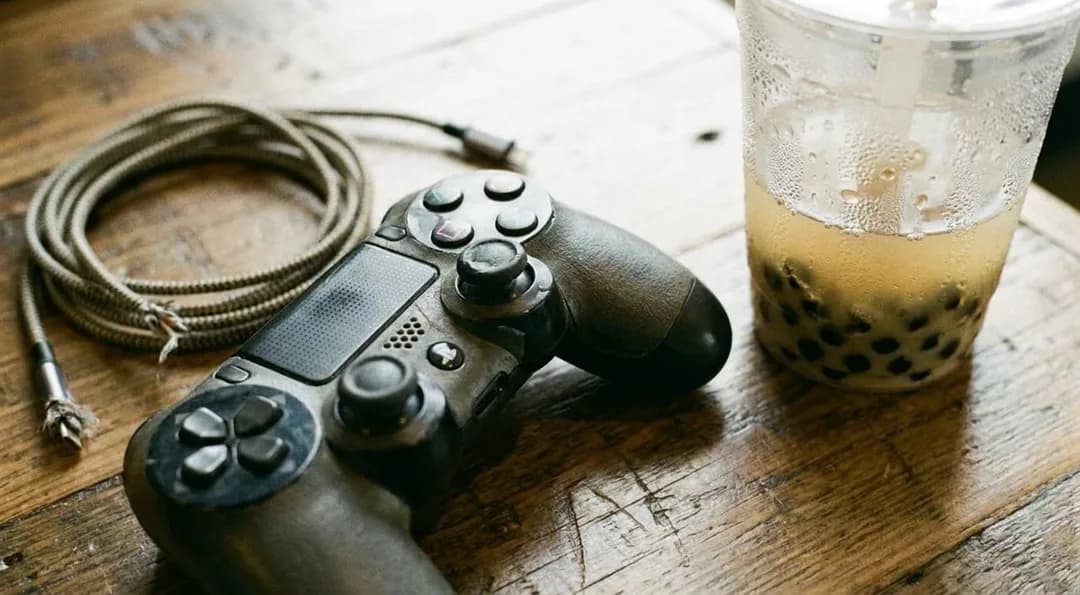
The café keeps controllers available on every table, but they migrate to charging stations when matches matter. You'll see them stacked on the counter near the register, PlayStation and Xbox units mixed together, their LEDs blinking in slow rhythm. The regulars have an unspoken protocol: story modes and franchise building happen in the dead hours between breakfast and lunch, but once there's a live match with stakes, the controllers get benched. The screens stay on, though, and the gaming setups become viewing stations. Someone figured out how to route multiple streams through the café's system, so you can watch the main broadcast on the big screen while a smaller monitor shows a tactical camera angle that isolates the midfield. It's the kind of setup that makes sense only if you've spent months learning to read plays from five different camera perspectives.
The Boba Menu That Tracks Match Intensity
The drink menu shifts based on what's happening on-screen. Early group stage matches with predictable outcomes get the standard orders—classic milk tea, taro, the occasional fruit blend. But when the bracket tightens and the stakes multiply, the orders get more caffeinated and more specific. The staff doesn't advertise it, but they'll adjust sweetness and ice levels on the fly if you're settling in for extra time. You can track the tension in the room by counting how many people are nursing the same drink for ninety-plus minutes versus how many are ordering refills at halftime. The tapioca pearls are the right size and texture—that specific chew that gives you something to do with your mouth when the match gets too tense to speak. There's a regular who only orders during penalty shootouts, waits until the keeper commits to a direction, then takes a single long pull from his drink regardless of whether the kick converts.
The Seating Geography of Tactical Literacy
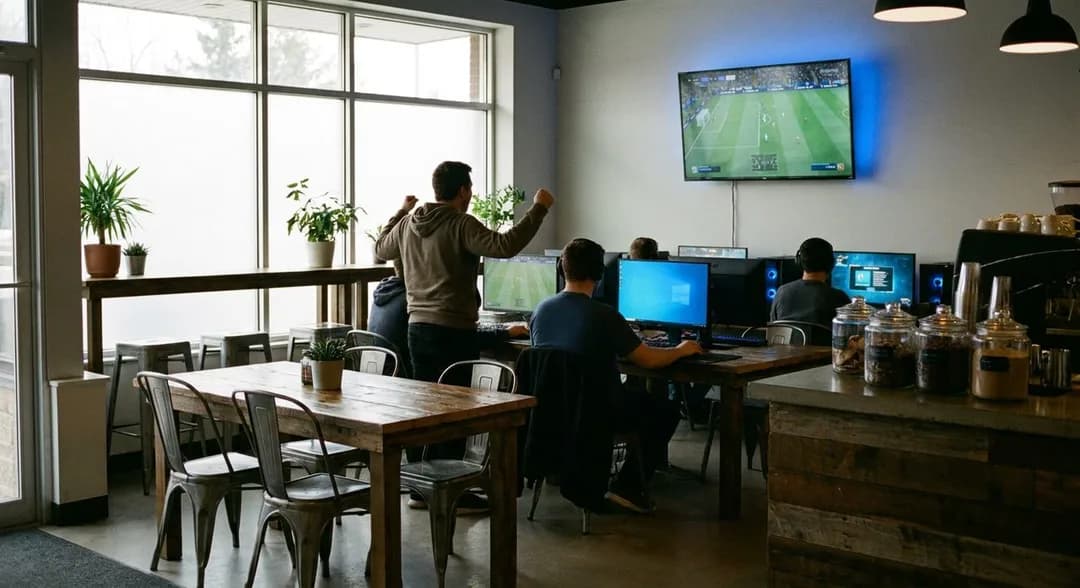
Where you sit determines what kind of watch party you're joining. The tables closest to the main screen attract the casual viewers, the people who showed up because their friends were coming and who ask clarifying questions during corner kicks. The back corner near the fighting game setups fills with the former college football obsessives, the ones who pause mid-sentence to point out how a team's defensive shape collapses when their holding midfielder pushes too high. They use terminology that wouldn't sound out of place in a football coaching clinic—gap integrity, leverage, reading keys. The middle tables are neutral territory, where both groups mix and the conversation stays accessible. You'll overhear someone explain an offside trap using a diagram sketched on a napkin, then immediately pivot to comparing it to a zone blitz concept from Madden.
When Gaming Reflexes Meet Set Piece Literacy
The real convergence happens during set pieces. Corner kicks and free kicks near the box produce the same kind of focused silence that precedes a fourth-down play in a tight game. The college football players—and they still think of themselves that way, even though they're just playing a simulation—have trained themselves to track multiple moving pieces simultaneously, to spot the mismatch before the ball arrives. They see the attacking team stack the near post and immediately start calling out who's unmarked at the back stick. It's pattern recognition that transfers across sports and screens. During one match, a regular correctly predicted a goal from a short corner routine because he recognized the spacing concept from an RPO play he'd been running in his franchise mode. The goal happened exactly as he described it, and for about thirty seconds, he was the most respected person in the room.
The Diaspora Geography That Remaps Every Match
The crowd composition shifts based on who's playing. A match featuring a Central American side fills the café with families who bring their own snacks and claim tables two hours before kickoff. Asian confederation matches draw the late-night students who treat the place as a study hall with better screens. European fixtures bring the finance district spillover, people in office casual who order the least adventurous drinks and check their phones during goal kicks. The café becomes a different room depending on the fixture, but the core group of college football converts shows up regardless. They're the connective tissue, the ones who can talk tactics with anyone because they learned the language through a controller rather than through allegiance. They'll explain a gegenpressing system to someone's grandmother and use a college football comparison that somehow makes perfect sense.
Practical Notes
The café operates on neighborhood time—late mornings through late evenings, longer hours when major matches are scheduled. You'll find it in the Sunset District's commercial stretch, walkable from multiple bus lines that run down the avenues. Seating is first-come during regular hours, but the staff holds tables for groups during marquee fixtures if you message them on social media beforehand. Drinks run a few dollars each, cheaper than most coffee shops and substantially cheaper than any sports bar. The gaming stations are free to use when they're not serving as viewing screens, though there's an informal expectation that you'll order something if you're settling in for more than an hour. Cash and cards both work. The bathroom code changes weekly and is written on a small chalkboard near the register. Street parking is easier than you'd expect for this part of the city, especially during the day. The café doesn't serve alcohol, which means it stays all-ages and keeps a different energy than the traditional sports bar circuit.
Tags: #SunsetDistrict #SanFranciscoHiddenGems #WorldCup2026 #GamingCafe #BobaCulture #TacticalFootball #CollegeFootball27 #SoccerWatch #SanFranciscoFood #SFNeighborhoods #ConsoleGaming #WorldCupViewing #SunsetSF #SportsAndGaming #SFCafe
Sources consulted: fifa.com · espn.com · timeout.com
All trademarks are the property of their respective owners.
Ask Karpo for more information.
Keep reading
- Haaland Has Seven Goals and Norway Runs Entirely Through Him
 World Cup Trophy Ceremony Timing Medals and Postmatch Celebrations
 Olise and France's Attack: The Semifinal Tactical Question