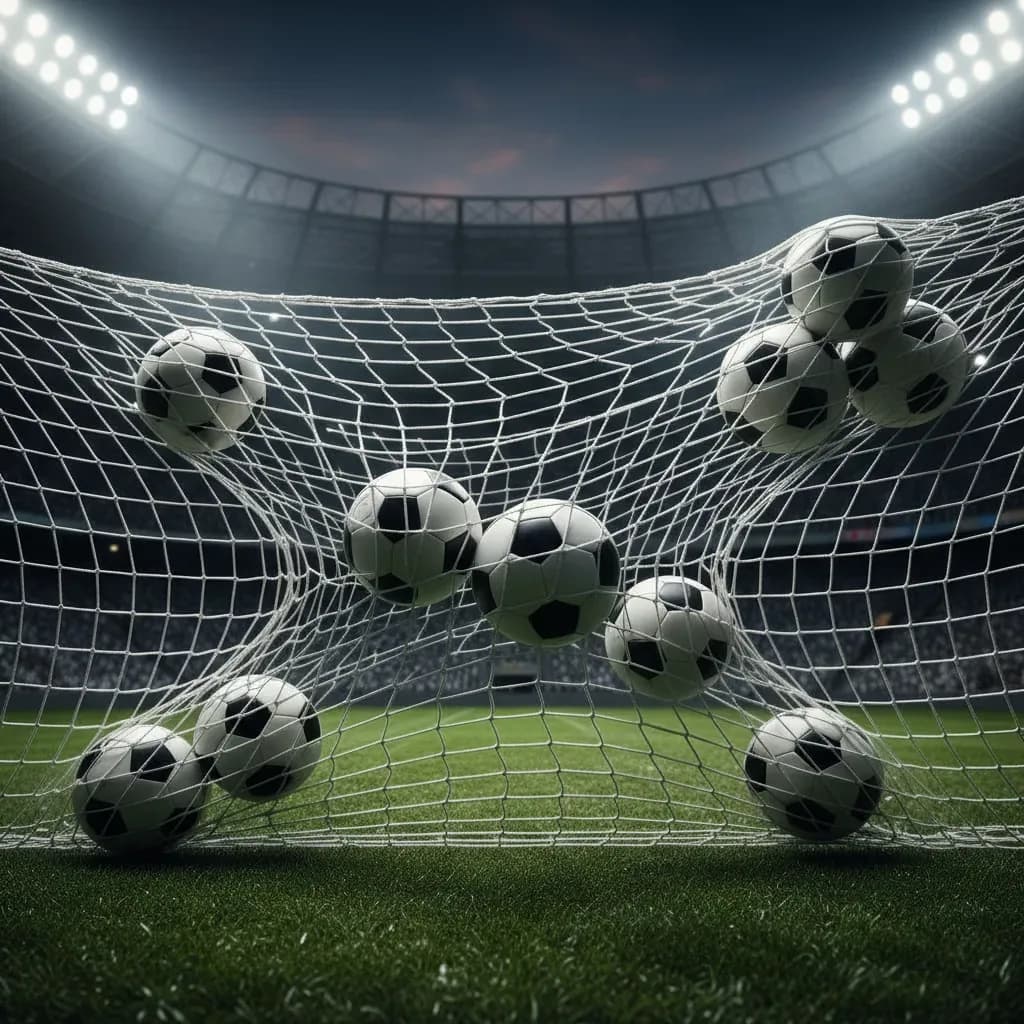
 Haaland Has Seven Goals and Norway Runs Entirely Through Him
⚽️2026 FIFA WORLD CUP
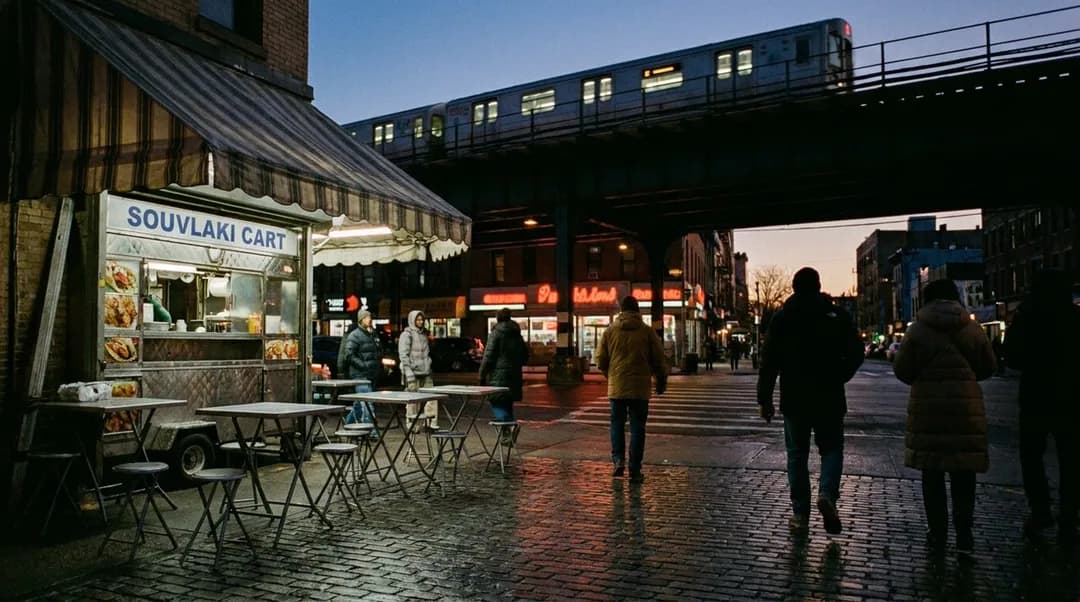
Souvlaki Carts and Hurricanes vs Golden Knights Energy Before World Cup Kickoff in Astoria
Queens corners blend Mediterranean grill smoke with hockey playoff tension as dual-sport crowds converge on outdoor screens.
You step off the N train at 30th Avenue and the air already smells like charcoal and oregano, that specific burn of lamb fat hitting open flame. It's three hours before kickoff and Astoria's doing its double-shift thing—Greek tavernas wheeling flatscreens onto sidewalks while the sports bars on Steinway are taping up handwritten signs promising both the World Cup match and the Golden Knights playoff game on split feeds. The neighborhood's been training for this moment its entire life, just didn't know both events would land on the same spring evening.
When Two Crowds Become One Organism
The corner spots near Ditmars get it first. You'll see them around 4pm—guys in Greece national team jerseys ordering souvlaki sticks from carts while checking NHL scores on their phones. The Vegas Golden Knights fanbase in Queens is smaller but louder, spillover from the casino-worker diaspora and pure contrarians who picked a team specifically to annoy Rangers loyalists. They're claiming tables early at the spots with good sightlines to multiple screens. The Mediterranean grill smoke drifts horizontal in the late afternoon wind, and you can track which cart's been going longest by the depth of char on the meat. The vendors know. They've doubled their onion orders and nobody's asking why.
The Geometry of Dual-Screen Setups
Walk Steinway Street between the elevated tracks and you'll count the angles. Every place with outdoor seating has done the math—one screen canted northwest for the hockey crowd, one facing southeast for the football faithful. The sound's always tricky. Most spots let the World Cup audio dominate because that crowd arrived first and brought more people, but the hockey bars near the Bohemian Hall beer garden run dual commentary through separate speaker zones. You end up in these weird acoustic pockets where a Greek midfielder's name blends into a Vegas power-play call. The regulars have learned to read lips. There's a guy who sits at the same high-top every match day, wearing a Knights jersey over a Greece scarf, and he's worked out a head-swivel rhythm that lets him catch both games without neck strain. Fifteen seconds left, twelve seconds right, repeat.
What the Carts Know That Restaurants Don't
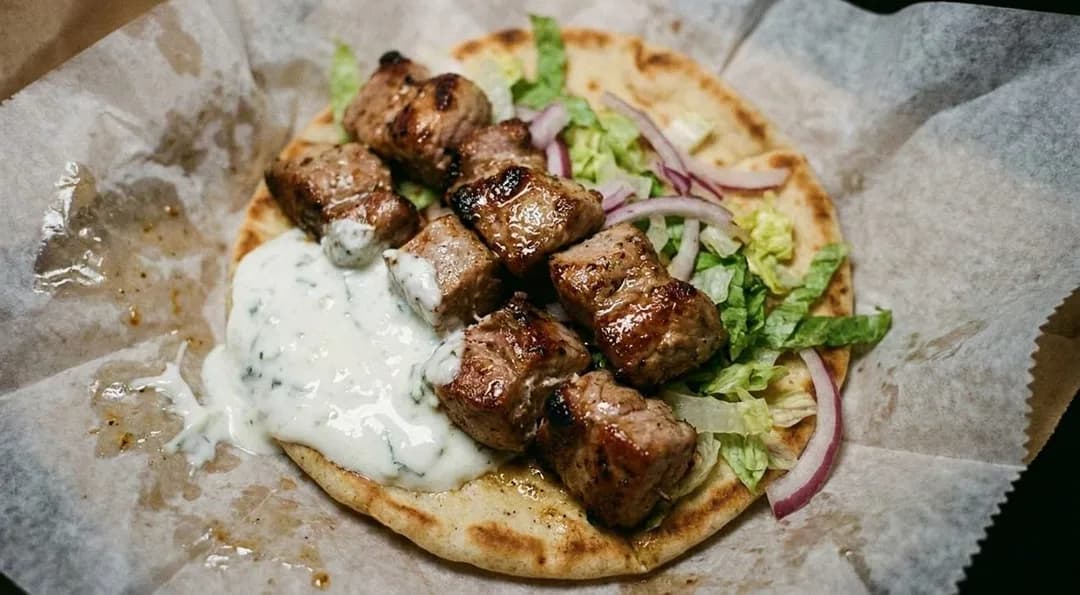
The souvlaki vendors position themselves in the gaps between established bars, reading foot traffic like tide charts. You want the good chicken—the stuff that's been on the rotisserie since lunch service, dark and pulling apart in chunks—you're looking for the cart with the handwritten menu board, not the laminated one. The difference is about care and turnover rate. These guys aren't just feeding pre-game crowds. They're feeding the people who can't get tables, the overflow from packed bars, the locals who'd rather stand on the sidewalk with a foil-wrapped pita than fight for a barstool. Watch how they work during the rush between 5:30 and kickoff. No wasted motion. The tzatziki goes on in one continuous spiral. The tomatoes are pre-sliced to the exact thickness that won't make the bread soggy before you've finished half. They're running a tighter operation than most kitchens, and they're doing it in eight square feet with a propane tank and a prayer.
The Acoustic Landscape of Multilingual Roaring
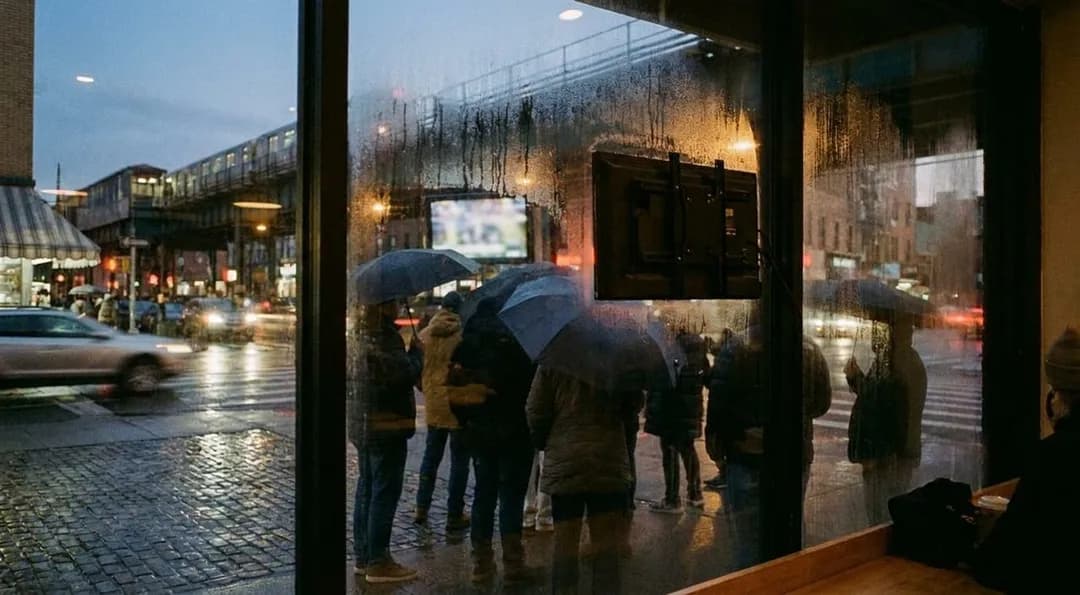
When both games hit critical moments simultaneously—and they will, sports has that timing—the sound does something physical to the air. You're hearing Greek, Spanish, English, Arabic, all of it compressed into this collective roar that bounces off the brick apartment buildings and comes back denser. The hockey goal horn from one bar's speakers cuts through everything, this synthetic blare that makes the soccer crowd flinch and turn, momentarily confused about which game just scored. Then the World Cup feed catches up with whatever just happened on that pitch and the response is deeper, more sustained, built from a hundred different traditions of celebration. You can stand at certain intersections and get the full stereo effect—hockey chaos from your left, football pandemonium from your right, and straight ahead some cart vendor just trying to call out order numbers over the whole mess.
Where the Overflow Goes When Everything's Full
The residential blocks south of the main strip become the secret viewing zones. People drag folding chairs onto stoops. Someone's always got a tablet propped in a window with a game streaming, volume up, and suddenly there's twelve people on the sidewalk watching through the glass like it's a storefront display. The bodegas near the park stay open late and stock extra beer, selling singles to people who've given up on getting into the actual bars. You'll find impromptu gatherings around any screen—the laundromat on one of the side streets has a TV that usually plays soap operas, but on nights like this it's showing the match and there's people pretending to wait for their wash cycle while really just camping the plastic chairs. The whole neighborhood becomes porous. Private spaces go public. That's the World Cup effect, but the hockey playoffs add this extra layer of urgency because those fans know their window's smaller, their sport's always the underdog for attention in a soccer neighborhood.
The Post-Match Convergence Nobody Plans
After both games finish—win, lose, whatever—there's this weird decompression period where the two crowds finally actually mix. The adrenaline's still running but the tribal lines get fuzzy. You'll see Knights fans and Greece supporters at the same cart, comparing notes on referee incompetence in two different sports. The late-night spots that serve both gyros and wings get slammed. Everyone's hungry in that specific way you only get after watching sports for three hours straight. The energy shifts from competitive to communal. The vendors stay out until the crowds thin, which on these double-header nights means pushing past midnight. The smoke from the grills hangs low in the cooler air, and the streets stay loud with recap arguments and highlight-reel gestures. Someone's always reenacting a save or a goal with full body commitment, and someone else is always filming it.
Practical Notes
The N and W trains both drop you into the heart of it—30th Avenue or Astoria Boulevard stations put you within a few blocks of the main action. Most outdoor spots don't take reservations for game days, so arriving an hour before kickoff gives you actual options. The carts run on cash, and having small bills makes everyone's life easier. If you're trying to catch both games, scout your screen angles before you commit to a seat—not every setup is created equal. The neighborhood's walkable enough that you can relocate at halftime if your first choice isn't working. Street parking's a fantasy on these nights, but there's a lot near the park that fills up slower than you'd think. The whole scene runs late, so plan your last train accordingly or accept that you're riding the night bus back to wherever you came from.
Tags: #WorldCup2026 #AstoriaQueens #SouvlakiCulture #HockeyPlayoffs #GoldenKnights #QueensFoodie #StreetFoodScene #DualScreenLife #NYCNeighborhoods #SoccerCulture #GameDayEats #AstoriaNights #MulticulturalNYC #GreekTownVibes #SportsBarHopping
Sources consulted: fifa.com · espn.com · timeout.com
Please drink responsibly. Must be of legal drinking age.
All trademarks are the property of their respective owners.
Ask Karpo for more information.
Keep reading
- Haaland Has Seven Goals and Norway Runs Entirely Through Him
 World Cup Trophy Ceremony Timing Medals and Postmatch Celebrations
 Olise and France's Attack: The Semifinal Tactical Question