 Haaland Has Seven Goals and Norway Runs Entirely Through Him
⚽️2026 FIFA WORLD CUP
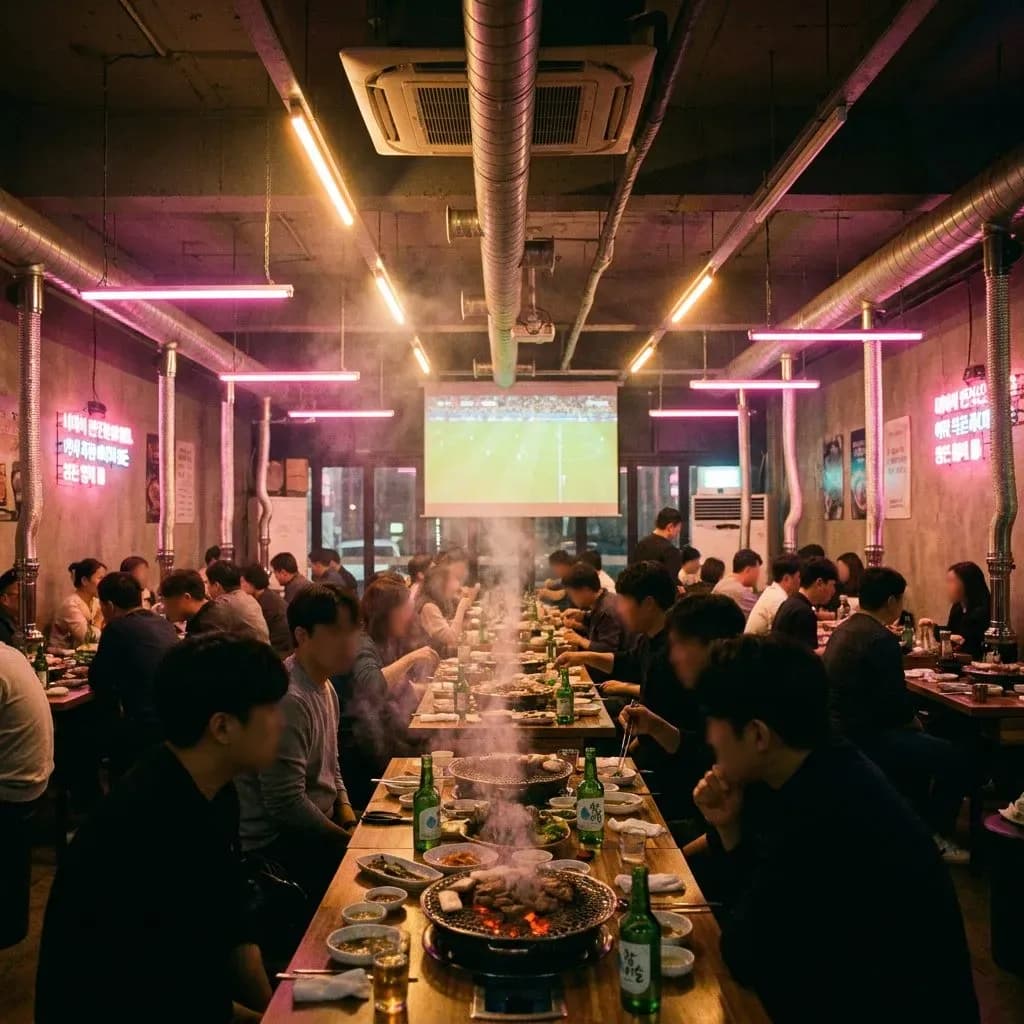
Son Heung-min and South Korea: LA Koreatown's All-Night BBQ-and-Broadcast World Cup Marathon
Experience the electric atmosphere as LA's Koreatown transforms into a vibrant, all-night hub of sizzling barbecue and fervent football fans, uniting for the Taegeuk Warriors.
The pre-dawn hours in Los Angeles’ Koreatown on a World Cup match day are anything but quiet. While much of the city sleeps, a different kind of energy hums along Western Avenue, particularly when South Korea is playing. Forget the familiar hum of traffic; replace it with a growing murmur that will soon crescendo into a roar. For those unfamiliar, the sheer passion for football in this community is staggering, a fervor that makes even a match between, say, South Africa vs. South Korea, a global event. Today, however, is all about the Taegeuk Warriors, and the air already crackles with anticipation, the scent of grilling meat beginning to mingle with the cool morning air.
Western Avenue's Early Morning Inferno
Along Western Avenue, from Olympic Boulevard heading north towards Wilshire, a transformation occurs well before sunrise. The normally bustling commercial strip, lined with Korean supermarkets, cafes, and ubiquitous BBQ establishments, takes on a new avatar. Here, the World Cup isn't just an event; it's a religious observance, particularly when Son Heung-min and the national team are on the pitch. Several of the larger, more established Korean BBQ restaurants – the kind with the built-in tabletop grills and endless banchan – throw open their doors as early as 3 AM to accommodate the Asian time zone kickoff. These aren't just restaurants; they become makeshift stadiums, their interiors bathed in the blue glow of massive flat-screen TVs.
Inside these establishments, the atmosphere is electric even in the dark hours. Families wrapped in team scarves, groups of friends in replica jerseys, and solitary fans clutching thermoses of hot tea fill every seat. The air, thick with the aroma of charcoal-grilled galbi and the faint tang of kimchi, is punctuated by the low thrum of conversations in Korean and English. Wait staff, many of whom are just as invested in the outcome, navigate the packed aisles with expertly balanced trays of soju and makgeolli, the traditional rice wine. The sense of collective anticipation is palpable, a shared experience that transcends the early hour and the distance from the actual World Cup stadium. This is Koreatown’s heart, beating in unison for 90 minutes (plus extra time).
The Local Sports Bar's Different Roar
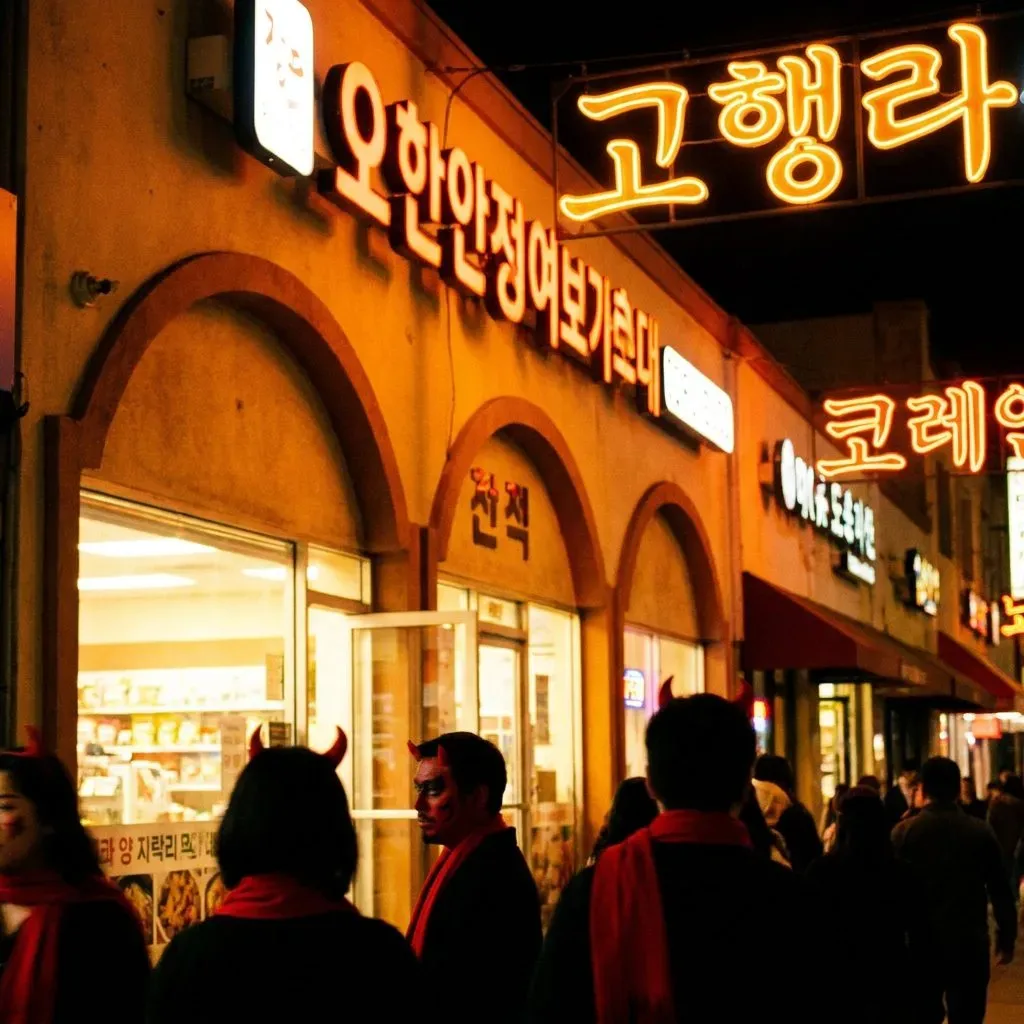
A few blocks west, closer to Vermont Avenue, a different kind of viewing experience unfolds. While the BBQ joints cater to a deeply traditional and often family-oriented crowd, the smaller, more contemporary sports bars and pubs offer a contrasting, though equally fervent, atmosphere. These venues, often with exposed brick interiors and craft beer selections, typically open their doors closer to 5 AM or 6 AM for the later kickoffs, drawing a younger, more diverse crowd. Here, the Red Devils chants might not be as spontaneous or as loud as in the BBQ halls, but they are no less passionate.
The energy in these spots is more akin to a typical European pub on match day, albeit with a distinct Koreatown twist. Patrons might be nursing Korean lagers alongside craft IPAs, and the background music, before kickoff, could transition from K-Pop to a global football anthem. The screens here are often larger, the sound systems more robust, and the focus squarely on the game. While the BBQ restaurants offer a communal feast, these bars provide a more intimate, yet equally intense, viewing experience. The collective anxiety and elation are shared through high-fives and groans, and the sense of camaraderie is strong, even among strangers. It’s a place where the global game truly feels local, a testament to the diverse fabric of Koreatown itself.
What Match Day Actually Looks Like
The rhythm of a World Cup match day in Koreatown is a carefully orchestrated symphony of anticipation and release. Pre-match, the streets are already alive with pockets of fans making their way to their chosen venues. Scarves, flags, and jerseys in the vibrant red of the national team are ubiquitous. The air is charged with nervous excitement, a low hum that grows steadily louder as kickoff approaches. Inside the venues, conversations initially revolve around team lineups, player form, and predictions. The aroma of food intensifies, and the clinking of glasses accompanies the rising chatter.
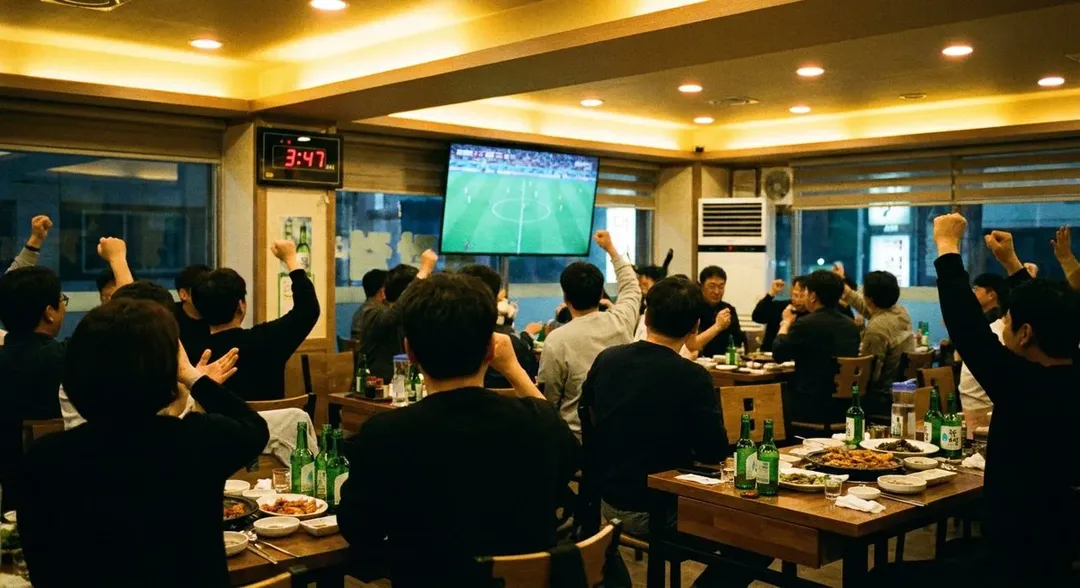
As the referee’s whistle signals the start of the match, an immediate hush falls over the crowd, broken only by the commentator's voice. Every pass, every tackle, every shot on goal is met with a collective gasp or cheer. When Son Heung-min, the beloved captain, touches the ball, a ripple of excitement runs through the room. Goals are met with an explosion of sound – shouts, cheers, table thumping, and the spontaneous eruption of "Daehan Minguk!" chants that echo down the street. The energy is raw, unfiltered, and utterly captivating. Even a near-miss can elicit groans of despair that are almost as loud as the celebrations for a goal.
The Halftime Ritual
Halftime brings a brief but intense flurry of activity. It’s a moment for collective exhaling, for discussing the first half’s highs and lows, and for replenishment. In the BBQ restaurants, platters of freshly grilled meat arrive at tables, accompanied by refills of banchan – kimchi, pickled radishes, seasoned spinach – a comforting array of flavors designed to sustain fans through the second half. Soju bottles are either refilled or replaced, and eager hands reach for chilled glasses. It’s a social intermission, a chance for friends and family to reconnect, to dissect the tactical decisions, and to offer their own expert analysis.
In the sports bars, the break is often characterized by a rush to the restrooms or the bar for another round of drinks. The air fills with excited chatter, often punctuated by replays on smaller screens. It’s a chance to stretch, to vent frustrations, or to revel in a strong performance. Whether it's a quick bite of kimchi pancake or a sip of beer, the halftime ritual is about recharging both body and spirit, preparing for the emotional rollercoaster that the next 45 minutes invariably brings.
After the Final Whistle
The final whistle, regardless of the outcome, elicits a powerful, collective reaction. A victory sees an instantaneous explosion of joy. Red Devils chants erupt with renewed vigor, strangers embrace, and the sheer elation is palpable. The streets outside become a jubilant parade, with cars honking their horns and fans spilling out of establishments, high-fiving passersby. The atmosphere is one of pure, unadulterated triumph, often lasting for hours as celebrations continue with more food, more drinks, and spirited discussions of the match's highlights.
However, a defeat brings a different, more somber, but equally collective, response. A heavy silence descends, followed by sighs and quiet commiserations. Supporters linger, perhaps for another drink, dissecting what went wrong, but always with a sense of shared experience. There’s a palpable sadness, a communal heartbreak, but also a quiet resolve to look forward to the next match, the next World Cup. Even in defeat, the sense of community and shared passion remains strong, a testament to the enduring bond that football forges.
Practical Notes for Visitors
Transit: Koreatown is well-served by public transportation. The Metro B (Red) Line and D (Purple) Line both have stops along Wilshire Boulevard, including Western/Wilshire, putting you right in the heart of the action. Several bus lines also crisscross the neighborhood, making it accessible from almost anywhere in LA. Driving and parking can be challenging, especially during peak World Cup hours, so public transit or ride-sharing is highly recommended.
Timing: For early morning Asian time zone matches, venues like the larger BBQ restaurants on Western Avenue open as early as 3 AM. If you're planning to catch one of these, arrive at least 30-45 minutes before kickoff, especially for significant matches involving South Korea, as prime viewing spots fill up quickly. For later games, arriving an hour before kickoff is a safe bet.
Etiquette: While the atmosphere is raucous and passionate, respect for fellow fans and the establishment staff is key. Chants are welcome, but avoid overly boisterous behavior that disrupts others' viewing experience. And remember, while alcohol flows freely, moderation is always appreciated. Be prepared to share tables in some of the more crowded venues.
Unique Practical Tip: Many of the Korean BBQ restaurants will have special World Cup menus featuring smaller, shareable dishes in addition to their full grill-at-your-table offerings. Don't be afraid to ask for these; they're often perfect for snacking while intensely focused on the match, and they offer a taste of traditional Korean flavors beyond the standard BBQ.
Tags: #FIFAWorldCup2026 #SonHeung-minSouthKorea #Koreatown #LosAngeles #WorldCupNYC #WorldCupWatch #WorldCupFans #FanCulture #WorldCupBracket #MatchDay #SoccerCulture #WorldCupStandings #LocalSportsBar #DiasporaCulture #WorldCupViewing
Sources consulted: fifa.com · timeout.com · espn.com · gothamist.com
All trademarks are the property of their respective owners.
Ask Karpo first
Want to know which Koreatown BBQ spot is opening at 3 AM for the next South Korea match and where the Red Devils crowd gathers on Western Avenue? Ask Karpo for late-night viewing schedules, the best galbi-and-game combos, and real-time Koreatown crowd updates.
Ask Karpo for more information.
Keep reading
- Haaland Has Seven Goals and Norway Runs Entirely Through Him
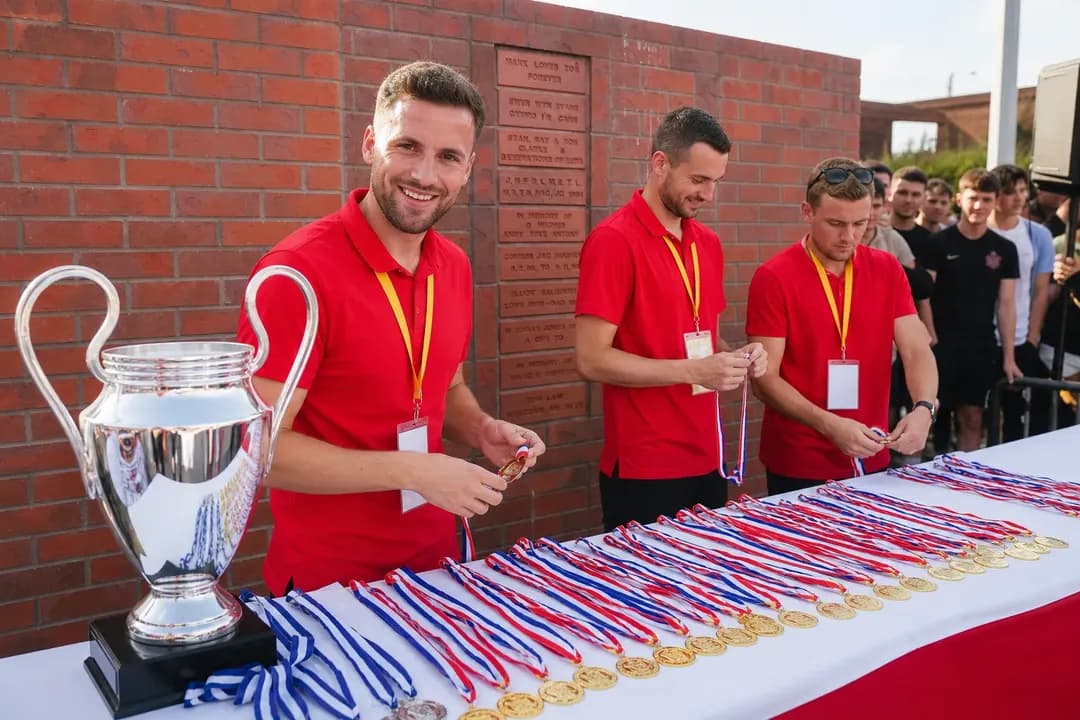 World Cup Trophy Ceremony Timing Medals and Postmatch Celebrations
 Olise and France's Attack: The Semifinal Tactical Question