 Geylang Serai Chendol Dessert Crawl: Market Bowls to Pick
Coffee & Dessert
Tiong Bahru Tea Room Afternoon Picker for Kopitiam Regulars
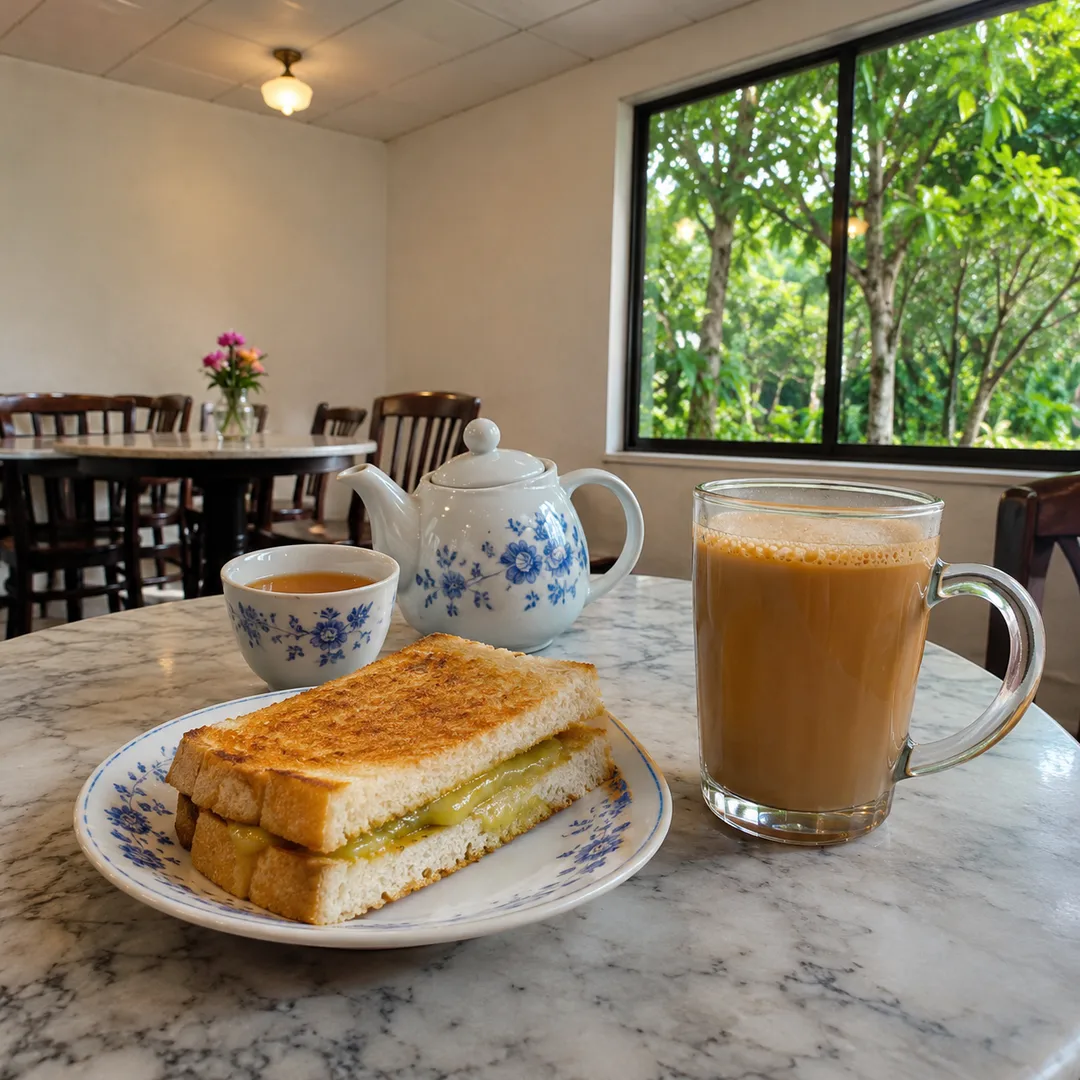
Tiong Bahru is where a kopi and teh regular can try a slow pot in a tea room without losing the kopitiam feel. Here is what to order and how to walk it off.
Tiong Bahru is a good first tea room stop for anyone whose idea of an afternoon drink is a glass of teh from the uncle at the market. The estate still has one of the city's most loved hawker centres, and the coffee shops around it pour teh and kopi the old way, through a cloth sock into thick glasses. Over the last decade small cafés and tea rooms have opened in the same Art Deco blocks, serving tea in pots rather than glasses. You can move between both worlds in a single afternoon, and comparing them is the most fun way to learn what you actually like about tea.
An Estate Built for Slow Afternoons
Tiong Bahru was one of the first public housing estates in Singapore, planned before the war with low-rise flats in a streamlined style. The blocks have rounded corners, ribbon windows, back lanes and spiral staircases that make them instantly recognisable. Over the years the residents aged with the buildings, and many of them still sit in the same coffee shops every afternoon. That long continuity gives the estate a calm, neighbourly rhythm that is rare in a city that rebuilds so often.
The newer cafés and tea rooms slotted into ground floor units without changing that rhythm much. You still hear birds from the trees between the blocks, you still see residents carrying shopping bags home from the market, and many of the tea rooms keep the old shopfront proportions. For a kopitiam regular, that matters. You are not stepping into a mall. You are sitting in the same streets where you already know how to order, just with a different cup.
Start With the Drink You Already Know
Begin at a coffee shop or the hawker centre with your usual order. Teh is black tea brewed strong, pulled or poured through a cloth strainer, and finished with condensed milk. Teh si comes with evaporated milk and sugar, teh o is black with sugar, and kosong means no sugar at all. Pay attention to what you like about it. Is it the strength, the creaminess, the sweetness or the slight smokiness of the tea dust? That answer will guide your order in the tea room.
Drink it slowly at the table, the way the regulars do, rather than taking it away in a plastic bag. Watch the stall: the tall pot of tea simmering, the long pours from a height, the speed of the hands. That ritual is just as careful as any tea room, it simply moves faster. Keep the glass small if you plan to visit a tea room afterwards, or share one with a friend. Two strong sweet drinks back to back can be a lot in the heat.
Translating Your Order Into a Pot
Walking into a tea room, you might feel lost among dozens of names. Use your kopitiam order as a map. If you love strong teh with milk, ask for a robust black tea such as an Assam or a breakfast blend, served with milk on the side. It will taste familiar but cleaner, because you control the milk and sugar yourself. Many people discover that they enjoy it with far less sweetness than a market glass.
If you usually drink teh o kosong, black with no sugar, try a roasted oolong. It has the toasty depth you know, but it keeps changing over several steeps. If you like the light, fragrant side of tea, ask for a jasmine green or a lightly oxidised oolong. Tell the staff what you drink at the market; tea people are usually delighted by the question and will often suggest something close. Skip the long list of fruit infusions on a first visit. They are pleasant, but they will not teach you much about tea.
What to Eat Alongside
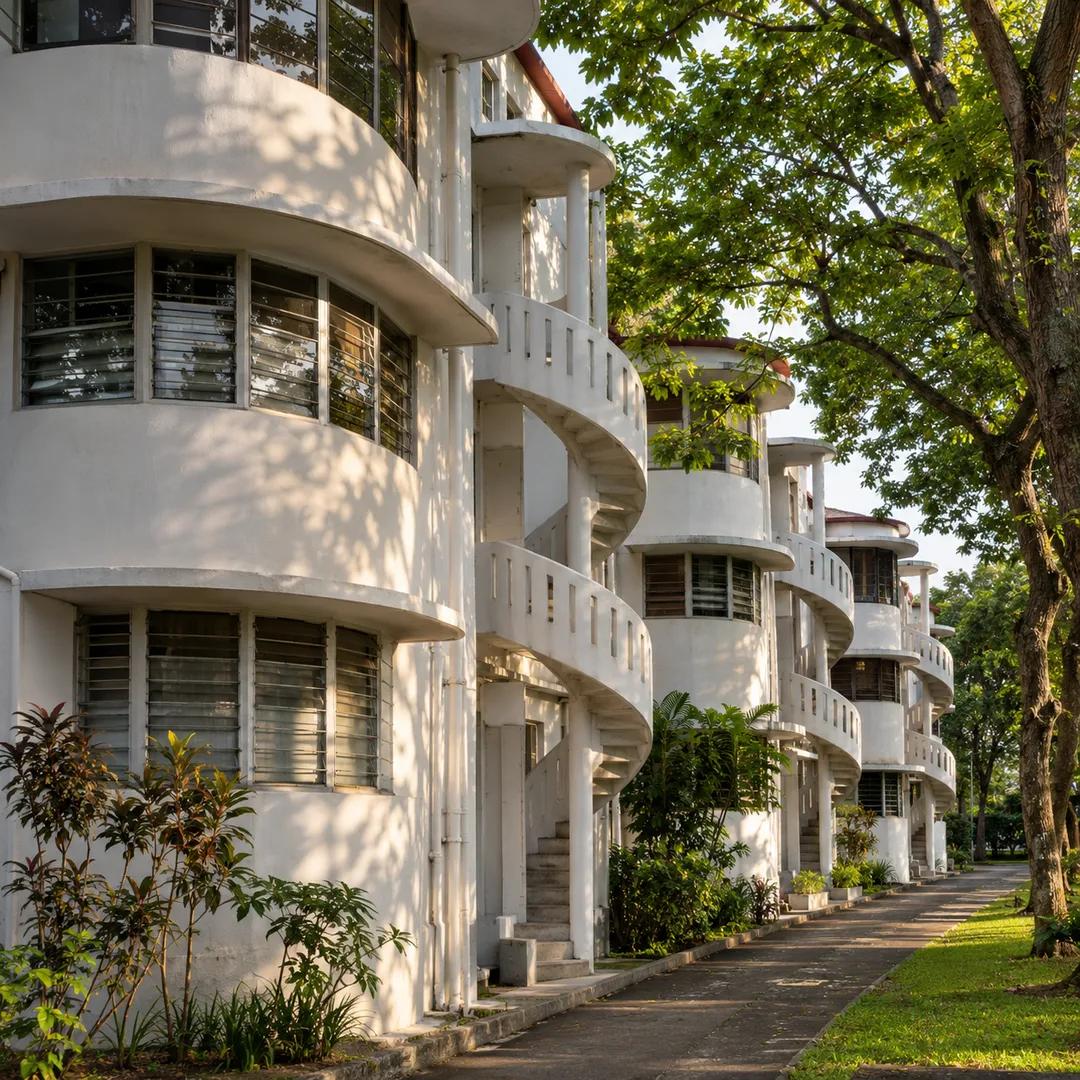
Food is part of the comparison. Kaya toast with soft boiled eggs is the classic partner to a market teh, and many tea rooms in the area serve their own version alongside cakes and pastries. Try the same pairing with a pot: kaya with a malty black tea is a lovely match, the butter and coconut softening the tannins. Pandan cake works with jasmine, and a slice of something buttery pairs well with a roasted oolong.
If you want a fuller snack, the hawker centre has plenty of options for a mid-afternoon bite, from chwee kueh to pau. Eat at the market, then walk over to the tea room for a sit-down pot as a kind of dessert course. That way you get the best of both: local food at its source and a quiet seat for the tea. Avoid stacking heavy food on both stops, or the afternoon turns into a nap.
Walking the Art Deco Blocks Between Stops
The walk between the market and the tea rooms is half the reason to come. Loop through the lanes around Eng Hoon Street, Moh Guan Terrace and Yong Siak Street to see the rounded balconies, the long horizontal lines of the windows and the spiral staircases at the back of the blocks. Look up at the curved corners, where the flats wrap around the street. In the late afternoon the low sun picks out the lines of the facades, and the shade from the trees makes the walk bearable.
Remember that these are homes. Keep your voice down in the back lanes, do not climb the spiral stairs for photos, and do not peer into windows. The old birdsinging corner, where residents once hung their bird cages, is a reminder of how social this estate has always been. A slow lap of twenty or thirty minutes is enough to feel the place before you sit down again with a second pot or head home.
Timing Your Visit
Mornings belong to the market. The hawker centre is at its busiest early, when residents do their shopping and eat breakfast, and some stalls sell out before lunch. Tea rooms are calmer later in the day, which makes a late morning or early afternoon start ideal: teh at the market, a walk through the blocks, then a pot of tea while the estate is quiet. Weekends bring more visitors, especially for brunch, so weekdays are better if you want a seat without waiting.
If the tea room you wanted has a queue, do not stand outside in the sun. Open Karpo APP and look for another tea spot nearby, as there are several within a few minutes' walk. Or go back to the coffee shop for a second round of teh and try again later. On rainy afternoons, the covered walkways along the blocks keep you mostly dry, and a pot of tea while the rain falls on the trees is one of the estate's quieter pleasures.
Who You Will See
Tiong Bahru afternoons mix generations. Retired residents sit at the coffee shop tables, sometimes for hours, reading the paper or chatting with friends. Young families pass with strollers, freelancers work quietly in the cafés, and visitors photograph the facades. In the tea rooms you are likely to see a mix of locals who have grown curious about tea and visitors who wandered in from a walking tour. Few of them are tea experts, which makes it a relaxed place to learn.
If you bring an older family member who has drunk teh all their life, let them lead at the market and you lead in the tea room. The comparison often sparks good conversations about how tea was made at home, which brands people grew up with, and how the estate has changed. It is a gentle way to share an afternoon across generations, built around a drink both of you already love.
Practical Notes for Your Afternoon
Bring a small bag and comfortable shoes, since you will walk between the market, the tea rooms and the blocks. Carry water and sun protection for the walk, and a light layer for the air conditioning inside. At the market, follow the local rules: a packet of tissues on a seat means it is reserved, and you return your tray when you finish. In the tea rooms, ask about refills of hot water before you order a second pot.
Keep a short note of what you tried and what you liked, especially the tea names, so you can find them again. Save the tea rooms you enjoyed in Karpo APP and come back to work through the menu one pot at a time. Over a few visits you will know whether you are really a teh person, a pot person, or, like many people in Tiong Bahru, happily both.
Ask Karpo for more information.
Keep reading
- Geylang Serai Chendol Dessert Crawl: Market Bowls to Pick
 Katong Chendol Dessert Crawl: Peranakan Bowls Worth a Walk
 Chinatown Chendol Dessert Crawl: Hawker Rows and Tea Lanes