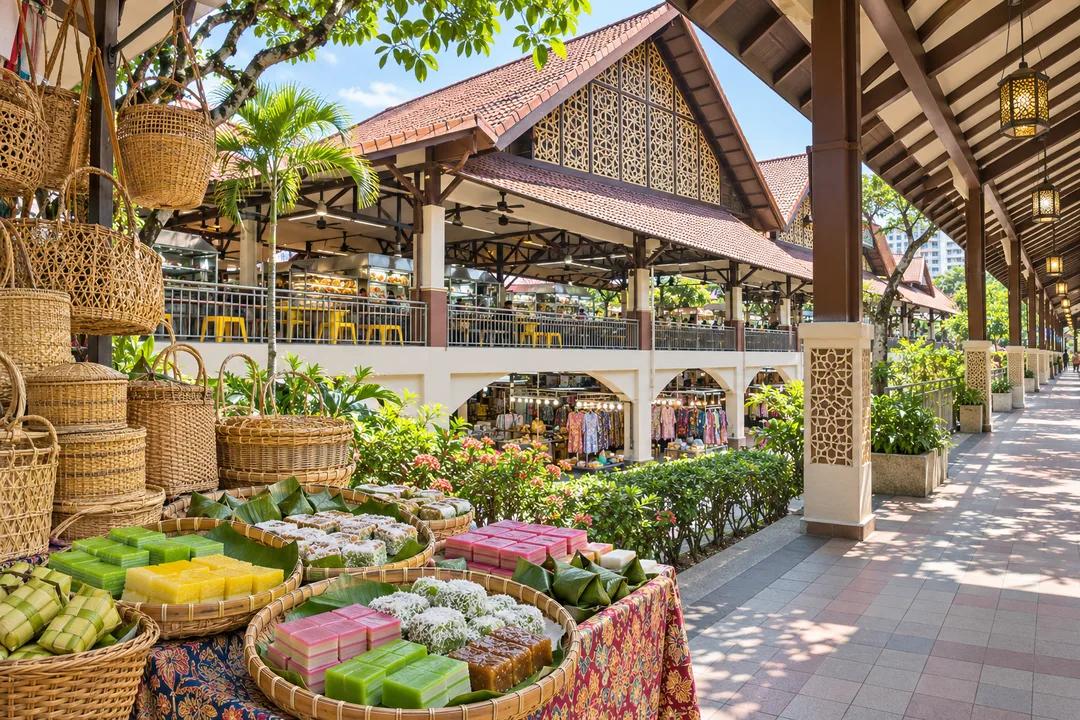
 Geylang Serai Chendol Dessert Crawl: Market Bowls to Pick
Coffee & Dessert
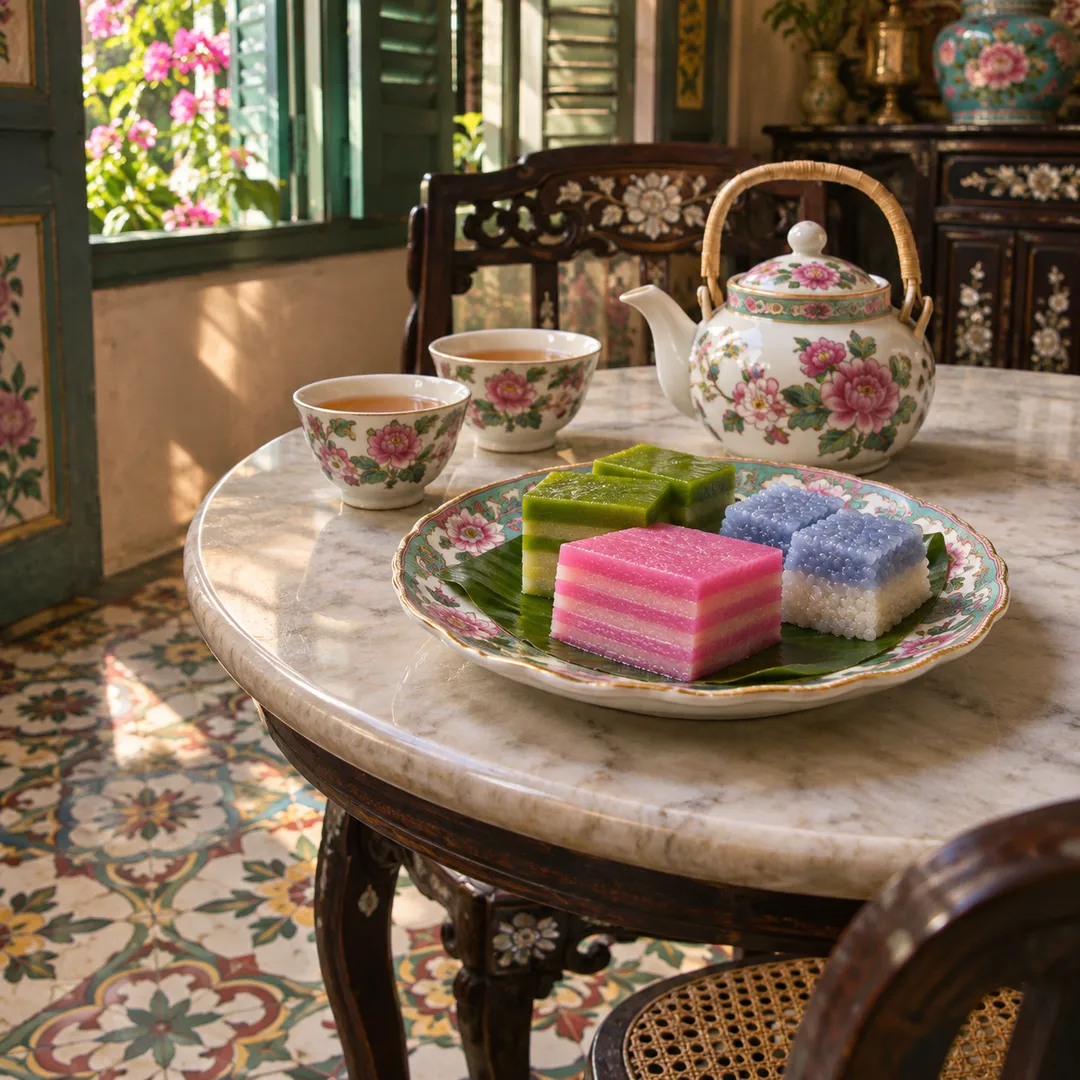
Joo Chiat Tea Room Afternoon Picker for Kueh and Photos
Joo Chiat rewards a slow afternoon: photograph the pastel Peranakan terraces in soft light, then settle into a tea room for nyonya kueh and a warm pot.
Joo Chiat is the part of Singapore that looks like it was decorated by someone who loved colour and refused to apologise for it. Peranakan terrace houses in mint, coral and butter yellow, ornate plaster swags, glazed tiles and carved timber doors line the side streets, and the bakeries along the main road still turn out trays of layered kueh in every shade. This tea room afternoon picker is built around two pleasures that belong together here: a camera walk through the terraces, then a long sit over tea and sweets.
Why Joo Chiat Belongs on a Slow Afternoon
Joo Chiat grew up as a Peranakan and Eurasian neighbourhood on the eastern side of the island, and you can still feel that mixed heritage in its food and its architecture. The main road is busy with eateries and bakeries, but step one block away and the side streets go quiet, lined with terraces whose facades look like they were designed for a postcard. It is not a district for rushing through. Its charm is in the details.
That makes it ideal for an afternoon built around tea. Instead of chasing a long list of sights, you spend an hour noticing tiles, doors and window shutters, then reward yourself with a table, a pot and a plate of kueh. The two halves feed each other. The colours you photographed outside show up again on your plate, and the stories you heard about the neighbourhood give the tea a sense of place.
A Camera Walk Through the Terraces
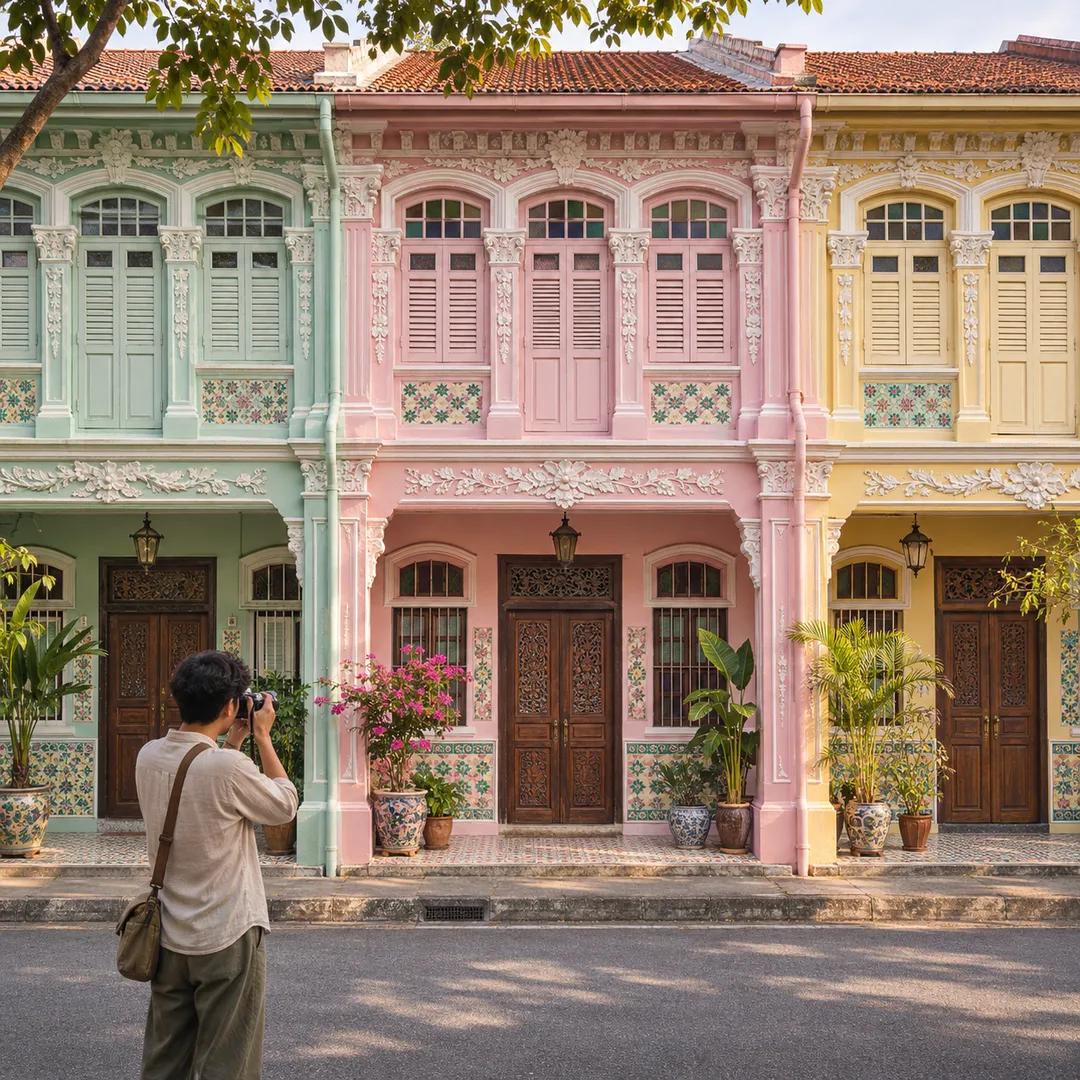
Begin in the side streets around Koon Seng Road, where the best-known rows of restored terraces stand shoulder to shoulder in pastel shades. Go in the mid afternoon rather than at midday, when the sun is harsh and flattens the colours. As the light drops lower, the plaster reliefs and tiled panels pick up soft shadows and the facades look almost three-dimensional.
These are real homes, so photograph from the street and five-foot way rather than stepping onto steps or into gardens. Look for small things: a painted tile with a phoenix or peony motif, a pair of swing doors with carved panels, a row of potted plants that someone clearly fusses over every morning. A close-up of a single tile often says more about Joo Chiat than a wide shot of the whole row.
Wander a few more side streets after the famous ones. Many lanes have equally lovely houses with far fewer photographers, and the walk gently loops you back toward the main road, where the tea rooms and kueh counters are waiting.
Kueh: The Real Reason to Come Hungry
Nyonya kueh are small, bright, often sticky cakes made with ingredients like glutinous rice, coconut, palm sugar and pandan. Some are layered in stripes of colour, some are rolled and filled, some are steamed into soft little cups. Every family seems to have a favourite, and in Joo Chiat you will find plenty of places that take them seriously.
For a tea afternoon, choose a mix of textures. Something layered and springy, something filled with sweet coconut and gula melaka, and something with a savoury edge if you can find it. Kueh are sweet but not heavy, so three or four between two people is usually right. Watch how locals eat them, slowly and in small bites, often alongside conversation rather than as a dessert to finish quickly.
Picking the Tea That Matches the Sweets
Rich, coconut-heavy kueh pair beautifully with teas that cut through sweetness. A light oolong, a jasmine green tea or a clean black tea all work well, because they refresh the palate between bites. If the tea room offers a floral tea, try it alongside the pandan-flavoured cakes. The fragrances complement each other in a way that feels very local.
Some of the Joo Chiat tea spots lean toward a modern cafe style, with pots of loose-leaf tea, others feel more like a traditional kopitiam with strong, milky teh poured into thick cups. Both are worth trying. A good plan is to sample kueh with a lighter loose-leaf tea first, then finish with a cup of teh for that familiar condensed-milk comfort.
Finding the Right Seat and the Right Mood
Many Joo Chiat tea rooms are set inside shophouses, with patterned floor tiles, marble-topped tables and old wooden chairs. Try to sit near the front, where the light from the street falls across the table. It makes the kueh glow, and you can keep an eye on the slow life of the main road outside.
You will often share the room with an interesting crowd: an aunty buying boxes of kueh for a family gathering, a young couple comparing photos from their walk, a retired gentleman reading the newspaper over his teh. The pace is relaxed, and staff are generally happy to explain the different kueh if you ask with genuine curiosity. Pointing and asking what something is called is a perfectly good way to start a conversation.
Making It a Proper Afternoon With Friends or Family
Joo Chiat works especially well for a small group with mixed interests. Photographers can take the lead on the walk, food lovers can choose the kueh, and anyone who just wants to sit gets a long, unhurried break at the tea table. It is also a gentle outing for older family members, because the walking is flat and short, and there is always somewhere to pause.
If you are bringing visitors from abroad, this is a good way to introduce them to Peranakan culture without turning the day into a lecture. Let them choose kueh by colour, tell them the little you know about the terraces, and let the neighbourhood do the rest. Many people leave with a box of kueh to take home, which is a lovely way to stretch the afternoon into the evening.
Extending the Walk Into Katong
Joo Chiat flows naturally into Katong, so if you still have energy after tea, keep walking toward East Coast Road. Along the way you will see more shophouses, small bakeries, old-school provision shops and the occasional antique store. It is an easy, flat stroll that lets the sweets settle and gives you a second look at the neighbourhood in the late light.
As evening comes, the main roads fill with diners heading for laksa and other local dishes. You can join them, or simply watch the street lights come on over the pastel facades before heading home with your photos and your box of kueh.
How Karpo APP Helps You Plan a Joo Chiat Tea Afternoon
Planning a walk and a tea stop together is easier with a little help. Tell Karpo APP that you want a photo walk through the Joo Chiat terraces followed by a relaxed tea room with good kueh, and it can suggest places that match the mood, along with a walking order that brings you to the table at the right time.
You can also ask Karpo APP for options that suit your group: a quiet room for two, a family-friendly spot with space for a stroller, or a more traditional kopitiam for teh and kueh. Save a few ideas before you go, and you will spend the afternoon noticing colours instead of scrolling for the next stop.
Ask Karpo for more information.
Keep reading
- Geylang Serai Chendol Dessert Crawl: Market Bowls to Pick
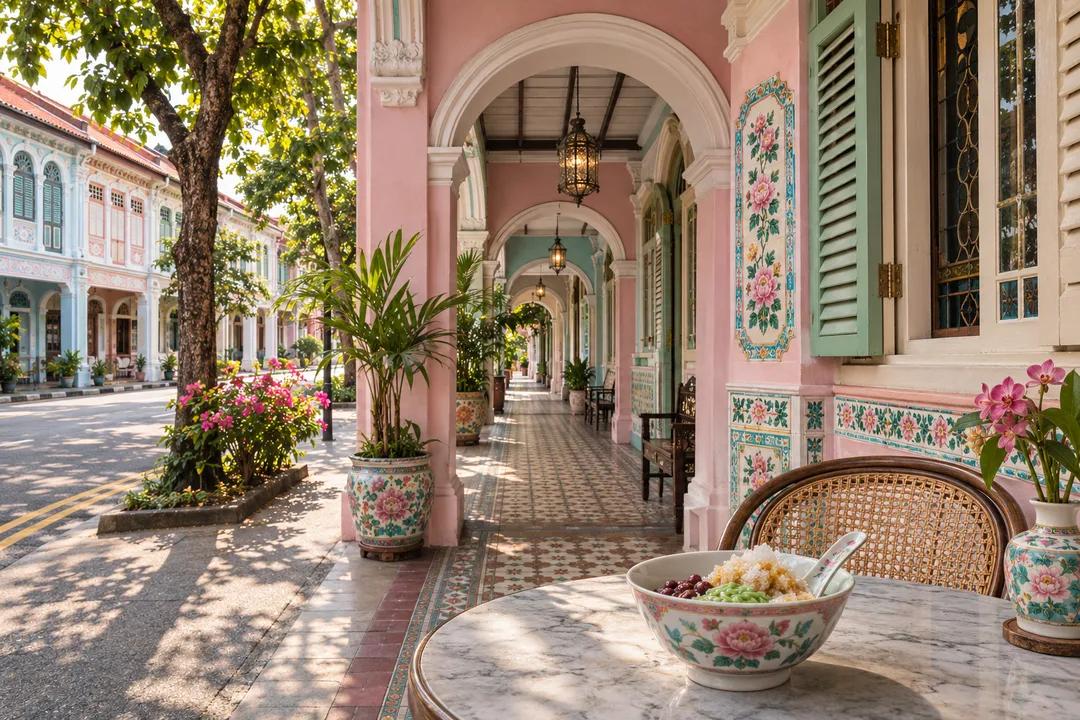 Katong Chendol Dessert Crawl: Peranakan Bowls Worth a Walk
 Chinatown Chendol Dessert Crawl: Hawker Rows and Tea Lanes