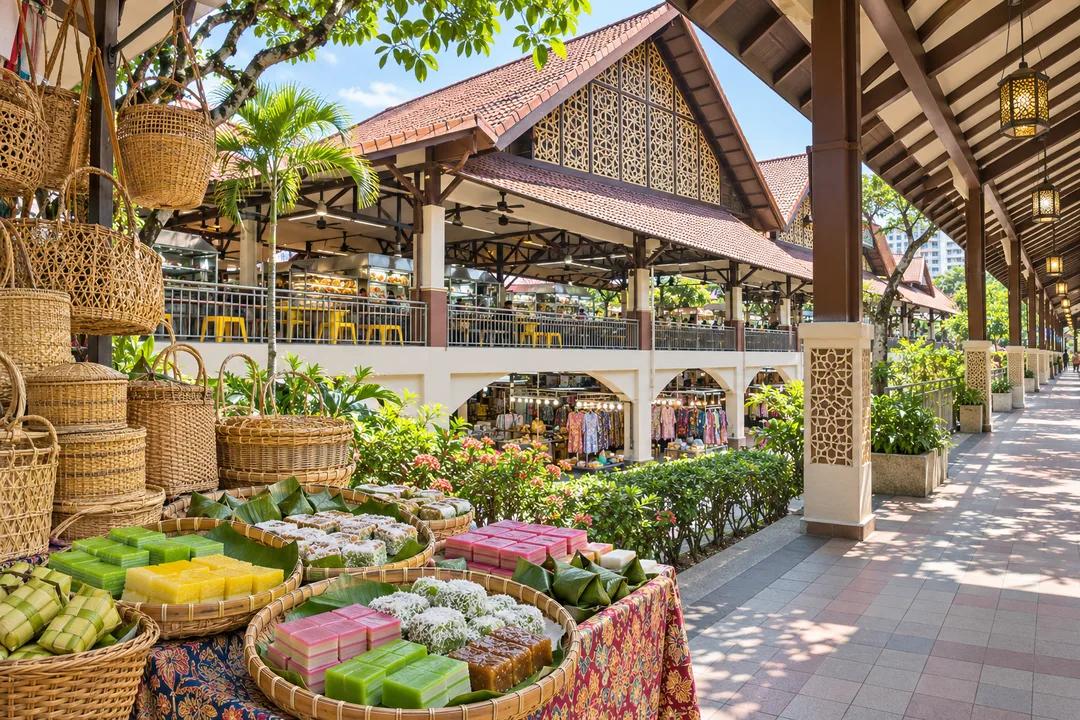
 Geylang Serai Chendol Dessert Crawl: Market Bowls to Pick
Coffee & Dessert
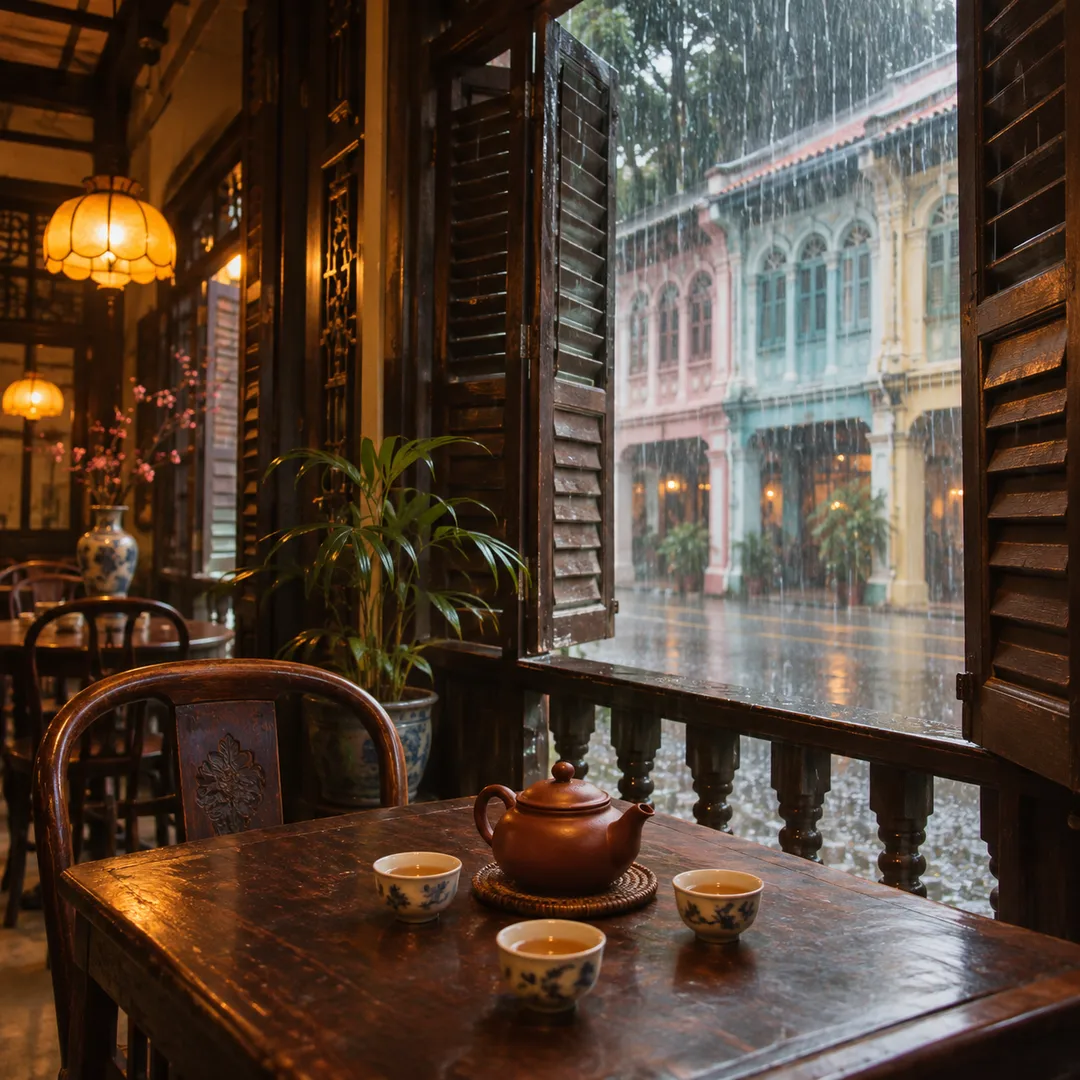
Chinatown Tea Room Afternoon Picker for a Monsoon Rainy Day
Rain over Chinatown is the perfect excuse for a slow pot of tea. Walk the covered five-foot ways to a shophouse tea room and let the storm set the pace.
Every November the weather in Singapore changes its habits. The mornings stay bright, then somewhere after lunch the sky over Chinatown goes the colour of slate, the wind picks up the smell of wet earth, and a heavy downpour hammers the clay roof tiles for an hour or two. Most visitors run for a mall. This tea room afternoon picker suggests something better: stay in the old streets, walk under the covered shophouse arcades, and wait out the storm over a small pot of dark tea while the gutters roar outside.
Why Rain Suits Chinatown Better Than Sunshine
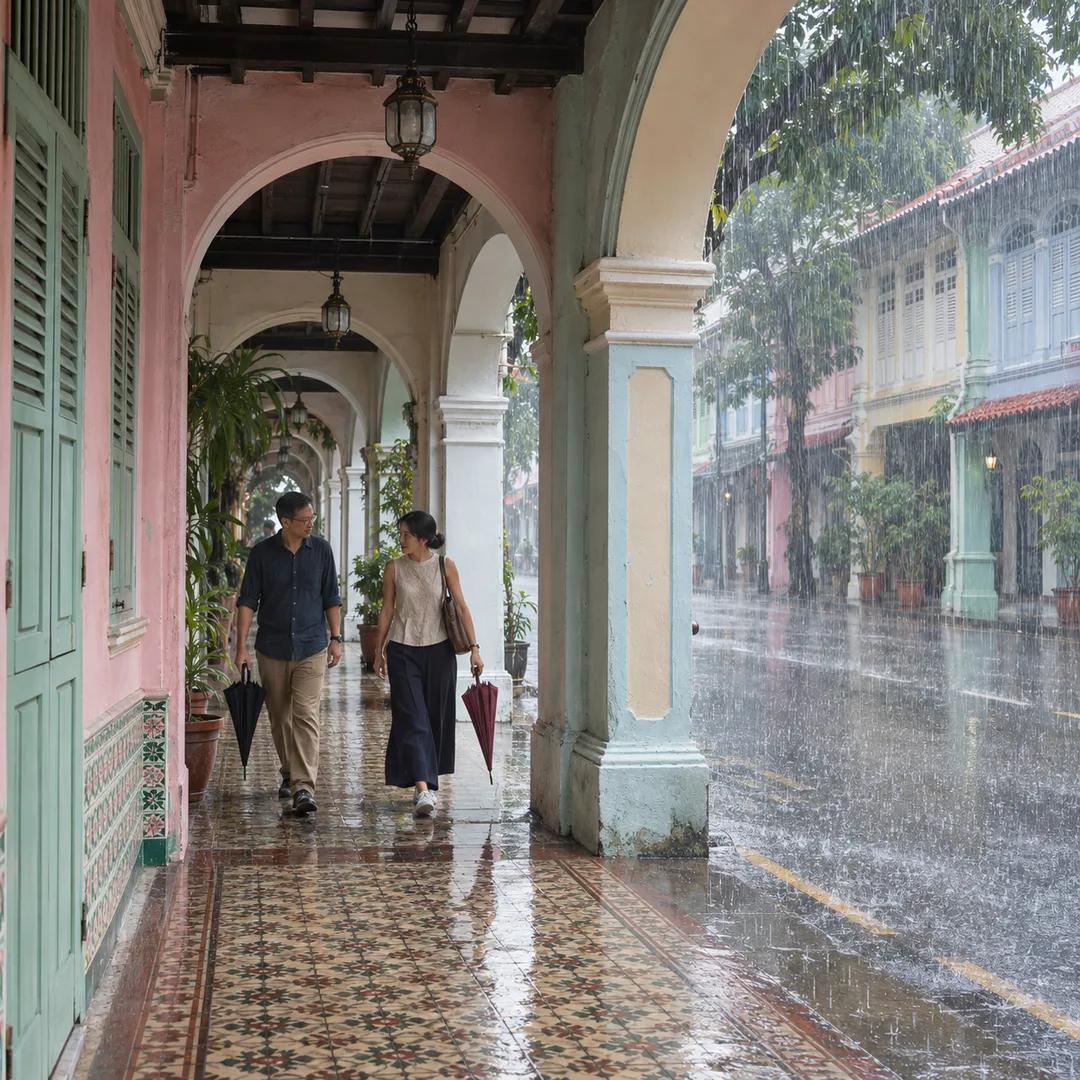
Chinatown was built for this weather long before air conditioning existed. The rows of shophouses have deep, covered walkways along their fronts, the five-foot ways, so that people could move from shop to shop without stepping into the sun or the rain. When a storm comes in, the whole district quietly becomes one long sheltered corridor. You can walk for a surprisingly long way past old medicine halls, clan association doorways and pastry counters while the street itself turns into a shallow river.
The tea rooms in these shophouses make the most sense on exactly these afternoons. High ceilings, timber shutters and tiled floors keep the rooms cool, and the sound of rain on the roof turns the space into something close to a listening room. A tea session that would feel slow on a bright day feels just right when there is nowhere else you would rather be. Locals know this. On the wettest days you will often see older regulars who timed their visit to the forecast.
Reading the Sky and Timing Your Walk
The rhythm of a monsoon afternoon is fairly predictable. Clouds build through the early afternoon, the first fat drops land, and then the real downpour arrives all at once. If you are already near Chinatown, use the gathering clouds as your signal to start walking toward the tea streets rather than away from them. The goal is to be seated, shoes dry, when the heaviest rain begins.
Keep your route under cover. The arcades along the old streets connect well enough that you only need short dashes across junctions. Carry a compact umbrella for those crossings, wear sandals or shoes you do not mind getting damp, and leave the big shopping bags for another day. A light layer helps too, because the moment the rain starts the temperature drops and a breezy tea room with open shutters can feel almost cool.
Choosing Between a Quiet Tea House and a Busy Counter
Chinatown offers two very different kinds of tea afternoon, and the rain makes the choice clearer. The first is the traditional tea house: a calm upstairs room or a long shophouse hall with wooden tables, a kettle at your elbow, and a staff member who will show you how to brew in small pours. This is the right pick if you want to sit for an hour or more and let the conversation drift.
The second is a lively counter or tea shop where people drop in for a cup, a few pastries and a quick look at the tins on the shelves. These places are fun when you are with friends who get restless, and they make a good first stop while you decide whether the storm will last. A sensible plan on a heavy day is to start at a counter, watch the rain thicken, and then move upstairs to a quieter room once you know you are staying.
Dark Teas That Match a Grey Afternoon
Cool, wet weather calls for teas with depth. Aged pu-erh, with its earthy, woody notes, is a classic choice in Chinatown tea rooms and seems to warm the room as much as it warms you. Roasted oolongs such as a dark Tieguanyin or a rock oolong bring toasty, mineral flavours that stand up well to the smell of rain. If you are new to Chinese tea, ask for something roasted rather than grassy, and the staff will usually steer you well.
Brewing is part of the pleasure. Small pots, short steeps and many rounds mean the flavour changes as the afternoon goes on. The first cups are bright and sharp, the middle ones round and sweet, the last ones soft and a little hollow. Pay attention to that arc and you have the shape of the whole afternoon in a pot. When the rain eases, you will often find your tea easing at the same moment.
Small Plates to Share While the Storm Passes
Tea rooms in Chinatown tend to serve snacks that suit long sitting: roasted melon seeds, dried and salted plums, small flaky pastries, peanut candy and sometimes delicate steamed buns. None of it is heavy, which is the point. You nibble between pours and the table slowly fills with shells and crumbs while the conversation stretches out.
If the weather keeps you longer than planned, the hawker centres nearby are an easy covered walk away for a bowl of something hot once the tea is finished. Many people like to end a stormy session with a simple bowl of noodles or porridge. It completes the comfort of the afternoon and gives the streets time to drain before you head anywhere else.
Who You Will Share the Room With
Part of what makes these rooms special is the company. On a rainy weekday you may sit near a pair of retirees who have been meeting over the same type of tea for years, a student with a sketchbook drawing the window shutters, and a small family introducing a visiting relative to gongfu brewing. Nobody hurries anyone. The unspoken rule is that a table with a full kettle is still an active table, even if the people at it have gone quiet.
Be a good guest by keeping your voice low, letting staff top up the hot water rather than reaching across, and tapping two fingers on the table when someone pours for you, a small thank-you gesture many locals still use. If you want to linger after the rain stops, simply order another small pot. It is the polite way to keep your seat and a good excuse to try a second tea.
After the Rain: A Short Walk Through Washed Streets
When the storm finally moves on, Chinatown looks freshly painted. The pastel shophouse facades glow, the temple roofs drip, and the air is cooler than it has been all day. This is a lovely time to walk up the gentle slopes around Ann Siang Hill and Club Street, where the lanes are quiet and the light catches on wet tiles and timber shutters.
From there you can continue toward the old temples on the edge of the district, step into a courtyard for a few quiet minutes, or simply drift back through the arcades you used on the way in, now steaming slightly as the sun returns. The contrast between the noisy storm and the soft, washed calm afterward is the real reward of a rainy tea afternoon.
How Karpo APP Helps You Plan a Rainy Tea Afternoon
Rainy afternoons are easier to enjoy when you are not making decisions under a dripping umbrella. Tell Karpo APP that you are near Chinatown, that rain is coming, and that you want a calm tea room where you can sit for an hour, and it will suggest places that match the mood, along with a sheltered walking route that keeps you under the arcades as much as possible.
You can also ask Karpo APP for ideas that fit your group: a quiet upstairs room for two, a livelier counter for friends, or a tea house that welcomes beginners who have never brewed gongfu style. Save a couple of options before you set out, and when the sky darkens you will already know exactly where you are heading.
Ask Karpo for more information.
Keep reading
- Geylang Serai Chendol Dessert Crawl: Market Bowls to Pick
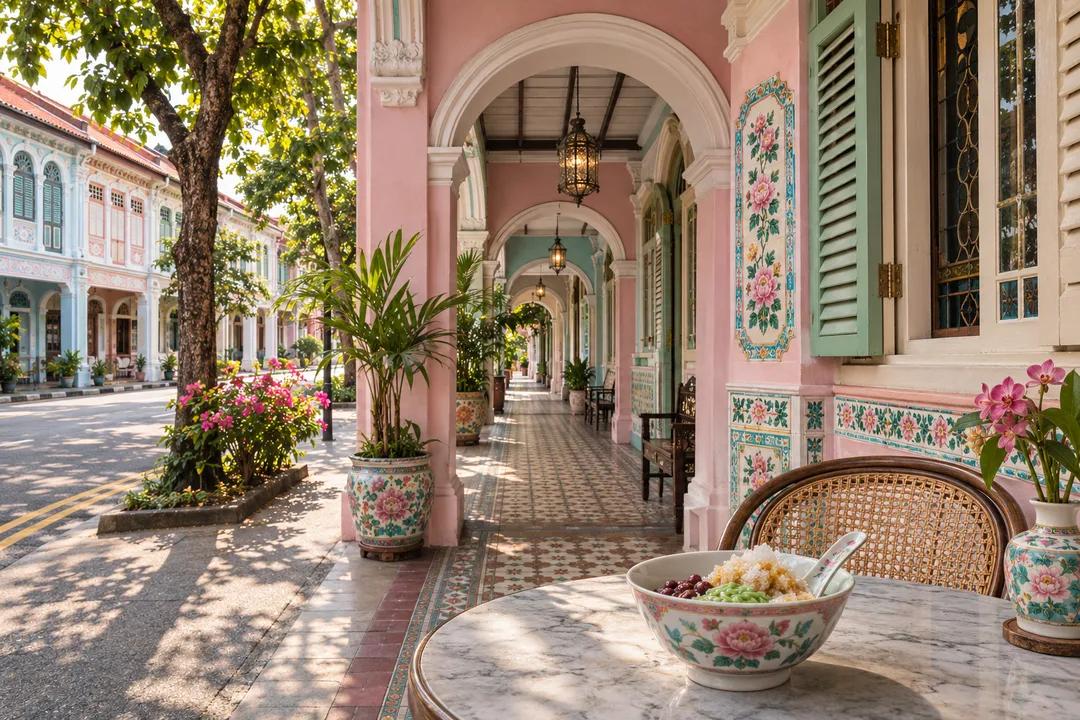 Katong Chendol Dessert Crawl: Peranakan Bowls Worth a Walk
 Chinatown Chendol Dessert Crawl: Hawker Rows and Tea Lanes