 Geylang Serai Chendol Dessert Crawl: Market Bowls to Pick
Coffee & Dessert
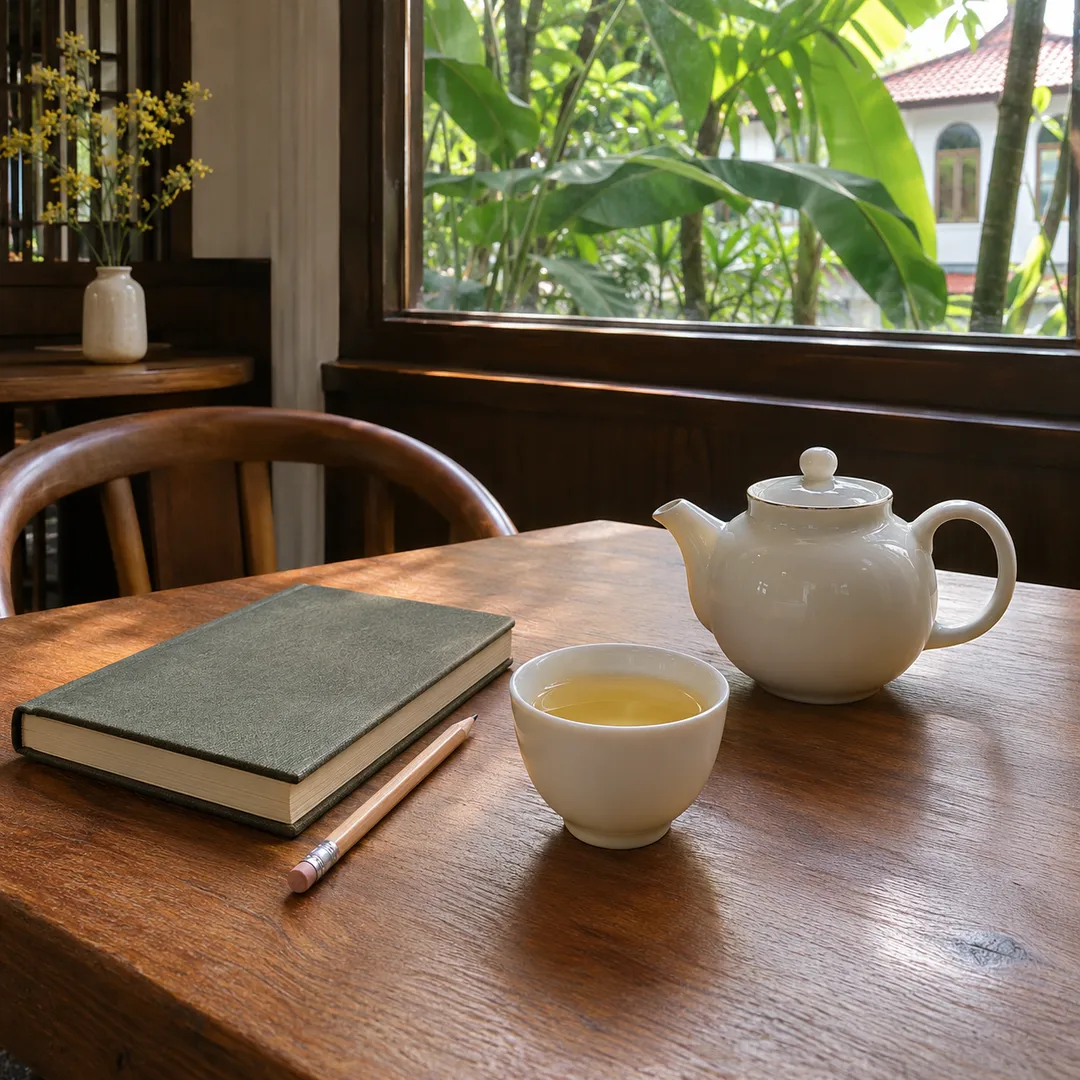
Bugis Tea Room Afternoon Picker for a Library Study Break
Bugis is the place for a quiet tea room break after hours of reading near Victoria Street. Here is how to pick the pot, the seat and the walk back to work.
A tea room in Bugis is the right fix when your eyes have gone blurry after three hours of reading at the library desks on Victoria Street. Students, thesis writers and people cramming for a certification exam all end up in this part of town, because the reading rooms, the art schools and the old Bras Basah bookshops sit within a short walk of each other. Coffee is the default break, but by mid afternoon a fourth flat white tends to make the next chapter harder, not easier. A slow pot of tea gives you caffeine without the spike, a reason to put the phone face down, and forty minutes that feel longer than they are.
Why Bugis Works for a Reader's Tea Break
Bugis is a crossroads. The tall glass of the library faces the low shophouses, the art school students carry portfolio cases past temple worshippers holding joss sticks, and the shopping malls hum along on the other side of the road. That mix is useful when you study. You can step out of a silent reading room, walk five minutes and be somewhere with a little noise and a lot of character, which is often exactly what a tired brain needs before it can concentrate again.
The tea rooms and tea counters scattered around Bugis and the edge of Kampong Glam suit this pattern. Some lean toward Chinese tea served in small pots that you refill with hot water, others pour Western style blends with milk and a slice of cake, and a few are simply quiet cafés that happen to take their tea seriously. For a study break you want the first two types. A pot that lasts, a seat where nobody rushes you, and a menu short enough that choosing does not use up the energy you need for chapter nine.
Picking the Pot for the Work Ahead
Match the tea to what is left on your list. If you still have an afternoon of dense reading, choose a lightly roasted oolong or a green tea. They carry enough caffeine to keep you sharp but come on gently, and an oolong can be steeped several times, so one pot carries you through a long sit. Ask for it to be brewed lighter if the leaves look generous, because a bitter second cup is a common way to end up ordering coffee anyway.
If the reading is done and you are switching to writing or revision, a darker roasted oolong or an aged pu'er feels more grounding. These teas are rounder and less bright, which suits the mood of shaping notes into something finished. Save floral jasmine or fruit blends for the very end of the day, when you have closed the laptop and the tea is a reward rather than a tool. Skip the iced sweet options entirely on a study day. They are pleasant in the heat, but the sugar crash arrives right when you sit back down.
Where to Sit and How Long to Stay
Walk in and look for a corner seat with a wall behind you. Readers who settle in the middle of a room keep glancing up every time the door opens. A window seat is lovely, but in the late afternoon the sun over Bugis can be fierce through the glass, so check which way the room faces before you commit. If the tea room has a counter where the staff brew in front of you, sitting there can be calming in itself, because the slow movements of pouring and rinsing give your eyes something other than text to rest on.
Give the break a shape. Forty to fifty minutes is a good target: the first cup with the phone away, the second cup with a single page of notes in front of you, and the third with nothing at all. Bring a paper notebook rather than a laptop. Many tea rooms do not love laptops on small tables, and even where they are allowed, the screen pulls you back into work mode. If you need to keep reading, bring the printed chapter and a pencil so the break still feels different from the desk.
Manners for a Quiet Room
Tea rooms around here are often small, and the regulars come for calm. Keep calls outside, keep your voice low, and if you are with a study partner, save the heated argument about the exam syllabus for the walk back. When the staff bring hot water to refill your pot, a nod or a quiet thank you is enough. If you want more water, the usual signal in a Chinese style tea room is to leave the lid of the pot slightly open or tilted, rather than calling across the room.
Order something to eat if you are staying more than half an hour. A plate of small cakes, a bowl of peanut soup or a few dumplings keeps your blood sugar steady and is the polite way to occupy a seat for a while. If the room starts to fill up and people are waiting at the door, finish the pot and move on. The point of the break is calm, and staying past the welcome undoes it for everyone.
A Temple Lane Loop Between Cups
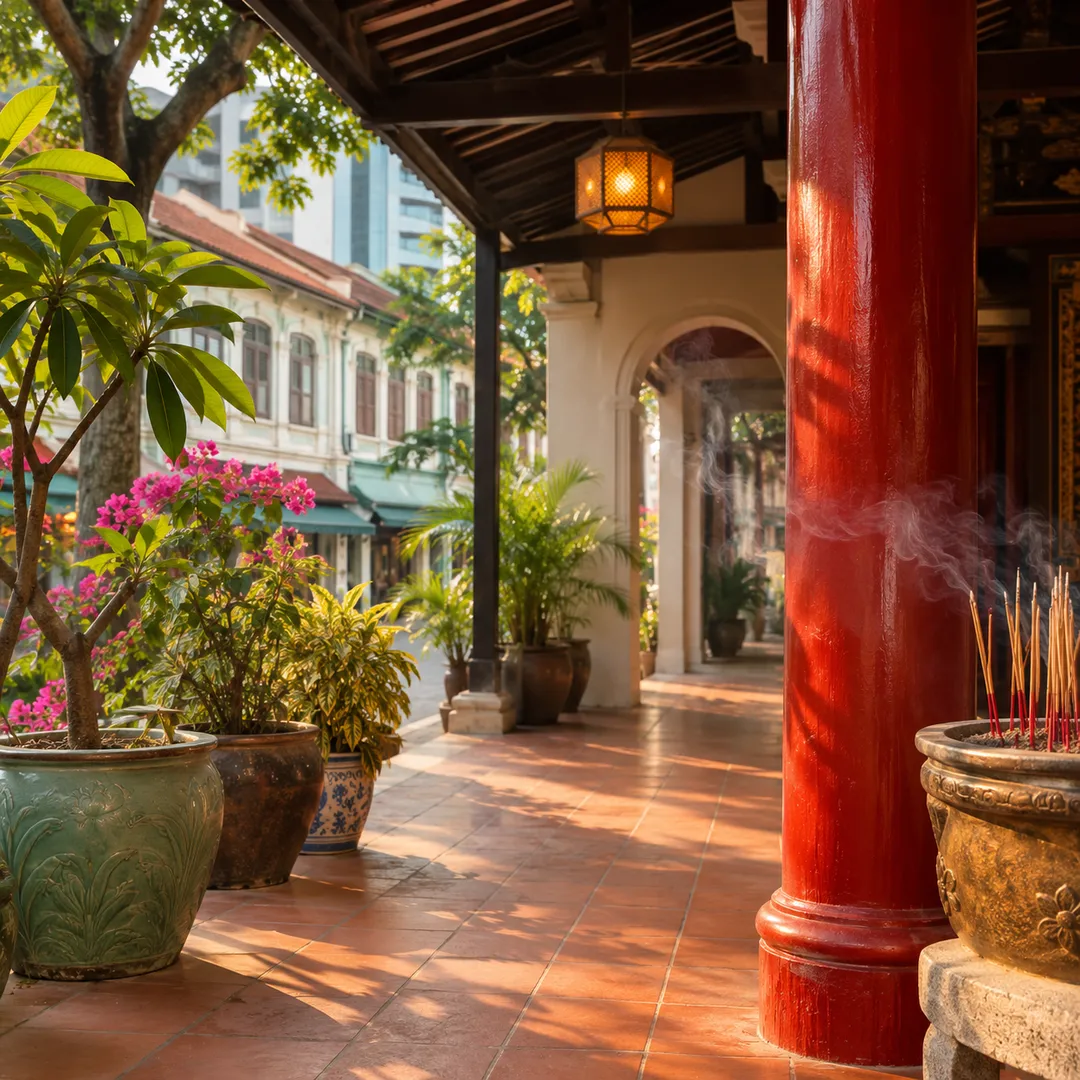
Bugis gives you a short walk that works like a reset button. From the library side, head along Waterloo Street, where the pedestrian stretch is lined with flower sellers, fortune tellers and stalls of joss paper and offerings. The Kwan Im Thong Hood Cho Temple draws a steady flow of worshippers through the afternoon, and the smell of incense drifts across the street. A few doors away, the Sri Krishnan Temple adds a second set of sounds and colors. You do not need to go inside either one to feel the change of pace.
If you do step into the temple forecourts, dress modestly, keep your voice down and step aside for people who are praying. Do not photograph worshippers up close. Ten minutes along this lane, then back to the tea room or straight to the library, is often enough to make the next block of reading feel possible. On a rainy afternoon the covered walkways around Bugis Junction and the five-foot ways along the shophouses keep you dry for most of the route.
When the Afternoon Turns into Evening
Bugis gets busier as office workers spill out and the street stalls of Bugis Street fill with shoppers. If you want the tea room at its calmest, aim for the early afternoon on a weekday, after the lunch wave and before the after-work crowd. Weekends bring families and friends meeting up, which is cheerful but not ideal if you need quiet. During exam season the library itself fills up fast, so a tea break can also be a way to wait out the crowd and return when seats open up.
If the tea room you had in mind is full, do not wander for half an hour looking for an alternative. That is time you came here to save. Open Karpo APP, search for tea rooms near Bugis, and choose the closest one that suits the kind of pot you want. A five minute walk to a second option beats standing in a doorway. And if nothing feels right, a cup of hot teh from a hawker stall in the area, drunk slowly on a bench, is a perfectly good plan B.
Who You Will Meet Here
Expect the room to be shared with people like you. A graduate student with a stack of highlighted printouts, two friends from the art school sketching each other across the table, an older regular who has ordered the same oolong for years and reads the Chinese newspaper with it. Office workers drop in for a quick pot between meetings, and on Sundays you might see a family taking a grandparent out after a temple visit. The common thread is that nobody is in a hurry, which is the whole point.
That mix makes Bugis tea rooms a good place to go alone. Sitting by yourself with a pot of tea draws no attention at all, and the staff are used to readers who stay quiet for most of an hour. If you are new to Chinese tea, it is fine to ask what they would suggest for an afternoon of studying. Most tea people enjoy that question, and the answer is usually more useful than anything on a printed menu.
Practical Notes for Your Study Day
Plan the break before you need it. Deciding at the start of the day that you will stop for tea after a set number of pages makes the reading easier, because there is a reward at the end of it. Keep the walk short so the break does not turn into an outing. Leave large bags in a library locker if that is allowed, since tea rooms rarely have room for them. Carry a light layer, as air conditioning in both the reading rooms and the tea rooms can be cold after the heat outside.
Drink water alongside the tea, especially in the humid months, and watch how many pots you have across the day so you can still sleep. If you are studying with friends, take turns choosing the tea room so the routine stays fresh. Use Karpo APP to save the tea rooms you like around Bugis, so next time the decision takes ten seconds and the break starts right away. A good study day here has a rhythm: read, walk past the temples, sit with a pot, then read again.
Ask Karpo for more information.
Keep reading
- Geylang Serai Chendol Dessert Crawl: Market Bowls to Pick
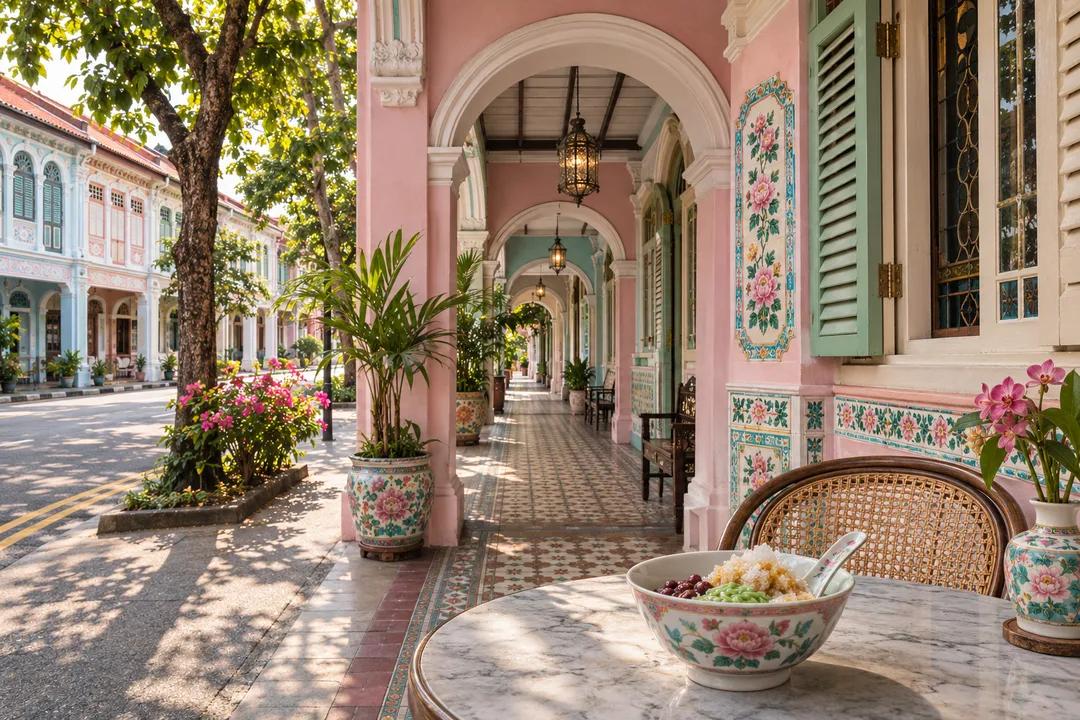 Katong Chendol Dessert Crawl: Peranakan Bowls Worth a Walk
 Chinatown Chendol Dessert Crawl: Hawker Rows and Tea Lanes